
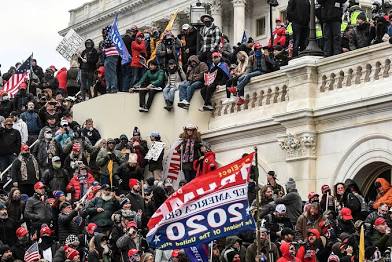
When dates like January 6th or October 7th become synonymous with events, it’s not just shorthand—it’s propaganda.
These dates are weaponized to anchor emotions, shape narratives, and erase inconvenient context. For MAGA supporters, understanding January 6th’s framing offers a lens to see through the manipulation surrounding October 7th.
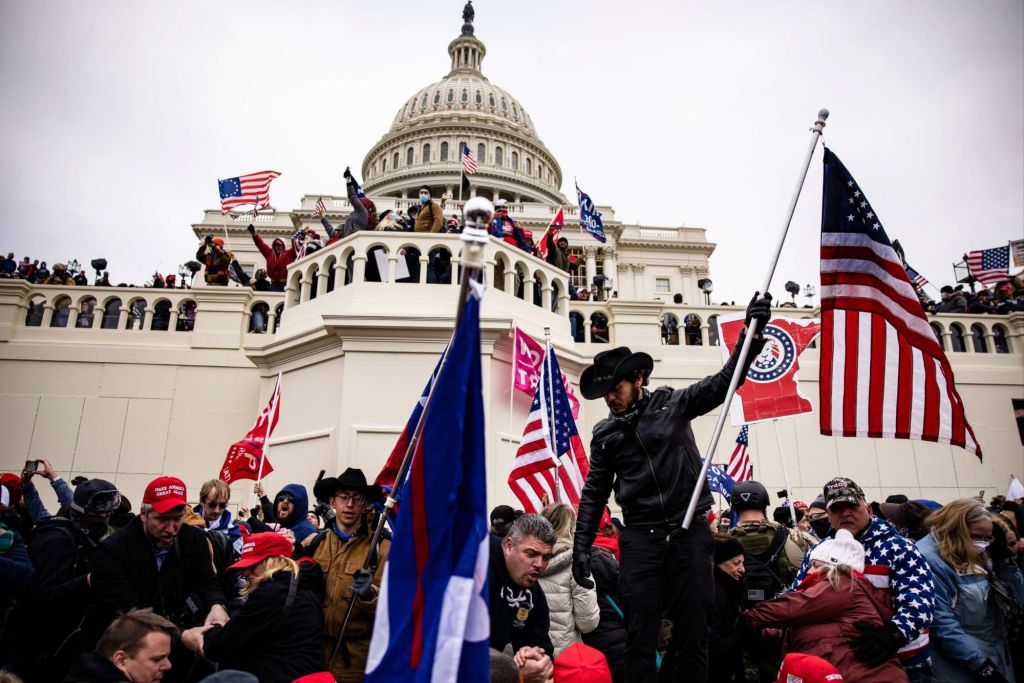
Both events, though different in scale, follow a similar playbook: start the story at a moment of crisis to paint one side as the ultimate victim and the other as irredeemable villains, sidelining the deeper grievances that led to the outburst.
January 6th: A Reaction, Not an Insurrection
The MAGA movement views January 6, 2021, not as an “insurrection” but as a response to perceived electoral theft. Years of distrust in institutions—fueled by media bias, dismissive labels like “deplorables,” and a sense of being marginalized—reached a boiling point after the 2020 election.
Supporters saw anomalies: Biden’s 81.3 million votes outpacing Obama’s 69.5 million (2008) despite a lackluster campaign; late-night vote “dumps” in states like Michigan (e.g., a 3:50 AM update with 54,497 votes for Biden vs. 4,718 for Trump); bellwether counties favoring Trump yet not predicting the outcome; and reports of poll watchers being denied access in key locations like Philadelphia and Detroit’s TCF Center.

For example, in Philadelphia, observers were kept 20–100 feet from counting tables, citing COVID-19 protocols, raising suspicions of unmonitored ballot handling. Stories of unsecured voting machines and trucks allegedly delivering ballots further stoked fears of fraud, especially given mail-in ballots’ known vulnerabilities (e.g., 43% of 2020 ballots were mail-in, per Pew Research, with historical cases of fraud like New York’s 1948 scandal). Whether these concerns held up in court (over 60 lawsuits were dismissed) is beside the point—what matters is the reality of widespread distrust. MAGA supporters felt their votes were at risk, and “Stop the Steal” was a peaceful rally that spiraled when a massive crowd moved to the Capitol. Some, like a Hill staffer I met, called it terrifying, advocating lethal force to stop it. But this ignores 2020’s context: months of “mostly peaceful” protests with burning buildings and broken glass were tolerated, even celebrated, by liberal elites.


Why was January 6 different?
Because the crowd—rust-belt workers, veterans, and ordinary Americans—challenged the establishment, not the usual activist class. The “insurrection” label was swiftly applied, despite no police officers dying that day (Officer Sicknick died January 7 from strokes, not direct injuries, per the D.C. Medical Examiner). The only immediate casualty was Ashli Babbitt, an Air Force veteran shot by Capitol Police while trespassing. Yet, the FBI hunted participants with unprecedented zeal, suggesting a need to brand the event as a threat to democracy. Questions linger: Were agitators like Ray Epps, seen inciting the crowd but lightly investigated, planted to escalate chaos? The lack of transparency fuels suspicion.

October 7th: A Culmination, Not a Random Attack
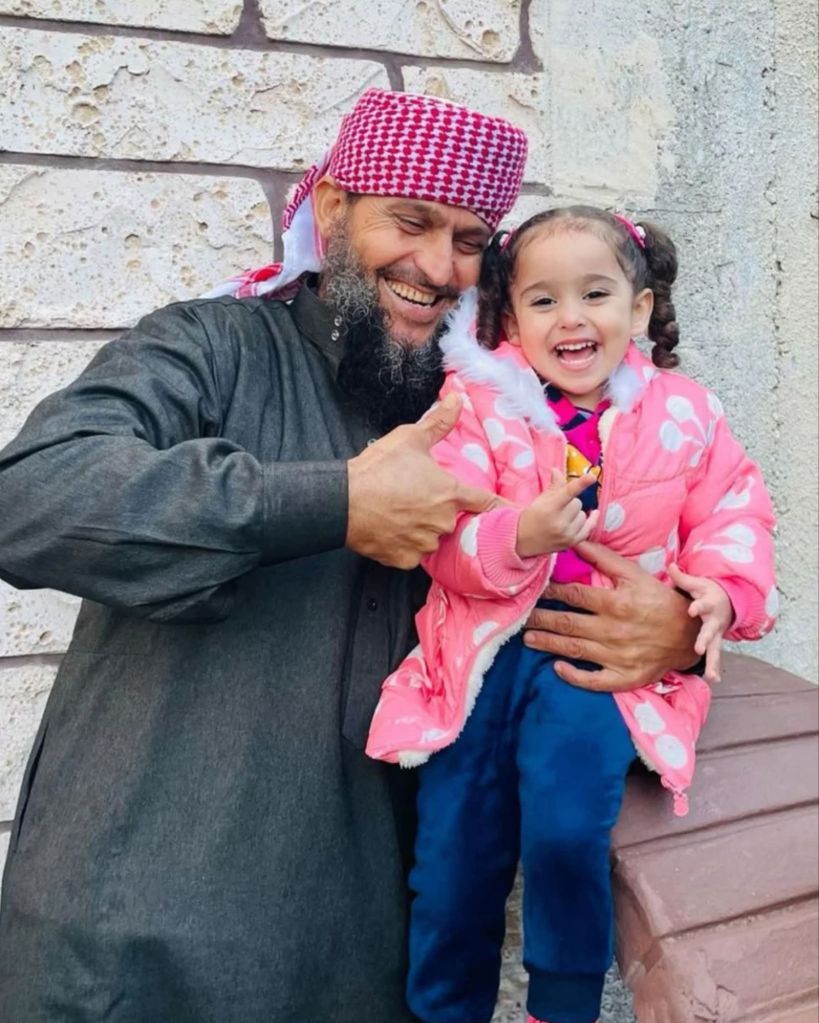
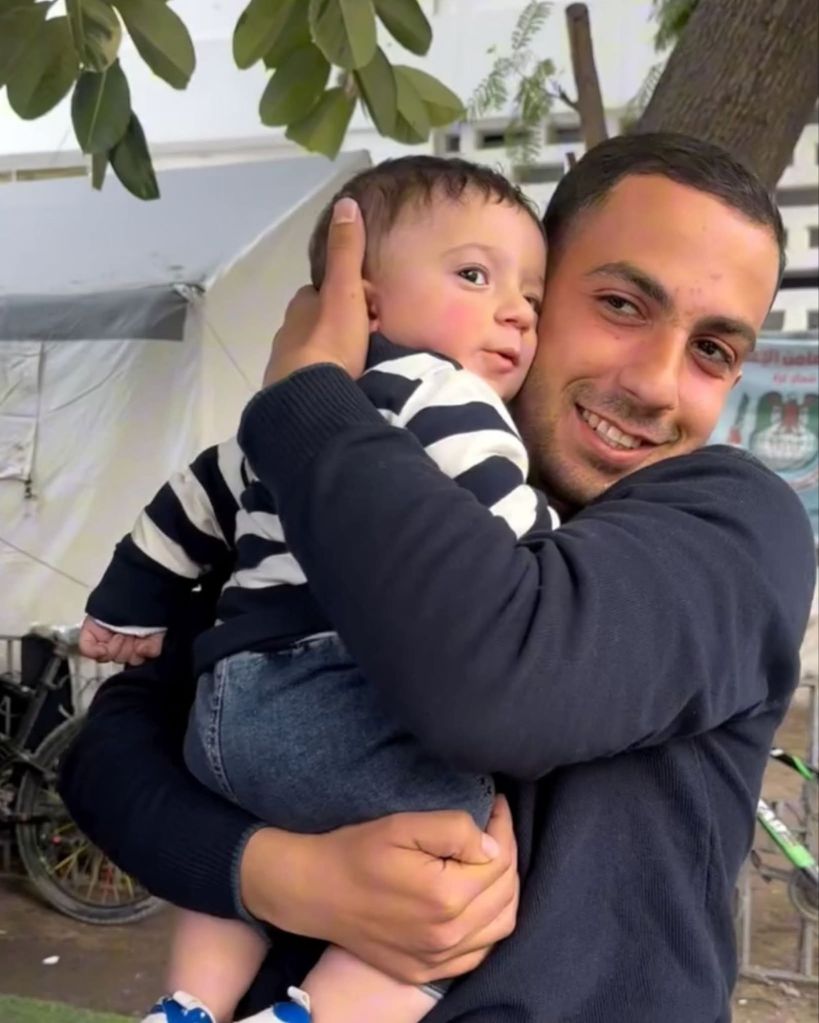
Similarly, October 7, 2023, was not an unprovoked act of “terrorism” but a desperate escalation after decades of Palestinian grievances. Since Israel’s 2007 blockade of Gaza, 2.3 million Palestinians have lived in what critics call an open-air prison. The IDF’s practice of administrative detention—holding Palestinians without trial, sometimes indefinitely—denies basic rights.
From 1948’s Nakba to ongoing settlement expansion, Palestinians face systemic displacement, with Gaza’s conditions (e.g., 50% unemployment, per UN data) fueling unrest. Hamas’s stated goal on October 7 was to capture hostages for prisoner swaps, a tactic rooted in this context, not mindless savagery.
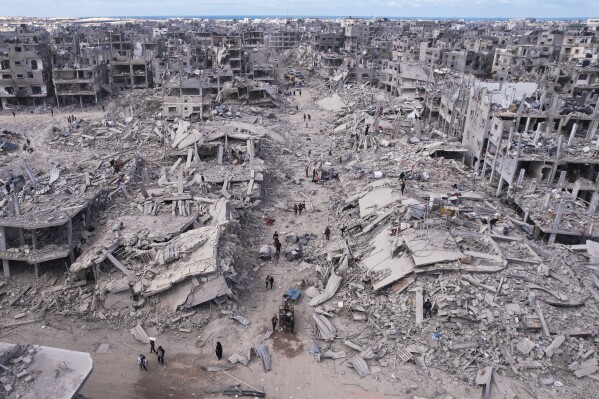
Yet, the Zionist narrative, amplified by Western media, starts the clock at October 7, framing it as an attack on innocent Israelis. Embellished claims—like debunked reports of “beheaded babies” (retracted by outlets like CNN)—flooded headlines to evoke horror and justify Israel’s response, which killed over 40,000 Palestinians by mid-2025, per Gaza Health Ministry estimates.
Like January 6, where police allowed some protesters into the Capitol, reports suggest IDF guards were ordered to stand down or skip patrols before the attack, raising questions about foreknowledge or incompetence. Much of the October 7 death toll (1,200+) may stem from the IDF’s panicked response, with the ample evidence of these “friendly fire” incidents, per Haaretz investigations. This mirrors January 6’s selective outrage: Babbitt’s death was excused, just as Palestinian casualties are dismissed as collateral damage.





The Propaganda Playbook
Both events reveal a shared propaganda strategy:
- Date Branding: Naming events by dates—January 6th, October 7th—creates emotional anchors. It’s no coincidence that “9/11” or “October 7th” evoke instant reactions, stripping away context like Gaza’s blockade or 2020’s electoral distrust. This glittering generality tactic makes the date a rallying cry, as seen in how “January 6th” became synonymous with “insurrection” despite no legal convictions for insurrection among over 1,200 charged.
- Selective Starting Points: Propagandists begin the story at the moment of crisis to paint their side as blameless. January 6 ignores years of disenfranchisement; October 7 erases decades of Palestinian oppression. This cherry-picking ensures the narrative serves power—whether the U.S. establishment or Israel’s government.
- Accuse the Other Side: Both cases accuse the aggrieved of the very crime they protest. MAGA supporters, rallying to “save democracy,” were branded anti-democratic. Palestinians, resisting occupation, are labeled terrorists. This mirrors the projection tactic, where the powerful deflect their own failures onto the powerless.
- Amplify and Suppress: Media and political actors amplify selective details (e.g., Babbitt’s death downplayed, “beheaded babies” hyped) while suppressing context. The FBI’s aggressive pursuit of January 6 participants, contrasted with leniency toward 2020 rioters, parallels Israel’s disproportionate response to Hamas versus settler violence.
Countering the Narrative
Critics might argue that January 6 was a clear attack on democracy, with 140 officers injured and $2.7 million in Capitol damage, or that October 7’s 1,200 deaths justify Israel’s retaliation.
But this misses the point: the issue isn’t the events’ severity but how they’re framed to obscure root causes. January 6’s crowd wasn’t plotting a coup; they were reacting to perceived fraud, fueled by denied access to vote counting and anomalies like Virginia’s consistent 55/45 vote splits.
October 7 wasn’t random terror but a response to Gaza’s strangulation, Palestinians tired of oppression—wanting self-determination. Both are distorted to vilify the disenfranchised and protect the powerful.
Conclusion
Dates as names aren’t neutral—they’re propaganda tools to erase history and rally emotions.
MAGA supporters see through January 6’s “insurrection” label because they know the context: a frustrated populace, denied transparency, reacting to a system they distrusted.
Apply that lens to October 7, and the parallels are stark: a people under siege, their grievances ignored, all inhabitants branded as terrorists to justify annihilation.
Question the narrative, seek primary sources (court records, UN reports, firsthand accounts), and use the ABCs of Propaganda Analysis (Ascertain, Behold, Concern, Doubt, Evaluate, Find, Guard) to uncover the truth.
The political establishment wants you to start the story on their date of choice, to dictate the terms of discussion—don’t let them.


 Irregular Ideation