

The deliberate killing of children—whether through abortion or in conflict zones like Gaza—is often defended by opposing ideological camps using eerily similar logic.
Both sides, whether progressives celebrating abortion or conservatives excusing the civilian deaths in Gaza, rely on hiding their atrocities under a thick blanket of dehumanizing language, while using speculative reasoning to justify their positions.
I’ve walked away from online friendships over this hypocrisy: “progressive” friends who are vegetarian and biology-savvy yet loudly cheer for abortion, or those self-proclaimed Christians who shrug off thousands deaths of Palestinian kids as mere “collateral damage” and a normal part of war.
This blog dives into how both sides use the same flawed reasoning, spotlighting the Freakonomics future peace case for abortion, and argues why it’s always wrong to kill a child—no matter the excuse—and why we must stop playing God.
Dehumanizing Through Words
Words are powerful, and both groups wield them to hide the truth. Abortion advocates use terms like “fetus” or “reproductive choice” to make the act sound clinical, distancing themselves from the reality of ending a human life. I’ve seen friends who’d cry over a harmed insects dismiss a fetus as a “clump of cells,” despite knowing it’s a developing human.

Similarly, those defending the killing of kids in Gaza call it “counter-terrorism” or frame it as a response to October 7th, glossing over decades of Zionist violence against those who are indigenous to Palestine. This linguistic sleight-of-hand—whether medical jargon or military euphemisms—strips away the humanity of the victims, making it easier to stomach the brutality.
The Freakonomics Trap: Justifying Death with What-Ifs
The Freakonomics argument, laid out by Steven Levitt and Stephen Dubner, is a prime example of how this reasoning works.
They claimed legalizing abortion after Roe v. Wade cut crime rates in the ‘90s by reducing “unwanted” kids who might’ve grown up to be criminals. It’s a cold, numbers-driven pitch: kill now to prevent hypothetical future problems. This mirrors the logic of those who justify dead kids in Gaza as a necessary cost to stop future terrorists.
Zionist voices have taken this to extremes, with figures like Moshe Feiglin, leader of the Zehut party, declaring, “Every child in Gaza is an enemy. We must occupy Gaza until not a single child remains there.”
Others, like US Senator Lindsey Graham, have suggested nuking Gaza, stating, “Give Israel the bombs they need to end the war that they can’t afford to lose.” Israeli leaders on i24NEWS have echoed this, calling for the extermination of everyone in Gaza, including babies, as “every child, every baby in Gaza is an enemy.” These statements reveal a chilling willingness to annihilate children based on speculative fears, just as Freakonomics justifies abortion by imagining future criminals.
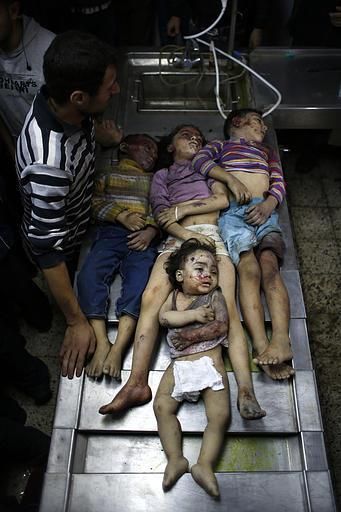
Both hinge on a false dilemma: either kill now or face catastrophic consequences later. This binary ignores alternatives, like the IRA peace process in Northern Ireland, where dialogue and systemic change brought decades of conflict to a halt without resorting to mass killing. Peacebuilding, not extermination, addressed the root causes while preserving lives.
Why Consequentialism Fails
This kind of thinking—called consequentialism—puts outcomes over principles. It assumes a kid in the womb or a warzone is a potential threat, not a person with potential. But life doesn’t work that way.
Plenty of people born into poverty or conflict grow up to do great things. The Freakonomics logic ignores that, just like the idea that a Gaza kid will inevitably become a terrorist.
Plus, it’s unfair to punish a child for what they might do or for what adults—like their parents or community leaders—have done. A fetus isn’t responsible for its mom’s situation, just as a Palestinian kid isn’t to blame for Hamas. Killing them shifts the burden of adult failures onto the innocent.
Do we truly want to live in a Minority Report world where governments choose who lives or dies based on predictive algorithms?
The Sanctity of Life Over Playing God
Every major ethical tradition, religious or secular, values human life, especially the most vulnerable. Kids, born or unborn, embody that vulnerability.
When we justify their deaths with fancy words or stats, we’re opening a dangerous door. History shows where this leads—think Holocaust or Rwanda, where dehumanization fueled mass killing.
The Freakonomics case and Gaza justifications risk the same moral rot, treating some lives as disposable.
Our job isn’t to play God, deciding who’s worthy of life based on our fears or predictions. It’s to act with justice and protect the defenseless, not to end their lives to fix society’s problems.
Wrapping It Up
The hypocrisy of cheering abortion while mourning other forms of life, or calling yourself Christian while excusing dead kids in Gaza, reveals a shared flaw—believing their creative semantics or future self-defense reasoning can remove the stain of their sin.
The Freakonomics argument and genocidal rhetoric from figures like Feiglin and Graham both reduce children to pawns in a bigger game, ignoring their inherent dignity. It’s always wrong to kill a child—whether for an adult’s choices or a fear of what they might become.
Instead of playing God with false dilemmas, we need to follow examples of taking a third option—like the IRA peace process—and focus on real solutions: respect for a legitimate grievance over stolen land and diplomacy, in support of moms and investment in communities.
Only by valuing every life can we build a world that’s just and safe for future generations.
 Irregular Ideation