

Originally I had planned a blog on fostering unity between races based on mutual respect. Instead my attention was shifted to the war launched by Israel and the United States against Iran.
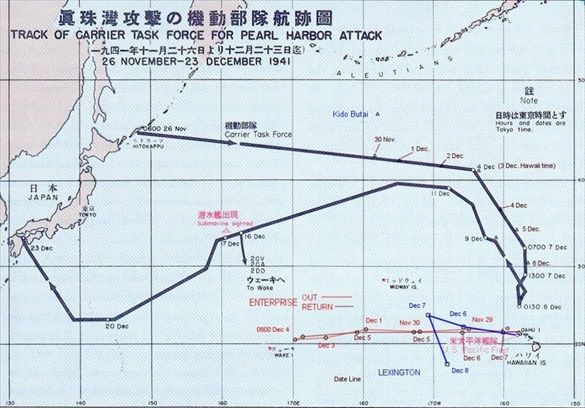
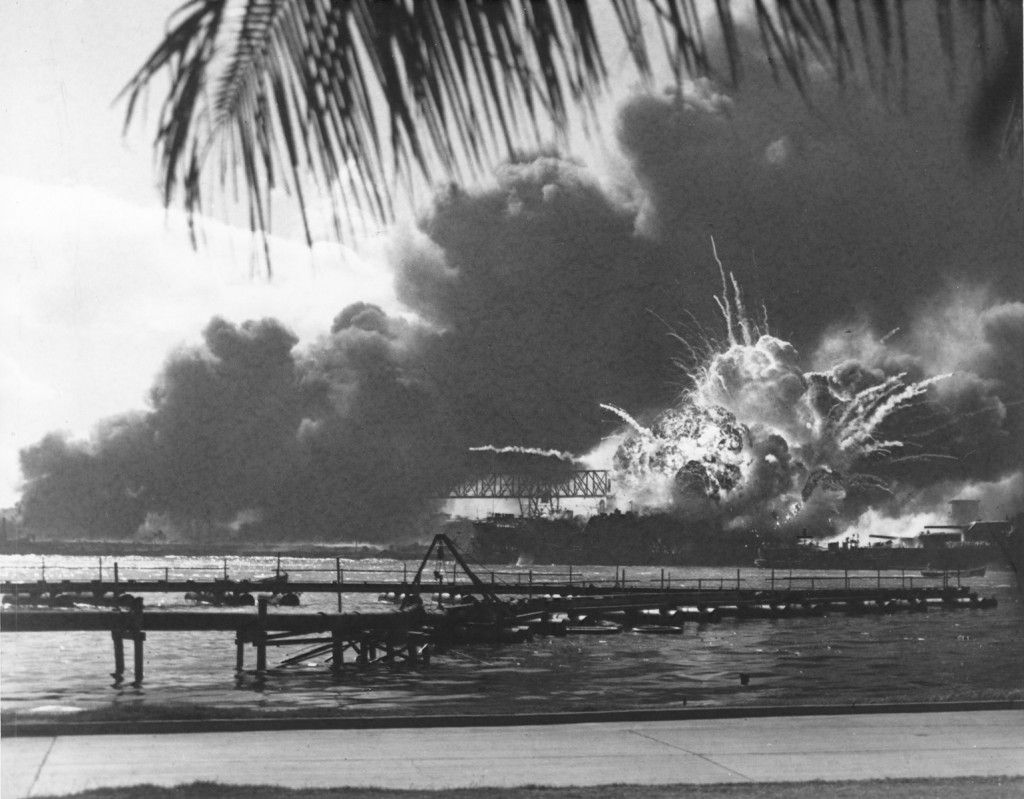
I suppose that is how Satan works, he creates chaos, destroys our focus, and undermines the good we intend to do? The hope of peaceful resolution and stability were wiped away by yet another ‘preemptive strike’ Pearl-Harbor-style surprise attack which this time has finally killed the elderly Shiite cleric.
Supreme Leader Ali Khamenei, along with several members of his family, including his daughter and granddaughter, were killed in this violent opening assault. President Trump and administration officials—along with many other Americans—celebrate this as a big triumph. They don’t seem to understand that martyrdom plays right into the narrative of the Islamic Republic. What better way to prove that the US is led by a totally violent and lawless regime than to kill an 86-year-old man who said this in a speech before his death:
My body holds little value, my life bears no significance. Even if they kill me, do not count it as our loss as long as you remain steadfast on the principles of Imam Hussain (AS). We are winning this war as long as we do not bow before dictators, before power and greed, as long as we uphold the ideals of Imam Hussain.
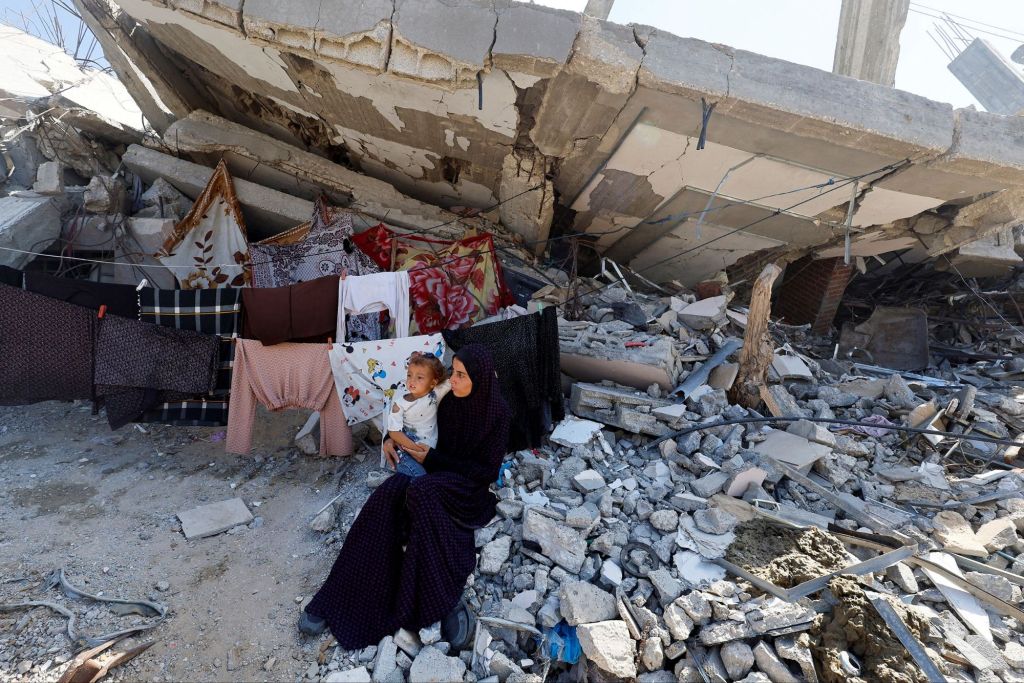
And if immortalizing Ali Khamenei was not enough, for good measure the US struck a girl’s school in their initial salvo. Images of bloodied backpacks and those awful stories of scattered limbs of children—175 innocent lives in just one strike—are justified as “collateral damage” (or just denied) here. But this will only serve as a rallying call similar to “never forget” after 9/11 (when Sunnis from Saudi Arabia attacked us) or “remember the Alamo” is in US folklore. And you really can’t get a starker contrast between the hubris of the Zionist regime—along with our own self-indulgent child raping Epstein-class—and a man who offered himself as a symbol of values bigger than his own life.
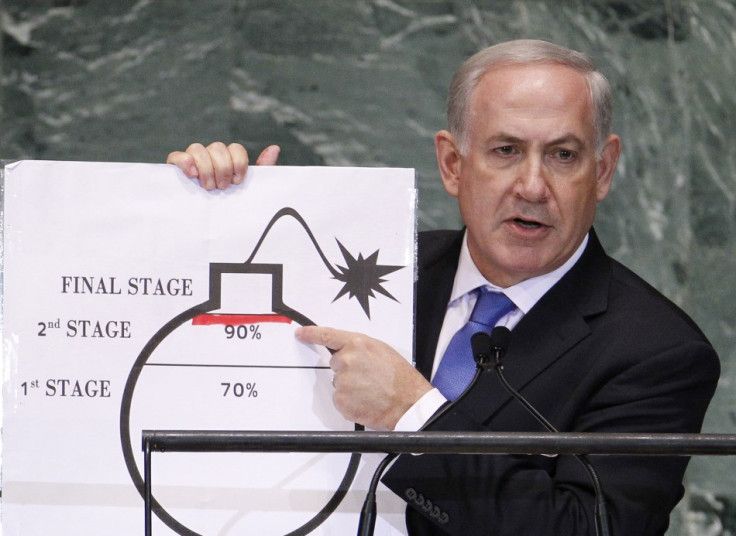
Iran has long had the technical capability to make a nuclear weapon. But Ali Khamenei had upheld the fatwa against the development calling it un-Islamic. The “imminent threat” claims are really no different from the false WMD excuse to invade Iraq in 2003. Iran posed no threat to the US even if nuclear armed. They lack a delivery vehicle to even hit Europe—let alone strike a city in the US. But what is abundantly clear is that Iran does strongly oppose the ethnic cleansing of West Bank and the Gaza genocide—and is the one regime Israel could not buy off or intimidate into silence and inaction.


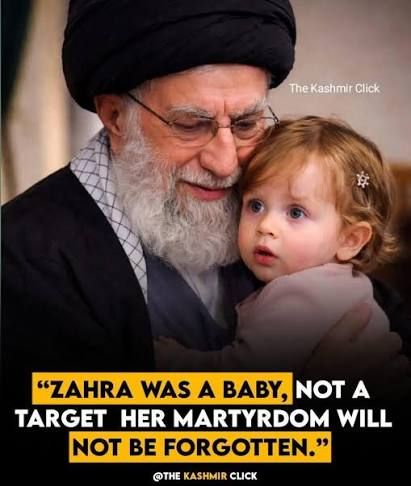
Iran’s religious leaders have appointed Mojtaba Khamenei as their new Supreme Leader. This is the son of the late Ali, and a man who also lost his wife Zahra Haddad-Adel, his mother, son, sister, a niece and a nephew in the ‘successful’ opening strike. It isn’t hard to imagine that this makes it all very personal to him. The US/Israel have just removed the very man who prevented the final assembly of a nuclear weapon and Iran replaced him with a man who has every reason to get vengeance. There’s no sense in negotiation to bring a temporary end, like last time, when they know they will just face another attack?
There Are No Good Guys—All Are Bad
I have an Iranian friend, very liberal, hates the Islamic Republic for basically the same reason she hates Donald Trump—she is a “down with the patriarchy” feminist who sees ‘red’ America similar to what she does the regime back home. And I believe her when she claims that tens of thousands of people were killed. She prefers Iran to have a secular government—and couldn’t care less about non-Persian people being slaughtered in Gaza.
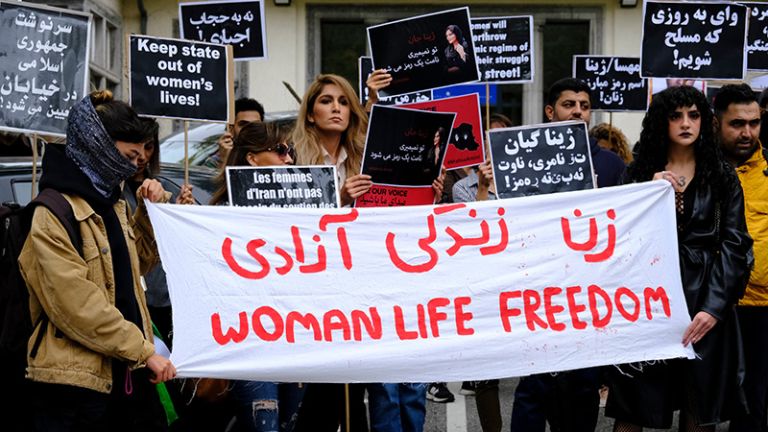


But it is funny when the exact same people who justified the killing of Renee Good and Alex Pretti, even make a joke of it, suddenly are showing solidarity with the far-leftists of another country who rose in defiance of the authorities there. Americans who would 100% be okay with BLM protesters being ran over for standing on public roads and love Trump’s no-mercy stance towards those who do not meet their standards would cheer if the blue haired leftists were gunned down here—and say they got what they deserved for defying the law and law enforcement.
That is why I do not buy into the narrative of it being about “freedom and democracy” for the Iranian people. No, this is about the US and Israel imposing their imperial will using any means possible. The CIA and Mossad have been plotting a counter-revolution for as long as the Islamic Republic has existed and at the cost of many lives. John McCain openly endorsed a terrorist organization in Iran, Mojahedin-e-Khalq (MEK), responsible for thousands of Iranian deaths, and even my leftist Iranian friend was horrified when the late war-monger said this group should rule over her country.

The Zionists (Likud party terrorists and their Evangeli-con counterparts) do not care the slightest bit about democratic values. If they did they would be totally opposed to the Gulf State dictatorships and monarchies. They would be speaking passionately about regime change in Saudi Arabia—where women have less rights than they do in Iran. But they don’t. So long as a brutal regime favors Zionist regional hegemony it can basically do anything to its own people—which is why I do not share the jubilation of my Iranian friend over the death of the man she views as an oppressor.
If the Islamic Republic falls it will be a “meet the new boss, same as the old boss” where maybe the progressives can wear less clothes or get to have a Pride parade in Tehran some day, while merely opposing genocide by Israel will get them yanked off the street and tortured. It will mean tens of thousands of children die in Gaza unopposed by world governments.
You do not free people by bombing them into oblivion. It’s insane how fast our ruling elites go from “I support the Iranian people” to days later announcing intent to “inflict punishment” when most in Iran choose to respect their own leaders instead of rebel on behalf of Israel and the US.
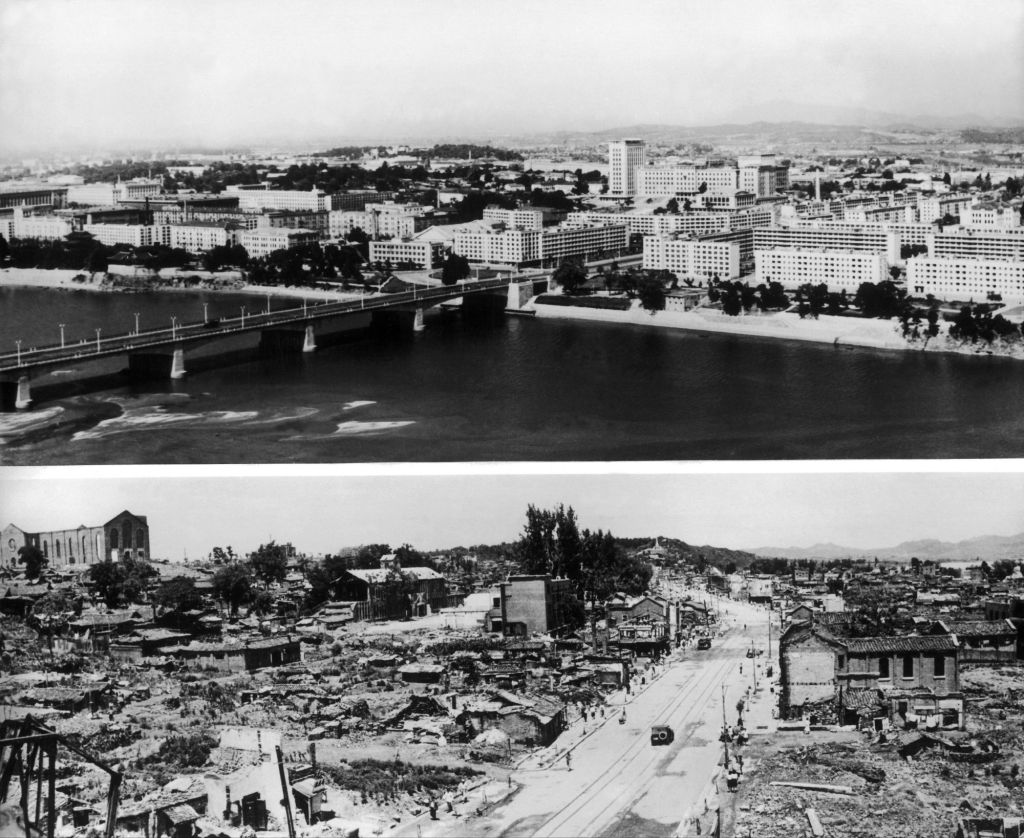
The reality is that this war is about who will control the region and resources of Iran, not a humanitarian mission. Will or consent of the Iranian people matters very little to our elites who make others die for them. The US and Israel have brutally bombed anyone who opposed their imperialism. The body count from the US wars post-1948 is somewhere between 8.25 to 11.8 million dead. For scale, this is enough killed to fill 77 to 110 of the largest college football stadiums. The vast majority of the war dead—from Korea to Gaza—the primary victims non-combatants and children.

It is crazy we’re still talking about October 7th as if that excuses the devastation that the IDF inflicted on Gaza. We remember 9/11 (not remembering who called it “good” or that Iran had nothing to do with it) yet we forget the 290 killed by the US Navy in 1988, the dozens of scientists assassinated over the years the 436 confirmed civilian deaths from the Twelve-Day War. In the current US and Israel assault there have been 1,225—1,348 civilians slaughtered so far. For the sake of reference, approximately 828 of the victims of the October 7th attack were civilian and a significant portion of them were likely killed by panicked Israeli security forces.
The US—Israel have attacked 40 countries since 1948. Over the same period Iran has been defending itself from invasion, they’ve endured their key figures being murdered at home or abroad, and have only fired at the Gulf States who are hosting US-bases that aid the current assault on their sovereignty. It is unfathomable distortion that fighting back is being portrayed as aggression and surprise attack called defensive. Yes, Iran helps the axis of resistance, Hamas and Hezbollah, and yet Mossad and the CIA have operated inside Iran leading revolts.
Trump and war propagandists are claiming that Iran has been at war with us since 1979, and yet if you consider that it all started with the CIA removing a secular democratic leader in 1953 (for his daring to believe that Iran’s oil belonged to Iran) can we really say that? We were at war with Iran’s people at the behest of BP, installed the Shah who ran a brutal dictatorship, then we encouraged Iraq to invade after their revolution and even provided chemical weapons to Saddam Hussain to use against them. Iran, in that war, suffered at least 200,000 combat deaths. This all a direct result of US policies.
The US—Israeli foreign policy is blood-drenched and at least as evil as any other in the world. An honest person must be able to acknowledge this rather than pretend they are pure as wind-driven snow because they say so.
The Flaw of Good Versus Evil Narratives
People quickly fall into binary thinking. We want two simple categories. We prefer liberals versus conservatives, Republicans or Democrats, good guys and bad guys—and the falsely dichotomous framings of narratives. Why? Well, making it all black and white, ignoring the true color or stripes of reality, this simply requires far less effort and depth of knowledge. Why do good analysis when you can just believe they all need to be destroyed for peace to be possible?

But this is not a Gospel framework. Jesus frequently insulted his ethno-supremacist religious peers by sharing contrary stories about good Samaritans, and commending foreign enemies for having a faith that was beyond that of all Israel—specifically the Canaanite woman and Roman centurion. He also brought up the foreign widow who helped Elijah and the people of Nineveh as well, and all as part of a rebuke of an ethno-supremacist religious crowd that eventually killed him for his never letting them off the hook for their own evil pride and complete lack of repentance.
Fundamental attribution error is common—we make exemptions for ourselves or our own, while then assuming that negative actions of ‘others’ originate from an immutable character flaw only solved by their death. There is this great quote of Aleksandr Solzhenitsyn to help explain a different perspective:
The line separating good and evil passes not through states, nor between classes, nor between political parties either — but right through every human heart — and through all human hearts. This line shifts. Inside us, it oscillates with the years. And even within hearts overwhelmed by evil, one small bridgehead of good is retained.
The thought isn’t original to Solzhenitsyn, he’s paraphrasing St Paul:
For our struggle is not against flesh and blood, but against the rulers, against the authorities, against the powers of this dark world and against the spiritual forces of evil in the heavenly realms.
(Ephesians 6:12 NIV)
In both cases it is reframing the problem as being spiritual and external to a dividing line within ourselves. Rather than seeing the world as being our absolutely righteous side versus a bunch of irredeemable demons, we should turn first to look inward and consider that beam in our own eyes. If our own heart is full of hate, and we are wanting to see others judged, are we truly being merciful as our Father is merciful? No, and we invite judgment without mercy because of our judgement without mercy:
Speak and act as those who are going to be judged by the law that gives freedom, because judgment without mercy will be shown to anyone who has not been merciful. Mercy triumphs over judgment.
(James 2:12-13 NIV)
So how does this apply to the current war against Iran?
It means we recognize the unmerciful attitudes of those who claim to be forgiven and yet do not forgive others as Christ commanded. It means we see when we’re being encouraged to box others into a corner over the group they belong to (or we put them in) and judge them wholesale—as we exempt ourselves or our own from the same moral standard we have applied.
The US/Israel is led by a haughty spirit, this idea of our moral superiority and right to impose by any means, which is opposite anything we see in Scripture.
Once we stop assuming that everyone who fights us is just evil and cease believing that the US is just a faultless defender of the planet, there will finally be a possibility of a rational conversation that leads to peaceful resolution. No, the Iranian regime isn’t the “good guys” and yet nor are we.
I realize that a blog like this will not sway the religiously indoctrinated excited that the US is holy war against “America’s mortal enemy” that has supposedly waged a “savage, one-sided war against America” (see: Israel) and yet there’s plenty of reason to reflect on the evil we have done. It’s amazing how fast we forget the coup we orchestrated, the chemical weapons we provided, the airlines shot down, the Gaza genocide and other aggression against the Iranians and population of this region.
The real tragedy lies in the binary thinking that paints entire nations or regimes as irredeemable evil while simultaneously excusing our excesses. As Solzhenitsyn observed, the dividing line of good and evil slices through every human heart, not between borders or ideologies. And Scripture echoes this: our struggle isn’t against flesh and blood, but spiritual forces—and mercy triumphs over merciless judgment.
Until we confront the beam in our own eye, and reject the haughty notion of our exceptionalism, and demand accountability from all powers (our own included), these cycles of vengeance and “collateral” horror will persist, burying more innocents and any hope for genuine peace. The call isn’t to pick a team—it’s to choose humility, mercy, and truth over the easy comfort of demonizing the “other.”
Postscript: Terrorism or a Human Response?
One last thing to reflect on. The Temple Israel synagogue was attacked by Ayman Mohamed Ghazali and will no doubt be used to promote this idea of Muslims being evil savages. But then consider that last week his two brothers (Kassim and Ibrahim) along with a niece and nephew (Ali and Fatima) were killed in an Israeli air strike in Lebanon’s Beqaa Valley. The synagogue he ran his vehicle into and opened fire on hosts Friends of the FIDF events and has raised funds for the benefit of the institution that slaughtered his loved ones. When you understand ‘terrorism’ in that context, of a man wracked with grief and not having hope of justice—is he evil or just a human with the same feelings we would have if a foreign country killed our loved ones?



What do you really expect them to do? Roll over and let us do whatever we want with impunity?















 Irregular Ideation