
In the annals of history, empires often have become cornered by their ambitions and are forced into desperate acts that hasten their downfall. Imperial Japan in the lead-up to World War II provides a stark example: backed into an economic stranglehold by US oil embargoes, it launched a very daring attack on Pearl Harbor in a bid for survival. And, today, the United States faces a eerily similar predicament—not as the embargoes’ enforcer, but as a nation grappling with big resource dependencies, massive mounting debts, and quickly eroding global influence. This parallel becomes extremely vivid when examining U.S. policies toward Venezuela—where the act of desperate aggression of Imperial Japan echos Trump’s bold moves on Greenland and the kidnapping of Nicolás Maduro. Drawing on historical precedents and the current events, we see superpower teetering on the edge—actions driven more by vulnerability than strength.
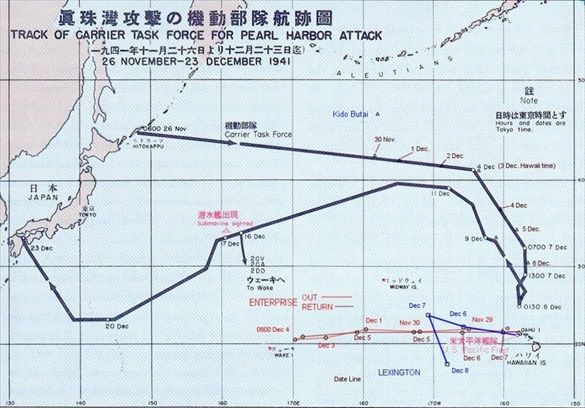
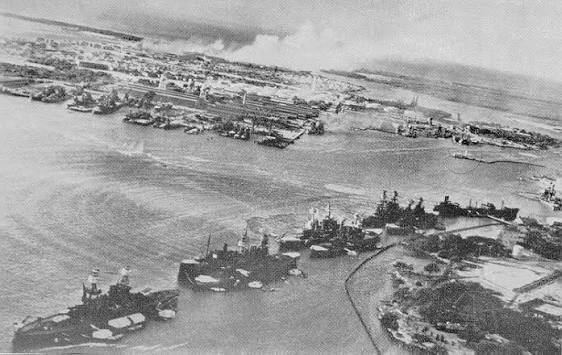
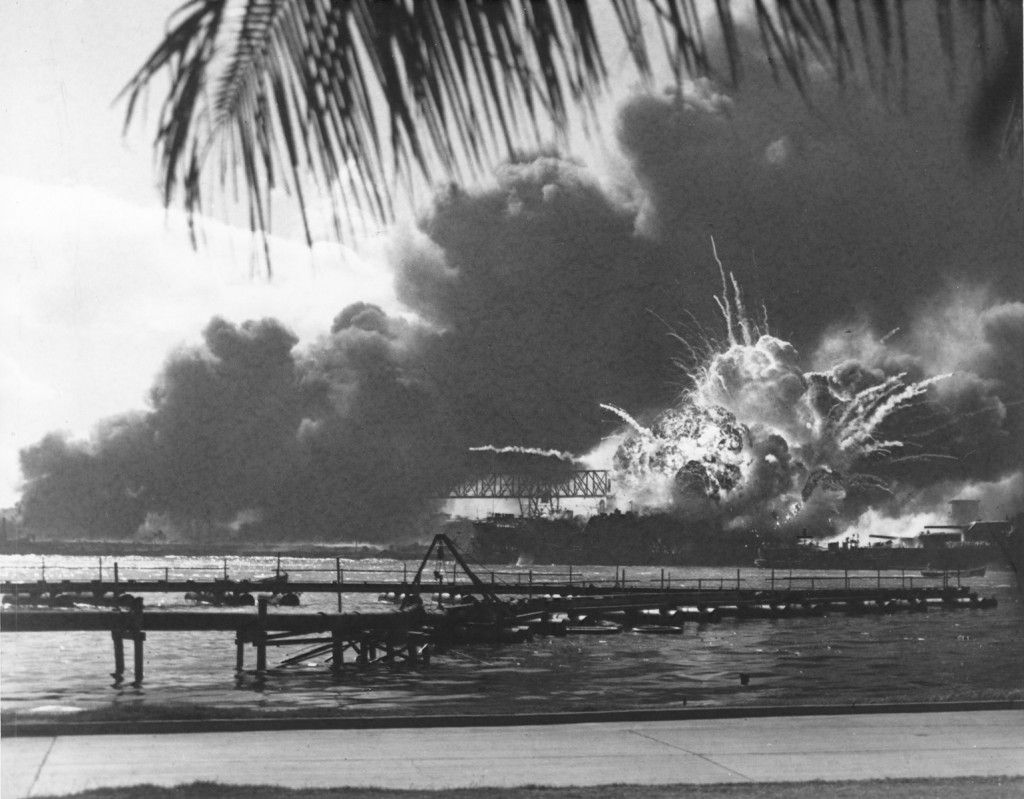
To fully understand this analogy, recall the circumstances that propelled Japan toward Pearl Harbor. In the 1930s and early 1940s, Japan’s imperial expansion in Asia relied heavily on imported oil, much of it from the United States. When President Franklin D. Roosevelt imposed an oil embargo in 1941—as a response to Japan’s actions in China and Indochina—this act was a declaration of an economic war. And it also set a countdown timer on Japan’s military machine. Without fuel, their economy and war efforts would grind to a halt and within months. Faced with this dire situation—down seven points with a minute left on the clock, as one might say—Japan opted for a Hail Mary: a surprise attack on the US Pacific Fleet at Pearl Harbor on December 7, 1941. The hope was to cripple U.S. naval power long enough to negotiate a favorable peace deal and secure resource access. Tactically brilliant, the audacious strike was an amazing success, devastated battleships and caused enormous damage. However, not wanting to risk detection, the Japanese decided against a third wave and left fuel depots and repair facilities ready to use. Crucially, the U.S. aircraft carriers, that would prove decisive in the coming battles, were absent from moorings.
The Japanese leaders underestimated America’s resolve and their unmatched industrial capacity—which soon out-produced and overwhelmed them. What began as a bid for survival ended in their total humiliating defeat.
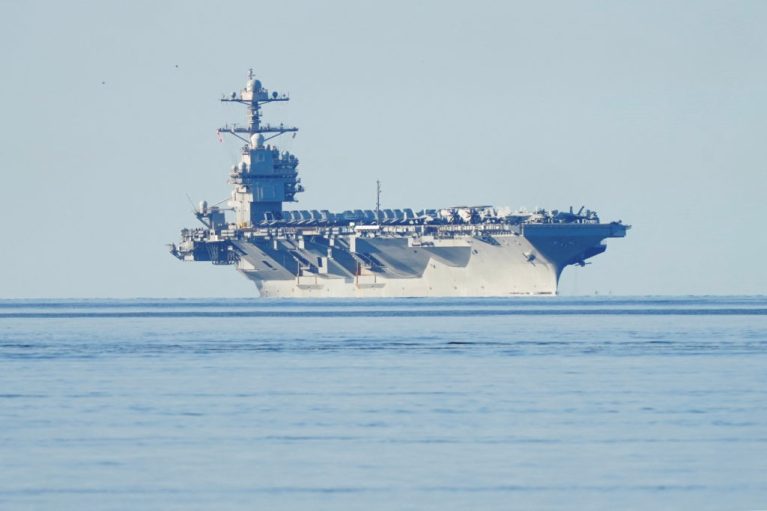
Fast-forward to the present, and the United States occupies the opposite seat at the table—or rather, a mirrored one. Once the architect of oil embargoes, America now imports much of its oil, and has refineries optimized for heavy crude from sources like Saudi Arabia, Russia, and Venezuela. Our economy ticks like a time bomb, burdened by dependencies on foreign production (notably China for manufacturing) and a military that, while formidable, also shows cracks of vulnerability. Recent simulations highlight this: in combined naval exercises, a relatively cheap ($100 million) diesel air-independent propulsion (AIP) submarine has “sunk” a powerful $6 billion nuclear U.S. Navy aircraft carrier, underscoring how newly arrived asymmetric threats could shatter the illusion of invincibility. This mirrors Japan’s overconfidence in its naval prowess, only to face industrial and logistical realities.
Nowhere is this desperation more apparent than in the US . dealings with Venezuela, a nation long in the shadow of the American empire.
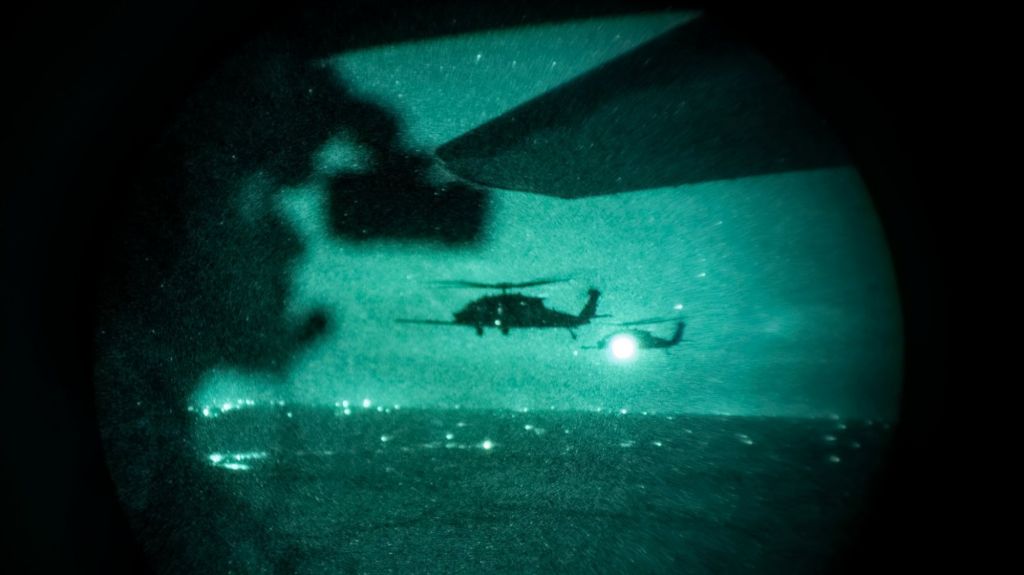
South America’s history is riddled with bullying US interventions prioritizing corporate interests over national sovereignty—from the violence of CIA-orchestrated coups to those direct military incursions—a history that has birthed the term “Banana Republic.” For over a century, as long as resources flowed northward, Washington turned a blind eye to the most brutal regimes and their human rights abuses. The US military has often served solely as an enforcement arm of a handful billionaire oligarchs, who in turn fund politicians in DC in a corrupt cycle of public risk for private gain masquerading as Capitalism.
U.S.-Backed Kidnappings, Assassinations and Coups in Latin America Since 1950
1954 — Guatemala — President Jacobo Árbenz — Overthrown in CIA Operation PBSUCCESS
1960s, 70s, 80s — Cuba — Prime Minister Fidel Castro — The US tried to assassinate him about 634 times and invaded the country during the Bay of Pigs
1961 — Dominican Republic — Rafael Trujillo — US-backed coup and assassination
1964 — Brazil — President João Goulart — US-supported coup
1965 — Dominican Republic — President Juan Bosch — US-supported coup
1970 — Chile — General René Schneider — US-supported kidnapping and assassination
1971 — Bolivia — President Juan José Torres — US-supported coup
1973 — Chile — President Salvador Allende — US-backed coup and “suicide” of Allende
1976 — Argentina — President Isabel Perón — US-backed coup
1976 — Bolivia (in exile in Argentina) — former President Juan José Torres — US-supported assassination
1981 — Panama — General Omar Torrijos — Death in suspicious plane crash with likely US support
1981 — Ecuador — President Jaime Roldós — Death in suspicious plane crash with likely US support
1983 — Grenada — Prime Minister Maurice Bishop — US invasion and removal of Bishop in Operation Urgent Fury
1980s — Nicaragua — Sandinista government — Sustained covert regime-change war
1989 — Panama — Gen. Manuel Noriega — Invasion, kidnapping and transfer to US custody in Operation Just Cause
2002 — Venezuela — President Hugo Chávez — Kidnapped by US-backed military forces for less than 48 hours before being restored to power
2004 — Haiti — President Jean-Bertrand Aristide — Kidnapped and flown to Africa on a US military plane
2009 — Honduras — President Manuel Zelaya — US-backed kidnapping and coup
Venezuela’s “crime” was simple: asserting control over its vast oil reserves. When the government nationalized assets for sake of their people, the U.S. corporations and their political allies responded with their crippling sanctions—akin to thugs blocking shoppers from a well-stocked store. These measures aren’t about justice; they’re punishment for defying the empire. Claims that Venezuela “stole” oil infrastructure built by U.S. firms ignore offers to compensate, which were rebuffed. Why accept a fair payment when gross exploitation of resources is far more profitable? Recent actions under President Trump, including the controversial removal of the Venezuelan leader Nicolás Maduro to face a US judge, smack of desperation: a bid to seize assets and bolster a faltering balance sheet. It’s framed as liberating a people from Socialism, but the real reason is resource control.
US propaganda blames Venezuelan suffering on internal policies—like universal healthcare—ignoring how our sanctions starve their economy. Socialism is not a problem in Israel—why only here?

Meanwhile, alternative oil sources like Saudi Arabia or Russia remain volatile and keeping access is an increasingly risky proposition.
And, while I firmly believe mutual respect could yield great prosperity for the US and Venezuela—would both allow the migrants fleeing poverty to stay home and secure stable energy for the US without war—that is a peaceful solution that is far less profitable for US-based oil billionaires. Maduro had also taken a strong stance against the killing in Gaza. The country of Venezuela—under Hugo Chávez—banned usery and enforced a regime of conservative morals (US pornography banned and on gay marriage) all of which defies US banking and business interests.
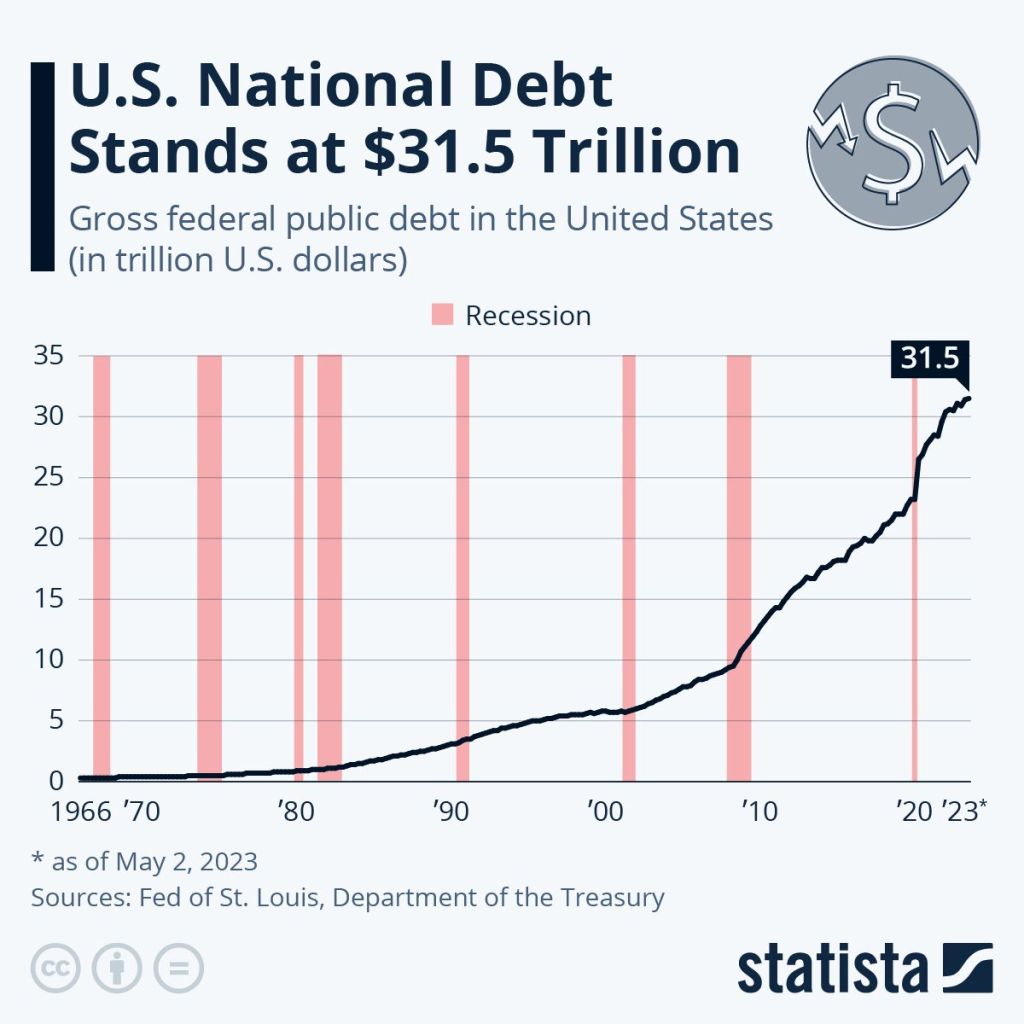
This imperial overreach extends to the broader economic woes in the US, painting a picture of a nation painting itself into a corner. The US national debt, which first hit $1 trillion in 1981, now ballooned to $38 trillion and now they add a nearly trillion dollars every other month in an unsustainable parabolic ascent. The US currency debasement, endless printing of money, punishes global holders, and is fueling the rise of BRICS as the safer alternative to the dollar’s long abused “exorbitant privilege.” Worse, all this government spending, regardless of the party, simply funnels wealth to oligarchs via their political connections—a trickle-down economics by another name. So called “tax cuts for the rich” are derided, and yet inflation achieves this exact same redistribution upward. The weaponization of the dollar, more importantly, erodes faith in its reserve currency status, undermining the very foundations of the post-World War II systems on which US strength rests—like Bretton Woods and the Petrodollar.
Compounding this loss of US reputation is a propaganda machine straight out of George Orwell’s 1984. No, show trials and kangaroo courts aren’t relics of Soviet excess; they’re very much alive in US actions against the figures like Maduro, tried in a rigged system far from impartiality. Maduro’s criticism of Gaza violence preceded his ouster, timed suspiciously after meetings between Trump and Israeli leaders. Media manipulates the narratives—vanishing massive supporting rallies or amplifying astroturf campaigns—much like the staged toppling of Saddam Hussein’s statue in Iraq, later regretted by participants who longed for pre-invasion stability. Skepticism abounds: those who saw through Russian collusion hoaxes or Trump’s prosecutions as lawfare suddenly swallow anti-Venezuela propaganda whole, revealing partisan blindness over principle. Lady Justice’s blindfold is absent at the top, swayed by partisan politics and payments. We endure psyops, cancel culture, thought policing, and memory holes, us screaming “2+2=5” at our cult leaders’ behest.
In historic parallel, the US supported Gaza genocide also evokes a direct comparison to Japan’s Nanjing Massacre, the unverified casualties now dwarfing historical horrors. America’s “Zionist” alignment only isolates us further on a world stage, very similar to Japan’s Axis ties. Trump’s tactical “success” in Venezuela may prove a strategic blunder, like Pearl Harbor: a short-term victory that awakens global resistance. And forcing the Danes to relinquish Greenland only drives a wedge deeper. Other nations witnessing another blatant disrespect of sovereignty—applying US laws extraterritorially, flouting the “rules based order” precedents—will only serve accelerate de-dollarization or even lead to alliances against us.
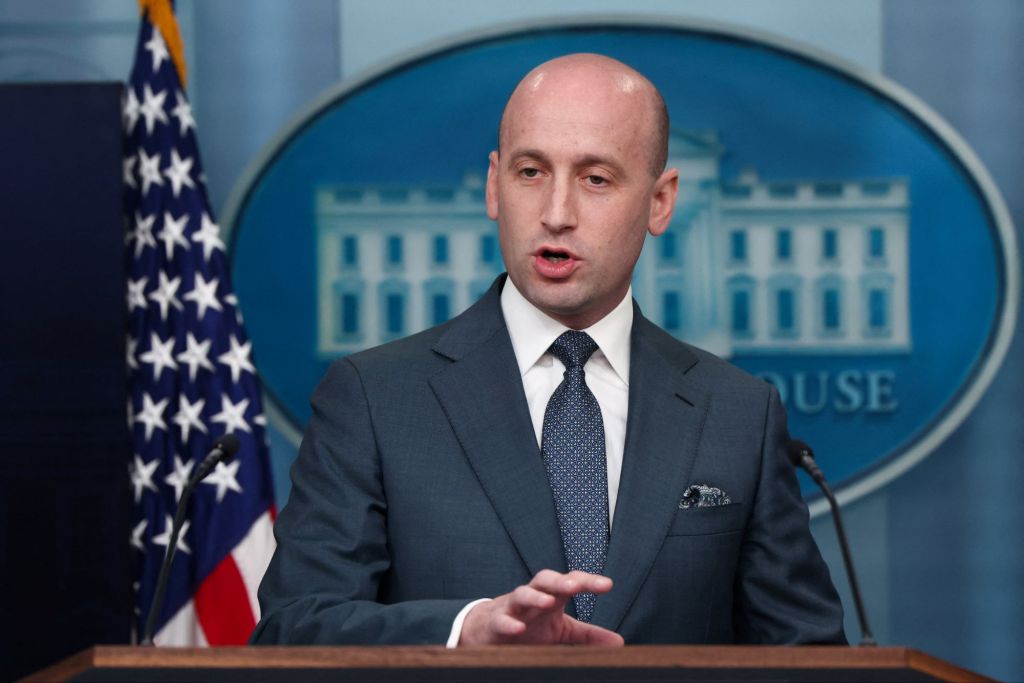
In conclusion, expansion oriented Zionist America, much like the Soviet Union of old, now perpetrates atrocities and abuses—from the bloodshed in Gaza to the brazen seizure of foreign leaders and threats—that erode our moral foundation and alienate the world. This path of treating partner nations like a pimp does a prostitute—the extracting resources through coercion and sanctions—is unsustainable. There are far better ways to achieve our goals beyond application of brute force—unlike the recent assertion by Zionist Trump adviser Stephen Miller saying “only power and the willingness to use it matters.” Embracing mutual respect, fair negotiations, and genuine diplomacy could foster true alliances, allowing us to secure resources without conflict, and also restore America’s standing. History warns that all empires built on military domination crumble; it’s time to choose a different course before our own Hail Mary seals our fate.


 Irregular Ideation