
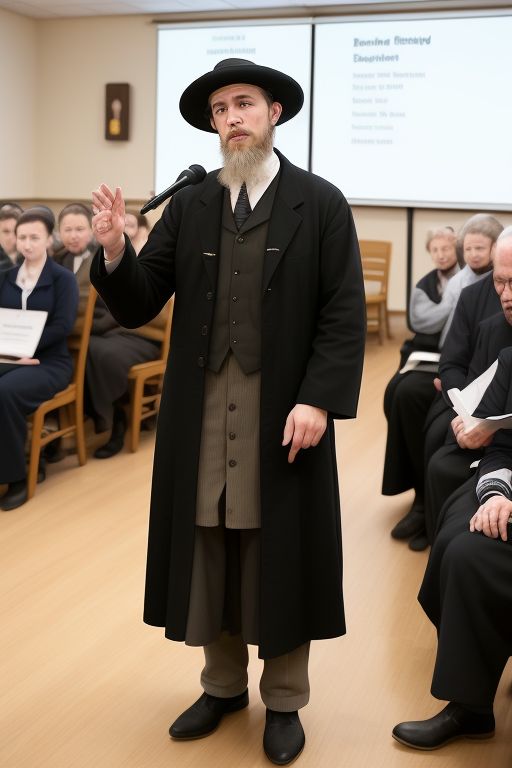
Over the past couple of decades the liberal end of the conservative Mennonites and a few others get together to navel gaze about what it means to be them. This “Anabaptist Identity Conference” (an annual event which some of us have dubbed the identity crisis) is truly a product of this time where nobody is sure of who they are as they once were. There is a strong urge to seek out others, like us, as to bolster our shaking foundations.
In this year’s event there is a line up of many meme worthy topics, like “The Anabaptists: Continuation of the Ancient Faith,” where ol’ David Bercot, a man who truly knows where his meal ticket comes from, will try to make the case that Anabaptism (as they define it) is somehow a direct lineage to the Apostle’s church. This connecting the dots to make it fit narrative, of course, will play right into the confirmation bias of his audience who fawn over an educated outsider. Maybe this year he’ll have pictures of whoopie pies painted in the catacombs?
Anyhow, some may believe that the first Anabaptist Identity Conference was held in 2007, in the Amish vacation Mecca called Sarasota, but there was one before this way back in 1536. It occurred in the aftermath of an event that left Anabaptists then trying to find a path forward. This is the Bocholt meeting that brought together survivors of the Münster rebellion and other factions in the Anabaptist movement:
In August 1536, the leaders of Anabaptist groups influenced by Melchior Hoffman met in Bocholt in an attempt to maintain unity. The meeting included followers of Batenburg, survivors of Münster, David Joris and his sympathisers, and the nonresistant Anabaptists.[4] At this meeting, the major areas of dispute between the sects were polygamous marriage and the use of force against non-believers. Joris proposed compromise by declaring the time had not yet come to fight against the authorities, and that it would be unwise to kill any non-Anabaptists. The gathered Anabaptists agreed to the compromise of no more force,[5] but the meeting did not prevent the fragmentation of Anabaptism.
No discussion of Anabaptism is complete without a little discussion about this crazy polygamous uprising. Sure, the revisionist historians of the denomination may tell you otherwise, but the association is definitely there and the Wikipedia summary is accurate. Menno Simons, in his 1539 Foundation Book, called the Münsterites “dear brethren” rather than claim they weren’t truly Anabaptists. So are we really in a better position today to decide who is truly representative of the Anabaptist identity? No, we’re not.
What is the Anabaptist identity?
In America it is mostly an ethnic group with a similar religious lineage. Some within this category have openly lesbian pastors while others cling to traditional dress and buggies for transportation. Unlike in the first 1536 identity conference, when their big debate was over use of violence, now the surviving Anabaptist groups agree on that and really not a whole lot other than that. Even those who organize and attend the conference in the current year only represent a subset of the conservative Anabaptist groups. The ‘spiritual’ lineage, while all claim it as their own, is too vague to put a finger on.
Men like Bercot and their ilk may want to declare the boundary lines even stricter than the early Anabaptists did, but that is just adding delusion upon a delusion. No, I am not saying they aren’t Christians, that’s not my purveiw, but for one to claim they’re some kind of special remnant of the remnant is just plain grandiose. And what comes to mind, at this juncture, is the “Stop It, Get Some Help” meme.
Newsflash: You’re not even representative of the early Anabaptist —let alone the ancient church.
This conference can’t speak for the plurality of the groups today who trace their roots the so-called “radical reformation” and do not have a voice in this identity rumination project. What is hard to miss, for those outside looking in, is that this is an effort to preserve their distinction and not to seek the the unity in Christ that St Paul commanded (1 Corinthians 3) when some in the early church were busy commending themselves for their special identities.
I don’t have a problem with having an ethnic identity that is cherished. I’m German, still Mennonite in many regards, and absolutely adore Old Order people. I have no problem with having our own culture or celebrating our heritage. It is why I encourage my son to keep his Igorot language and ways rather than have it all be erased in the American monoculture. But there’s a vast difference between that and those basically arguing that they’re saved through heritage.
Saying that Anabaptists are a “continuation of ancient faith” is only a half step away from being as crazy as the Schizophrenic who thinks they’re the second coming of Jesus. The denominational ground you’re standing on is not sacred simply because you currently stand on it. It is spiritually equivalent those Anabaptists in Münster declaring their own project to be the New Jerusalem. We should know better than to live in that kind of self-delusion. We should not condone or encourage it.
 Irregular Ideation