

Holocausts and genocides occur because atrocities are obscured by layers of justification, propaganda, and denial. Historically, these layers have enabled mass violence by fostering ignorance or apathy among populations. In Nazi Germany, the genocide of six million Jews was justified through antisemitic propaganda blaming Jews for economic woes and civil unrest, despite only a small fraction being involved in communist movements. Most Germans did not need to endorse the “Final Solution”; they only needed to remain ignorant or in denial, facilitated by censorship, secrecy, and moral rationalizations.
This pattern of denial and justification is evident in other genocides, such as the Communist purges in the Soviet Union, China, and Cambodia, where millions were killed to eliminate perceived threats to a utopian vision. The logic behind these atrocities often follows a “utopian cost-benefit analysis,” akin to the Trolley Problem in ethics: committing a painful or immoral act is justified if it promises immense societal benefits. For example, in Stalin’s purges, an estimated 680,000–1.2 million people were executed to “secure” the revolution, with the promise of a classless society outweighing individual lives. This reasoning holds that if a perfect society is achievable, no sacrifice is too great.
This same moral calculus can be applied to the ongoing conflict in Gaza, which constitutes a genocide. By examining the mechanisms of denial, propaganda, and prejudice, we can see how atrocities are enabled today, just as they were historically.
The Gaza Conflict as Genocide
The situation in Gaza meets the criteria for genocide under the UN Genocide Convention, which defines it as acts committed with intent to destroy, in whole or in part, a national, ethnic, racial, or religious group.
Since October 7, 2023, when Hamas attacked Israel, allegedly killing 1,200 people and taking 250 hostages, Israel’s military response has resulted in over 43,000 confirmed Palestinian deaths (as of June 2025, per Gaza Health Ministry estimates) and displaced 1.9 million people, or 90% of Gaza’s population, according to UN reports. The scale and nature of these actions—targeting civilian infrastructure, restricting aid, and statements of intent—suggest genocidal intent.
Israeli Prime Minister Benjamin Netanyahu’s 2023 reference to Palestinians as “Amalek”—a Biblical group the Israelites were commanded to exterminate—signals intent to dehumanize and destroy. This rhetoric has been followed by actions: the bombing of 70% of Gaza’s healthcare facilities (WHO data), the blockade of food and water leading to starvation (UNRWA reports of 1 in 5 Gazans facing acute hunger), and incidents like the February 2024 attack on a crowd seeking aid, killing 112 civilians (per Gaza authorities). These actions systematically target the conditions necessary for Palestinian survival, aligning with the Genocide Convention’s criteria.
Layers of Denial and Propaganda
Genocides thrive when atrocities are hidden or justified. In Gaza, denial is facilitated by restricting information. The unprecedented killing of 185 journalists since October 2023 (Committee to Protect Journalists data) limits independent reporting, while Israel’s control over access to Gaza restricts international observers. The proposed U.S. TikTok ban, justified on national security grounds, may also suppress unfiltered footage from Gaza, as the platform has been a key source of firsthand accounts. For example, X posts from Gazan users often share videos of destruction, but these are dismissed as unverified or biased, while Israeli military statements are rarely scrutinized with the same skepticism.
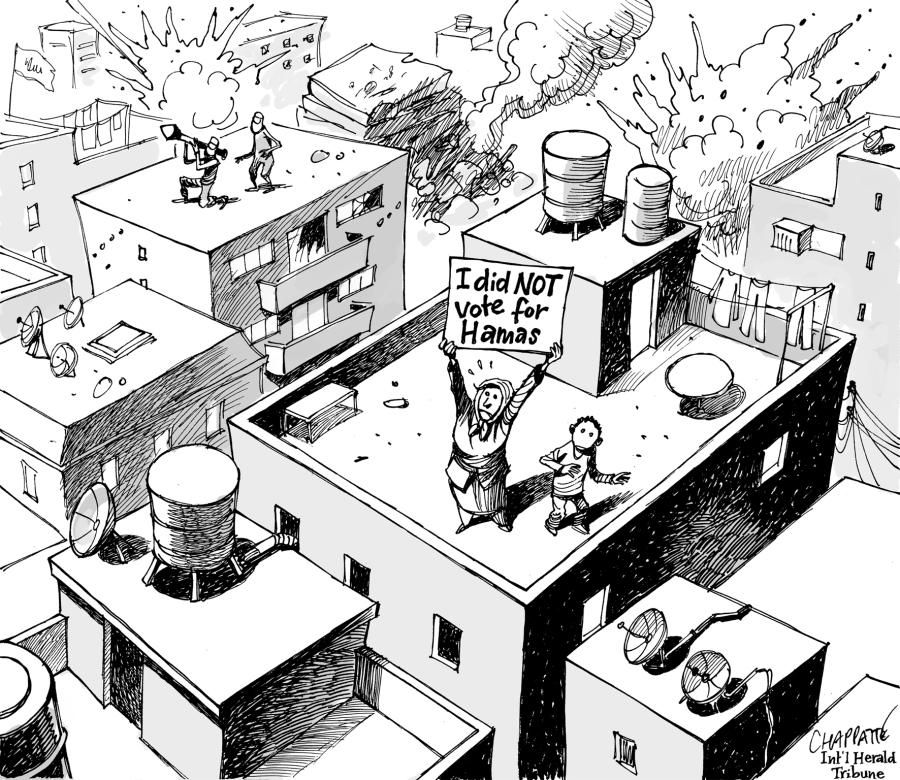
Propaganda further obscures the truth. The narrative that Gazans “deserve” their suffering because they elected Hamas in 2006 ignores key facts: only 8% of Gaza’s current population (given the median age of 18 and population growth) could have voted in that election, and no elections have occurred since. Collective punishment of civilians, including children who comprise 47% of Gaza’s population, is justified through this lens of collective guilt, a tactic reminiscent of historical genocides.
Prejudice and Moral Reasoning
Prejudice fuels apathy. In Western discourse, Islamophobia often leads to skepticism of Palestinian claims, even when supported by evidence from groups like Amnesty International or Human Rights Watch. For example, reports of torture in Israeli detention centers, corroborated by Palestinian Christians and secular activists, are dismissed, while IDF explanations face less scrutiny. This selective skepticism mirrors the antisemitic prejudice that enabled the Holocaust, where Jewish suffering was ignored or blamed on the victims.
The “utopian cost-benefit analysis” in Gaza is tied to ideological goals, such as fulfilling religious prophecies (e.g., Zionist visions of a Greater Israel) or ensuring Israeli security and long-term peace. These goals are presented as justifying extreme measures, much like the Nazi vision of a “pure” Germany or the Communist dream of a classless society. The logic posits that eliminating Hamas, even at the cost of civilian lives, will bring lasting peace. Yet, this ignores the disproportionate harm: 70% of Gaza’s casualties are women and children (UN data), undermining claims of precision targeting.
Addressing Counterarguments
Critics argue that Israel’s actions are defensive, targeting Hamas rather than Palestinians as a group. They point to Hamas’s use of civilian areas for military operations, which complicates urban warfare. However, the scale of destruction—leveling entire neighborhoods, as documented by satellite imagery—and the blockade’s impact on non-combatants (like the malnourished dying baby in the featured picture) suggest a broader intent. While Hamas’s actions are indefensible, they do not justify collective punishment, which violates international humanitarian law.
Others claim the genocide label is inappropriate because Palestinians are not being exterminated on the scale of the Holocaust. Yet, genocide does not require total destruction; the Rwandan genocide, for instance, killed 800,000 Tutsis in 100 days, and Gaza’s death toll, combined with deliberate starvation and displacement, fits the legal definition of targeting a group “in part.”
The Role of Silence
Silence enables genocide. In Nazi Germany, many who knew of the camps chose not to act, fearing repercussions or believing the propaganda. Today, those aware of Gaza’s suffering often choose apathy, swayed by prejudice or the promise of a greater good. This is not to equate all silence with complicity—some lack access to reliable information—but ignoring well-documented atrocities, such as those reported by the UN and NGOs, perpetuates harm.
Conclusion
Holocausts and genocides persist because societies allow them to, through denial, prejudice, and flawed moral reasoning. The situation in Gaza, with its systematic destruction and dehumanizing rhetoric, bears the hallmarks of genocide, enabled by global silence and selective outrage. To prevent history’s repetition, we must challenge propaganda, demand accountability, and reject the notion that any utopian goal justifies the sacrifice of innocent lives. Speak out, seek the truth, and act—because silence in the face of atrocity is a choice with consequences.
 Irregular Ideation