
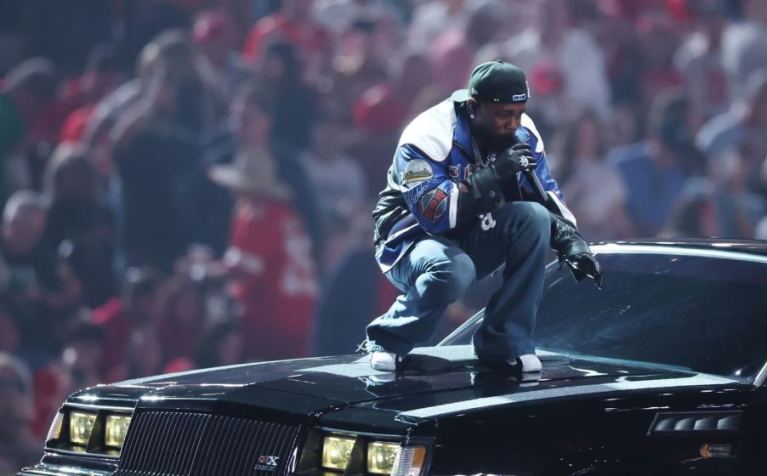
It has become a Superbowl tradition to hate the halftime show. The performance is a no win situation for the NFL, it is impossible to please such a broad audience. I’ll confess, probably revealing my age, that I really didn’t know Kendrick Lamar existed and nothing I saw convinces me to go buy his album. My overall reaction is basically, “Meh, another mediocre halftime show, what’s new?”
Now, should I start my critique with some deconstruction of themes or with some of my own lived experience?
Let’s do the latter.
Rebellion is part of the American cultural zeitgeist. From the throwing tea into the Boston harbor, in 1773, to women burning their bras in the 1960s and soot-spewing diesel pickups with obnoxious flags, we’re not going to take it—anymore! Basically, we’re a nation of rebels without a cause. If you tell us not to do something we’ll feel obligated to be defiant because “We got rights!” The “culture wars,” in this country, really all come down to whose big grievance with authority is most recognized.
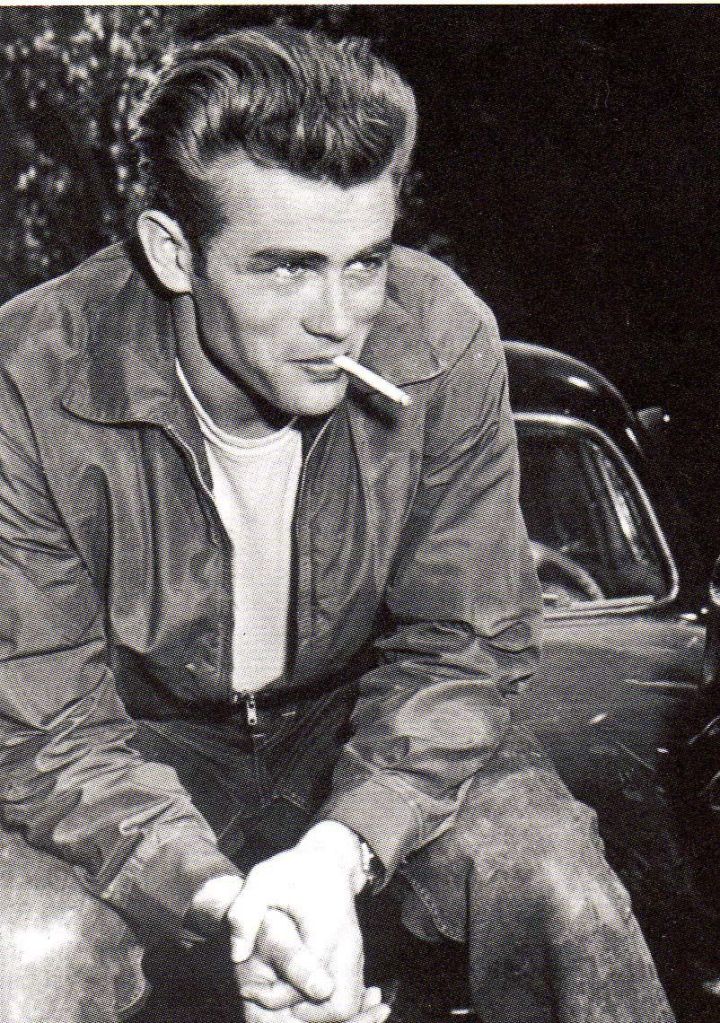
As far as the prior, I have been conscious of rap and hip-hop scene since “Hammer time” and seeing my middle school classmates turning their clothes inside out to be like Kris Kross. Yes, I was a sheltered, a part of the conservative Mennonite cloister, but would also end up sampling a lot of the popular music and had a special affinity for the harder stuff. Heavy Metal and Gangsta Rap appealed to me as a sort of alter ego. I had to be well-behaved—yet had pent up anger and could identify with any expression of existential angst.
The pinnacle experience, regarding the rap genre, was cruising through Compton with a former classmate, in his Mitsubishi Eclipse, while bumping to “California Love.” I had stayed relevant up until around the time when 50 Cent showed up and listened to Eminem as a sort of guilty pleasure—before he became a whiny Democrat shill. Ludacris, Cypress Hill, DMX, Kanye West (specifically “Jesus Walks”), Biggie and Tupac rounded out my play list. Never as a first choice, but always part of the mix or when I was in the mood to change things up.
So, approaching the halftime show, I’m an equal opportunity cynic and not moved by the moral panic on both sides. Nobody needs to love hip-hop music. You are not special if you love it—you are not special if you hate it. Announcing that it is the worst halftime show ever doesn’t make you better than claiming it is the best ever. We have our unique tastes, different preferences, and personal opinions. You’re not less racist if you like it nor are you eugenically superior for viewing it with total contempt. I’m unimpressed knee-jerk reactionaries on both sides. To me “the worst ever” people sound no different from religious folks who dutifully post “I don’t watch the Super Bowl” to virtue-signal to their peers—I suppose we all like reaching out to our own respective tribes for validation?
First thing I noticed that GNX shell on the stage. That 1987 Buick was a monster for it’s time, under the hood a turbocharged 3.8 liter V-6, and one of the few GM cars I have desired. It made me a bit sad when dozens of backup dancers emerged from the coupe and showed the classic wasn’t more than a hollowed out empty prop. Nevertheless, it was a good choice of vehicle, showed someone had decent taste.
My overall impression?
The flag choreography was cool.
Samuel L. Jackson played a funny role.
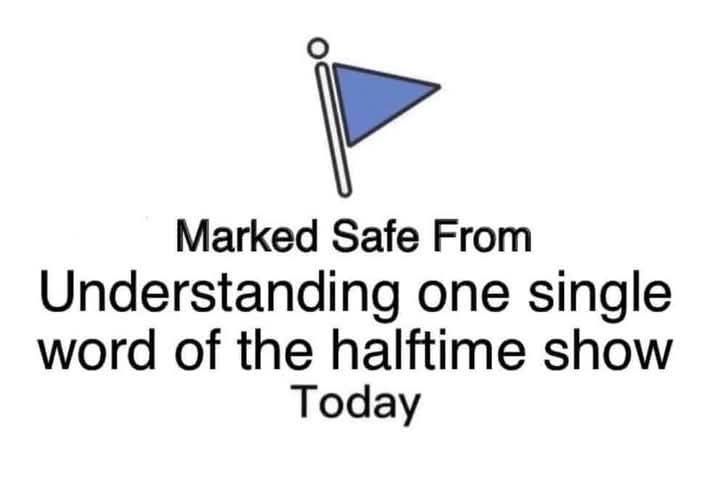
But the lyrics were muffled—difficult for me to decipher as someone who doesn’t listen to the ‘new’ stuff—and nothing really stood out besides the those things I have already mentioned.
I’ve learned later that there was a ‘diss track’ mixed in. Apparently this Lamar fellow has some issue with a Canadian rapper (yeah, I also think that those two words “Canadian” and “rapper” are hilarious together) named Drake. Which is what you call a male duck and may fit given ducks are promiscuous and aggressive. Who knows? But what I do know is that Mr. Canadian Duck dated one of the Williams sisters—Serena (or the more feminine one), and apparently things did not go too well?
Wherever the case, we have two grown men in a petty feud, both of them nearly in their forties, both multi-millionaires, sort of juvenile. Then again, we also had a guy named Donald Trump in the audience—and know the beef between him and a Canadian named Justin Trudeau. So, of all people, a MAGA voter should appreciate the art form. There’s also a reason why Big Don was so loved by rap artists prior to them finding out that he was running for office as a Republican. His ‘mean Tweets’ are basically a battle rap. I still say it was a huge mistake of the Democrats to label Trump a “convicted felon” and give him some real street cred.

An aside here: Rednecks are basically the country version of Ghetto. The two really should ‘get’ each other. I mean, these are the two groups that were, by far, the biggest reactionaries against the mask mandates. The rural resistance going to social media to announce to us, “I can smell ma farts through dem dar masks, y’all look dumb,” whereas the other busting a cap in the ass of any who dared (as part of their gainful employment) to “disrespect” them by asking to wear a mask or leave the store. So there is some real common ground. Unfortunately both are too bleary-eyed with alcoholism or general substance abuse to realize that they are being played against each other.
So, back on the halftime show, I thought it was a great trolling moment when Samuel L. Jackson, the parody Uncle Sam, exclaims “Too loud, too reckless, too ghetto!” Which is a dig at the very people who went online, the very moment the performance started, to voice their displeasure. It basically the same thing that the political establishment pearl-clutchers hate Elon Musk, and his new boss, Donald Trump, for doing. Yet, in this case, NPR will do a breathless review, to showcase this wonderful artistic expression, and the right-wing WWE crowd will bray in unison about how unsophisticated it is. Strange.
All that said, while there was a little bit of self-awareness in the act, it was not edgy or even fresh. Oh no, here’s another artist who is worth $150 million and somehow at odds with the world! Boo! Put Ye up on stage, at least then we would get a couple unscripted moments and a genuine controversy rather than a refresh of the same tired old tropes. Tell me again how the police harassed you for the crimes confessed in lyrics and how it makes you special. *yawn*
Hip-hop is mainstream. The self-declared king of the rap genre (who vastly undersells his rival) represents youthful rebellion only as much as those old prunes—called the Rolling Stones—did in their prancing on the stage a few years back. The presentation, overall? Just plain campy and unoriginal. Like the angry girl with pink hair or that disaffected guy who puts a Confederate flag on his wall. It is not counterculture, there was nothing really clever. To me it was about as exciting as the latest Britney Spears dance video and cry for help/attention. A demonstration of poor taste or trying too hard. Maybe that’s why I stopped listening to rap music? Just too much repetition of same old themes and not enough true revolution?

I mean, politics right now have more value as far as entertainment goes. Trump got shot, on stage, and his bars make actual world leaders squirm in their seats. Why settle for make-believe ghetto turf battles when you can gun for Greenland or claim a gulf for ‘merica?
I didn’t hate the halftime show. I just simply did not care. I spent the time watching with one eye and writing checks for my property tax bill. My thirteen year old son didn’t look up from his phone the entire time. Boring is what I saw. Other than that GNX and a flag formed from the dancers. Discussion of it is much ado about nothing. Those days of N.W.A. causing riots or Wu-Tang Clan being controversial are over. Unless you’re looking for the exit at a Diddy party, the menace that made rap rebellious is gone. This rerun is as dated as the car on the stage. The professional critics just can’t say that because they’re too busy trying to be relevant themselves.
And maybe that’s just the nature of things—the revolution eventually becomes the old news? The wild Anabaptists who burned a path through the cultural landscape of Europe became today’s Amish. Other than those three cages hung from St Lambert’s Church in the city of Münster, the place where the most extreme of these rebels were put on display, as an example, there is nothing to show of them in the old world. Likewise, having a Slayer patch on your old blue jeans don’t mean that you’re going to murder your family—it simply means that you’re over forty and clinging to the past when you were too cool for school.
As for the halftime show whiners, complaining when the NFL—what do you really want?
Taylor Swift?
 Irregular Ideation