From Tribal Vengeance to Universal Justice: In Pursuit of One Higher Standard 

Standard

The default position for most people is some form of tribal ethic. If it is done to them or their own family by another tribe it is a horrendous and terrible crime. But, when only those in another tribe are hurt or if they are afraid that confronting the abuse will hurt their own tribal agenda—then suddenly the unforgivable becomes a “Who cares, everyone does it, why are you bringing that up again?”

Tribal ethics amount to doing only what is good for the tribe—usually sacrificing the rights of an individuals in the tribe and always denying the basic humanity of those outside of the tribe. Individual rights of those in the tribe are generally honored, but only so far as protecting them is useful to the collective and not as something that is absolute or immutable. If a few die for sake of the tribal order—are stoned to death for daring to pick up sticks on the Sabbath—that’s just how it is.

The Old Testament is full of this. Your own are completely free to enslave, rape or take from those outside the tribe and yet would be enraged if one of their own were treated in the same way—like when vengeance was taken by Dinah’s brothers who wiped out a whole city for sake of the family’s honor. If it were within the tribe the attitude would be quite a bit different. Under Moses law this was simply a matter of paying the price of the bride and not a death sentence. And it is clear that things morally abhorrent by a modern standard, like genocide, were done by the command of God.
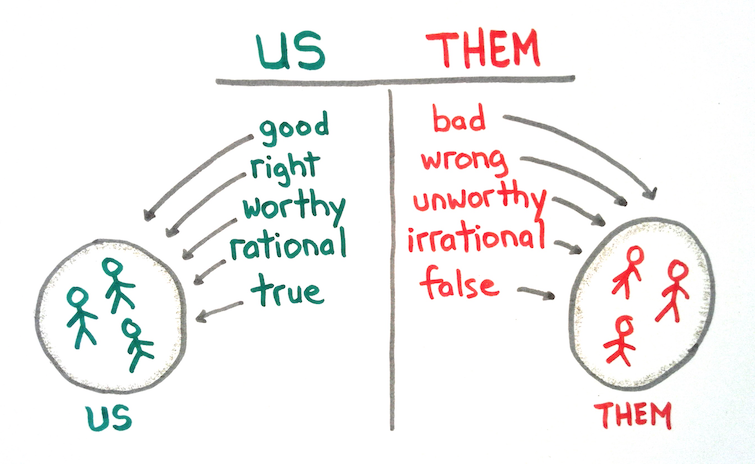
Tribalism is a feature of politics, a natural or default condition, where we defend our own and demonize the other. To the left Charlie Kirk deserved to die for his sins of hate they claim were harmful to their woke collection of identities. The Evangeli-cons soak up the propaganda from Israel that paints children in Gaza as future terrorists. We protect the people most like us because and adjust our moral rules according to the situational and immediate needs of our tribe.

A Case For One Higher Universal Standard

But a Christian ethic is completely different from this. It says sin is sin.  Evil is evil no matter who is committing it or who it is against.

And, if anything, those who are in the church, who profess their faith in Jesus, should be held to a much higher standard. There is no room for favoritism (James 2:1, Romans 2:11) or carving out exemption for elites or even our friends and family. Jesus said to love our enemies (Matt 5:44, Luke 6:27) and even ‘hate’ our own family (Luke 14:26) if necessary to truly be his follower. Even our thoughts subjected to a standard of love and forbearance.

Jesus didn’t get hung on a cross for saying cutesy stuff that is easy to do. And I really do not expect anyone to live by that code. It requires actual faith and a true belief Jesus is what he said he was to make sacrificing ourselves for his ethic reasonable:

Do not repay anyone evil for evil. Be careful to do what is right in the eyes of everyone. If it is possible, as far as it depends on you, live at peace with everyone.  Do not take revenge, my dear friends, but leave room for God’s wrath, for it is written: “It is mine to avenge; I will repay,” says the Lord. On the contrary: “If your enemy is hungry, feed him; if he is thirsty, give him something to drink. In doing this, you will heap burning coals on his head.” Do not be overcome by evil, but overcome evil with good.

(Romans 12:17-21 NIV)

But even if you don’t truly believe in a future eternal reward or God, there is a reason why universal morality is better than our default tribalism. And that is an idea of what goes around comes around. Sure, you might not care about someone else’s daughter being sexually exploited by wealthy and powerful men—most especially if they are furthering your partisan political agenda—and yet we want to have a society where there’s justice or the injustice will eventually spread to us.

This is the big difference between my own understanding and the one that is far more popular: Good and evil never change on the basis of who is doing it or if I benefit. If it is wrong for the neighbor to kill my dog under most circumstances it is wrong for me to kill theirs. And if I (or one my own) start to act with impunity—are continually forgiven for things others are always condemned for—eventually this will piss off enough of the ‘others’ that they’ll dish out their version of justice against their abusers.

The Fallacy of Judeo-Christian Values

Evangeli-cons want the world to forgive for all their infractions and yet never forget if a victim fights back against their aggression. It is the very opposite of what Christ taught and anti-Christ. Jesus would likely warn us that how we judge we will be judged and the measure we use will be measured back to us. Which should make us tremble when we consider the slaughter and razing to the ground of Gaza using bombs we provided—there will be no call for mercy on the behalf of those who claim that young children are terrorists so they can kill them:

We are imposing a complete siege on Gaza. There will be no electricity, no food, no water, no fuel. Everything is closed. We are fighting human animals and we are acting accordingly.

October 13, 2023, Isaac Herzog, President

Just as it is clear that the right wing was right, today everyone says it is clear all Gazans must be annihilated… There is no logic in differentiating between uniformed [Hamas] and the rest of the inhabitants there.

September 2025, Moshe Saada, Likud MK

Every child born in Gaza is already a terrorist, from the moment of his birth.

January 15, 2024, Nissim Vaturi, Likud Deputy Speaker

And they were stating their genocidal intent long before October 7th:

Huwara needs to be wiped out. I think the State of Israel should do it… Water, electricity, and food must be cut off from the Gaza Strip. Those who do not die by bullets will die of hunger.

February 2023, Bezalel Smotrich, Finance Minister

This shows the absurdity of what is called Judeo-Christian values. Tribal logic says it is okay to kill man, woman and child of the rival so we can take the land for ourselves. Whereas Christian morality calls for all to be saved (1 Tim 2:4, 1 Pet 3:9) and erases the boundaries of tribal identities based on gender, race or social status. It is the polar opposite of having a chosen people with a license to take and kill. Jesus offended his ‘righteous’ ethnic audience by saying that a pagan had greater faith than all of Israel. To embrace this radical ethic is to reject the tribalism that fuels division and violence, choosing instead a universal justice that holds all accountable and protects all, not just the chosen few. Only by abandoning the hypocrisy of tribal loyalty can we hope to build a world where the measure of our judgment does not return to condemn us, but instead fosters a shared humanity that is grounded in love of Jesus.

A Fundamentally New Way of Thinking

The Christian ethic really is a total reversal of fundamental attribution error. It is easy to attribute what others do to us to a matter of their immutable character, they’re just evil and irredeemable, therefore do not need to be heard or understood. But for our own or ourselves we tend to blame only the circumstances and call it a mistake—one of those forgivable offenses. The reverse is to never make excuses for our own while also showing grace to those who offend us.

When someone cuts us off in traffic is it because they are a terrible driver? Or did they just have a bad moment? Or if we do the same, is it truly just an isolated incident or is our confirmation bias simply forgetting all of those times we transgressed with an “oops, sorry!” Reversing our fundamental attribution error is simply to apply grace we give to ourselves to others. It is, at the very least, to apply the same standard we do for ourselves as we do to others.

When a person of our own tribe does some kind of horrific deed, do we dismiss this as not representing us as a whole? Maybe we justify it? When the US Navy shot down Iran Air Flight 655 flying a routine route over the Strait of Hormuz, back in 1988, and killed all 290 on board—the US didn’t even apologize and, adding insult to injury, gave medals to the crew that did it! That is tribalism and is how fundamental attribution error works. If Iran did the same the US population would be calling for our military to turn the whole country into a smoldering ruin.

But the Gospel of Jesus Christ starts with a call for repentance. Repentance being an inward turn where we identify and confess our own faults rather than hide them behind rationalization or claims that our hand was forced by the other side. And, finally, after this deep introspection, we show the fruits of a changed spirit by showing the grace we have been shown to even those who we feel are most underserving. A true Christian will strive to love their worst enemies while also holding their own to a high standard.
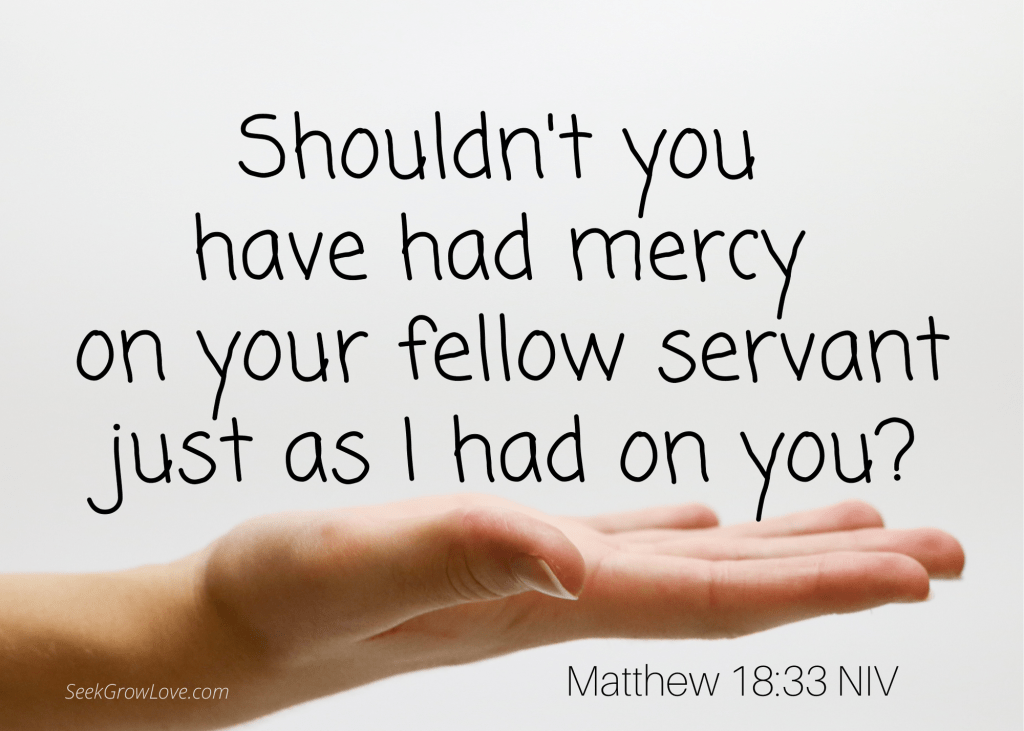
If we want forgiveness of our sins we must show mercy and forgive others.

Evangeli-cons want all grace for themselves and yet give none to the enemies of their ‘Christian’ empire. They don’t want sins of some in their midst to count against them, they will deny the inconvenient violence of those on their side politically, but then make the whole left or all of Islam responsible for everything ever done by one of their own. It is a tribal ethic that has nothing to do with a Jesus of repentance. Or a spirit of grace to others that exists in those who understand their place before God.
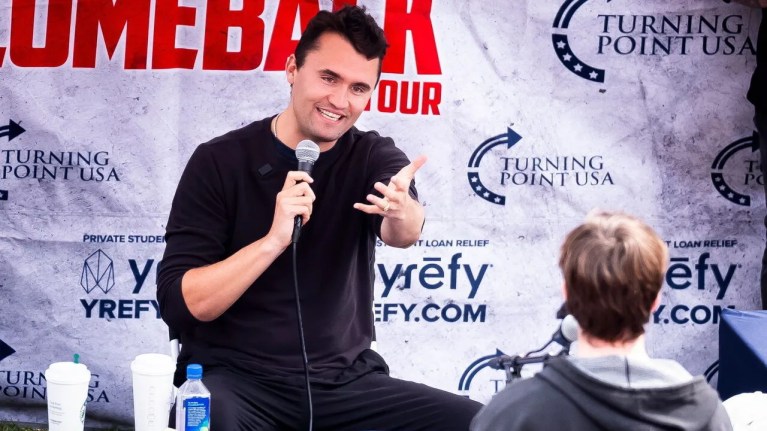
The Pendulum Swings: Charlie Kirk and the Turning Point of a Nation

Standard

Watching my son’s football game, it felt as if there was an inflection point. The game got off to a rocky start—their offense stumbled on the first drive, the defense gave up a score, and that was the story of the first half. But in the second half, the game’s momentum changed—the defense sparked a three-and-out, their offense finally got on the board, and it was a whole new game. Even luck tilted in their favor, unlike the first half.

So what happened?

How does a team that gave up eight points rally to score fourteen in a comeback?

An inflection point is a change where it feels as if a giant pendulum has swung, reached a peak in one direction, and shifted to a new or opposite course. The momentum shift may become clear only afterward, but often it’s something detectable in the air—an event or palpable shift in attitude that changes the entire complexion. In the game, it could’ve been a small adjustment by the coaches or simply an opportunity to reflect on mistakes and correct them. It could be that the ball broke in the right direction, a matter of probabilities, with the change mostly an illusion. But football is an emotional sport, and even dumb luck can inspire better play from everyone.

We also witnessed a similar shift during the presidential election. Biden was apparently leading in the polls (if such things are to be believed), and then Butler happened. The event came after the disastrous first presidential debate, where Biden clearly was not as advertised, yet it was the image of defiance—“fight, fight, fight”—that sealed the deal. Elon Musk saw this as reason to put his full weight behind Trump, and with a few McDonald’s drive-through moments and photo ops with garbage trucks, the greatest upset win since 2016 was complete.

Love him or loath him, Butler should have been a warning shot for the left—trying to kill your political opposition only makes them stronger and Trump won with a younger browner vote.

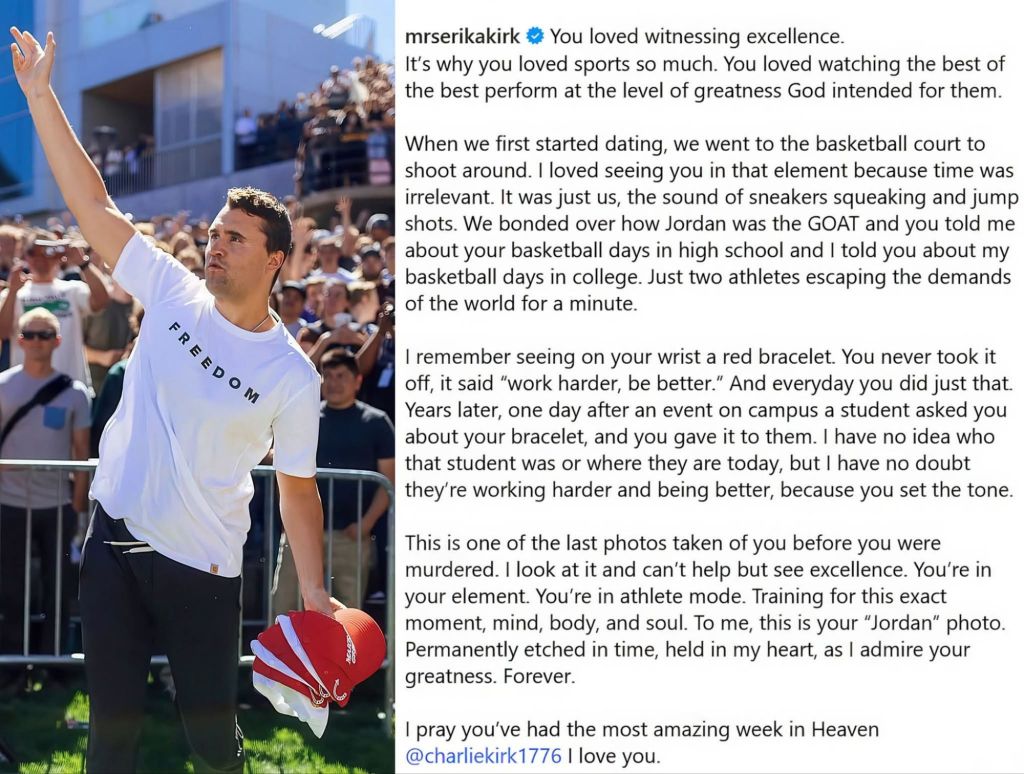
The paragraphs above were written before the murder of Charlie Kirk. Over the past few days, he went from the “prove me wrong” guy debating college kids to the center of a national debate. Since his death, there has been a groundswell of support. As those on the left reveal themselves through celebrations of his death and mockery, Kirk’s Turning Point organization has been flooded with 54,000 requests for new chapters at high schools and colleges. His death is a catalyst, much like the two assassination attempts against Trump, and a potential inflection point in the national conversation.

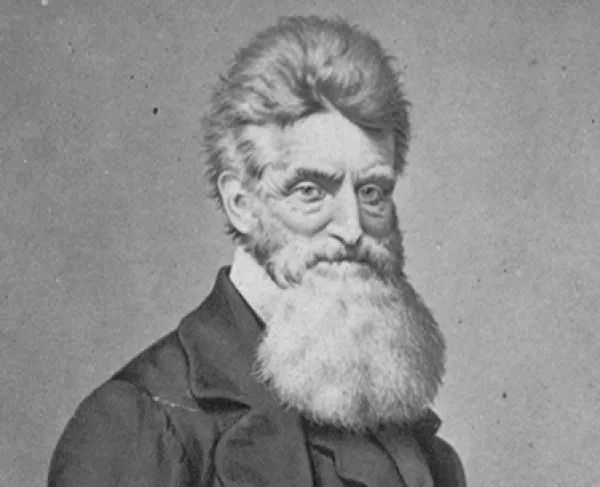
Before the U.S. Civil War officially began, there was an early attempt to free the slaves. John Brown, an evangelical Christian, believed he was on a mission from God to end slavery in the U.S. and led an insurrection that ended with a raid on a federal armory at Harpers Ferry in October 1859. Even before this, the issue of legal slavery had resulted in violent confrontations. In 1837, the abolitionist Elijah Parish Lovejoy was shot while facing down a mob of pro-slavery vandals who were attempting to destroy his printing press. This event sent shockwaves through the U.S. and galvanized John Brown to publicly declare:

“Here, before God, in the presence of these witnesses, from this time, I consecrate my life to the destruction of slavery.”

John Brown fired the opening shots of civil war, his fierce opposition to slavery inspired by the murder of abolitionist Elijah Parish Lovejoy.

As a writer, I do not create the sentiment of my audience. I merely put into words what other people are thinking or help them organize their thoughts. In other words, if it resonates, it is only because I’ve stated something they’ve already noticed. It also emboldens—when people realize they are not alone in what they see—which is how regimes fall. When people know that others share their understanding and are given a means to articulate it, all it takes is a little push to turn popular sentiment into decisive action.

Synchronicity is one way to describe this. I have often observed many of my friends—likely tuned into similar sources and sharing the same basic assumptions—simultaneously reach an identical conclusion in response to events.

The assassination of Kirk is a moment that galvanizes. It has starkly illustrated how far apart the two partisan sides have become. Some celebrate the murder, spewing vile hatred for a man who was truly a moderate with views similar to those of many Americans. Others are rightly appalled, realizing there is no reasoning or unity with those who believe disagreement deserves a death sentence—that Kirk deserved the bullet.

In a civil society, matters can be debated. If a person says things we don’t like, we still honor their human rights and show respect despite disagreement. But to those on the far left, a statement of fact or an opinion they hate is declared “hate speech,” and saying it out loud constitutes a crime of “spreading hate” that deserves death. This is not an embellishment—a direct quote: “Let this be a lesson to all those conservative freaks, all those weirdos… you’re next in line.” This is a threat we must take seriously when the other side laughs and mocks Kirk’s death—they are not like us.

This is an inflection point, one of those culminating moments where conservatives are independently reaching the same conclusion, and a movement can become galvanized. It will arm Trump to crack down on Antifa and the left-wing in ways he could not have before, with the critical mass of public support he needs.

Freedom of speech doesn’t mean people must associate with you.  I’ve never seen the ‘right’ react with such energy before.

In reality, Charlie Kirk wasn’t an extremist leading anything; he represented the quiet majority who are still able to appreciate the difference between men and women and who want laws applied equally for the protection of all Americans—not favoritism or special preferences for some based on identity or political ideology. They are Charlie. He did not radicalize anyone. All he did was try to explain his perspective and articulate what many believe. But he will now be a rallying cry—like the death of Lovejoy that led to John Brown’s vow—that point in a conflict where the tolerance has been exhausted and it is necessary for the sane to make a stand.

Even for me, as someone who attempts to stake out a position independent of both popular sides, I must go with the side least likely to kill me as a default. There’s nothing I share in common with those who are gleeful and cracking jokes about a man deliberately killed in front of his fans, wife, and young daughters. Cheering for domestic terrorism cannot be tolerated. The backlash against those who couldn’t show civility even after a man’s murder will be a turning point, like the momentum shift in a football game—the people are done playing nice with these monsters.

RIP Charlie Kirk

State of Hasbara: Unveiling Opportunism in the Crises of 9/11, Iraq, and October 7th

Standard

I’m not a big conspiracy theory guy. 

What I mean by that is that I don’t see everything as orchestrated or part of a secret global plot.  I believe accidents can happen and that people can do terrible things unaided or completely of their own volition.  But, all that said, I also believe that the rule “never let a crisis go to waste” is not an invention of Rahm Emanuel. 

Political opportunism is rampant on all sides.  And then there’s the just plain letting something bad happen to use for advancing agenda.

What I’m about to detail is all verifiable facts and not conjecture.  I’m just going to lay it out then let you reach your own reasonable conclusions.  I’ll also prime this topic with a response to 9/11 that has made less sense in retrospect and that is the invasion of Iraq that followed.  Saddam Hussain was not at all involved in the attacks.  The war cost the US trillions of dollars, 4,419 Americans lost their lives, 31,993 wounded, and that is not to mention the Iraqi losses.  We traded that much blood and treasure for claims of there being WMDs—which our government knew were mostly or completely destroyed.

So what was the actual reason for regime change in Iraq?

But, before we answer, let’s get to some of the facts on 9/11.  And, again, I’ll stick only to what is verified and not speculate beyond what is very easily corroborated with videos and news articles from the time.  This is all things known according to official records, eyewitness accounts, and confessions on foreign television.

While the rest of the country watched 9/11 unfold in horror, five men were seen filming the burning World Trade Center towers from a white van, they were seen high-fiving, and appearing jovially celebratory from the New Jersey side.  Their behavior was so totally alarming, and in contrast to what one may expect seeing the US under attack and with people literally being forced to jump to their deaths that a concerned citizen reported it to authorities.

Trump said Muslims were celebrating in Jersey City.  Not true.  What he should have said is Mossad.

Later in the day the van was stopped by the police and these five men, Sivan Kurzberg, Paul Kurzberg, Yaron Shmuel, Oded Ellner, and Omer Marmari—dubbed the “Dancing Israelis”—were arrested.

These Israeli men were employed by Urban Moving Systems, a company that was also owned by Israeli national, Dominik Suter, and the men possessed items like $4,700 in cash stuffed in a sock, they carried multiple foreign passports, maps highlighting New York City, and a box cutter like those used in the 9/11 hijackings, further FBI searches of this firm’s Weehawken offices uncovered a fraudulent operation with minimal evidence that it was a legitimate business.  Add to it, 16 seized computers, and reports of anti-American sentiment among staff, including boasts about subverting U.S. media. Suter’s abrupt flight to Israel just before a second FBI interview, abandoning the premises with client property and phones left behind, only amplified suspicions.

Perhaps most damningly, in a 2001 Israeli TV interview on LaHadashot, one of the five men, Oded Ellner, chillingly stated they were placed in the U.S. specifically “to document the event,” a strange phrasing implying their prior awareness of the impending attacks.  Which the FBI could not conclusively prove or disprove despite the months of detention and polygraphs, such led to the speculation—backed by a 2002 Forward report citing U.S. officials—that at least two of the five Israelis were Mossad operatives using the firm as a front.  And officially to keep tabs on Arab extremists.  I’ll let you judge if that is just a cover story or the truth.

Why we would ever believe him again, after the Iraq WMD lie…

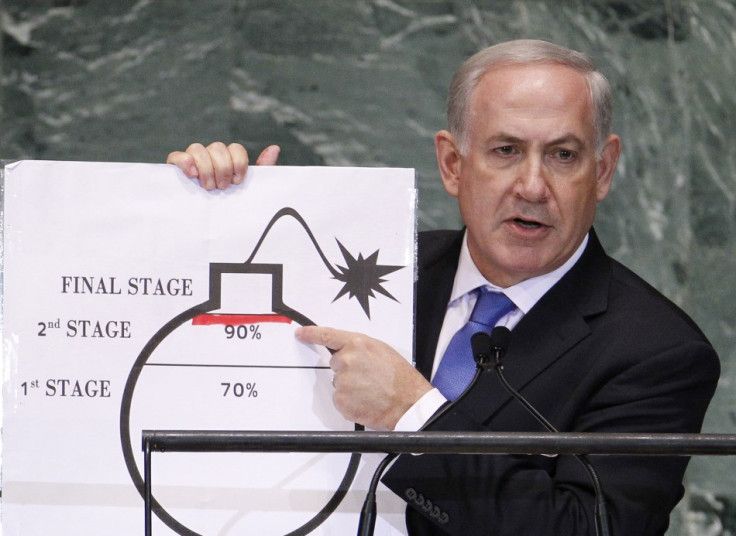
Enter Benjamin Netanyahu.  The day after the attacks, he was quoted in the NY Times as saying “it was very good” before he corrected himself and explained what he meant is that it would “generate immediate sympathy” that would benefit Israel.  And it was a year to the day after this that he was pitching a war with Iraq to Congress, calling himself an “expert witness” and warning the legislative body of something that sounds so awfully familiar:

“There is no question whatsoever that Saddam is seeking, is working, is advancing towards the development of nuclear weapons—no question whatsoever.”

Netanyahu continued his case:

“If you take out Saddam, Saddam’s regime, I guarantee you that it will have enormous positive reverberations on the region.”

There was zero evidence found to support Netanyahu’s dire warnings about WMDs.  I will let you decide if regime change in Iraq was an amazing success that has only led to peace and prosperity for the region.  But 9/11 was used as an excuse to invade Iraq and Netanyahu was cheering this on—much like the Dancing Israelis.  None of this says for certain that Mossad had foreknowledge or withheld vital intelligence so the attacks could continue and draw the US into Israel’s conflicts.  But we did spend trillions for a war that did absolutely nothing to advance our national security interests.  

And then there’s October 7th.  Netanyahu has called this Israel’s 9/11 and maybe this an admission.  Recently, before his untimely death, Charlie Kirk made an observation in a discussion with Patrick Bet-David about the incredible security perimeter around Gaza and surveillance, expressing disbelief that it could be breeched and openly pondering if an order given to stand down.  This, wasn’t just speculation.  Israeli intelligence had the Hamas incursion plan a full year before and didn’t act, according to the New York Times, and on the night of the attacks former IDF guards have said they were told not to do their routine patrols.

So was the terrorist attack on 9/11 allowed to happen to generate sympathy to later be exploited to further Netanyahu’s agenda as far as Iraq?  And as an order given to stand down on October 7th, likewise, benefits the ultimate aim of Likud which is written in the original 1977 party platform, “between the Sea and the Jordan there will only be Israeli sovereignty.”  Prime Minister Yitzhak Rabin, the first Israeli Prime Minister born in what had been called Mandatory Palestine, was assassinated by a radical Zionist settler for seeking a peaceful resolution.

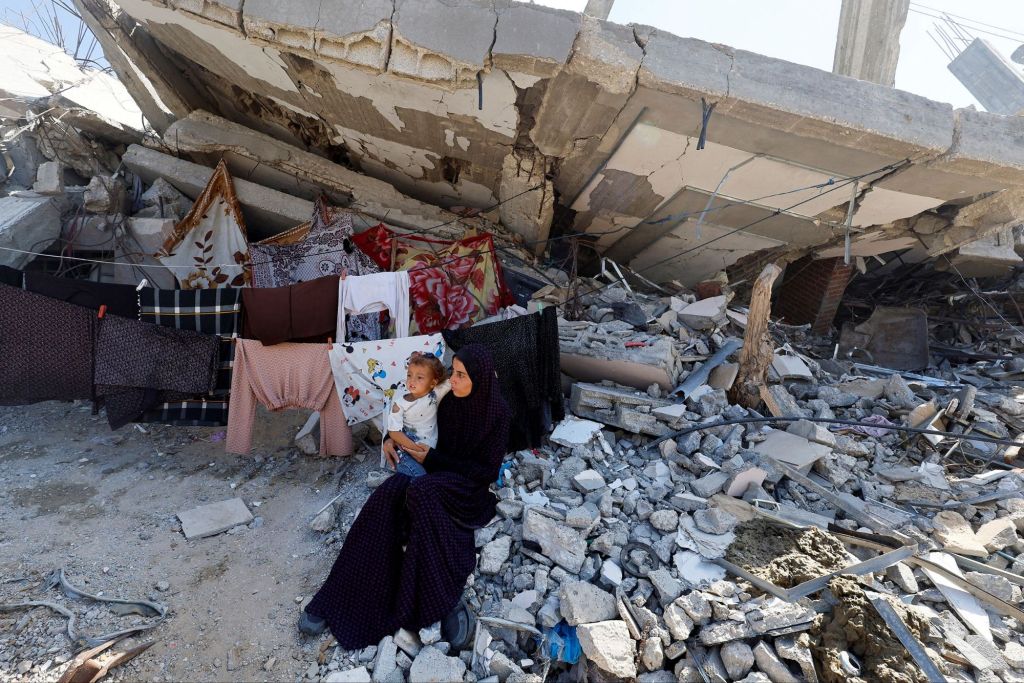
Maybe some see terrorists.  I see a mother and a child, their lives as important as any other.

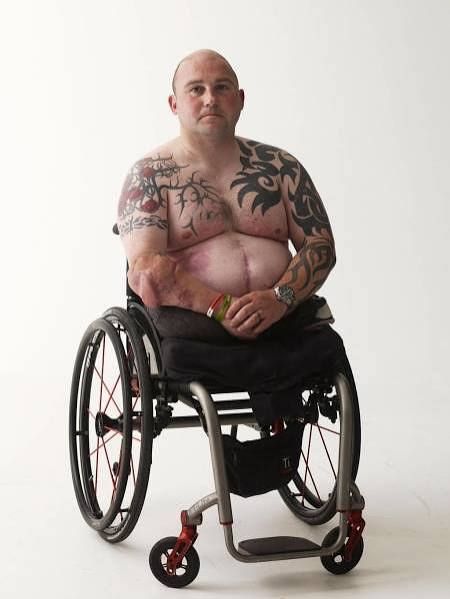
Israel brazenly attacked the USS Liberty for reasons never appropriately explained.  The Lavon Affair exposes a level of deception and indifference to civilian casualties that shocked the international community—only surpassed in Gaza now the child amputee capital of the world with bombs paid for by the US taxpayers.  Do we really need to speculate—with all of the facts above—if the Netanyahu regime is willing to sacrifice a few American lives in pursuit of their regional or political ambitions?  With calculus as cold is there any limiting factor?

The recurring exploitation of crises like 9/11 and October 7th, paired with a history of deceptive hasbara, casts doubt on the credibility of official explanations, urging us to further scrutinize the manipulative tactics of those who may prioritize self-serving agendas over truth.

From False Flags to Fortress Minds: The Politics of Fear

Standard

We don’t see things as they are, we see them as we are.

Anaïs Nin

In today’s world, discerning what is real from what is manufactured is a formidable challenge. Suspicion abounds, particularly among the political right, that groups like Patriot Front—openly fascist—are not grassroots movements but rather orchestrated operations, possibly by federal agencies. The MAGA base can’t even spell the word “fascism” let alone embrace it as a guiding philosophy.  Yet, this suspicion fuels the leftist “anti-fascism” narrative, which is wielded as a justification for aggressive tactics and bullying.

Fear is a potent tool for control, and political operatives exploit it to manipulate public sentiment. When voter turnout wanes in critical demographics, staged provocations—such as groups wielding tiki torches to “Unite the Right”—can galvanize a larger, more powerful group into action. These events often attract a few genuine extremists, but their true purpose is to provoke a broader reaction.

A pony motor.

This strategy mirrors the “pony motor” in early diesel engines, where a smaller gasoline engine was used to heat and start the larger one. Similarly, false flag operations—whether orchestrated or permitted—serve as catalysts for sweeping agendas, such as justifying military invasions of countries or enacting restrictive laws. While I’m not convinced that 9/11 was a government-orchestrated plot, evidence suggests some knew in advance and that it was exploited to advance a wishlist of wars against unrelated nations and to pass laws that would not have prevented the attack. This reflects the mechanics of how to “manufacture consent” in our modern democracies—where fear is leveraged to unify and control populations.

The creation of a common enemy is a time-tested method for fostering unity. During the Cold War, the specter of communism was used to rally the public. After the Soviet Union’s collapse, Islamic terrorism became the new focal point. The 9/11 attacks, likely executed in part by Osama bin Laden’s organization, were real but were exploited to amplify fear. Domestically, this pattern persists: Democrats emphasize the threat of right-wing extremism, while Republicans fixate on “wokeism” and DEI initiatives. These are deliberate strategies, rallying points designed to consolidate support. Even more effective is provoking hatred from opponents—forcing one’s base to fight for survival and justifying the consolidation of power.

What do you think the point of The Handmaid’s Tale really is?

We Create Our Own Enemies

This dynamic extends beyond politics into cultural and religious identities. Jewish identity, for example, is partly shaped by what’s known as “Masada syndrome,” a collective memory of the Jewish defenders at Masada in Roman Judea (later renamed Syria Palaestina in 135 CE), who chose suicide over captivity. This narrative of the siege mentality is reinforced during the Passover celebration with texts proclaiming to the faithful, “In every generation, they rise up against us to destroy us.” Such beliefs foster an “us against the world” mentality, where hatred is seen as inevitable, reinforcing group cohesion.

Similarly, in the Anabaptist tradition that I grew up in, the reading of Martyrs Mirror cultivates a persecution complex. Likewise, Kanye West’s controversial remark about slavery—“When you hear about slavery for 400 years… that sounds like a choice”—touches on a deeper truth about locus of control. As my mother would say, “You can’t stop a bird from landing on your head, but you can stop it from building a nest.” Paranoia and defensiveness can alienate others or invite their suspicion, while believing you’re inherently excluded can lead to antisocial or even criminal behavior. It’s as if we seek to validate the fears that define our identity.

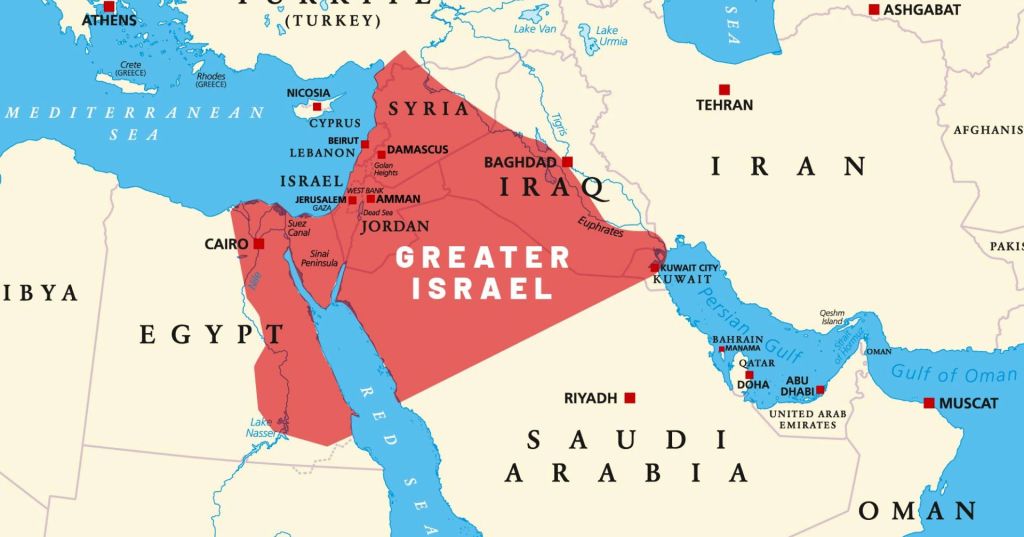
This pattern is evident in contemporary conflicts. Hamas, for instance, was probably willing to sacrifice innocent lives in Gaza to highlight the Palestinian plight—anticipating Israel’s brutal and disproportionate response. Yet, why does Israel fall into this trap? One possibility is that it aligns with certain political goals. Israeli Prime Minister Netanyahu, facing corruption charges, may benefit from war as a distraction. The Likud party’s vision of a Greater Israel—encompassing Palestinian territories, Jordan, and parts of Saudi Arabia and Egypt—could also be a factor. Some speculate this violence is a deliberate provocation to unify Jews through fear, and possibly tied to messianic expectations.

Netanyahu is a Revisionist Zionist, this is their long-term plan.

This self-fulfilling prophecy is reflected in online discussions, such as an Israeli subreddit where users lament being hated globally. They attribute this to irrational antisemitism, dismissing the role of the Israel Defense Forces’ actions, such as killing children, which fuel international outrage. This mindset—“They’ll hate us regardless, so we might as well give them a reason”—makes them vulnerable to exploitation by corrupt leaders like Netanyahu.

Breaking the Fear and Control Cycle

The fear of the Lord is a fountain of life, that one may turn away from the snares of death.

Proverbs 14:27 ESV

We must guard against siege mentalities like Masada syndrome. By convincing ourselves that the world is inherently against us, we risk acting in ways that bring about the very persecution we fear. Focusing on external threats to define our identity can lead us to become what we dread, fulfilling a prophecy of our own making due to our own unacceptable actions. 

Breaking this cycle requires rejecting fear-based narratives and fostering a sense of agency over our own actions and beliefs.

To guard against exploitation, we must shift our focus from the fear of man to the fear of God.

Human fears—stoked by manufactured enemies and self-fulfilling prophecies—keep us trapped in cycles of division and control.  A reverent fear of a perfect moral agent beyond us offers a higher perspective, grounding us in principles of justice, compassion, and accountability. By prioritizing a divine wisdom earthly manipulation, we become less susceptible to the provocative tactics of those who thrive on our fear, fostering a resilience that unites rather than divides. Establishment of this spiritual foundation empowers us to reject their deadly paranoia and act with clarity, so we break free from those divisive narratives that political systems use exploit to consolidate power.