
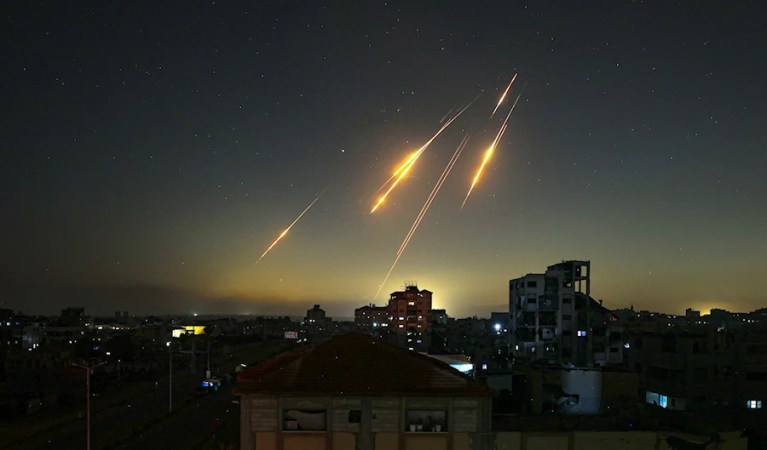
Recently, in remarks defending his aggression, Israeli Prime Minister Benjamin Netanyahu—quoted historian Will Durant to declare “history proves that, unfortunately and unhappily, Jesus Christ has no advantage over Genghis Khan” because if you are strong enough, ruthless enough, powerful enough, evil will overcome good and aggression will overcome moderation—laid bare a stark moral inversion.
In this view, the teachings of Jesus represent a path of weakness, losing, while the conqueror’s ruthlessness ensures survival. The modern state of Israel, in its actions and rhetoric, often seems to embody this reversal of means: where the New Testament calls for love, the response is enmity; where it urges mercy, the strategy is application of overwhelming force; where Jesus promises a blessing to the meek, Israeli’s power is pursued through dominance.
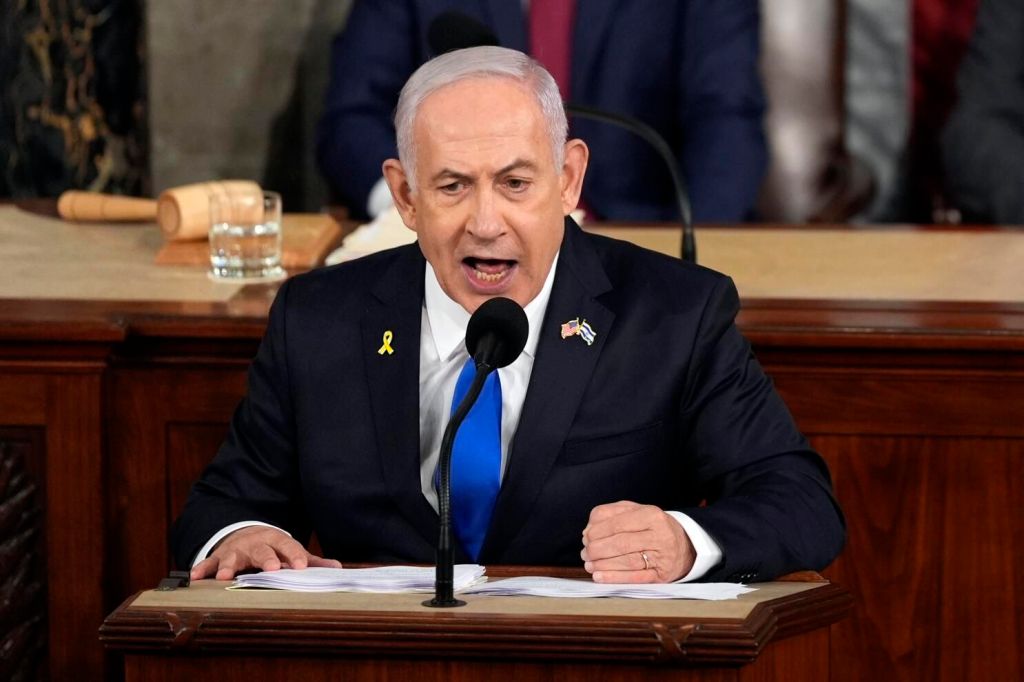
If the Gospel says to love your neighbor, policies build barriers and displace. If Jesus commands turning the other cheek, retaliation escalates. If it blesses peacemakers, the calculus becomes one of preemptive attacks over moderation. And the Sermon on the Mount teaching and example of Jesus is treated not as a blueprint for life but as a cautionary tale for losers—nice ideals unfit for a world where barbarians crash the gates unless you become the stronger barbarian first.
Many professing Christians appear to accept this pragmatic dismissal of their Lord’s teachings in the “real world,” but I believe those teachings—if sincerely and universally applied by the faithful—would bring profound benefit even to ordinary people caught in wars, the soldiers and civilians alike.
But how would this look in practice?
I decided to arrange the teaching of the Gospel into a series of logical gates on a pathway of escalation-reversal which will lead to a new systemic reality:
A. Repentance: The Changing of Our Own Individual Perspective
1) The Golden Rule (Empathy): We must see things from our ‘enemies’ perspective. Why are they actually doing what they’re doing? This is a step that requires looking past propaganda and prejudice to find the grievance, then stop to think how we would respond if we were facing similar circumstances and then adjust accordingly. If we don’t want our own city bombed—then the logic of bombing theirs will immediately collapse.
2) Loving Your Enemies (Humanization): If we start to see a neighbor in our opponent rather than some negative label (terrorist, liberal, rats, etc) we’ll be less inclined to be in favor of just incinerating them and their families. This makes us more immune to the wartime propaganda that caricatures and demonizes opponents as being something less than us. Love is to see them as being human rather than aliens. The ‘enemy’ is someone’s brother, uncle, husband, father or friend—can you at least love those harmed by violence against them?
B. Restraint: Being Deliberate Rather Than Reactionary
3) Turn the Other Cheek (Non-retaliation): This is the one that goes most against us and probably where I would get the most resistance from Evangeli-cons. At the very least it is prudent to count the cost of the response in kind (Luke 14:28-33) and ask if we can afford to go down the path of tit-for-tat violence. A tactical pause can be beneficial if only to avoid a trap. Many believe that the path to dominance is by meeting every provocation with an aggressive response. But this may be exactly what the other side anticipated; they expect you to flail wildly, overextend, and give them the opportunity to expose your true character to others. There is special power in non-response—employment of a Machiavellian strategy of not letting others set your tempo—to stay in control and dominate on another level.
4) Putting Away the Sword (Disarmament): Saber-rattling is a go-to intimidation tactic, the idea of putting on displays of military prowess to deter an opponent. However it does not usually work as a long-term plan. If you wave a gun in someone’s face you’ll be more likely to start an arms race. People don’t like to be humiliated. Drawing a weapon will create a feedback loop that may truly only increase the threat. The U.S. war machine dropped nukes on Hiroshima and Nagasaki in the thinking this would back down the Soviets—it only led Stalin to prioritize the building of their own nuclear deterrence.
C. Try a Little Diplomatic Engagement
5. Overcome Evil with Good (Reframe the Conversation): Dropping bombs is fun. It can be very satisfying to see those who we have been led to believe’deserve it’ squirm under pressure. But this is a path of mutual destruction. It makes a whole lot more sense to turn the competitor into a partner with a peace offering: “Hey, so we are sorry we overthrew your democratic government to help BP steal your oil—here is the money we owed you from that defense contract which fell through!” It is difficult to harbor ill will towards someone who is actively doing nice things for you. War is expensive.
6. The Peacemaker (Mediator): It is much easier to stay on the sidelines or to take a side. Everyone says they want peace, to avoid wars, and yet few are willing to build the bridge. As the saying goes “if there’s a will there’s a way” and making peace is a matter of will. It may take a little extra effort and risk, yet peace pays dividends. War is a very costly affair both in terms of men and material—finding a way to unravel a conflict before it blows up is a win-win for all but those war profiteers
D. Mission Accomplished: Building a New Reality
7. Ministry of Reconciliation (Restoration): The ultimate goal of all the above is not only to get to a “ceasefire” or ending of the current war, but to a “Shalom” which is to say a bonding into a whole of the various factions. We want to end all war by marrying the two-halves of the conflict to make something better. The Japanese and Americans are far better off exchanging money for minivans than trading munitions. So maybe if we spent as much money pursuing these favorable outcomes, as we did to support the bloated Department of War (or Defense) we would finally reach those better ends we claim to seek despite our never fully investing?
The Tremendous Benefit of Learning From Past Mistakes.
When I was younger and dumber I believed a lot of the propaganda put in front of me. Iraq was a threat. Despite having nothing to do with 9/11—an attack by citizens of our own allies—Saddam Hussain was spun into the real threat. Despite a promise back then of “tremendous benefits” from the same man mocking Jesus today—the results were 4,492 U.S. military deaths, with over 32,000 wounded, and an overall cost of approximately three trillion dollars.
For sake of reference, gas in 2002 cost $1.36 per gallon—we now pay $3.91 and will only see that continue to rise as the onslaught continues. Is this truly the “winning, winning, winning” that we’ve heard Netanyahu advertise?
Allow me this spoof of the infamous 2002 Iraq “enormous positive reverberations” testimony that Netanyahu gave in the run up to the Iraq war:
If we had taken out the path of endless war back then, I guarantee you that it would have had enormous positive reverberations in the region… but instead we did the opposite, and look what happened.
We believed removing Saddam would topple tyrants and spark democracy like dominoes—yet it unleashed chaos, empowered Iran, birthed ISIS, cost trillions, and left generations scarred. I’ve seen the soldiers who returned maimed. The ‘positive reverberations’ turned into shockwaves of suffering that echoed for decades.
So today, let’s finally learn the lesson from our history: aggression doesn’t guarantee victory; it often only guarantees the next war. The real tremendous benefit comes not from more bombs and regime changes, but from our repentance, restraint, and reconciliation—from applying the very teachings we too often set aside.
If we invert the escalation instead of the Gospel, perhaps the region—and the world—will finally see some true positive reverberations: peace that lasts, neighbors who humanize each other, and a Shalom worth guaranteeing.
The costs of war are enormous. There are no winners in war. Even if your side comes out ‘victorious’ it is a drain of a nation’s blood and treasure. That’s the real picture, the real result, and we will be the ones bearing the increased burden. The U.S. debt has gone from being 3.55 trillion dollars in 2002 to $39.05 trillion and not slowing down. A big chunk of that is the bill for endless war. So maybe for Netanyahu there’s “enormous positive reverberations” because it didn’t cost him a dime, but the reality is that we have lost reputation—the little that remains of Christian witness and confidence that we once had to manage world affairs. The Petrodollar and, with it, exorbitant privilege—which gave us the economic advantages that made us a global superpower. And maybe this loss of prestige is by design? Israel has benefitted at our great expense.
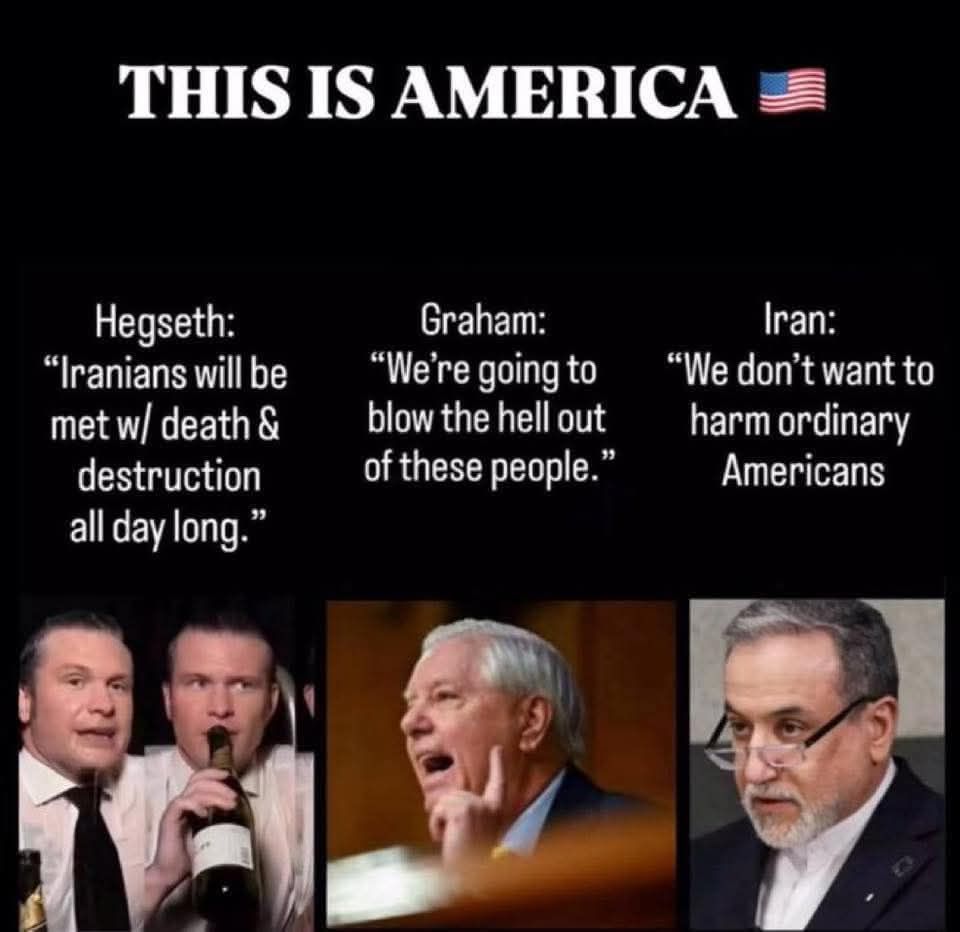
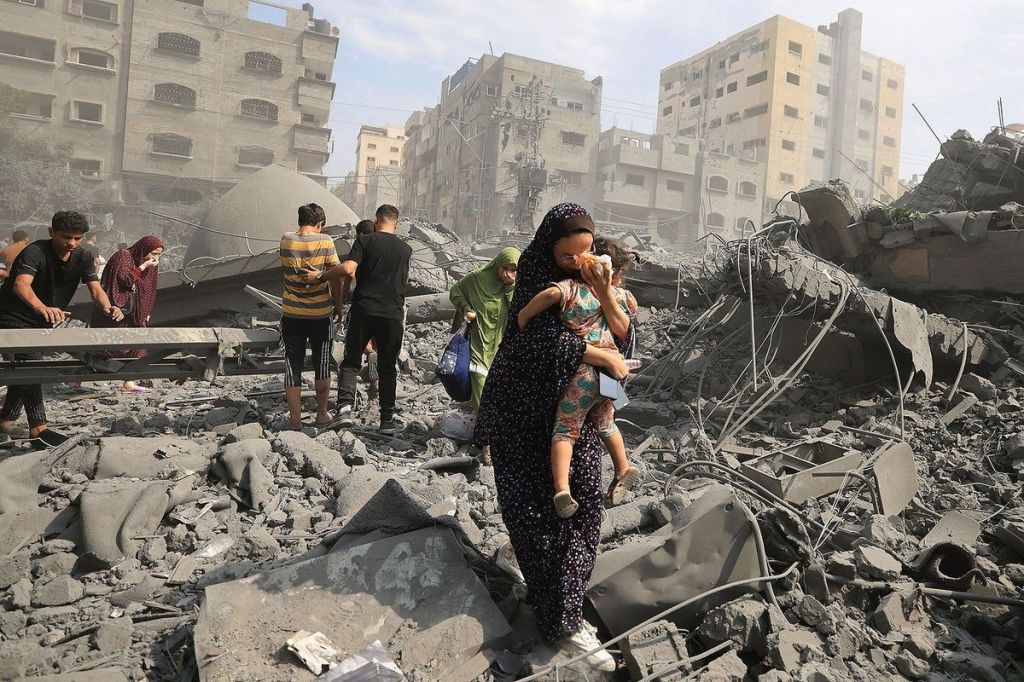
The biggest lie of this century is that abandoning the way of Jesus is our most realistic option. The truth is that we’re sacrificing our future with the false idea that our security depends on us killing all who oppose the same tyranny we experience every tax season when we pay for all the bombs that rain on Gaza. Our actions are going to have immeasurable consequences.
Dismiss this if you like. Side with the antithesis of Christ and say that it is totally unrealistic. But why pray, hypocritically, “Thy will on Earth as it is in heaven” while then simultaneously plotting to wipe out those we’re expressly told to love? I’m not saying this is easy, and yet this is simply part and parcel of a religion that teaches you will be forgiven as you forgive and judged as you judge. I’m convinced if we work our way down this list—taking care of first things first—we could have what seems impossible.






 Irregular Ideation