A religious fundamentalist might see Nietzsche’s “Madman” parable as an attack on faith. The German philosopher Friedrich Nietzsche’s mental decline and tragic end could seem like an obvious consequence. His bold claim that “God is dead” would naturally lead to madness, wouldn’t it?
Recently, I came across the story of Ruth Miller, an Amish woman whose religious convictions led to an unthinkable act. In a state of spiritual delusion, she drove her 4-year-old son, Vincen, to a lake and “gave him to God” by throwing him into the water resulting in his drowning. This awful tragedy following immediately after the accidental drowning of her husband Marcus during a failed attempt to swim to a sandbar in an effort to prove his faith.
Both belief in God or disbelief really does not make a difference as far as our mental health. We can attribute beliefs to actions, like the divisive assumption—of black and white thinkers—that Decarlos Brown Jr. was motivated by racial animus. Or realize that our human psyche is capable of dangerous misfires no matter our skin color category or ideological affiliation. Black, Amish or Atheist, all can have psychological breaks from reality originating from family history or environmental factors.
In the case of Nietzsche, who suffered from a breakdown at the age of 44—while seeing a horse being flogged—the theories of why he declined range from neurosyphilis to the possibility of frontotemporal dementia and a brain tumor. It could be a combination of factors, and maybe the very thing that made him brilliant also part of his downfall?
Nietzsche had a busy and relentless mind, his “will to power” philosophy itself perhaps a way to cope with a world that didn’t align with what his cultural heritage told him. He had to take things to their ends, he was not content with the answers he was given and this tendency of his mind being rooted deep in the composition of his brain—progressive disease and circumstances finally pushing him over the edge into insanity?
Likewise, the Amish mother, a pious woman by appearances, didn’t process her religious teachings the same as others in her church and tradition. For better or for worse, most claim to take the Bible literally would never attempt to do the things that they’ve read in the book. In a modern context a parent who is willing to sacrifice a child to God is rightly considered mad. But for Abraham it was a proof of his righteousness:
By faith Abraham, when God tested him, offered Isaac as a sacrifice. He who had embraced the promises was about to sacrifice his one and only son, even though God had said to him, “It is through Isaac that your offspring will be reckoned.” Abraham reasoned that God could even raise the dead, and so in a manner of speaking he did receive Isaac back from death.
(Hebrews 11:17-19 NIV)
That’s one way to explain away an irrational act of Abraham tying up his child, and then putting him pyre to be a sacrifice to God. It is just plain madness otherwise. Is it really any wonder a delusional mind would follow this pattern in the Holy texts? I mean, truly, the crazier part is how we can read through this in Sunday school class without being a bit disturbed. Only when someone starts to act in this kind of ‘faith’ does anyone notice it is completely unacceptable.
Faith or lunacy?
But then we’re all mad. Half of us claim it is okay to dismember a living human being in the womb because their existence is a big inconvenience for an adult woman. While the other half thinks it is okay dismember a living human being in Gaza because of what Hamas did a couple of years ago. All seem willing to sacrifice little children in the ‘right’ circumstances. We’ll praise those who end the life of the innocent when this aligns with an imagined ideal outcome or future. We’ll all say the other is irrational and evil while justifying our own violence.
But, I digress, we should not blame the blackness of Decarlos Brown Jr. for his evil deed any more than the Amishness of Ruth Miller for what she did. The idea that we should not change our standards based on race should come with the general non-judgment based on race. Mental illness is mental illness, unbound by category. To judge actions without prejudice—based on race, faith, or even agnostic philosophy—requires us to comprehend the universal fragility of the human mind and our own susceptibility to delusion.
The quote in title, an unintentionally honest comment from a pious young woman, will continue to ring in my ears for decades to come. Scripture describes the word of God being “sharper than any two-edged sword,” but her romantic rejection came more like a hammer blow to my Mennonite worldview where spiritual was supposed to outweigh physical gain. I had patterned my life, up to that point, around a sort of practicality over flash and suddenly realized what I thought was an asset was actually liability.
I was reminded of these words again as my wife’s glowing approval of the monstrosity in my driveway, a Ford Explorer ST, still feels out of place for me. I mean, granted, I was not keen on transitioning to family life with a pedestrian option like a minivan or boring SUV. But I didn’t expect my always frugal—cost conscious—female counterpart to go along with it 100%. She was supposed to pump the brakes and did not. I’ve realized, in this, that every woman is happy with the nice things and won’t say no if you provide it for them. We’ve both agreed to blame the baby for our reckless financial decision.
So, back to Milton, a place I’ve since moved on from and to the higher cost town across the river. Up until the words from the mouth of this wholesome girl, I had thought having a little house completely paid off would be worth something—even attractive. After all she claimed to be interested in missionary service and what better place to get a start, right? From what I had believed, there are needs anywhere there are people and where better to start than a deteriorating industrial town? Milton is an example of the rust belt, a place of declining opportunities and costs of outsourcing production.
The phrase “you’re thirty years old living in Milton” was simply accurate conveyance of her underlying priorities. There’s always the difference between what we say we are and the actual truth. Even in the secular culture there’s a romanticization of the love of two impoverished people who stand together in desperate circumstances. And those raised in an environment where Christian mission is supposed to be first, living as one poor as a church mouse amongst common people would seem the ideal.
But it is not. No, this young woman, like the one who had rejected me for not pursuing a title of “missionary” or “pastor” years prior, was clearly after status. They will not say it outright, probably are not even aware, but it is a kind of glamour they seek in service. A call to some exotic location to impress their religious peers. Sure, a Bentley may not be status in a conservative Anabaptist church, but the ability to jet around the world (often on someone else’s dime) is thrilling where it is considered sacrifice. It is currency, a way to gain status in a community of faith or be seen as righteous.
Resources are showered on the ministry or mission. Sure, it comes with stress, my 9-5 does as well, but the payoff is proportional. And not talking about “treasures in heaven” or God’s favor. A pastor has access to the community resources. It is social power as much as it is a position of responsibility and there are always those who want to curry a little favor. Again, it also comes with more scrutiny as well, but most tend to minimize the costs when they set off in a particular direction. Besides that, for the Mennonite woman, this is for the broad shoulders of her husband to bear, right?
The high expectations of my wife have been a little surprising to me. To her credit, she has been putting up with a partly finished remodel of old house since marrying and moving in. But yet, despite coming from the Philippines, her standards are now close to that of an American woman. We comment about our son’s demands for what the other kids have, but often fail the test ourselves. I mean, is it at all coincidence that I decide to finally pull the trigger on a new vehicle after a Mennonite workmate showed up with his new truck? Probably not.
And that’s the bottom line here. We are all after power in different forms. Be it money, be it land, access to resources or just status in our peer group. What I’ve found is that a religiously trained (or ‘spiritual’) person is no different. No, all they do is give a righteous cover to their personal ambition. They live in a delusion. Materialism is bad, they will say, but they are fine with your donation of money so they can buy a bigger missionary compound in Southeast Asia. And, under the fluff of my own pursuit of love was the same sexual motivation of all men.
I hated when a physiatrist summarized my obsession with the impossibility as being a “sexual attraction” and dismissed it initially as a woman who knew nothing of my heart as a man of God. But now I realized this is undoubtedly the correct assessment. Men want sexually attractive women and women want high status men. This is an essential part of our nature—a matter of survival for our genes—a young healthy woman is able to bear children and a wealthy or connected man can give them much more than a thirty year old living in Milton.
I’ve moved on from Milton, but cannot move on from the reality I have encountered head on, we’re sexual creatures living in material reality and can’t escape this by denial. I had been better to learn this decades ago rather than cling to a naive notion of love where it ends like a storybook. But I am now living the best life available to me and hope that my wife is happy with her decision. She’s won my heart asking for the “simple and happy life” and now I want to give her that and everything else wonderful this world offers. The best thing we gained was the child born almost a year ago now…
It’s never too late to live the life that you should—which is more about perspective than what you possess—even if you were denied love for being thirty years old and living in Milton.
Growing up, college sports, or even sports in general, were not part of my world. My father didn’t toss a football with me in the backyard or gather us around the TV for games—work was his recreation, and that was our normal. I had no reason to care. But something shifted later in high school, culminating in my going out for football my senior year, and I found myself very drawn to Penn State, captivated by the legacy of Joe Paterno and the blue-and-white pride that defined it.
In the years just prior to my tuned in, Penn State had soared to new heights, claiming two national championships and cementing its place as a powerhouse. For that fleeting moment, the Nittany Lions were the best in the gane. State College, just to the west of me, was the heart of this empire—a house that Paterno, a son of Italian immigrants from Brooklyn, had built. He was not just a coach; he was a living legend, embodying the loyalty, community, and tradition that made Penn State more than a football team—it was a shining symbol of our American values at their finest.
Educator. Coach. Humanitarian.
I didn’t love Paterno because he won every game. In fact, other than a Rose Bowl win, the program had definitely taken a half step back from the prominence of the 1980s. It was their “success with honor” mantra and Paterno’s commitment to the “kids” as part of his “Grand Experiment” philosophy that had attracted me. Paterno’s stated mission was not only to win on Saturday, but to build men through the game. At least according the brand, the win at all costs attitude was anathema. We are Penn State meant being at a higher standard on and off the field.
The Scandalous End of an Era
There are many good things that Paterno is rightfully remembered for. But history is not kind to those not true to their values and the legacy of “success with honor” is not what any of us wanted as fans from a distance. The man who lived in a very modest house adjacent to the campus—and had donated $4.2 million to the university library—was embroiled in a situation completely at odds with the character of his program. This, of course, being the horrific revelations about Jerry Sandusky—a former Paterno assistant—who was found guilty of sexual abuse of children and was for years according to the allegations.
Shock and denial are a natural response as a defense mechanism. Penn State fandom was more part of our identity where the “We are” was supposed to be a call to a certain moral code and standard. It was supposed to be about more W’s on Saturday and thus it was unthinkable that there was a sexual predator potentially being protected by the program. Those of us who accepted that it happened still wanted to minimize and keep it separate from the man who had preached excellence on and off the field. To this day this is something to be wrestled with—what did he really know and when?
My current stance is that Paterno prioritized the program over everything else. Similar to how religious institutions (like CAM or the Catholic church) too often try to deal with embarrassing issues internally—as a way to minimize fallout—there’s always the desire to save the ‘mission’ by undermining pursuit of the full truth or actual justice. In the end this little leaven of a moral compromise for sake will leaven the whole lump. However, expediency often trumps principles and the putting of reputation first started with Todd Hodne, in the 1970s, when the rapes of the prized Long Island football recruit began to be known. Paterno wanted to deal quietly with these kinds of ‘problems’ and it would blow up in his face at the end.
Hodne was a violent and vile predator. Initially the rape allegations were hushed.
In my conversations with a cousin, who is a generation younger than me and far less of an idealist, my being completely appalled at fan behavior in the wake of coach Franklin’s collapse is silliness. He says the toxicity is everywhere and, basically, that I should not expect the Penn State football community to be exceptional. Even in response to my own posts on social media some of my friends believe that it is okay to make their vicious attacks against players and future prospects—because apparently sportsmanship is not a goal in the era of NIL money? To me there has been something we have lost in our dignity and self-respect when we pile on young athletes and those who have invested far more than most in the bleachers ever did.
It feels like the culture has been hollowed out. An ethos has been lost. And my own disappointment with the sudden realization of the total absence of anything that actually distinguishes Penn State today, other than a few symbols and slogans, the final dismantling of the Paterno legacy that I’ve protected so long is complete. Why pretend? Integrity was neglected. And the thin veneer of The Grand Experiment philosophy has long ago worn away, we are not what we’ve claimed to be, we’re just another sports ball brand—class and character a mere facade.
Penn State peaked in the 1980s and has been in a ‘wilderness’ of ten win seasons since.
Demystifying is the first step in dismantling the Colossus. With the transfer portal and NIL the era of loyalty and commitment to a higher ideal is over. But this shifting is one that goes beyond the football field or Penn State fan base. This is just a microcosm of the failure of the United States of being this “city on a hill” that was imagined by Puritan preacher John Winthrop. The “We are” is a localized flavor of American exceptionalism or the declaration of our unique quality and superiority over others. It is delusion.
It is also decay…
Reclaiming Lost American Values
The erosion of American values, particularly those intangible qualities that once defined community, loyalty, and collective spirit, is vividly reflected in the current state of college football, the influence of Name, Image, and Likeness (NIL) deals, and the broader societal shift toward prioritizing money over meaning. These three threads—Penn State’s football struggles, the commodification of college athletics, and the personal lesson of a child fixated on monetary rewards—converge to reveal a deeper cultural loss that is harder to pinpoint but profoundly felt.
At Penn State, the football program’s collapse mirrors a broader unraveling of shared purpose. The team’s 3-3 record in 2025, with losses to Northwestern, UCLA, and Oregon, has extinguished playoff hopes, compounded by the season-ending injury to quarterback Drew Allar. The program, once ranked #2, has been plagued by self-inflicted wounds—stupid penalties, turnovers, and a lack of team chemistry despite returning key players. The toxic “fire Franklin” narrative, fueled by fans and possibly amplified by wealthy alumni, has created a vicious cycle of negativity. This environment, where success is taken for granted and loyalty to coach James Franklin is eroded, reflects a loss of the communal spirit that once defined college football.
The fans’ inability to appreciate last year’s achievements, coupled with the pressure of high expectations, has turned a storied program into a cautionary tale of how a community’s values—patience, unity, and resilience—can erode under the weight of entitlement and short-term thinking. The prospect of rebuilding under new leadership may spark a recruiting bounce or an influx of NIL funds, but it also risks perpetuating a cycle where only wins and money matter, leaving little room for the intangible pride that once fueled rivalries like the one against Ohio State.
This shift is starkly evident in the rise of NIL, which has transformed college football from a bastion of amateurism into a billionaire’s playground. The purity of the sport, where loyalty to a program and the concept of the student-athlete once held sway, has been supplanted by a system where, as Mark Cuban’s “big number” donation to Indiana University athletics illustrates, wealth dictates outcomes. Fans no longer celebrate players who stay an extra year out of commitment; instead, they view them as paid mercenaries, unworthy of respect or admiration unless they deliver victories.
This also mirrors a broader societal decline in volunteerism and good sportsmanship—values that once rivaled capitalism in shaping America’s identity. The community spirit that made school sports a unifying force has been replaced by a transactional mindset, where loyalty is bought, not earned. This shift reflects a deeper cultural loss: the unquantifiable sense of duty to others or something greater than oneself, whether a team, a school, or a nation.
As the current system prioritizes individual profit over program or principle, it signals a collapse of the traditions that made college football a symbol of American unity, leaving behind a hollow pursuit of wins at any cost.
Now billionaires and corporations rule college athletics in the age of NIL.
This same erosion of values plays out on a personal level for me, where my tying my son’s chores to cash rewards has instilled a mindset in him that everything must have an immediate reward or monetary payoff. This mirrors the broader societal trend where wealth is the sole measure of success, undermining the concept of family as a unit bound by mutual care rather than financial transactions.
In cultures like the Philippines, where my wife is from, multigenerational support is just a given, but in America, the collapse of family unit and community has fueled reliance on pay based systems like elderly care, which often exploit the most vulnerable and leave little for future generations.
This shift away from communal responsibility toward an extreme individualism and personal profit reflects a loss of the intangible values—selflessness, duty, and shared burden—that once made America redeemable, if not great. And the rise of socialism, decried by conservatives, is less a cause than it is a symptom of this deficiency, as needy people seek external systems to replace the community support that has faded.
These threads—Penn State’s demoralized and debased fanbase, commodification of college sports through NIL in general, and my own struggle as a father of a teenager to instill non-monetary values—point to a broader cultural decay. The current loss of American values like loyalty, community, and tradition is not easily quantified, as they were woven into the fabric of what it meant to be American, and never before required definition or separate designation.
NIL, like the toxic fan culture or a child’s fixation on cash, is a symptom of a deeper disease: a society that prioritizes money and winning over the unmeasurable qualities that once held it together. This shift, felt more than seen, leaves us grappling with a question: if we cannot identify what we’ve lost, how can we hope to reclaim it?
Records Come and Go—Family Is Forever
After the Northwestern game, a third loss this year, Franklin waited until everyone else—including his daughter—had gone through the tunnel before he strode through. This is likely because he knew what awaited him—taunts and trash being hurled.
In comparison to the stupid entitled clowns, Franklin is a class act. He is the father protecting his family. A standard bearer for Paterno (an Italian surname that means father) or at least the commendable part of the late coach’s legacy. I have seen some of the comments online, one claiming Franklin was arrogant because he had only answered one of their emails or something of similar entitled quality—as if he could just sit responding to every moron harassing him. But the players who played for him are unanimous in their support.
The players taking responsibility is a sign of a relationship with a man who told them his demands of them as players start with love and end with love. In other words, this was a high pressure environment, expectations were high, and yet it was for their good that he challenged them to be better. And, truth be told, Franklin’s teams punch above their weight. He was a player’s coach and that is why Penn State is bleeding top recruits who were coming to State College for something different under his leadership.
The “fire Franklin” types love to talk about how he “couldn’t win the big game” and yet neglect to mention his teams were almost always coming in as the underdog and with less talent and depth than their top ranked rivals. Or, in basic English, he was coaching them up to the level of the elites. And this a testament to his philosophy that had built on the positive part of Paterno’s legacy—he valued the players for more than the wins or losses and they responded with loyalty and inspired football.
Nobody will ever say Franklin was the best game manager or play caller. But then the online critics keep going back to a couple plays a decade ago. A run on 4th and five against Ohio State or kicking a field goal in a 28-0 Michigan game ending the shutout. But ultimately they were one play from the national championship game last year and Franklin was third behind two other coaches from 2022–2024 with a 34-8 overall record during that span—trailing only Kirby Smart (Georgia, 39-5) and Ryan Day (Ohio State, 36-7) for wins. Good luck finding the guy who will top that after we cut the soul out of the program that drew the talent that we did have. Who will come to State College to be nitpicked and unappreciated?
I loved a family man arriving at Penn State and to see it end as it has just makes me think we don’t deserve what we have.
The toxic part of the Penn State fan base is transactional. They believe their watching a game entitles them to perfection execution and results. I mean, imagine that, a howling mass of ingratitude made of mostly grown men who are apparently that unhappy with how their own life went that everything now is a matter of wins on Saturday. Most did not go to The Pennsylvania State University nor do they have any real investment in any tradition of excellence—like that which was upheld by Franklin’s family approach.
Franklin deserved better. He was not a DEI hire. He is certainly not a terrible coach. It is his players—who carry on his legacy—that actually matter. Penn State football should never be about pleasing drunk Uncle Ricos who failed at life, it should continue to be oriented towards success in life. Truly the few Saturdays under the lights are not a measure of a man. Franklin’s tenure should be remembered as a battle against wider societal decay—where the development of moral character and the building of community are too often sacrificed for the fleeting victories or short-term financial gains.
Both Nick Saban and Urban Meyer, who are legendary coaches, expressed their support for Franklin. And to think delusional Penn State fans believed that they could replace Franklin with one of these two (already past retirement age) by waving a little money in their faces. No, nobody is coming to State College to be unappreciated for producing one winning season after another. We will be lucky to find any successful coach who is tempted by the job—let alone replace all of those who decommitted or will transfer now that James Franklin is gone.
Values Beyond the Scoreboard
In this blog—Irregular Ideation—my struggle with the disconnect between stated values and the values they truly live out. People claim to believe one thing and yet live something else. I’ve dealt with this in the religious and romantic sphere, the disappointment, this false notion that virtue would always win over mere physical or economic superiority. Mennonites teach that the meek shall inherit the Earth or that the first shall be last—these being Christian concepts about the kingdom of Jesus. But the reality lived is always different from that ideal preached.
The reality is that everyone is in it to win it. Yes, even that sweet and submissive young woman doesn’t date no scrubs. Sure, maybe a pious individual will adjust some language or settle on one rather than playing the field, but ultimately they’re going for the status or strength and attractiveness everyone else in the world pursues. Some overestimate the market value they have, but even in love we are being self-sacrificial or altruistic. We’re motivated by hormones and sexual desires—often things we’re not even totally aware of behind our wall of moral rationalizations and narratives.
With denial of this is the delusion that good things will happen to good people. We tend to confuse physical beauty with virtue as it serves our own carnal desires to see them as one and the same. I mean, who wants to say the quiet part out loud by admitting they picked Joe over Bob because he was taller or had charisma? We may say things about nurturing or character traits but this is code for nice breasts and big biceps. So what I am getting at is that we dress all this stuff up as something it is not and revelation of what is underneath is not debasement—it simply exposes what always existed.
From Paterno trying to bury the truth about Todd Hodne to the firing of Franklin, the true ruthless nature of college football culture is revealed.
Beaver Stadium rises out of the valley floor, an edifice, a temple where sacrifices were made in the name of success.
Beaver Stadium rises up from the farm fields of Happy Valley, a monument to Pennsylvania pride, like the “city on a hill” of American exceptionalism. But success was not built on anything different here as it was anywhere else. What is buried is the reality it is always about aggression, financial gain, and wins. The Grand Experiment failed and Penn State had to be like everyone else if it wanted to reach the top. Furthermore, there is a sense in which every program becomes a sort of family or builds men—Paterno was only unique for highlighting this.
Are there values beyond the scoreboard?
Is it a zero-sum game?
Yes and no. Friedrich Neitzsche describes “slave morality” or a system of ethics that reverses what we naturally value and then says this denial of reality is virtue. Woke is a manifestation of this, where they attempt to turn the world on its head and celebrate obesity, ugliness, criminal behavior or lack of ambition—and create an artificial reality—rather than deal squarely with the world as it is. Body positive isn’t going to spare you health consequences if you’re obese. Fair or not we must at some point deal with the cards we’ve been dealt and rise above our station or accept what we are. Mutilation of yourself to be something you’re not ends as badly as well. There really are no shortcuts to success or Uno Reverse cards to play—it is what it is on the scoreboard that matters to the world in the end.
Ultimately we also have our limits. We need expectations to match our abilities or we’ll end up in a spiral—always chasing what is beyond our reach rather than just building on what we have. I’ve seen it many times, those who leave a consistent and reliable partner, thinking they’ll do better out in the market, only to find out that (yet never will admit) that their discontentment played a trick on them and they had it better before than after. Not everyone can be a National Champion every year—it just isn’t possible—but we can have a family or community that respects all members and seeks only their best rather than tear them down.
Symbolic?
So maybe Penn State football does need to be dismantled and rebuilt to be great again?
It could be that, like the children of Israel in the wilderness, we’ll need this generation to pass so our children can enter the promised land?
If the foundation laid has led to this ugly spirit of entitlement then it was flawed. We might need to decide if football is so important we will lose our humanity or the immeasurable qualities not displayed on a scoreboard—for a “big game” win that won’t matter in a year or two. What does it truly matter if we gain the and lost our soul?
A race to the lowest common denominator is the end of civilization. Despite my lament above, I don’t believe life is all about money, sex and power—which ever order they come in. I still believe my elderly grandma had a beauty that was unsurpassed and morality is not just a smokescreen for our failure to be the best. Maybe the impossibility for me is possibility for my children. I cannot stay disillusioned. But, like I did in finally leaving my religious roots, I may need to also bury that delusion of Penn State excellence both on and off the field.
Not the tradition that made Penn State great.
Maybe the failure of The Grand Experiment was all Paterno’s own personal failure? Or maybe the message never went beyond the young men who loved him like players love Franklin today. But the Colossus now lies in ruins making me wonder if it was ever great to begin with. They didn’t just fire Franklin—they pushed over what remained of an ideal for sportsmanship, they’ve fully demolished the mythology that so inspired me. A giant ‘moral’ idol is gone—will something real rise up in its place?
Nobody could have known, as Penn State and UCLA warmed up on a sunny California Saturday, that this was going to be an upset for the ages. The boys from State College were coming off a huge disappointment in Happy Valley, traveled the over twenty-five hundred miles, and probably hoped to get up early on a struggling program that had just fired their head coach and started the season with four straight loses.
7-0
On the side lines Drew Allar and company geared up for their opening drive. Eager to answer, not having any doubt whatsoever of eventual outcome. Their defense would start to tighten up and just wait until we get this Penn State offense rolling against an inferior defense.
Neuheisel had different plans. They knew that their opponent wouldn’t stay sleeping for long and football is a huge momentum sport. The wind was at his back, this was the time to roll the dice, employ a little bit of trickery and kick the on-side kick. I’ve seen this before. A local high school coach with a team coming out of a long slump world do this in one or two games just to help his squad get their feet under them. Sure, you don’t recover and give the other team very good field position. But it’s unexpected and totally deflates the opposition if you get the ball back again.
A big gamble pays off.
UCLA would easily recover the short kick to the far side and suddenly the score was ten to zip with the favorites trailing.
10-0
James Franklin didn’t need this. But he did not have time to waste either. He felt some pressure, “can’t win the big game” was now screaming in his ears. However, unlike the fair weather fans who have never coached a game in their lives, winning games in real life wasn’t like them hitting the right button combos on their game controller, and they had watched film all week on a team that is now doing things they couldn’t do before. It wasn’t like he hasn’t felt pressure like this in the past. He hoped to get on the board then settle in to a rhythm where eventually talent would takeover.
Allar did engineer a drive, after a scary near fumble about gave the Bruins the ball back one more time, and brought the Lions within three by the end of the first quarter.
10-7
But UCLA’s quarterback, Nico Iamaleava, a proven talent who started his college career at Tennessee where he was 10-3, didn’t plan to make this easy for the visitors and went right back to work answering quickly to put the Lions down two scores again. He was hungry. And that is where the upset really started to pick up pace. Penn State would remain scoreless throughout the second, obviously now back on the ropes, and was discombobulated.
27-7
In the third quarter Penn State finally would wake up, with their offense finally finding a little traction. Drew Allar, shaking off earlier struggles, connected with Khalil Dinkins for a 40-yard touchdown pass, narrowing the gap to 27-14. Moments later, a special teams miscue by UCLA gave Penn State a spark when Liam Clifford returned a punt 6 yards for a touchdown, bringing the score to 27-21. The Nittany Lions’ sideline erupted, sensing a shift in momentum, and the Rose Bowl crowd grew tense as Penn State’s defense started to apply pressure.
Deluca, a walk-on, is good. But Rojas is better.
But UCLA’s young play caller, Neuheisel, kept his composure. Leaning on Nico’s dual-threat ability, the Bruins answered with a 1-yard touchdown run by Iamaleava, restoring a 13-point lead at 34-21. The aggressive nothing to lose playcalling, including a mix of designed runs and quick passes, kept Penn State’s defense (still adjusting to the sudden loss of Tony Rojas during the week) guessing and prevented them from settling into a rhythm.
34-21
In the fourth quarter, Penn State mounted a furious comeback. Kaytron Allen punched in a 2-yard touchdown run, cutting the deficit to 34-28. The Nittany Lions’ defense forced a stop, and Allar led another drive, finding Kyron Hudson for a 15-yard touchdown pass to make it 34-35. With the game within reach, Penn State’s hopes soared. But Iamaleava, showcasing his poise, responded with a 7-yard touchdown run and a successful 2-point conversion pass to Kwazi Gilmer, pushing UCLA’s lead to 42-35 with 6:41 left.In the final minute, Penn State drove deep into UCLA territory, facing a 4th-and-2 with 37 seconds remaining. The Nittany Lions needed a conversion to keep their hopes alive, but UCLA’s Scooter Jackson burst through for a clutch tackle-for-loss on Allar, forcing a turnover on downs. With the game all but sealed, UCLA’s punter, Will Karoll, took an intentional safety on the ensuing punt, making the final score 42-37.
Final Score: 42-37, UCLA
The Rose Bowl erupted as UCLA celebrated their first win of the season and their first victory over a top-10 opponent since 2010. For Penn State, the loss marked a second straight Big Ten defeat, dropping them to 3-2 and raising questions about their playoff aspirations and adding more fuel to the “fire Franklin” fire. And, at this point, his hopes of a playoff run or National Championship this year are on life support. Coming off a 21st “big game” loss a week earlier, where Franklin has continued to lose to the top ten ranked teams—despite usually winning the UCLA-type games—makes it an even more stinging defeat.
So how does this happen?
“Any given Sunday” applies to professional football and is this idea that any NFL team can beat any other on any given matchup. It is, in that case, about league parity and the fact that they strive for a competitive balance. Just because a game isn’t a “big game” according to fan expectations and current rankings doesn’t mean that winning is just a given. And Penn State is one of the teams consistently good enough that every other team is going to come prepared. You know that even in Columbus, despite having success against Franklin, they still mark the big game on the calendar. This is also how the Buckeyes get beat by Michigan annually—the Wolverines come ready for them.
So UCLA was in the perfect position for an underdog ambush. There was no way for the Penn State coaching staff to prepare, a new coach with nothing to lose can pretty much do anything and nobody will question it. If the on-side kick, after their first score, was recovered by the Lions, commentators will shrug, “well, at least he’s trying to give his team an edge against a heavy favorite.” So there’s nothing to lose in the risky play. But Franklin can’t be as freewheeling, there are expectations to win and thus anything special he does will be judged as the reason why they lost—a damned if you do, damned if you don’t scenario.
The upset comes down to a UCLA getting a big opening lead from playing good football and a little trickery. Then you have a better quarterback in Nico than is indicated by the team’s 0-4 record. After that you have Penn State still trying to find their identity losing a key defensive starter, Tony Rojas, only days before. Adding to the woes Jim Knowles, a proven defensive coordinator, fresh off his national championship, didn’t adjust to the big third down threat of Iamaleava. It is as if he just expected superior talent to get the job done and it didn’t. Apparently he did spy with Dominic DeLuca, replacing Rojos, who just couldn’t make those critical third down stops. Knowles shut down Iamaleava with his Ohio State talent last year. Are we really going to blame coaching?
But the real story here is that football is an emotional sport and Penn State came in to this contest with their butts dragging. They got beat during the White Out despite. That monkey of the “big game” struggles still not off their back. They were on the road a long way from home. Sure, they probably have a slightly more talented group, but UCLA got some momentum early and didn’t get off of the gas as the beleaguered then 7th ranked team finally stated to wake up.
Fire Franklin?
There has been a lot of fans chirping, over the past few years about Franklin’s inability to “win the big game” and what this means is that, despite his winning the games that he is expected to win, he has a twenty-one game losing streak against top ten teams, and this is especially irksome considering Penn State has not beaten rival Ohio State since 2016 (my last game in attendance), and, therefore, according to this group he must suck as a coach, right?
But this is just a total lack of appreciation for the reality of college football. No, while Penn State has always been good, the elite teams were decades ago, in the 1980s and Franklin’s record really isn’t all that different from the legendary Joe Paterno who went 3-12 in his first 15 top-5 games. And then there’s the fact that Penn State went in as the underdog in all but 3 of these 21 top ten match ups. Paterno actually lost more top ten contests as a higher ranked team going in. And so the field has tilted in favor of the winners of the majority of these frequently cited 21 Franklin losses and many of them still ended up being very close games. The recent Oregon Ducks game at home being a prime example, going into double overtime before another painful end.
So why does Penn State lose ‘big’ games?
First of all this whole big game standard is nonsense. Every single game at this level is a big game. Even in those warm up games there is usually enough talent on the other side to pull off the upset. Who can forget how Appalachian State humbled the mighty Wolverines. Second, that said, the outcome of the game often will come down to talent and depth. That is what I believe gives the perennial elites their edge, it is the program itself that draws the talent and whomever is coaching gets the credit. So how have the teams Franklin taken to top ten match ups stacked up? Was there a talent gap?
According to Grok:
Yes, in many cases: A talent gap existed in 15 of 21 losses, particularly against Ohio State (7-0 in these matchups) and Michigan (4-0), where opponents’ rosters were stacked with higher-rated recruits. Ohio State’s average class rank of 2.2 reflects a near-NFL pipeline (e.g., 5-stars like J.T. Tuimoloau in 2021 or Jeremiah Smith in 2024), while Penn State’s ~10–13 range, though top-tier, lacked the same elite depth. Against Oregon (2024, 2025), Oregon’s NIL-fueled classes (No. 3–6) outpaced PSU’s, contributing to losses. These gaps align with probabilities: teams with top-5 classes win ~65–70% of top-10 matchups when facing teams ranked 8–15, per historical betting data.
So Penn State was the underdog and does not draw as well as teams more known to be in the national championship discussion, which means Franklin may even have these teams punching above their weight to keep it close. They’re not head and shoulders above UCLA. And this won’t change with a new coach. Historically the Nittany Lions have been committed to the scholar-athlete concept, Paterno valued academic performance as much as on field success, which does limit the talent pool a little bit. To abandon this is to lose what it means to me Penn State. The win at all costs crowd clearly don’t get this.
Interim UCLA play caller is Jerry Neuheisel had a game plan that his opponents could not possibly know. In his mind this would be an ambush, with slight adjustments here and there he knew he could take advantage of a sleep walking Nittany Lions squad. He won the coin. Perfect. Time to get some of that Bruin confidence back. With just a bit of luck, better execution and efficiency on third downs they clawed their way from the Big Ten basement and drew first blood.
All of that considered, there is still plenty legitimate criticism. Franklin getting too conservative in play-calling contributes—call it “playing not to lose” rather than take the risks necessary to win. But some of this stems from, and is becoming a self-fulfilling prophecy or due to pressure from a fan base that never lets the team move on from a loss. Fueled by their very unrealistic expectations, they amplify the failures and aid opponents. Who will want to replace Allar or Franklin after seeing the nastiness online because a team lost some games to better competition? Penn State fans need to realize that they are truly the monkey on the back of the program.
I think he’s doing a great job. I think you talk, Ryan Day‘s got a Wolverine problem, and Penn State’s got a couple problems; Oregon. Everyone’s just got their little flaws they’ve got to work out. So is criticism right, to answer your question? Yes. Is it time to make a change or even talk about that? Absolutely not.
That’s a voice of experience and expertise.
Players back Franklin, Jason Cabinda on X:
And for those of you all in my DM’s with the Fire Franklin Fire Franklin mantra’s just remember we aren’t talking about some coach who has all the talent in the world but for some reason can only win 4-8 games a year and we’re questioning why. This is someone who consistently…
Those Sunday morning quarterbacks who believe replacing Franklin will just magically make the program elite are sorely mistaken and could end up dooming us like Nebraska after firing one head coach after another in a pursuit of relevance. Nebraska’s spiral began with the 2003 dismissal of Frank Solich, who had a 58-19 record (.753) and a 1999 Big 12 title, but was deemed insufficiently elite after 9-3 and 7-7 seasons. His replacement, Bill Callahan, went 27-22 (.551) with no conference titles, followed by Bo Pelini’s 66-27 (.710) tenure, which was axed despite consistent 9–10-win seasons due to big-game failures (0-4 vs. top-10 teams). Subsequent coaches—Mike Riley (19-19, .500), Scott Frost (16-31, .340), and in the interim Mickey Joseph—plummeted Nebraska to irrelevance, with a combined 35-70 (.333) from 2015–2022, no bowl wins since 2015, and a drop from top-10 recruiting classes to the 20s by 2020, per 247Sports. Fan unrest on social media mirrors Penn State’s “Fire Franklin” cries, but Nebraska’s 22-year title drought and their 4-8 average seasons since 2016 highlight the risks of chasing that mythical “elite” coach—the potential of destabilizing Penn State’s consistent 10-win program under Franklin for a gamble that could yield decades of actual mediocrity.
Huskers blamed the coach and went downhill since.
Alas, this terrible upset, after an emotional loss to a legitimate top ranked team, could be the final blow for Franklin. If he can’t get this veteran and talented group to get over the hump, a win in Columbus or a National Championship, the pressure may finally be at the point where he’ll part ways. However, it will likely be a victory short lived for those demanding his firing. First, it will cost $48.7 million to buy out his contract, draining vital resources. Second, odds are he will be like Andy Reid going from Philly to Kansas City and suddenly all those 50-50 games tilt his way—while Penn State slides as players go elsewhere and coaches come and go.
Update: Things just went from bad to worse for Penn State. This week they have lost to Northwestern, at home, and drop to 3-3 on the season. And the opponents only getting tougher from here on out. Football in a very emotional sport and this team just can’t get it done on the field anymore. The chemistry you would think would be there by returning so many key players just isn’t. There was a ton of very negative pressure being put on the program with the “fire Franklin” and that would rob anyone of their enthusiasm. But at this point, this far into a coaches tenure, seeing this kind of collapse? It really does not matter if it is a self-fulfilling prophecy of the fans themselves. We were very oddly victims of our own success last year, going into the season #2 in the nation just shows how high the expectations had been, but we lost to Oregon in the first real test, then had a disaster against a resurgent UCLA team, and now did not rebound at home against Northwestern. Now even the remote hope of playoffs is off the table, Drew Allar is out for the season with an injury, Oregon lost to Indiana and there’s really nothing positive to say about this team. There are certain the great individual efforts, but they really have not processed (or at least not fast enough) towards being a team and maybe because they’ve all lost faith in each other? It really does not matter the exact cause or who is most at fault (Franklin, the booing fans or just the fates), this is probably the time to go in a different direction at the top. Until now I could hold on to “oh so close” and the probabilities. But I didn’t expect the wheels to come off like this. And Saturday again it was another grinding painful defeat with the promising stop opening series ending with Allar being picked. With stupid penalties giving the Wildcats new life. It was a loss that was self-inflicted. There is no recovery for Franklin now, redemption meant winning out the regular season and now one must wonder if we can win even one conference game. Traveling to Columbus this year will be brutal, I fear, because we probably won’t have that rivalry mojo that at least kept the games respectably close. The program will need to rebuild regardless and better to do that with someone else at the top. That is going to shut up the idiot naysayers for at least a year. It will give a recruiting bounce if we get the right name. And there might even been a surge of NIL money if many of the wealthy Penn State alumni were also on the fire Franklin bandwagon. The biggest disappointment with me, in all of this, is the fact that we got what we deserved. Those who were still yelling “fire Franklin” after last year could not appreciate success—winning was taken for granted. Now they will know rock bottom and there’s a likelihood that the slide won’t stop after Franklin. What coach or player, with a choice to go elsewhere, will want to play in such a toxic environment?
A month or two ago a family member sent me a video of Steven Crowder going on the attack against an Orthodox Christian nun in Palestine. Mother Agapia Stephanopoulos was hosted by Tucker Carlson and talked to him about the violence against indigenous Christians in the occupied West Bank. And very soon after this interview, Crowder, who supposedly represents conservative values, went on the offensive claiming to “debunk” a faithful woman who has dedicated her life to what is remaining of Christian legacy in the Holy Lands.
Crowder, an Evangeli-con social media grifter, being so totally vicious about this woman’s physical appearance in his opening salvo made me wonder about his motives. What is it to him that she was sharing her experience? So I followed the money and found the reason. Crowder has a few notable sponsors, one of them called “Express VPN” and if you dig a little deeper this originates from a developer that goes by Kape Technologies.
Who owns that?
A guy named Teddy Sagi—an Israeli billionaire with an unscrupulous record.
So one has to wonder, is the sponsorship about selling the service or is it a way to buy influence? A bit of both, perhaps?
Temu Charlie Kirk
Either way, Crowder is getting paid to represent a certain perspective and likely got a memo: “We need you to do a hit job on that Orthodox nun, this is your list of talking points about her from our guys in intelligence. We will talk more about our ad budget for next year if you can get 100k clicks.” That’s my own crude caricature, but we know that Sagi is getting something in return for his investment and a VPN makes a nice front company to pay for propaganda. They also make a nice way to access your personal data—a specialty of Israeli-sourced ‘security’ software.
Here’s a brief overview by Grok:
Kape Technologies, a UK-based cybersecurity conglomerate specializing in privacy tools like VPNs, was originally founded in 2011 as Crossrider, a company notorious for developing ad injection software that was frequently bundled with malware, enabling intrusive tracking and data harvesting on users’ devices—a practice that continued plaguing the web as late as 2019. Rebranded to Kape in 2018 amid efforts to pivot toward “ethical” digital security, it aggressively acquired major VPN providers to dominate the market: CyberGhost in 2017 for $10.4 million, Private Internet Access (PIA) in 2019 for $95 million, ZenMate, and notably ExpressVPN in 2021 for $936 million, now controlling about 40% of the top VPN services alongside affiliate review sites that suspiciously rank its own products highest. The company is fully owned by Unikmind Holdings, a shell entity controlled by Israeli billionaire Teddy Sagi—a convicted fraudster from a 1990s insider trading scandal, Playtech gambling software founder, and major donor to the Israeli Defense Forces—who bought out remaining shares in 2024, privatizing Kape and reducing transparency by delisting it from the London Stock Exchange, followed by layoffs of around 180 employees (12% of staff) in early 2025 amid whispers of restructuring. This history raises serious potential risks for users seeking true privacy: from backdoors or data-sharing compelled by Israeli intelligence ties (Sagi and co-founder Koby Menachemi hail from elite Unit 8200 spy unit, echoing Pegasus spyware scandals), to conflicts of interest where “privacy” tools could flip to surveillance, especially given Kape’s opaque operations and the irony of a former malware peddler now gatekeeping global internet anonymity.
Things are not what they appear. Look up Pegasus and Paragon. If it says security it is probably about backdoor access to your personal information. But, of course, you’re supposed to be afraid of Chinese ownership of TikTok. Anyhow, as the expression goes—every accusation is a confession. If they say it is about your security it is really only about their ability to maintain control over the flow of information and to manufacture consent for their policies. The fox is now guarding the henhouse.
Weaponization of Social Media
After the assassination of Charlie Kirk there has been a full-court press to ‘weaponize’ social media on behalf of Israel. This isn’t my choice of words. This comes from the mouth of one foreign leader who is always allowed unusual access to US politics and that is Benjamin Netanyahu:
Social media is the most important weapon Israel has at its disposal. […] Now, if we can get those two things [TikTok under U.S. control and X access], we can get a lot, and I can go on about other things, but that’s not the point right now.
Oh, so remember that bipartisan campaign to ban TikTok, supposedly over the concern that the Chinese wanted to spy on our kids, which started right after Israel started their bombing of Gaza and killing of journalists? Well, the real reason for this should now be clear: Hasbara doesn’t work when those not already brainwashed and indoctrinated can see the truth in a thousand images. TikTok bypassed the censorship regime.
And let’s not pretend we do not know what that is. After Covid we all know how there was enormous pressure put on our social media platforms to protect the government narrative. Mark Zuckerberg recently went on Joe Rogan to tell how Facebook was forced to suppress truth, under the Biden administration, he likened the fact-check process to being “something out of 1984.” If you recall, people got banned for saying the virus may have originated in lab in China—when now this is being accepted a plausible theory of the origin.
The same people who would scoff at “China virus” being racist are okay “free Palestine” being labeled as anti-Semetic.
So when TikTok was forced into selling and has hired Erica Mindel, a former IDF soldier, to run their new “Public Policy Manager for Hate Speech” position—do you think she will be there as a neutral arbiter and ban the use of the word “terrorist” describe the children in Gaza? Not a chance. No, it is her job to censor information behalf of the site’s new owners, including the Zionist Trump-backer billionaire Larry Ellison, and their aim being anything on the platform that could hurt the Gaza real estate deal or can be interpreted as pro-Palestinian.
The War Against Free Speech
Why this full-court press? The US is Israel’s most vital resource and is exploited to the tune of billions annually in direct aid. And that’s just the start. Wars in Iraq and Syria, which did not benefit average Americans in any way shape or form, cost us trillions and that is not to mention the young men killed or broken for life—like those two rampaging Marine veterans over the weekend.
With their once reliable Boomer vein dying off and younger generations seeing through their propaganda. The Zionists, to fully tap into our human and industrial resources, must first strip away the resistance. This is not left to chance. No, they buy support of influencers. The dangle incentives in front of young rising stars online, bring them on a trip to Israel and the then will sponsor their content through shell companies. Once you are hooked on their money they own you, all you need to do is sprinkle in a little of their propaganda and the checks keep coming—and if you deviate too far from script?
US influencers partying it up, on a paid trip to Israel, while Palestinians die
Well, Charlie Kirk was doing a lot of talking about this before his untimely death:
I have less ability… to criticize the Israeli government than actual Israelis do. And that’s really, really weird. I’m terrified of stepping on a minefield here, trying to please both my owners [donors] and my audience.
(Charlie Kirk, The Megyn Kelly Show, Episode 832, August 6, 2025)
Yes, Kirk had been a stalwart Zionist, just as many in the Evangeli-con fundamentalist camp are, but recently had begun to openly express his doubts, questioning the October 7th narrative and suggesting that there was a stand down order given that had allowed to happen, and he even started to platform conservatives who see Gaza as a genocide or don’t want our tax dollars used to bomb babies. Kirk was loudly opposed to Trump getting involved in Netanyahu’s war against Iran. And was called on the carpet—by his billionaire owners—for his defiant show of independence.
The Unforgivable Disloyalty
Trump and Kirk have the same billionaires bankrolling them. Miriam Adelson, born in Mandatory Palestine and widow of casino magnate Sheldon Adelson, gave the Trump campaign $100 million dollars. This might be why he is backing up her Maccabee Task Force (MTF) in his crackdown on speech on college campuses. Her MTF doesn’t just counter the criticism of Israel—it obliterates it, slandering pro-Palestinian students and faculty as “Hamas supporters” or as being “Jew haters.” It is basically cancel culture on steroids.
A billionaire’s club.
With $100 million in lobbying muscle, MTF deploys doxxing campaigns, and pressures universities to discipline activists, pushes “(re)educational” programs that whitewash Israel’s actions. At Columbia U, Adelson’s MTF helped fuel Trump’s calls to deport student protesters like Mahmoud Khalil. This is not advocacy. No, it us a speech cartel, ensuring that no Gaza encampment or divestment call will threaten the billions funneled to Israel’s war machine. Adelson’s checks don’t just buy Trump’s loyalty—they buy campus silence, turning campuses into censored zones where dissent is punished and truth is the enemy.
Trump marketed MAGA to those weary of war, proclaiming America First as his motto—absolute opposition to foreign aid and DEI favoritism. But, like the scene from George Orwell’s Animal Farm, when the ruling pigs change the egalitarian commandment “All animals are equal” (adding to it “but some animals are more equal than others.”) we’ve found there is always one exception to this and that is on behalf of those who paid for his campaign. With President Trump it is America First—Israel Firster.
Trump’s betrayal goes beyond this directed attack on free speech. It’s also about family gain. Enter Jared Kushner, Trump’s son-in-law and Middle East “peace” envoy, who had brokered the Abraham Accords, not as a genuine diplomatic win, but as a sweetheart real estate deal for his own firm. Kushner’s Affinity Partners hedge fund scooped up $2 billion from the Saudi sovereign wealth fund mere months after leaving the White House—blood money that was funneled through UAE backchannels, with zero U.S. oversight. And let’s not forget his now infamous Gaza proposal: turning the rubble-strewn devastated Strip into a “waterfront property” paradise for wealthy Gulf investors, complete with luxury condos atop the mass graves. It’s not policy; it’s a flip: Kushner as the fixer—turning Palestinian suffering into billionaire beachfront.
And none of this is good for the American people who are already footing the bill for the demolition of Gaza.
Property of Israel—Till Death?
Once one truly understands the extent of the influence of this foreign lobby, and how much it has cost us in terms of cash, lives and reputation in the world, there is never a return to politics as usual. Trump has not ended cancel culture, foreign aid, forever war or drained the swamp. No, AIPAC and a slew of billionaires tied to Israel are calling the shots, along with Netanyahu, and—while they plan the next big war on behalf of a few elites and Israel—the shelves are bare for wounded warriors of the last one.
Charlie Kirk, like his friend Candice Owens, like Tucker Carlson, and Elon Musk, seemed to have increasing awareness of this sordid reality—where we got the same policies no matter who we voted for. Unfortunately he was never given the chance to put together everything that is laid out above. Whether he was killed by a crazed trans leftist or the same big money that made Turning Point a political force on a national level we’ll likely never know, but we do know that he wasn’t just some paid shill reading off a script.
Apparently the desperate Zionist regime is now paying American influencers $7000 for every post the make to help hide the crimes of Gaza. And the deeper you dig the more disturbing it gets. They fear-monger about TikTok somehow being a platform for CCP spying and then hand it over to the control of a foreign country with one scandal after another involving surveillance of unwitting users of their software. This is affront to MAGA and the American values that those on the right-wing claimed to defend during the Covid shutdowns—we must not let the powerful monopolize the conversation.
This is free speech and should not be punished.
The war on free speech—whether through Crowder’s bought-and-paid-for smears, Adelson’s campus crackdowns, or TikTok’s censorship under Ellison’s ex-IDF enforcers—is a desperate bid to shield a grotesque truth: Trump and Kushner’s betrayal of MAGA’s anti-war ethos for a Gaza land grab, funded by Adelson’s millions and Saudi blood money, turns Palestinian suffering into profit. But Gen Z’s unfiltered posts and campus rebellions are cracking the Hasbara facade, exposing the bombs, the condos, and the lies. Reject their tech fronts, defy their censors, and amplify the raw truth—on social media, in the streets, everywhere. America’s soul isn’t for sale; reclaim our Constitutional birthright by speaking out, or let the billionaires’ war on dissent silence us all.
The default position for most people is some form of tribal ethic. If it is done to them or their own family by another tribe it is a horrendous and terrible crime. But, when only those in another tribe are hurt or if they are afraid that confronting the abuse will hurt their own tribal agenda—then suddenly the unforgivable becomes a “Who cares, everyone does it, why are you bringing that up again?”
Tribal ethics amount to doing only what is good for the tribe—usually sacrificing the rights of an individuals in the tribe and always denying the basic humanity of those outside of the tribe. Individual rights of those in the tribe are generally honored, but only so far as protecting them is useful to the collective and not as something that is absolute or immutable. If a few die for sake of the tribal order—are stoned to death for daring to pick up sticks on the Sabbath—that’s just how it is.
The Old Testament is full of this. Your own are completely free to enslave, rape or take from those outside the tribe and yet would be enraged if one of their own were treated in the same way—like when vengeance was taken by Dinah’s brothers who wiped out a whole city for sake of the family’s honor. If it were within the tribe the attitude would be quite a bit different. Under Moses law this was simply a matter of paying the price of the bride and not a death sentence. And it is clear that things morally abhorrent by a modern standard, like genocide, were done by the command of God.
Tribalism is a feature of politics, a natural or default condition, where we defend our own and demonize the other. To the left Charlie Kirk deserved to die for his sins of hate they claim were harmful to their woke collection of identities. The Evangeli-cons soak up the propaganda from Israel that paints children in Gaza as future terrorists. We protect the people most like us because and adjust our moral rules according to the situational and immediate needs of our tribe.
A Case For One Higher Universal Standard
But a Christian ethic is completely different from this. It says sin is sin. Evil is evil no matter who is committing it or who it is against.
And, if anything, those who are in the church, who profess their faith in Jesus, should be held to a much higher standard. There is no room for favoritism (James 2:1, Romans 2:11) or carving out exemption for elites or even our friends and family. Jesus said to love our enemies (Matt 5:44, Luke 6:27) and even ‘hate’ our own family (Luke 14:26) if necessary to truly be his follower. Even our thoughts subjected to a standard of love and forbearance.
Jesus didn’t get hung on a cross for saying cutesy stuff that is easy to do. And I really do not expect anyone to live by that code. It requires actual faith and a true belief Jesus is what he said he was to make sacrificing ourselves for his ethic reasonable:
Do not repay anyone evil for evil. Be careful to do what is right in the eyes of everyone. If it is possible, as far as it depends on you, live at peace with everyone. Do not take revenge, my dear friends, but leave room for God’s wrath, for it is written: “It is mine to avenge; I will repay,” says the Lord. On the contrary: “If your enemy is hungry, feed him; if he is thirsty, give him something to drink. In doing this, you will heap burning coals on his head.” Do not be overcome by evil, but overcome evil with good.
(Romans 12:17-21 NIV)
But even if you don’t truly believe in a future eternal reward or God, there is a reason why universal morality is better than our default tribalism. And that is an idea of what goes around comes around. Sure, you might not care about someone else’s daughter being sexually exploited by wealthy and powerful men—most especially if they are furthering your partisan political agenda—and yet we want to have a society where there’s justice or the injustice will eventually spread to us.
This is the big difference between my own understanding and the one that is far more popular: Good and evil never change on the basis of who is doing it or if I benefit. If it is wrong for the neighbor to kill my dog under most circumstances it is wrong for me to kill theirs. And if I (or one my own) start to act with impunity—are continually forgiven for things others are always condemned for—eventually this will piss off enough of the ‘others’ that they’ll dish out their version of justice against their abusers.
The Fallacy of Judeo-Christian Values
Evangeli-cons want the world to forgive for all their infractions and yet never forget if a victim fights back against their aggression. It is the very opposite of what Christ taught and anti-Christ. Jesus would likely warn us that how we judge we will be judged and the measure we use will be measured back to us. Which should make us tremble when we consider the slaughter and razing to the ground of Gaza using bombs we provided—there will be no call for mercy on the behalf of those who claim that young children are terrorists so they can kill them:
We are imposing a complete siege on Gaza. There will be no electricity, no food, no water, no fuel. Everything is closed. We are fighting human animals and we are acting accordingly.
October 13, 2023, Isaac Herzog, President
Just as it is clear that the right wing was right, today everyone says it is clear all Gazans must be annihilated… There is no logic in differentiating between uniformed [Hamas] and the rest of the inhabitants there.
September 2025, Moshe Saada, Likud MK
Every child born in Gaza is already a terrorist, from the moment of his birth.
January 15, 2024, Nissim Vaturi, Likud Deputy Speaker
And they were stating their genocidal intent long before October 7th:
Huwara needs to be wiped out. I think the State of Israel should do it… Water, electricity, and food must be cut off from the Gaza Strip. Those who do not die by bullets will die of hunger.
February 2023, Bezalel Smotrich, Finance Minister
This shows the absurdity of what is called Judeo-Christian values. Tribal logic says it is okay to kill man, woman and child of the rival so we can take the land for ourselves. Whereas Christian morality calls for all to be saved (1 Tim 2:4, 1 Pet 3:9) and erases the boundaries of tribal identities based on gender, race or social status. It is the polar opposite of having a chosen people with a license to take and kill. Jesus offended his ‘righteous’ ethnic audience by saying that a pagan had greater faith than all of Israel. To embrace this radical ethic is to reject the tribalism that fuels division and violence, choosing instead a universal justice that holds all accountable and protects all, not just the chosen few. Only by abandoning the hypocrisy of tribal loyalty can we hope to build a world where the measure of our judgment does not return to condemn us, but instead fosters a shared humanity that is grounded in love of Jesus.
A Fundamentally New Way of Thinking
The Christian ethic really is a total reversal of fundamental attribution error. It is easy to attribute what others do to us to a matter of their immutable character, they’re just evil and irredeemable, therefore do not need to be heard or understood. But for our own or ourselves we tend to blame only the circumstances and call it a mistake—one of those forgivable offenses. The reverse is to never make excuses for our own while also showing grace to those who offend us.
When someone cuts us off in traffic is it because they are a terrible driver? Or did they just have a bad moment? Or if we do the same, is it truly just an isolated incident or is our confirmation bias simply forgetting all of those times we transgressed with an “oops, sorry!” Reversing our fundamental attribution error is simply to apply grace we give to ourselves to others. It is, at the very least, to apply the same standard we do for ourselves as we do to others.
When a person of our own tribe does some kind of horrific deed, do we dismiss this as not representing us as a whole? Maybe we justify it? When the US Navy shot down Iran Air Flight 655 flying a routine route over the Strait of Hormuz, back in 1988, and killed all 290 on board—the US didn’t even apologize and, adding insult to injury, gave medals to the crew that did it! That is tribalism and is how fundamental attribution error works. If Iran did the same the US population would be calling for our military to turn the whole country into a smoldering ruin.
But the Gospel of Jesus Christ starts with a call for repentance. Repentance being an inward turn where we identify and confess our own faults rather than hide them behind rationalization or claims that our hand was forced by the other side. And, finally, after this deep introspection, we show the fruits of a changed spirit by showing the grace we have been shown to even those who we feel are most underserving. A true Christian will strive to love their worst enemies while also holding their own to a high standard.
If we want forgiveness of our sins we must show mercy and forgive others.
Evangeli-cons want all grace for themselves and yet give none to the enemies of their ‘Christian’ empire. They don’t want sins of some in their midst to count against them, they will deny the inconvenient violence of those on their side politically, but then make the whole left or all of Islam responsible for everything ever done by one of their own. It is a tribal ethic that has nothing to do with a Jesus of repentance. Or a spirit of grace to others that exists in those who understand their place before God.
Watching my son’s football game, it felt as if there was an inflection point. The game got off to a rocky start—their offense stumbled on the first drive, the defense gave up a score, and that was the story of the first half. But in the second half, the game’s momentum changed—the defense sparked a three-and-out, their offense finally got on the board, and it was a whole new game. Even luck tilted in their favor, unlike the first half.
So what happened?
How does a team that gave up eight points rally to score fourteen in a comeback?
An inflection point is a change where it feels as if a giant pendulum has swung, reached a peak in one direction, and shifted to a new or opposite course. The momentum shift may become clear only afterward, but often it’s something detectable in the air—an event or palpable shift in attitude that changes the entire complexion. In the game, it could’ve been a small adjustment by the coaches or simply an opportunity to reflect on mistakes and correct them. It could be that the ball broke in the right direction, a matter of probabilities, with the change mostly an illusion. But football is an emotional sport, and even dumb luck can inspire better play from everyone.
We also witnessed a similar shift during the presidential election. Biden was apparently leading in the polls (if such things are to be believed), and then Butler happened. The event came after the disastrous first presidential debate, where Biden clearly was not as advertised, yet it was the image of defiance—“fight, fight, fight”—that sealed the deal. Elon Musk saw this as reason to put his full weight behind Trump, and with a few McDonald’s drive-through moments and photo ops with garbage trucks, the greatest upset win since 2016 was complete.
Love him or loath him, Butler should have been a warning shot for the left—trying to kill your political opposition only makes them stronger and Trump won with a younger browner vote.
The paragraphs above were written before the murder of Charlie Kirk. Over the past few days, he went from the “prove me wrong” guy debating college kids to the center of a national debate. Since his death, there has been a groundswell of support. As those on the left reveal themselves through celebrations of his death and mockery, Kirk’s Turning Point organization has been flooded with 54,000 requests for new chapters at high schools and colleges. His death is a catalyst, much like the two assassination attempts against Trump, and a potential inflection point in the national conversation.
Before the U.S. Civil War officially began, there was an early attempt to free the slaves. John Brown, an evangelical Christian, believed he was on a mission from God to end slavery in the U.S. and led an insurrection that ended with a raid on a federal armory at Harpers Ferry in October 1859. Even before this, the issue of legal slavery had resulted in violent confrontations. In 1837, the abolitionist Elijah Parish Lovejoy was shot while facing down a mob of pro-slavery vandals who were attempting to destroy his printing press. This event sent shockwaves through the U.S. and galvanized John Brown to publicly declare:
“Here, before God, in the presence of these witnesses, from this time, I consecrate my life to the destruction of slavery.”
John Brown fired the opening shots of civil war, his fierce opposition to slavery inspired by the murder of abolitionist Elijah Parish Lovejoy.
As a writer, I do not create the sentiment of my audience. I merely put into words what other people are thinking or help them organize their thoughts. In other words, if it resonates, it is only because I’ve stated something they’ve already noticed. It also emboldens—when people realize they are not alone in what they see—which is how regimes fall. When people know that others share their understanding and are given a means to articulate it, all it takes is a little push to turn popular sentiment into decisive action.
Synchronicity is one way to describe this. I have often observed many of my friends—likely tuned into similar sources and sharing the same basic assumptions—simultaneously reach an identical conclusion in response to events.
The assassination of Kirk is a moment that galvanizes. It has starkly illustrated how far apart the two partisan sides have become. Some celebrate the murder, spewing vile hatred for a man who was truly a moderate with views similar to those of many Americans. Others are rightly appalled, realizing there is no reasoning or unity with those who believe disagreement deserves a death sentence—that Kirk deserved the bullet.
In a civil society, matters can be debated. If a person says things we don’t like, we still honor their human rights and show respect despite disagreement. But to those on the far left, a statement of fact or an opinion they hate is declared “hate speech,” and saying it out loud constitutes a crime of “spreading hate” that deserves death. This is not an embellishment—a direct quote: “Let this be a lesson to all those conservative freaks, all those weirdos… you’re next in line.” This is a threat we must take seriously when the other side laughs and mocks Kirk’s death—they are not like us.
This is an inflection point, one of those culminating moments where conservatives are independently reaching the same conclusion, and a movement can become galvanized. It will arm Trump to crack down on Antifa and the left-wing in ways he could not have before, with the critical mass of public support he needs.
Freedom of speech doesn’t mean people must associate with you. I’ve never seen the ‘right’ react with such energy before.
In reality, Charlie Kirk wasn’t an extremist leading anything; he represented the quiet majority who are still able to appreciate the difference between men and women and who want laws applied equally for the protection of all Americans—not favoritism or special preferences for some based on identity or political ideology. They are Charlie. He did not radicalize anyone. All he did was try to explain his perspective and articulate what many believe. But he will now be a rallying cry—like the death of Lovejoy that led to John Brown’s vow—that point in a conflict where the tolerance has been exhausted and it is necessary for the sane to make a stand.
Even for me, as someone who attempts to stake out a position independent of both popular sides, I must go with the side least likely to kill me as a default. There’s nothing I share in common with those who are gleeful and cracking jokes about a man deliberately killed in front of his fans, wife, and young daughters. Cheering for domestic terrorism cannot be tolerated. The backlash against those who couldn’t show civility even after a man’s murder will be a turning point, like the momentum shift in a football game—the people are done playing nice with these monsters.
What I mean by that is that I don’t see everything as orchestrated or part of a secret global plot. I believe accidents can happen and that people can do terrible things unaided or completely of their own volition. But, all that said, I also believe that the rule “never let a crisis go to waste” is not an invention of Rahm Emanuel.
Political opportunism is rampant on all sides. And then there’s the just plain letting something bad happen to use for advancing agenda.
What I’m about to detail is all verifiable facts and not conjecture. I’m just going to lay it out then let you reach your own reasonable conclusions. I’ll also prime this topic with a response to 9/11 that has made less sense in retrospect and that is the invasion of Iraq that followed. Saddam Hussain was not at all involved in the attacks. The war cost the US trillions of dollars, 4,419 Americans lost their lives, 31,993 wounded, and that is not to mention the Iraqi losses. We traded that much blood and treasure for claims of there being WMDs—which our government knew were mostly or completely destroyed.
So what was the actual reason for regime change in Iraq?
But, before we answer, let’s get to some of the facts on 9/11. And, again, I’ll stick only to what is verified and not speculate beyond what is very easily corroborated with videos and news articles from the time. This is all things known according to official records, eyewitness accounts, and confessions on foreign television.
While the rest of the country watched 9/11 unfold in horror, five men were seen filming the burning World Trade Center towers from a white van, they were seen high-fiving, and appearing jovially celebratory from the New Jersey side. Their behavior was so totally alarming, and in contrast to what one may expect seeing the US under attack and with people literally being forced to jump to their deaths, that a concerned citizen reported it to authorities.
Trump said Muslims were celebrating in Jersey City. Not true. What he should have said is Mossad.
Later in the day the van was stopped by the police and these five men, Sivan Kurzberg, Paul Kurzberg, Yaron Shmuel, Oded Ellner, and Omer Marmari—dubbed the “Dancing Israelis”—were arrested.
These Israeli men were employed by Urban Moving Systems, a company that was also owned by Israeli national, Dominik Suter, and the men possessed items like $4,700 in cash stuffed in a sock, they carried multiple foreign passports, maps highlighting New York City, and a box cutter like those used in the 9/11 hijackings, further FBI searches of this firm’s Weehawken offices uncovered a fraudulent operation with minimal evidence that it was a legitimate business. Add to it, 16 seized computers, and reports of anti-American sentiment among staff, including boasts about subverting U.S. media. Suter’s abrupt flight to Israel just before a second FBI interview, abandoning the premises with client property and phones left behind, only amplified suspicions.
Perhaps most damningly, in a 2001 Israeli TV interview on LaHadashot, one of the five men, Oded Ellner, chillingly stated they were placed in the U.S. specifically “to document the event,” a strange phrasing implying their prior awareness of the impending attacks. Which the FBI could not conclusively prove or disprove despite the months of detention and polygraphs, such led to the speculation—backed by a 2002 Forward report citing U.S. officials—that at least two of the five Israelis were Mossad operatives using the firm as a front. And officially to keep tabs on Arab extremists. I’ll let you judge if that is just a cover story or the truth.
Why we would ever believe him again, after the Iraq WMD lie…
Enter Benjamin Netanyahu. The day after the attacks, he was quoted in the NY Times as saying “it was very good” before he corrected himself and explained what he meant is that it would “generate immediate sympathy” that would benefit Israel. And it was a year to the day after this that he was pitching a war with Iraq to Congress, calling himself an “expert witness” and warning the legislative body of something that sounds so awfully familiar:
“There is no question whatsoever that Saddam is seeking, is working, is advancing towards the development of nuclear weapons—no question whatsoever.”
Netanyahu continued his case:
“If you take out Saddam, Saddam’s regime, I guarantee you that it will have enormous positive reverberations on the region.”
There was zero evidence found to support Netanyahu’s dire warnings about WMDs. I will let you decide if regime change in Iraq was an amazing success that has only led to peace and prosperity for the region. But 9/11 was used as an excuse to invade Iraq and Netanyahu was cheering this on—much like the Dancing Israelis. None of this says for certain that Mossad had foreknowledge or withheld vital intelligence so the attacks could continue and draw the US into Israel’s conflicts. But we did spend trillions for a war that did absolutely nothing to advance our national security interests.
Many of these men may do it all over again, but would they if they knew what they were actually fighting for?
And then there’s October 7th. Netanyahu has called this Israel’s 9/11 and maybe this an admission. Recently, before his untimely death, Charlie Kirk made an observation in a discussion with Patrick Bet-David about the incredible security perimeter around Gaza and surveillance, expressing disbelief that it could be breeched and openly pondering if an order given to stand down. This, wasn’t just speculation. Israeli intelligence had the Hamas incursion plan a full year before and didn’t act, according to the New York Times, and on the night of the attacks former IDF guards have said they were told not to do their routine patrols.
So was the terrorist attack on 9/11 allowed to happen to generate sympathy to later be exploited to further Netanyahu’s agenda as far as Iraq? And as an order given to stand down on October 7th, likewise, benefits the ultimate aim of Likud which is written in the original 1977 party platform, “between the Sea and the Jordan there will only be Israeli sovereignty.” Prime Minister Yitzhak Rabin, the first Israeli Prime Minister born in what had been called Mandatory Palestine, was assassinated by a radical Zionist settler for seeking a peaceful resolution.
Maybe some see terrorists. I see a mother and a child, their lives as important as any other.
The recurring exploitation of crises like 9/11 and October 7th, paired with a history of deceptive hasbara, casts doubt on the credibility of official explanations, urging us to further scrutinize the manipulative tactics of those who may prioritize self-serving agendas over truth.
It has been twenty-four years since 9/11. I recall working in town, for a painter, hearing for the first time—and right after seeing the image of smoke pouring from the WTC and the airliner striking the second tower. The tenant of the house where we were working let us watch on his television. This was a moment of great uncertainty about what would happen next. By the end of the day my car battery drained from the radio blaring so I could hear the reports while we worked on the house exterior.
Much has changed since that surreal day in the fall. I went to college, and have worked various jobs—left the Mennonite tradition—got married, became a dad—witnessed the birth of my daughter and many things that twenty something version of me could not have imagined. And while I still drive Ford products and vote for the same party (albeit grudgingly), my worldview and perspective have evolved dramatically since the fateful day in September 2001. Many things I once thought were impossible are now possible and even likely.
I decided to write this reflection partly for anniversary and partly because Facebook has been flooding my feed with pictures of 9/11 and it is weird. It’s as if some bot farm is tasked with putting this in the forefront of our minds and one can only imagine why. It is most likely an attempt to feed availability heuristic, to keep the 9/11 attacks vivid in our minds—and possibly for the coming war with Iran. A propaganda campaign of those who understand that many Americans have blamed all Muslims for what happened on that day. Maybe the powers that be want to squeeze just one more war out of this day America stood still?
Maybe it’s just that I tripped the algorithms by responding to too many of the repeated claims about melted steel?
We live in the post-information age—a time when we may very soon not even be able to believe our own eyes due to advancement in AI technology, where our institutions have failed us and no source can be trusted. The mistrusted is earned. But the feeling can be misdirected and counterproductive. At the very least we should not just believe a claim we have heard because it fits our narrative. We may never know the full truth. However, we can do a better job forming our theories by employing a broader base of scientific understanding or real world experience to calibrate our judgment.
There is no doubt that the 9/11 attack was a conspiracy, we simply disagree on the full scope and nature of it. It was clearly used as an excuse to pass the Patriot Act and to invade Iraq. There’s evidence that Mossad knew in advance with the “dancing Israelis” reports and suspicious shorting of airline stocks before the attacks. However, it is as clear that Osama Bin Laden planned these attacks as a response to US wars and that—from an engineering standpoint—nothing is inexplicable about the events of 9/11 being caused by fuel-laden commercial jets.
The Conspiracy Condensed
Typical 9/11 conspiracies center around a mix of claims about melted steel, witnesses who heard explosions, an insurance policy bought before the events, or asking about how three buildings collapsed despite only two being hit by the 767s. They’ll claim all of the buildings were rigged with thermite and explosives, even that the aircraft were holograms. There is simply no way for me to address all of the theories and claims being made. There are excellent resources that provide detailed analysis and in-depth explanations. This list below is intended to only address a few engineering or physics related claims, not to make a complete and comprehensive response to all questions related to the 9/11 attack.
“Jet fuel can’t melt steel beams”
This meme, used as part of the controlled demolition conspiracy narrative, is the very definition of a strawman argument. Nobody has ever said the buildings fell because the steel beams completely melted. But what can happen is that steel, heated by an intense fire and with heat protection material knocked off, will lose significant tensile strength. Ane a little bit of deflection—especially to a structure that was already severely damaged by an enormous jet hitting it—is all that is needed to explain a cascading failure and collapse.
“Buildings don’t collapse from fire”
This is not only another strawman, but it proves that most people repeating these claims don’t do any research nor do they think things through. High rise buildings have collapsed without fires, from design flaws or unaccounted for loads, and the list includes the 2012 spontaneous collapse of the Vieira Fazenda office block—which was due to unauthorized renovations that had removed key support columns and failure. Interestingly, two adjacent buildings, hit by debris during the collapse, likewise were reduced to piles of rubble. Then we have Edifício Wilton Paes de Almeida, also in Brazil, that fell from just fire in 2018.
So, yes, buildings can collapse from just fire alone. However, in the case of the WTC, fire alone is not a requirement. Clearly the Twin Towers were struck by commercial airliners prior to the collapse, this doing an immense amount of structural damage, and that the reason why raging fires brought them down in the aftermath. As someone who works in an engineering related field, this is not hard to understand, we deal with sheer loads and also see the results of loads not being fully accounted for. There are no totally indestructible buildings, all are designed for a certain set of requirements and will collapse once the limits are exceeded.
“Empire State Building got hit and didn’t fall”
Next up is the comparisons by those who are clueless about structural engineering and failed physics. Back in 1945 a pilot, who was lost in the fog, slammed a B-25 bomber into New York City’s most iconic skyscraper. It didn’t bring down the tower and this fact is used as proof that the WTC couldn’t fall due to being struck by a much larger faster aircraft.
Different size, speed and building designs more than explain the results.
This, of course, is absurdity akin to saying that since a bicycle can’t go through a brick wall nor can a semi truck. Or that if you can catch a falling baby you should be able to catch a full-grown man.
I’ll let Grok explain:
In 1945, a B-25 Mitchell (35,000 lbs, ~272 mph) struck the Empire State Building with ~86.6 million ft-lbs of kinetic energy, causing localized damage due to its small size and modest speed. The World Trade Center was designed to withstand a Boeing 707-320B (336,000 lbs, 180 mph) impact, delivering ~3.64 billion ft-lbs, assuming a low-speed accidental collision. However, the Boeing 767-200ERs used in the 9/11 attacks (395,000 lbs) hit at 470 mph (Flight 11, ~29.2 billion ft-lbs) and 590 mph (Flight 175, ~46.0 billion ft-lbs), producing exponentially greater energy—approximately 8 and 12.6 times the 707’s, respectively—due to their higher speeds and slightly larger mass, compounded by massive fuel loads that caused devastating fires and structural collapse far beyond the WTC’s design capacity.
Do people really not understand that there’s a difference between the force of a baseball tossed and one thrown at 100 mph? Randy Johnson exploded a bird with a pitch and it wasn’t because the ball was rigged with C-4 or thermite. What is amazing is that these towers withstood the impact and stood for nearly an hour afterwards. Furthermore, a relatively small bomber hitting a completely different kind of structure is absolutely not a valid comparison. The WTC and Empire State Buildings rely on completely different designs—a 1957 Chevrolet and a brand new Toyota Prius are both cars, but do we truly expect them to act exactly the same in an impact?
“So, what about Building 7?”
What about it? The smarty-pants response to the analysis above is to bring up Building 7 which was never hit by an airplane. This is yet another case of half-truth. Sure, there was never a direct hit by a fuel-laden airliner and yet there was an impact of a collapsing tower and a resulting fire. Due to inoperable sprinklers and because available firefighting assets were pinned down elsewhere, there were fires on four different floors that raged out of control for almost seven hours. This, obviously, goes well-beyond any scenario a typical building is designed for. It really isn’t a big surprise that one fire heated structural column would buckle and lead to a chain of nearly simultaneous failures throughout the building. Once one goes the others (having also been weakened by fire) given weight is shifted to them by the failures down the line and as fast as the load is transferred.
Thermite is silent. The conspiracy theories contradict each other. And this is another frequent problem with these theories and points to motivated reasoning rather than honest inquiry or an unbending quest to find truth. So the so-called truthers who claim thermite was used and then cite the sound of explosions as proof are incoherent and unwittingly debunking themselves.
When all else fails just make stuff up, right? And that’s what conspiracy theory truthers do. Nevermind the eyewitness testimony or the actual videos, they’ll just say that those airliners don’t exist and no debris was ever found. That’s just false.
But first an anecdote.
Kee Bird, a B-29 Superfortress, was left in the Artic during the Cold War after making an emergency landing in 1947. Decades later, in the 1990s, a team of enthusiasts decided to dig this intact WW2 relic out of the ice and bring it home. Unfortunately, nearly ready to fly, catastrophe struck their mission, a space heater was tipped over and a fire started in the hull. The aluminum beast melted in half and the recovery effort doomed. It was the first I thought about the fact that such a big heavy thing could just melt away into a puddle.
Kee Bird Saudia Flight 163Fire can rip through and completely destroy an aluminum aircraft.
Airliners are big, but they are also made out of lightweight materials. After velocity took them through those outer steel structure of the impact zones, they were most likely as smashed as a crushed soda can. Much of the structure likely stayed within the burning buildings and was then melted away in the intense heat. But some of the heavier parts did go through, like the landing gear and an engine found scattered below. Commuters saw an airliner flying into the Pentagon and it clipped poles coming in, but of course not much remained recognizable as an airliner after it hit a reinforced concrete wall.
A few large pieces, engine, landing gear and a chunk of the fuselage went all the way through.
“But what about the passport found?”
They say fact is stranger than fiction and a passport of a hijacker being found may fit in that category. This has been used as proof of conspiracy and yet this is the least likely thing someone would come up with fabricating a narrative. Seriously. If they were pulling off a false flag on this scale I am fairly certain they would do better to make the details of their investigation seem plausible. The key is, nobody has ever said this is all that was found and in the violence of the collision it is possible that parts of the aircraft severed off and came through relatively intact. It is similar to straw found stuck in trees after a tornado. Yes, it is counterintuitive, but weird enough that it is unlikely to be part of a cover-up lie meant to convince us of nothing suspicious in the attacks.
“You forgot about the molten metal”
One of the frustrating aspects of rebutting a conspiracy theory is that regardless of how thoroughly one refutes various claims, the conversation will always be circular. This is because the evidence is not actually what matters. With conspiracy theory thinking the theory is what comes first. Evidence is accepted or rejected entirely based on if it fits the overall theory rather than the other way around. And thus when every point is answered there will always be yet another anomaly found. There’s simply no way to answer everything all at once: “A man who is convinced against his will is of the same opinion still.”
One of these small items and yet helpful to demonstrate a point is what appeared to be molten metal that was dripping from one of the towers before it fell. This goes back to the controlled demolition theories involving use of thermite. And just shows how such endless possibilities exist in a scene so big to come up with the unexplained. Looking at the WTC towers from the outside they do not look complicated. And yet, within them were many utility spaces and even electrical transformers to keep things running. There are many possibilities to explain these drips coming out the window that do not require a controlled demolition—perhaps an airliner made out of aluminum that became lodged within the structure?
This stream is assumed to be steel by truthers, but likely from the aluminum of the aircraft—see video link above.
One of the things being claimed by truthers is that aluminum doesn’t glow orange when molten. This is possible to keep their favorite theory alive after someone pointed out the obvious. But, while it is true that aluminum silvers when poured in small amounts or is white at the temperatures where it initially becomes molten due to reflectivity, there is a red glow becomes visible as more heat is applied and it pours red like any other metal when there’s enough heat or volume. So it is misinformation. An inferno from burning office furniture doused with tons of jet fuel will produce more than enough heat to cause an orange glow. So again the theory is based on incomplete knowledge and on pre-drawn conclusions rather than an open inquiry or honest pursuit of the truth.
“Bu-but explosion sounds…”
But eyewitness testimony and description is certainly evidence that can’t be dismissed—so what about the sound of explosions?
First, though, as a child I had witnessed an in-flight breakup of a twin engined airplane and from the ground it was really hard for us to interpret at first what exactly we were seeing above. Initially we heard the sound of what had appeared to be a laboring pair of small aircraft engines. Then, as we had started to observe like inquisitive boys do, what happened next didn’t make a whole lot of sense. The engines wound out and what was one airplane appeared to be two stunt planes doing acrobatics. It wasn’t until we saw papers raining down on the highway as we drove home that we understood the full weight of this horrific circumstance.
All that to explain that it is hard to find the right words for an experience way outside of our ordinary. I mean it’s absolutely nutty to think that a building owner saying “pull it” to the firefighters can mean anything other than an acknowledgement of the risk of this building—with uncontrolled fires raging on four floors for seven hours—may also end up collapsing. No, we’ll just pretend that a co-conspirator would just blurt this out for all to hear it. More likely is the obvious, he was saying to pull out those trying to save the building.
Finally we get to the sounds described as “explosions” in interviews. Going back to confusion about what we saw and heard the Sunday an overloaded airplane came apart over us in the church parking lot—we sometimes just don’t have the most correct or precise technical language. And, while there are theories on aluminum explosion, what is most likely is that people heard the incredible sound of the tons of steel and concrete smashing floor by floor. What is an explosion sound other than a pressure wave—a pressure wave which can easily be caused by the compressed air being forced throughout as the floors collapse one into the next?
All that steel and concrete would make such an incredible sound
The Johnstown flood was said to have had a sound like a “thunderous rumble” as a 40 high wave of water and debris flowed down into the city through a valley where the dam once stood. We wouldn’t assume that they heard literal thunderclaps any more than we would assume thunder is actual claps. The vocabulary for such large and catastrophic events just doesn’t exist. The scale of 9/11 was incredible, a size that was far outside anything else most of experienced, booms, pops or bangs don’t even come close to the noise this would’ve made.
Conclusion: Questioning Wisely in an Age of Doubt
In the shadow of 9/11’s enduring impact, we’re left navigating a world where truth is increasingly elusive, shaped by distrust in institutions and amplified by algorithms that exploit our biases. The “jet fuel can’t melt steel” slogan, while being as catchy as a fire on jet fuel soaked office furniture, oversimplifies complex engineering realities and distracts from more plausible questions about the events—like the foreknowledge suggested by suspicious stock trades or the “dancing Israelis” reports. These deserve scrutiny, but not at the cost of credibility through ungrounded claims of holograms or silent thermite. It’s not that we shouldn’t question the official narrative; we must, but in a way that anchors our skepticism in reason and evidence, not sensationalism.
The real conspiracy may lie not in secretly rigged explosives, but in how 9/11’s trauma has been leveraged to justify policies like the Patriot Act or deadly wars that reshaped the Middle East. By focusing on half-truths, we risk playing into a cover-up that thrives on distraction—and aid our corrupted institutions which very much love to paint reasonable objections together with kooks—we’re also missing the broader, more probable truths hidden in plain sight. Let’s instead honor the pursuit of truth by questioning wisely, and ensuring our doubts don’t undermine the very clarity we seek.
We don’t see things as they are, we see them as we are.
Anaïs Nin
In today’s world, discerning what is real from what is manufactured is a formidable challenge. Suspicion abounds, particularly among the political right, that groups like Patriot Front—openly fascist—are not grassroots movements but rather orchestrated operations, possibly by federal agencies. The MAGA base can’t even spell the word “fascism” let alone embrace it as a guiding philosophy. Yet, this suspicion fuels the leftist “anti-fascism” narrative, which is wielded as a justification for aggressive tactics and bullying.
Fear is a potent tool for control, and political operatives exploit it to manipulate public sentiment. When voter turnout wanes in critical demographics, staged provocations—such as groups wielding tiki torches to “Unite the Right”—can galvanize a larger, more powerful group into action. These events often attract a few genuine extremists, but their true purpose is to provoke a broader reaction.
A pony motor.
This strategy mirrors the “pony motor” in early diesel engines, where a smaller gasoline engine was used to heat and start the larger one. Similarly, false flag operations—whether orchestrated or permitted—serve as catalysts for sweeping agendas, such as justifying military invasions of countries or enacting restrictive laws. While I’m not convinced that 9/11 was a government-orchestrated plot, evidence suggests some knew in advance and that it was exploited to advance a wishlist of wars against unrelated nations and to pass laws that would not have prevented the attack. This reflects the mechanics of how to “manufacture consent” in our modern democracies—where fear is leveraged to unify and control populations.
The creation of a common enemy is a time-tested method for fostering unity. During the Cold War, the specter of communism was used to rally the public. After the Soviet Union’s collapse, Islamic terrorism became the new focal point. The 9/11 attacks, likely executed in part by Osama bin Laden’s organization, were real but were exploited to amplify fear. Domestically, this pattern persists: Democrats emphasize the threat of right-wing extremism, while Republicans fixate on “wokeism” and DEI initiatives. These are deliberate strategies, rallying points designed to consolidate support. Even more effective is provoking hatred from opponents—forcing one’s base to fight for survival and justifying the consolidation of power.
What do you think the point of The Handmaid’s Tale really is?
We Create Our Own Enemies
This dynamic extends beyond politics into cultural and religious identities. Jewish identity, for example, is partly shaped by what’s known as “Masada syndrome,” a collective memory of the Jewish defenders at Masada in Roman Judea (later renamed Syria Palaestina in 135 CE), who chose suicide over captivity. This narrative of the siege mentality is reinforced during the Passover celebration with texts proclaiming to the faithful, “In every generation, they rise up against us to destroy us.” Such beliefs foster an “us against the world” mentality, where hatred is seen as inevitable, reinforcing group cohesion.
Similarly, in the Anabaptist tradition that I grew up in, the reading of Martyrs Mirror cultivates a persecution complex. Likewise, Kanye West’s controversial remark about slavery—“When you hear about slavery for 400 years… that sounds like a choice”—touches on a deeper truth about locus of control. As my mother would say, “You can’t stop a bird from landing on your head, but you can stop it from building a nest.” Paranoia and defensiveness can alienate others or invite their suspicion, while believing you’re inherently excluded can lead to antisocial or even criminal behavior. It’s as if we seek to validate the fears that define our identity.
This pattern is evident in contemporary conflicts. Hamas, for instance, was probably willing to sacrifice innocent lives in Gaza to highlight the Palestinian plight—anticipating Israel’s brutal and disproportionate response. Yet, why does Israel fall into this trap? One possibility is that it aligns with certain political goals. Israeli Prime Minister Netanyahu, facing corruption charges, may benefit from war as a distraction. The Likud party’s vision of a Greater Israel—encompassing Palestinian territories, Jordan, and parts of Saudi Arabia and Egypt—could also be a factor. Some speculate this violence is a deliberate provocation to unify Jews through fear, and possibly tied to messianic expectations.
Netanyahu is a Revisionist Zionist, this is their long-term plan.
This self-fulfilling prophecy is reflected in online discussions, such as an Israeli subreddit where users lament being hated globally. They attribute this to irrational antisemitism, dismissing the role of the Israel Defense Forces’ actions, such as killing children, which fuel international outrage. This mindset—“They’ll hate us regardless, so we might as well give them a reason”—makes them vulnerable to exploitation by corrupt leaders like Netanyahu.
Breaking the Fear and Control Cycle
The fear of the Lord is a fountain of life, that one may turn away from the snares of death.
Proverbs 14:27 ESV
We must guard against siege mentalities like Masada syndrome. By convincing ourselves that the world is inherently against us, we risk acting in ways that bring about the very persecution we fear. Focusing on external threats to define our identity can lead us to become what we dread, fulfilling a prophecy of our own making due to our own unacceptable actions.
Breaking this cycle requires rejecting fear-based narratives and fostering a sense of agency over our own actions and beliefs.
To guard against exploitation, we must shift our focus from the fear of man to the fear of God.
Human fears—stoked by manufactured enemies and self-fulfilling prophecies—keep us trapped in cycles of division and control. A reverent fear of a perfect moral agent beyond us offers a higher perspective, grounding us in principles of justice, compassion, and accountability. By prioritizing a divine wisdom earthly manipulation, we become less susceptible to the provocative tactics of those who thrive on our fear, fostering a resilience that unites rather than divides. Establishment of this spiritual foundation empowers us to reject their deadly paranoia and act with clarity, so we break free from those divisive narratives that political systems use exploit to consolidate power.




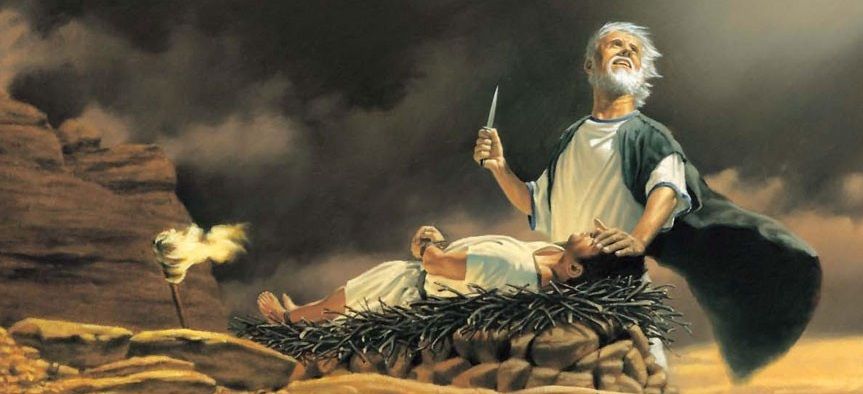
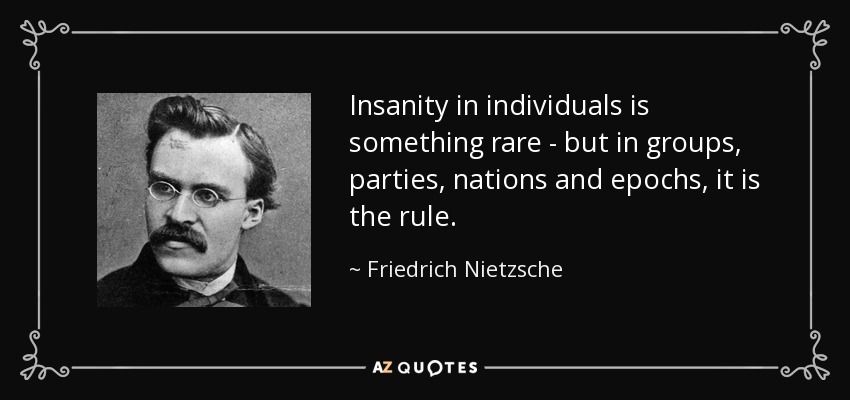




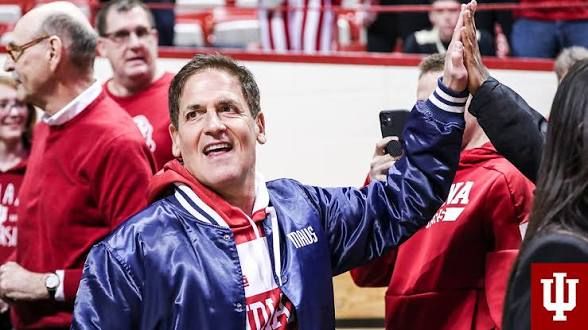




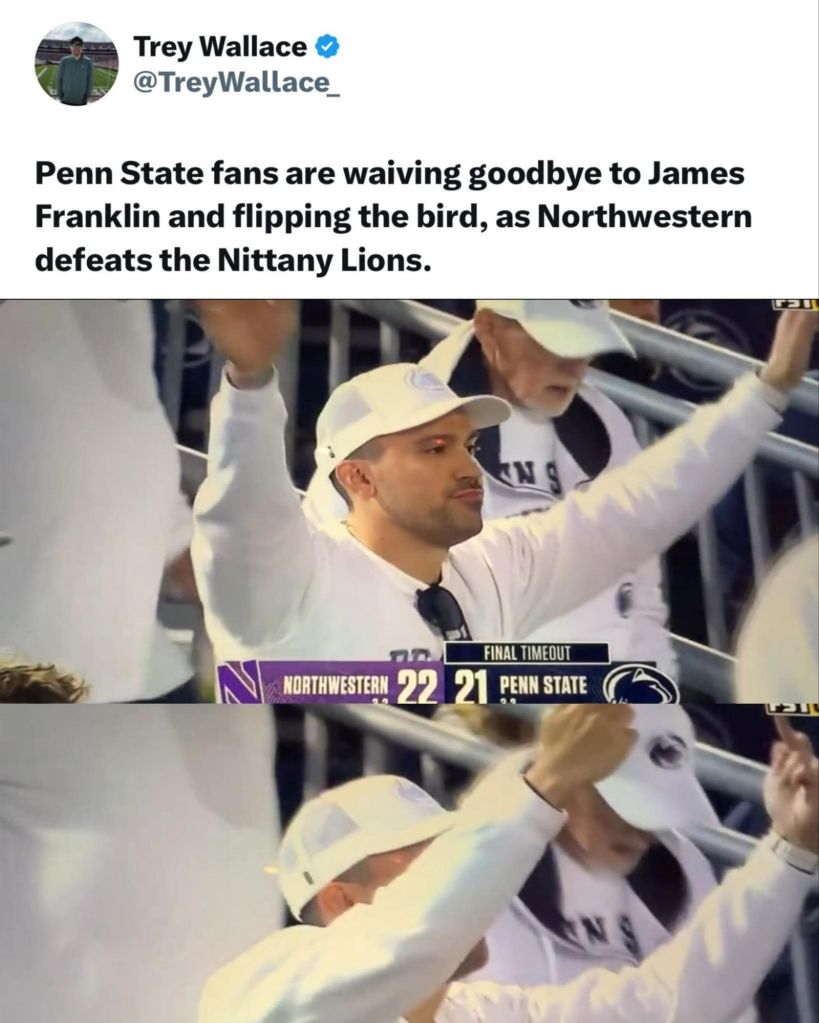



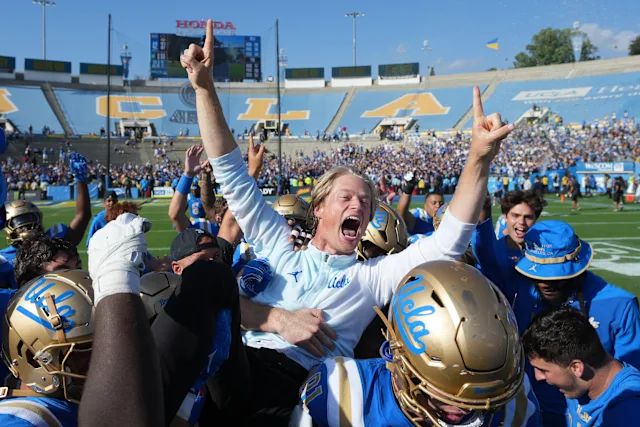
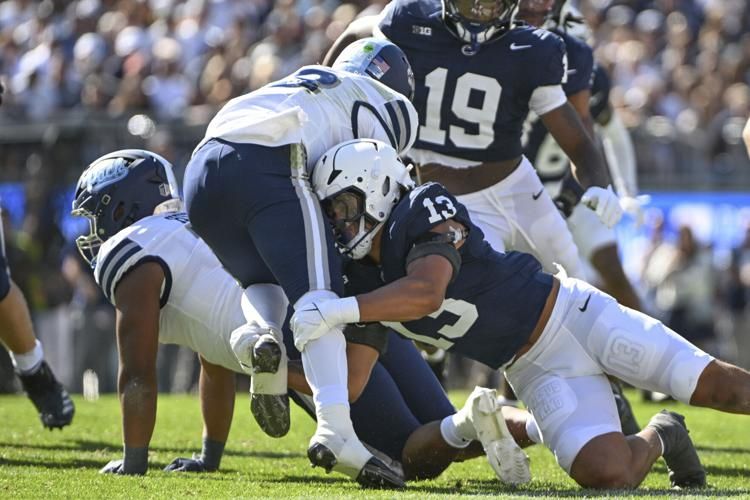
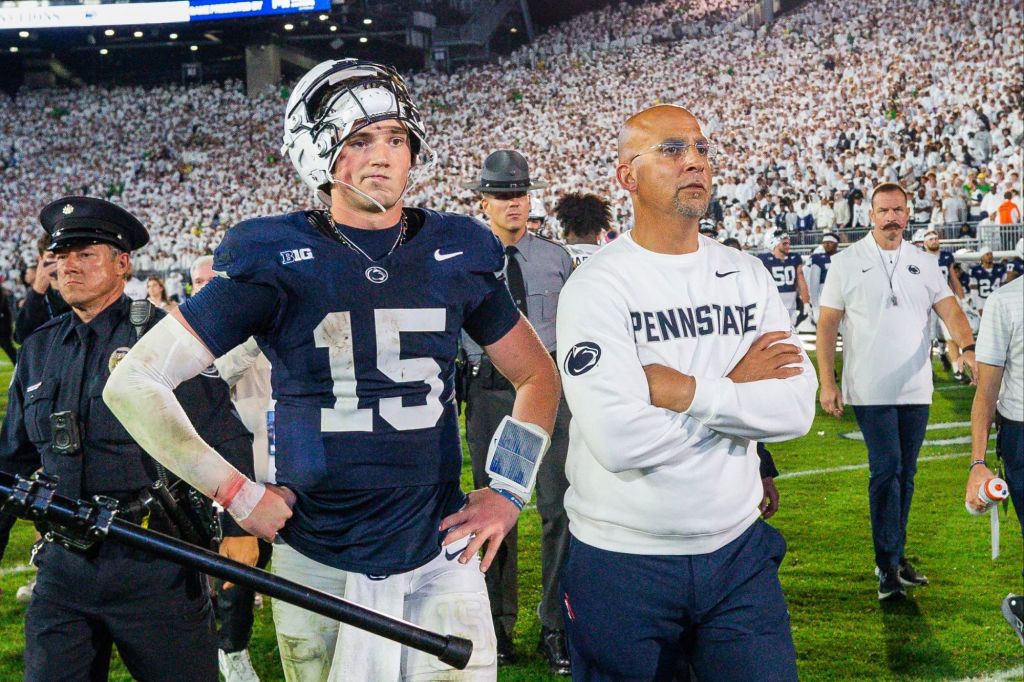
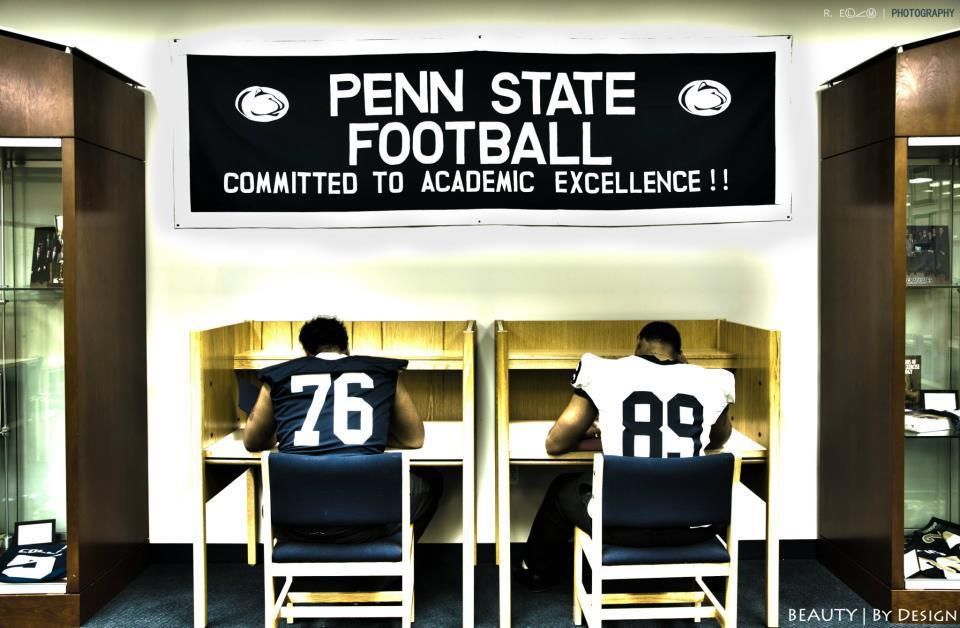









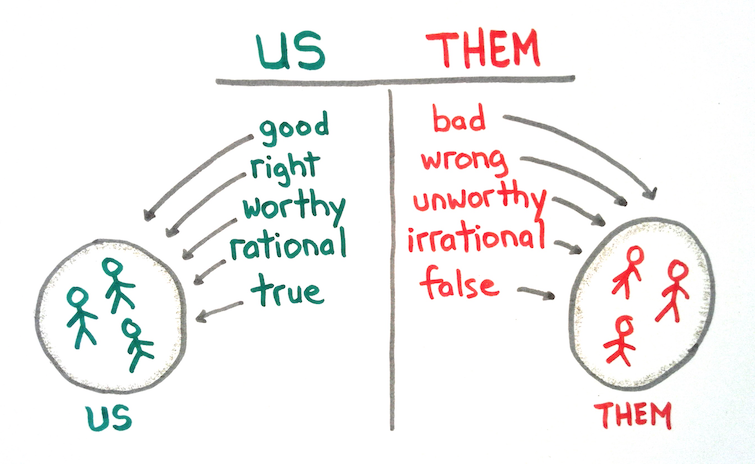


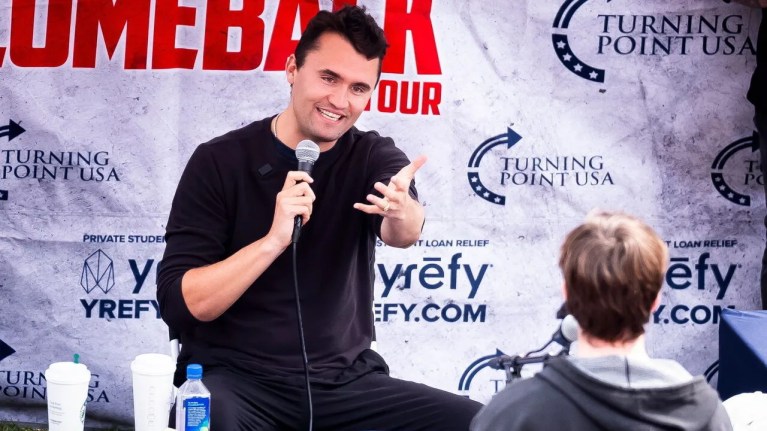

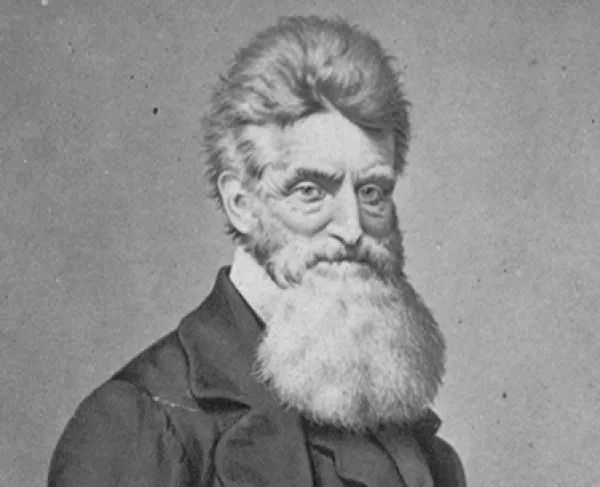

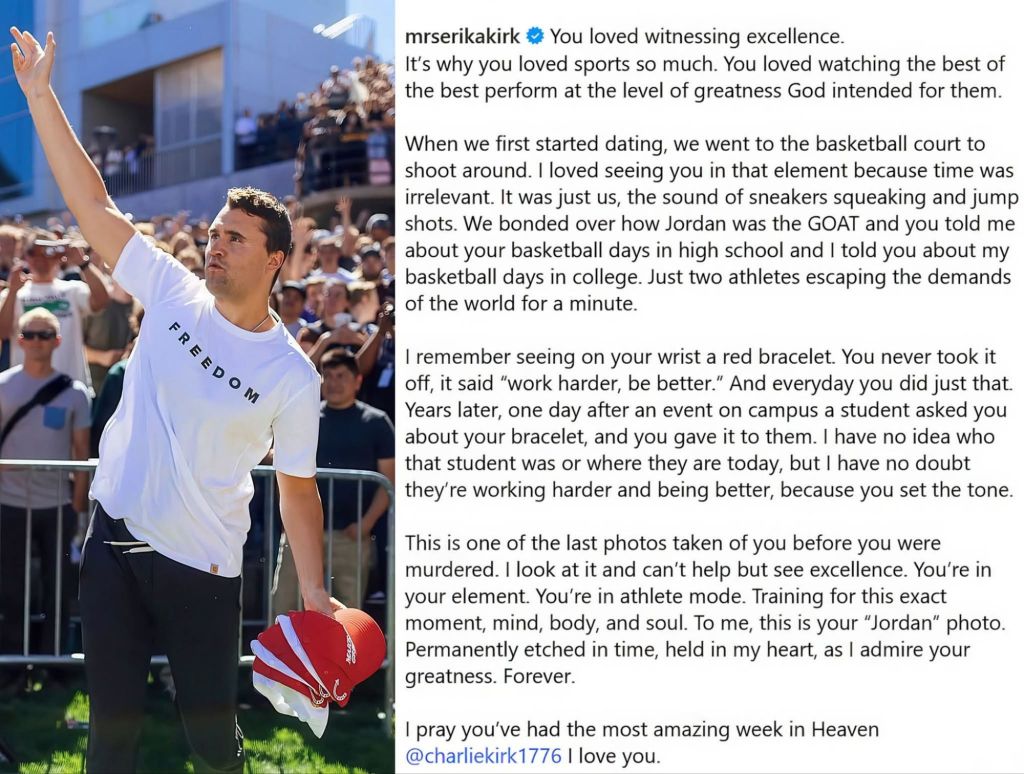


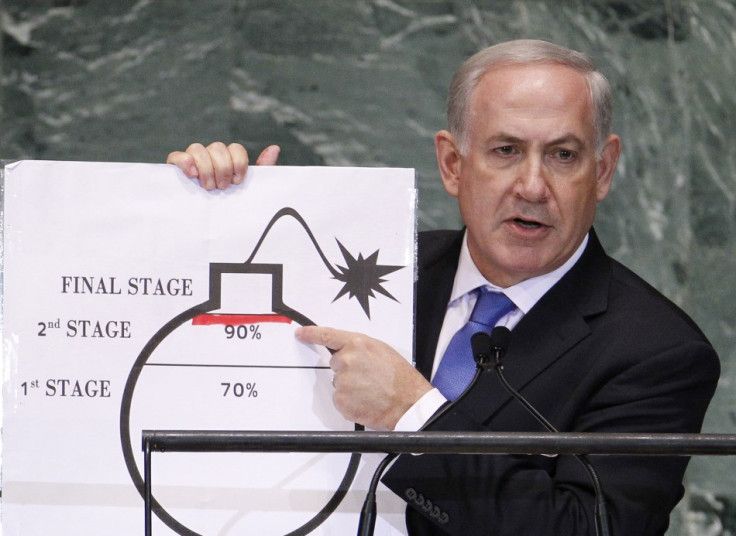




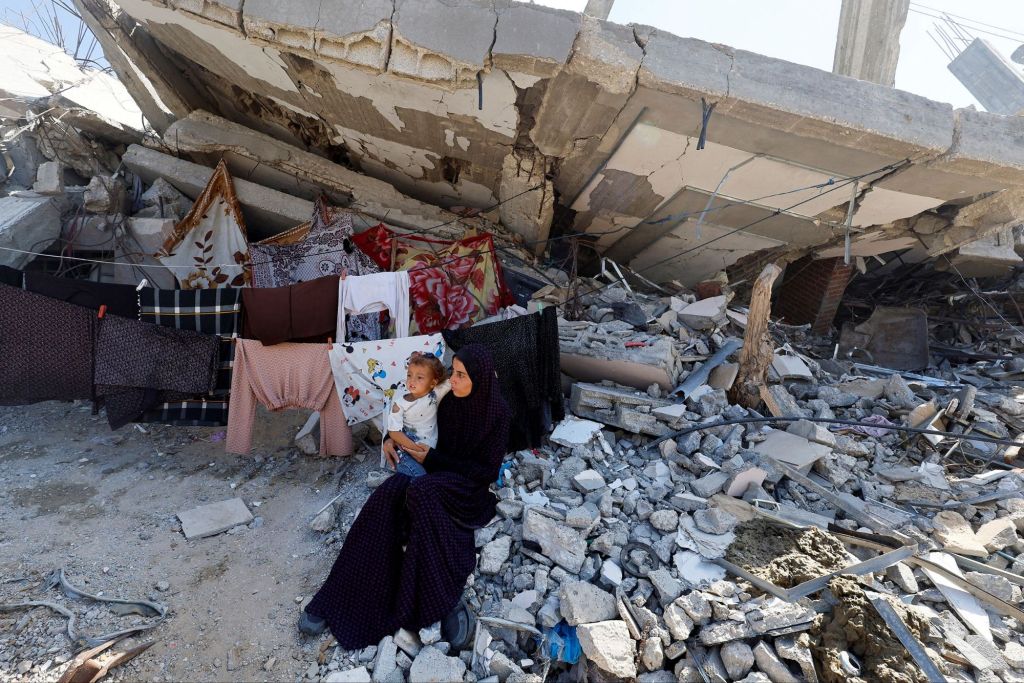



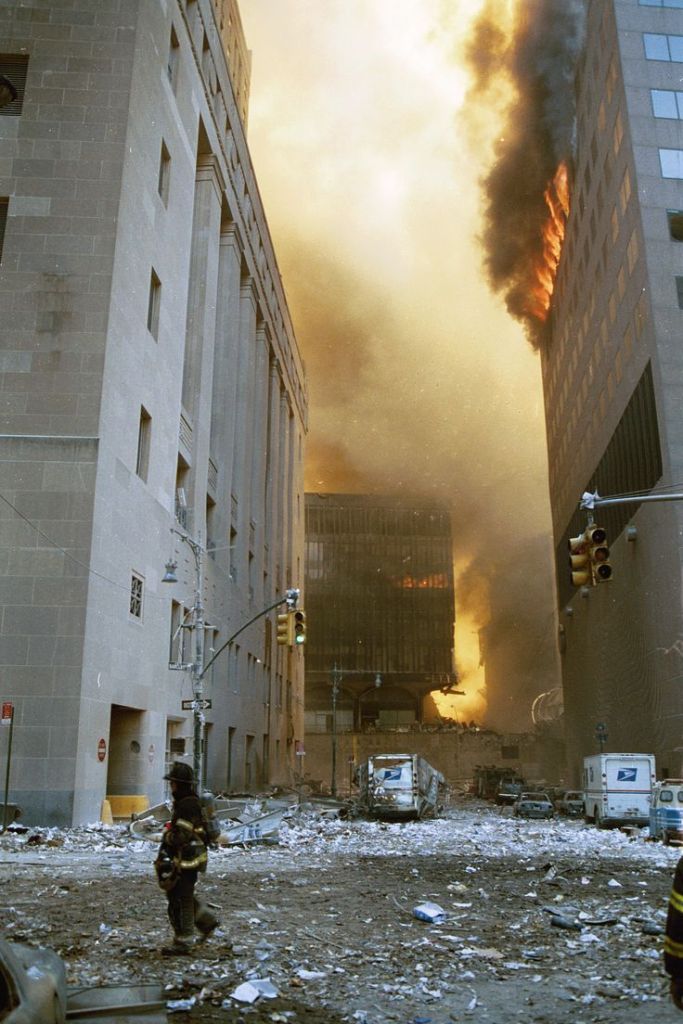








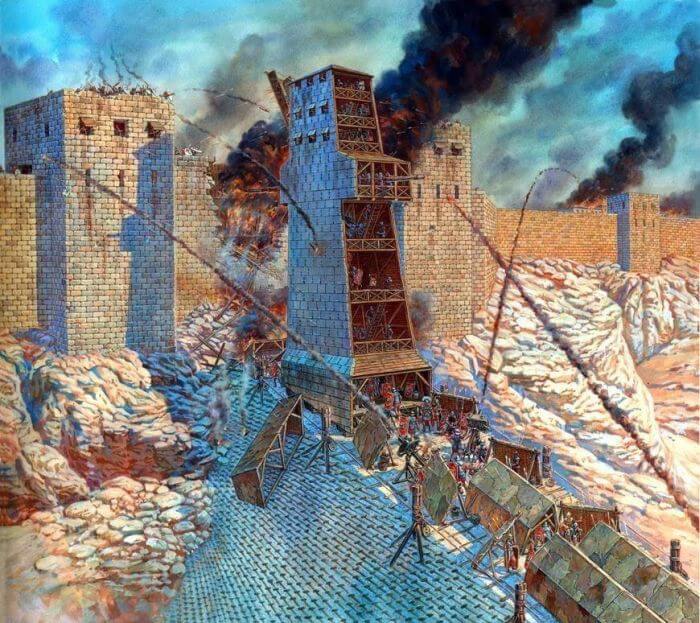


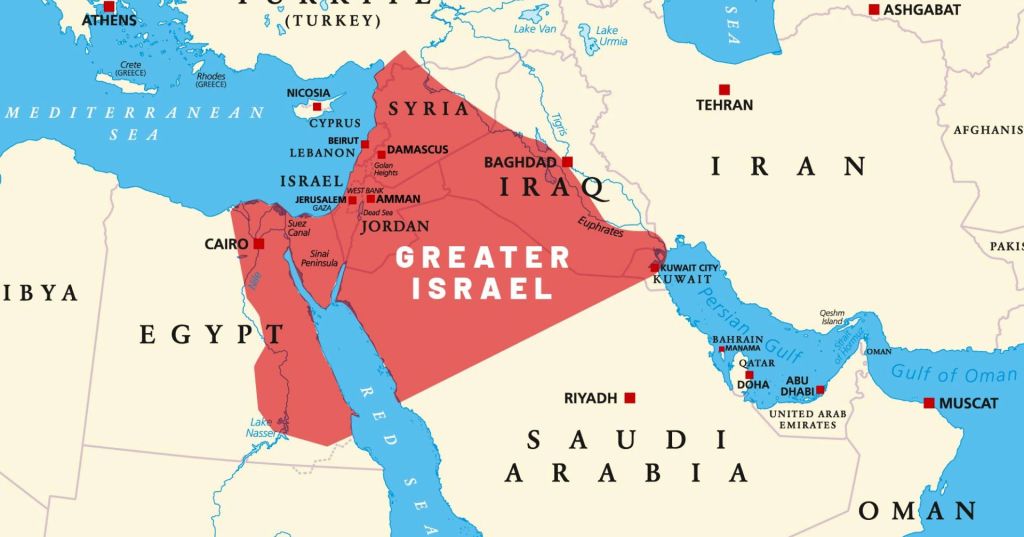
 Irregular Ideation