Seeing October 7th Through the Lens of January 6th

Standard

When dates like January 6th or October 7th become synonymous with events, it’s not just shorthand—it’s propaganda.

These dates are weaponized to anchor emotions, shape narratives, and erase inconvenient context. For MAGA supporters, understanding January 6th’s framing offers a lens to see through the manipulation surrounding October 7th.
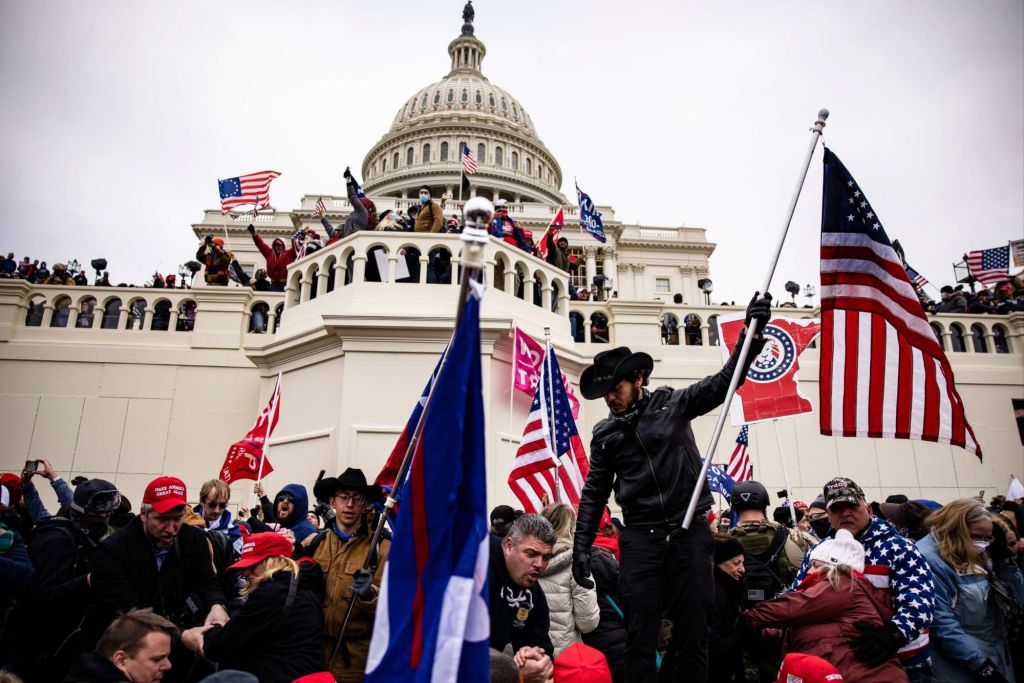
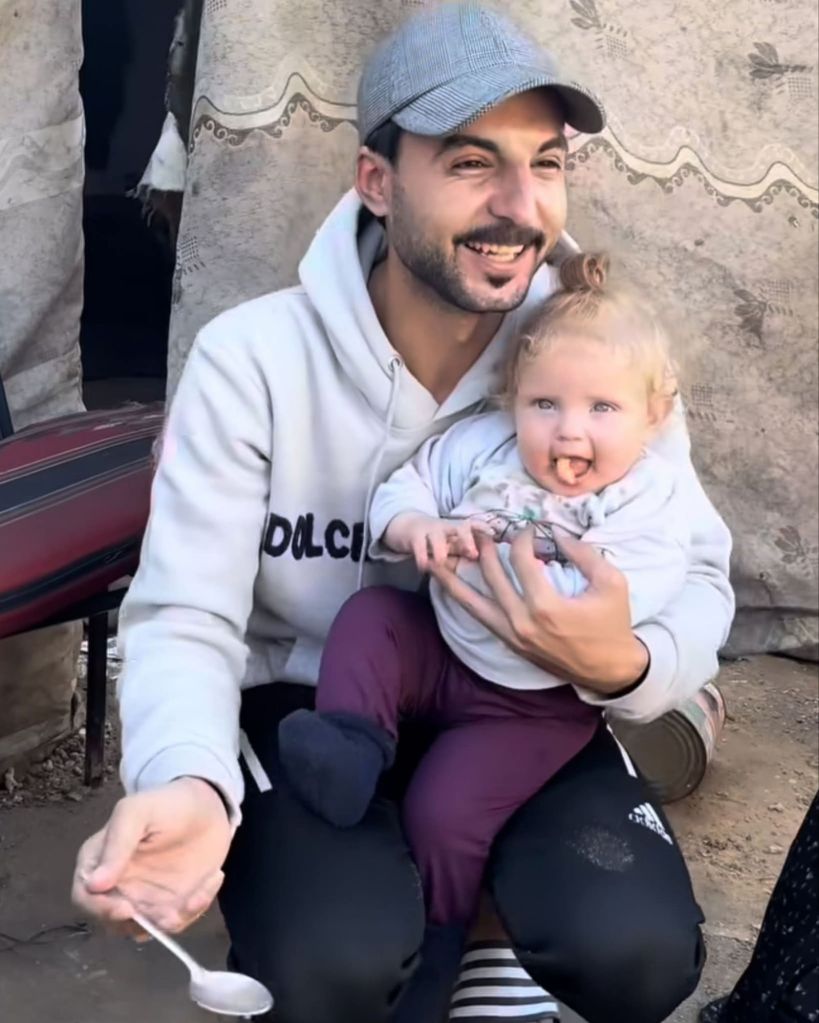
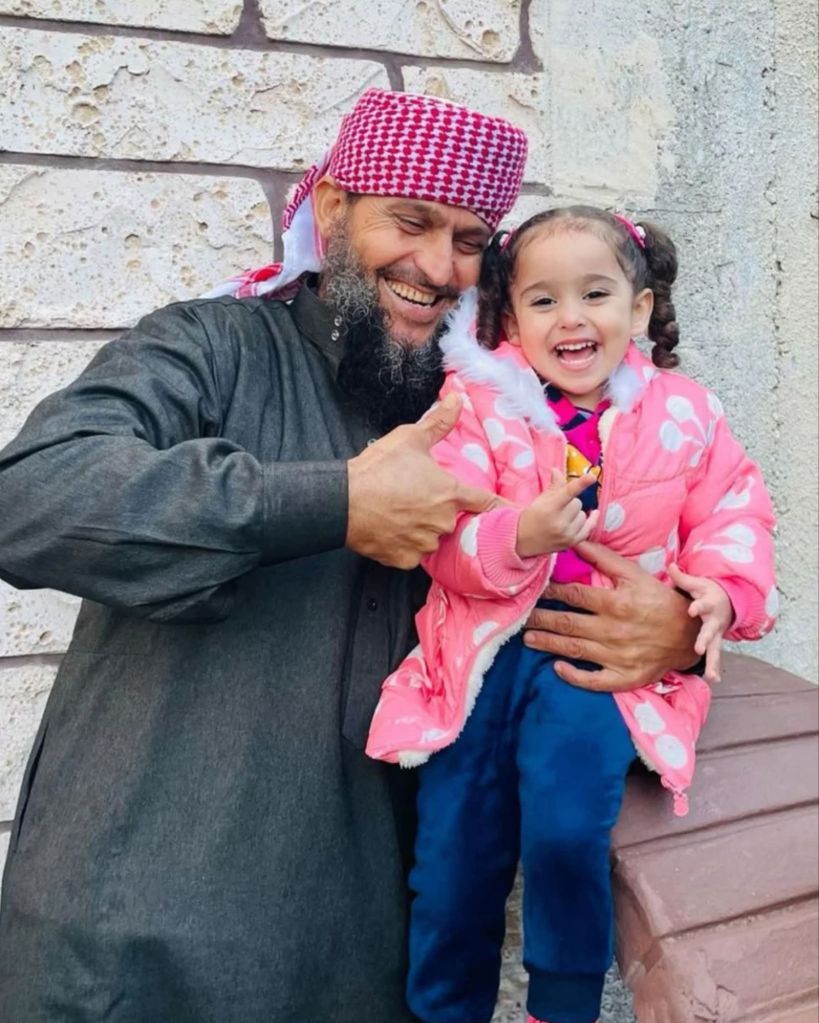
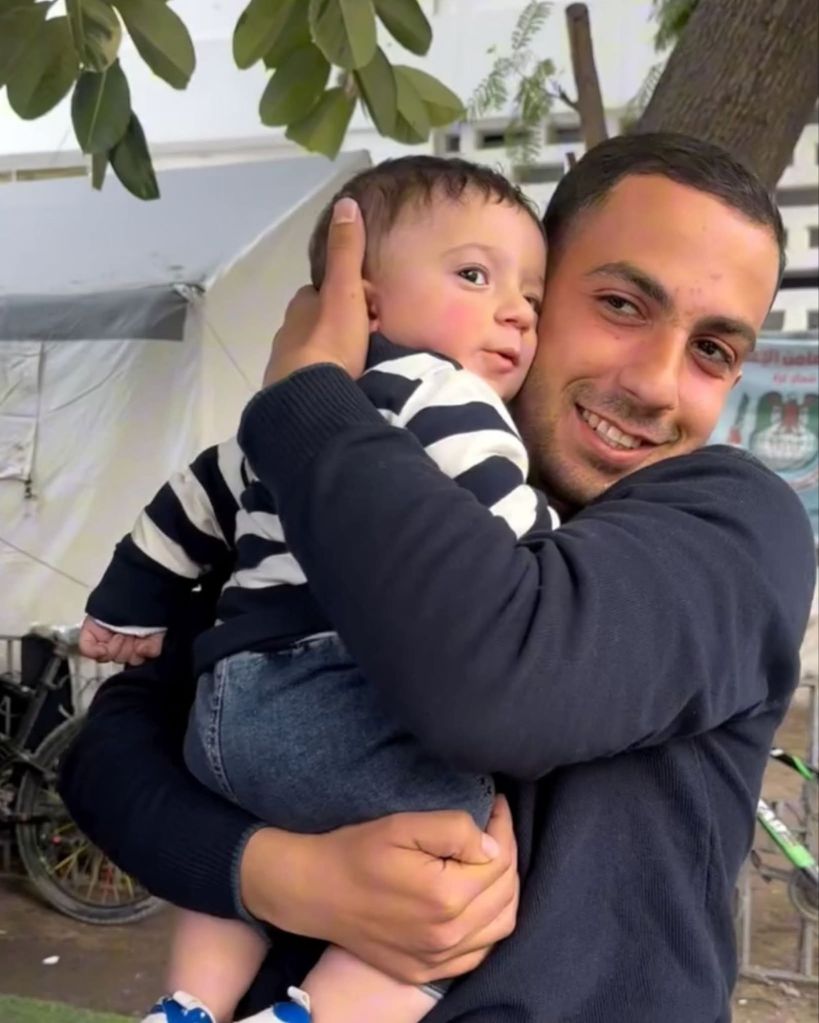
What you see in this picture depends on whose branding and narrative you accept.

Both events, though different in scale, follow a similar playbook: start the story at a moment of crisis to paint one side as the ultimate victim and the other as irredeemable villains, sidelining the deeper grievances that led to the outburst.

January 6th: A Reaction, Not an Insurrection

The MAGA movement views January 6, 2021, not as an “insurrection” but as a response to perceived electoral theft. Years of distrust in institutions—fueled by media bias, dismissive labels like “deplorables,” and a sense of being marginalized—reached a boiling point after the 2020 election.

Supporters saw anomalies: Biden’s 81.3 million votes outpacing Obama’s 69.5 million (2008) despite a lackluster campaign; late-night vote “dumps” in states like Michigan (e.g., a 3:50 AM update with 54,497 votes for Biden vs. 4,718 for Trump); bellwether counties favoring Trump yet not predicting the outcome; and reports of poll watchers being denied access in key locations like Philadelphia and Detroit’s TCF Center.

Beware of accusations like “threat to our democracy” coming from elites and government officials.  More often than not this is just a propaganda technique.  Representatives aren’t the ‘demos’ and sometimes don’t represent the true vote, will or interests of the people.

For example, in Philadelphia, observers were kept 20–100 feet from counting tables, citing COVID-19 protocols, raising suspicions of unmonitored ballot handling. Stories of unsecured voting machines and trucks allegedly delivering ballots further stoked fears of fraud, especially given mail-in ballots’ known vulnerabilities (e.g., 43% of 2020 ballots were mail-in, per Pew Research, with historical cases of fraud like New York’s 1948 scandal).

Whether these concerns held up in court (over 60 lawsuits were dismissed for lack of evidence) is beside the point—what matters is the reality of widespread distrust. MAGA supporters felt their votes were at risk, and “Stop the Steal” was a peaceful rally that spiraled when a massive crowd moved to the Capitol. Some, like a Hill staffer I met, called it terrifying, advocating lethal force to stop it. But this ignores 2020’s context: months of “mostly peaceful” protests with burning buildings and broken glass were tolerated, even celebrated, by liberal elites.

All summer long—never called an insurrection.

Why was January 6 different?

Because the crowd—rust-belt workers, veterans, and ordinary Americans—challenged the establishment, not the usual activist class. The “insurrection” label was swiftly applied, despite no police officers dying that day (Officer Sicknick died January 7 from strokes, not direct injuries, per the D.C. Medical Examiner). The only immediate casualty was Ashli Babbitt, an Air Force veteran shot by Capitol Police while trespassing. Yet, the FBI hunted participants with unprecedented zeal, suggesting a need to brand the event as a threat to democracy. Questions linger: Were agitators like Ray Epps, seen inciting the crowd but lightly investigated, planted to escalate chaos? The lack of transparency fuels suspicion.

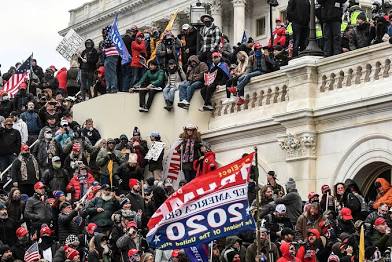
Remember this image of Capital Meemaw, supposedly an example of ‘white privilege’ as an alleged participant in the Capital Riot?  Turns out she wasn’t even there, she was in Kansas.

October 7th: A Culmination, Not a Random Attack

Similarly, October 7, 2023, was not an unprovoked act of “terrorism” but a desperate escalation after decades of Palestinian grievances. Since Israel’s 2007 blockade of Gaza, 2.3 million Palestinians have lived in what critics call an open-air prison. The IDF’s practice of administrative detention—holding Palestinians without trial, sometimes indefinitely—denies basic rights.

From 1948’s Nakba to ongoing settlement expansion, Palestinians face systemic displacement, with Gaza’s conditions (e.g., 50% unemployment, per UN data) fueling unrest. Hamas’s stated goal on October 7 was to capture hostages for prisoner swaps, a tactic rooted in this context, not mindless savagery.

Yet, the Zionist narrative, amplified by Western media, starts the clock at October 7, framing it as an attack on innocent Israelis. Embellished claims—like debunked reports of “beheaded babies” (retracted by outlets like CNN)—flooded headlines to evoke horror and justify Israel’s response, which killed over 40,000 Palestinians by mid-2025, per Gaza Health Ministry estimates.

Like January 6, where police allowed some protesters into the Capitol, reports suggest IDF guards were ordered to stand down or skip patrols before the attack, raising questions about foreknowledge or incompetence. Much of the October 7 death toll (1,200+) may stem from the IDF’s panicked response, with the ample evidence of these “friendly fire” incidents, per Haaretz investigations. This mirrors January 6’s selective outrage: Babbitt’s death was excused, just as Palestinian casualties are dismissed as collateral damage.

The Propaganda Playbook

Both events reveal a shared propaganda strategy:

  • Date Branding: Naming events by dates—January 6th, October 7th—creates emotional anchors. It’s no coincidence that “9/11” or “October 7th” evoke instant reactions, stripping away context like Gaza’s blockade or 2020’s electoral distrust. This glittering generality tactic makes the date a rallying cry, as seen in how “January 6th” became synonymous with “insurrection” despite no legal convictions for insurrection among over 1,200 charged.
  • Selective Starting Points: Propagandists begin the story at the moment of crisis to paint their side as blameless. January 6 ignores years of disenfranchisement; October 7 erases decades of Palestinian oppression. This cherry-picking ensures the narrative serves power—whether the U.S. establishment or Israel’s government.
  • Accuse the Other Side: Both cases accuse the aggrieved of the very crime they protest. MAGA supporters, rallying to “save democracy,” were branded anti-democratic. Palestinians, resisting occupation, are labeled terrorists. This mirrors the projection tactic, where the powerful deflect their own failures onto the powerless.
  • Amplify and Suppress: Media and political actors amplify selective details (e.g., Babbitt’s death downplayed, “beheaded babies” hyped) while suppressing context.  The FBI’s aggressive pursuit of January 6 participants, contrasted with leniency toward 2020 rioters, parallels Israel’s disproportionate response to Hamas versus settler violence.

Countering the Narrative

Critics might argue that January 6 was a clear attack on democracy, with 140 officers injured and $2.7 million in Capitol damage, or that October 7’s 1,200 deaths justify Israel’s retaliation.

But this misses the point: the issue isn’t the events’ severity but how they’re framed to obscure root causes. January 6’s crowd wasn’t plotting a coup; they were reacting to perceived fraud, fueled by denied access to vote counting and anomalies like Virginia’s consistent 55/45 vote splits.

October 7 wasn’t random terror but a response to Gaza’s strangulation, Palestinians tired of oppression—wanting self-determination. Both are distorted to vilify the disenfranchised and protect the powerful.

Conclusion

Dates as names aren’t neutral—they’re propaganda tools to erase history and rally emotions.

MAGA supporters see through January 6’s “insurrection” label because they know the context: a frustrated populace, denied transparency, reacting to a system they distrusted.

Apply that lens to October 7, and the parallels are stark: a people under siege, their grievances ignored, all inhabitants branded as terrorists to justify annihilation.

Question the narrative, seek primary sources (court records, UN reports, firsthand accounts), and use the ABCs of Propaganda Analysis (Ascertain, Behold, Concern, Doubt, Evaluate, Find, Guard) to uncover the truth.

The political establishment wants you to start the story on their date of choice, to dictate the terms of discussion—don’t let them.
Snow Woke—Disney’s Female Empowerment Fairytale

Standard

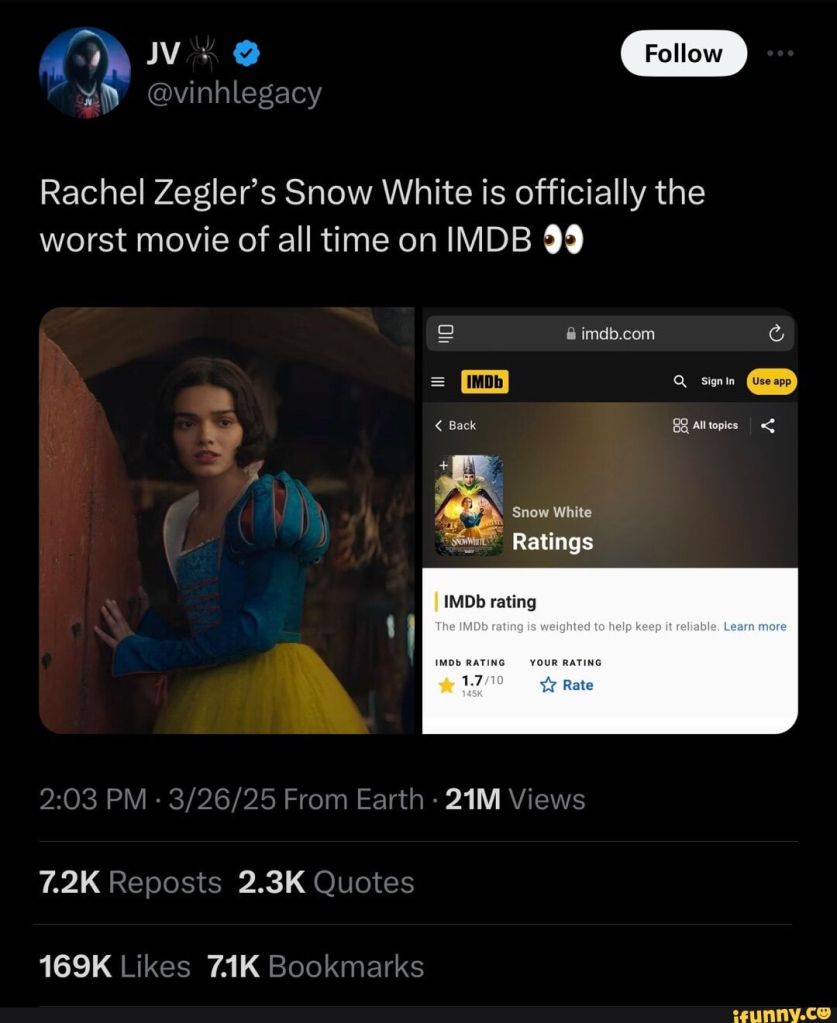
Apparently the Snow White remake bombed at the box office. We could just go with the standard “get woke, go broke” traditionalist assessment. Rachel Zegler comes off as the female equivalent of Andrew Tate—as being angry, entitled, selfish and toxic—which isn’t appealing to a broad audience.

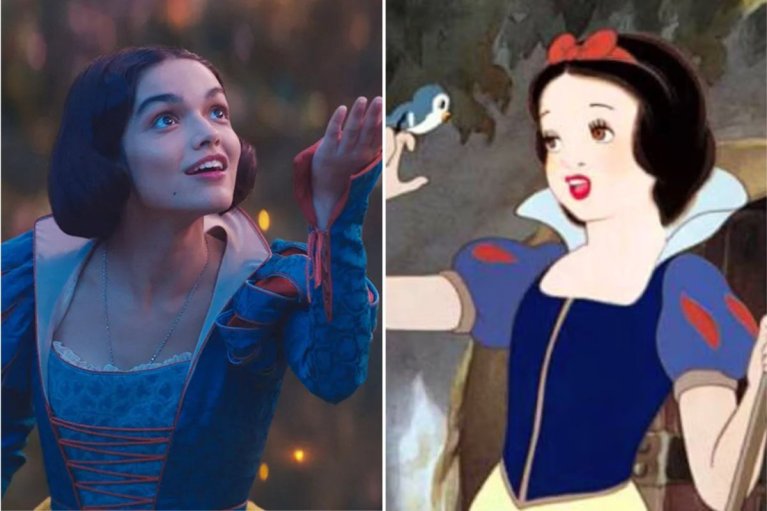
But, before we get into the remake, let’s talk a bit about the original Disney animation of the fairytale. The character deviates quite a bit from the Grimm version. For a start, the fair-skinned protagonist is half the age (7 rather than 14) and there’s no “true love’s kiss” in this original version. Furthermore, she’s a sort of blank slate archetype—not some ideal 1930s homemaker mothering a bunch of dwarfs. In short, the adaptation then was not completely true to the source material and created an image of feminity relevant to that time.

The Grimm version was darker in tone and featured a prince weirdly obsessed with a dead girl in a glass coffin. The dwarfs did not have distinct personalities. And Snow White awakened when the poisoned apple is dislodged from her throat when a servant carrying her coffin stumbles. And it was at this point the prince professes his love and proposes marriage—which she accepts.

The latest Disney live-action takes liberties in a very different direction. It is even less true to the original (other than elimination of the Disney romance) and reimagines Snow White being a sort of feminist militia leader who leads a bloodless insurrection against the usurping queen. But the “mirror mirror on the wall” remains and a poisoned apple—despite the heavy edit of the script where an empowered woman replaces the worn damsel in distress trope.

Why People Don’t Like Snow Woke

People enjoy new takes on old genres, like Shrek or Furiosa and also powerful female characters such as Ellen Ripley in Aliens, Sarah Connor in Terminator or even Katniss Everdeen in the Hunger Games.  They were relatable, we saw them develop, circumstances made them tough to survive, and audiences loved them.  What they don’t like is preachy dialogue or lack of any real character development. A Mary Sue, a hero with no weaknesses, is unrelatable. It is the problem with Superman and with the many woke adaptations of stories.

We like the image of a woman against the machine.

Christian movies have a tendency to be bad for the same reasons. They can come off a little campy or forced. Sure, it may work for drawing your ideological camp, but it isn’t a compelling story for the unindoctrinated or the broader audience. Which is not to say that movies about Christianity can’t be great for entertainment.  I love gritty true stories like that of Hacksaw Ridge or profound, like Silence, will have anyone at the edge of their seats—the key being relatable characters.

Zegler is a bit much. Totally insufferable in the eyes of some. And she plays a part that is equally annoying. The departure from the source material is just too rude. Sure, there is room for an update, but you would never reinvent Rambo as well adjusted pacifist in a mission to avoid too much sun exposure. Disney dumped the essence of the original and replaced it with another tired ’empowered woman’ cliché. You wonder if Zegler herself wrote the script with lines like, “I’m not waiting for anyone to save me” or groaner, “The fairest isn’t about beauty—it’s about justice!”

Ouch.

Oh well, at least even apologists for woke seem to understand that it is just bad. They did not even bother accusing the audience of being racist or misogynistic this time around.

Smash the Symbolism!

What is truly lost is the symbolic depth of the original tale. Snow White was beauty and purity contrasted with the vanity and evil of the obsessed queen. They gutted what made the Grimm tale a significant message about the triumph of innocence over the destructive power of pride. This, obviously, is too nuanced for a superficial sexual organ obsessed militant far-leftist to understand. The producers of the new film replaced purity of motive against cunning with a banal competition for power.

It’s not even moral inversion. They totally lost the point. It makes me think they lack any layers to their being. It’s all about their grievance and getting back at those they’ve scapegoated for their own misery. Like the evil queen, with all the power, they envy the beauty and peace of others and attempt to kill it with their poisoned apple. Snow Woke is the toxic fruit. Zegler is an icon of their privileged ‘diverse’ female with an entitled chip on her shoulder and not the slightest bit of appreciation for all the good men who made her ignorance possible.

This is not to say those who are fixated on the literal whiteness of the actress are any better. Grimm was not writing about racial supremacy anymore than woke supremecy, if anything the original story was about our transcending politics and Zegler would be perfectly suited for the role if she were able to embody that spirit. But our culture, in a desperate need of critique, it dichotomizes everything—divides the world into friend or foe, as if life is a zero-sum game and there is never anything to gain through fusion of opposites.

Zegler is as Puritanical (and Pharisaical) as a religious fundamentalist. She reframes a rescuing prince as a stalker and romance as weird. More rigid than a patriarch, more domineering than the system she is taught to loath. A preacher rather than an actual protagonist. Basically, a young idealist who wields her moral certainty with a convert’s passion, and yet stumbling into hypocrisy under scrutiny—reaping benefits of every institution she claims to reject.

The Female Power of Beauty, Gentleness and Grace

A few years ago, I was in the checkout line and suddenly noticed the cashier. She was beautiful, pale or ashen-faced, with hair that was jet black, pleasant smile and yet there was something uncanny valleyish about her appearance. I could not quite put my finger on it. But then she spoke. This would send a shiver through me. Never before did I have that sort of feeling simply by hearing someone talk. There was a certain quality to her voice that was almost child-like, soft, pure, and really threw me for a loop. And it occurred to me that this young woman was a real life Snow White.  I had not thought this would actually be attractive in person, but it had me momentarily smitten.

As it would turn out, in a later conversation, I learned she was mixed race, Filipino mom and dad of some kind of European descent, which is likely what gave her this stunningly feminine appearance. Now, no doubt this gentle exterior was cover over a tough and capable individual. She drove an old pickup truck and lived apart from her family with a sister, and may well have been a teenager or in her early twenties. In many ways she is like Zegler (who is herself a mix of Colombian and Polish heritage), but this real-life Snow White wielded her beauty, gentleness, and grace as a quiet strength that captivated without preaching, Zegler’s strident zeal turns a timeless tale into a soapbox, losing the feminine power of subtlety for a hollow shout of self-righteousness.

This is what outspoken angry feminists fail to grasp, forcefulness isn’t the only kind of power. My petite wife could never command me to do anything. I’m 50% bigger than her and have twice the upper body strength, I would shrug it off. But she does not need to force me to do anything. She overpowers me by other means. For example, early on, before we were married, she convinced me to stop drinking so much soda, she told me water is a symbol of her love “pure and clean” and when I drink it I could feel her love. I didn’t need to be told twice.

When I look at my baby daughter I would do anything for her. She’s so vulnerable—there is a strong desire to protect and defend her—I’m drawn, not compelled.

So what does female empowerment really mean?

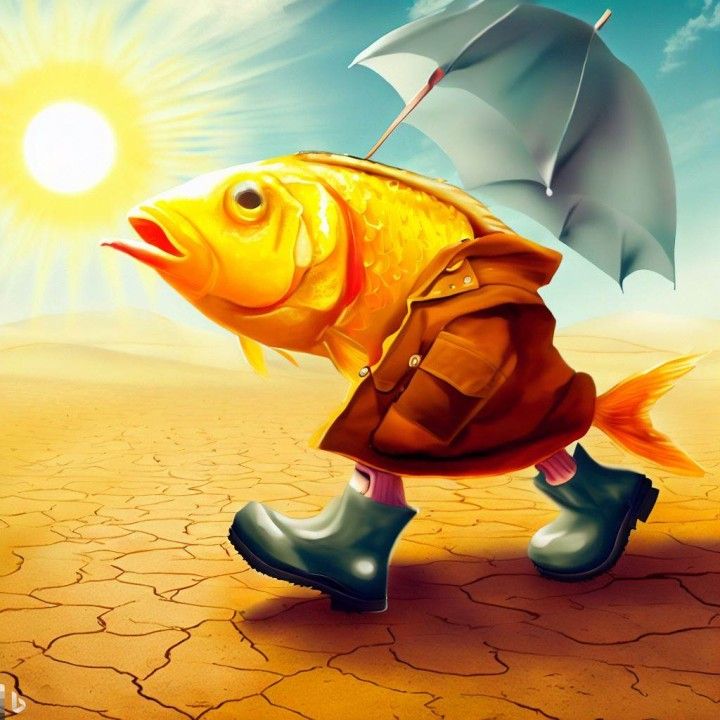
Is it empowering to a fish to be out of the water?

A visual representation of society telling individuals they need to be something else to be happy.

Humans are wired for their base biological and physical functions. Reproduction is a big part of this. It becomes clear after you see process through from courtship to baby in a carriage. Early in the pregnancy, given our financial goals, my wife had considered sending the yet to be both child to be raised by her mother. But as soon as the bundle of cuteness arrived, along with the appropriate hormones, it was never a question. Family is empowerment. My sacrifice, as a father, is more rewarding than the toys I could buy for myself as an independent bachelor.

We’re relational, not rational.

Therefore, the things we think will make us happy do not give us long-term fulfillment—the woke Zegler types are privileged, given preference as women or minorities, and yet always unhappy and looking at what others have and they do not. They are a paradox, enjoying female privilege—then miserable and wanting what men have.

It is toxic, it is their impurity of spirit, and it destroys their natural beauty and potential for true empowerment.

In all honesty, I don’t really have a problem with Zegler’s passion or outspokenness.  I guess I tend to prefer women with a real personality and feel she is right on the Gaza issue.  But what is wrong is that she’s not the right character to play what is supposed to be an embodiment of purity and the power of innocence against evil.  Snow White isn’t supposed to be Mockingjay or a story where physical force met with force—but of a different kind of power.

Ultimately, the 2025 Snow White stumbles not just as a film but as a misguided anthem, with Rachel Zegler’s shrill militancy drowning out the subtle power the Grimm tale once whispered. The original’s purity and even Disney’s 1937 grace knew strength isn’t loud—it’s captivating, like the cashier whose soft voice and uncanny beauty stopped me cold, a real-life Snow White wielding gentleness over force. My wife, too, overpowers me not with commands but with a love pure as water, turning a stubborn man into a willing protector, and just as our daughter’s vulnerability stirs my soul to shield her. Zegler’s remake, obsessed with preaching justice over enchantment, misses this: true feminine empowerment doesn’t need a megaphone or a militia—it’s the quiet, relational magic that binds us, a truth the poisoned apple of ‘Snow Woke’ chokes out, leaving a hollow echo where a fairytale’s heart once beat.

The Russo-Ukraine War—A Timeline

Standard

As with most reporting of current events, the presentation of the ongoing conflict between Russia and Ukraine is distorted.  Both sides are engaged in their own propaganda.  It is said that truth is the first casualty of war and, in the case of this one, the falsehoods span many decades.  The first thing to do, to get beyond this, is explore the history leading to to the present…

862 —1242 

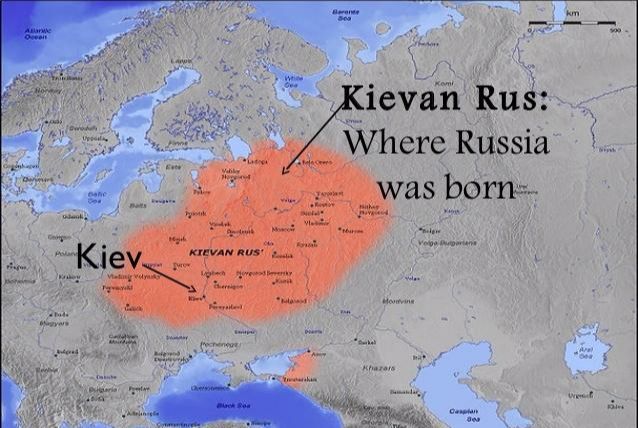
East Slavic tribes, in the area of modern-day Ukraine, Belarus, and Russia unite to become the Kievan Rus’ people.

980 — 1015

Vladimir the Great brought Christianity to the Kievan Rus’ people.  Often referred to, in the West, as the Eastern Orthodox, this tradition (practiced from Egypt all the way to Greece) broke from the Roman Catholics in 1054.

1237 — 1480

The Mongols invaded and, laying siege to Kiev in 1240, came out victorious.  This begins a period of Mongol rule.

1547 — 1721.

Mongol rule fades.  The Muscovy dynasty rises.  This Tsarist Russia, with periods of chaos and conflict, including what is referred to as a Time of Troubles from 1598 to 1613, ends with the rise of Peter the Great and brings us to the modern age.

1721 to 1917

The Russian Empire expanded from historical Kievan Rus’ territory and, stretching around 8,800,000 square miles, became the third largest empire in history behind the British and Mongol empires.

An empire spans West to East

March 22, 1917

Tsar Nicholas II and his family are murdered by Bolshevik revolutionaries.  Their dynastic rule over the people of Ukraine, Moscow, and the entire Russian Empire, which had been weakened by their involvement in WW1, was replaced by a Communist state.  The USSR (Union of Soviet Socialist Republics, aka the Soviet Union) was very antagonistic towards Christians.

Orthodox Cathedral demolished by Soviets

1922–1952

Joseph Stalin, an ethnic Georgian, becomes the General Secretary and begins his rule over the Soviet Union.  His reign is marked by the Great Purge, from 1936 to 1938, when from 700,000 to 1.2 million people are killed, the number including many Orthodox priests, and political dissidents are rounded to be sent to Gulags.

1929

The Organization of Ukrainian Nationalists (OUN) is formed in Vienna.  This group was known for the assassinations of Poles, Russians, and Jews.  It was later supported by the CIA as part of an effort to undermine the Soviet Union and led to a bloody insurrection.

1932-33

Of Stalin’s atrocities, the Ukrainian famine or Holodonor, when 3.9 million were starved to death, stands out.  This suffering is directly the result of a collectivist plot against successful private farmers.  This murderous Soviet campaign was covered up with the help of the New York Times and Walter Duranty, a Pulitzer Prize-winning journalist, who wrote glowing reports about Stalinism.

June 23, 1941

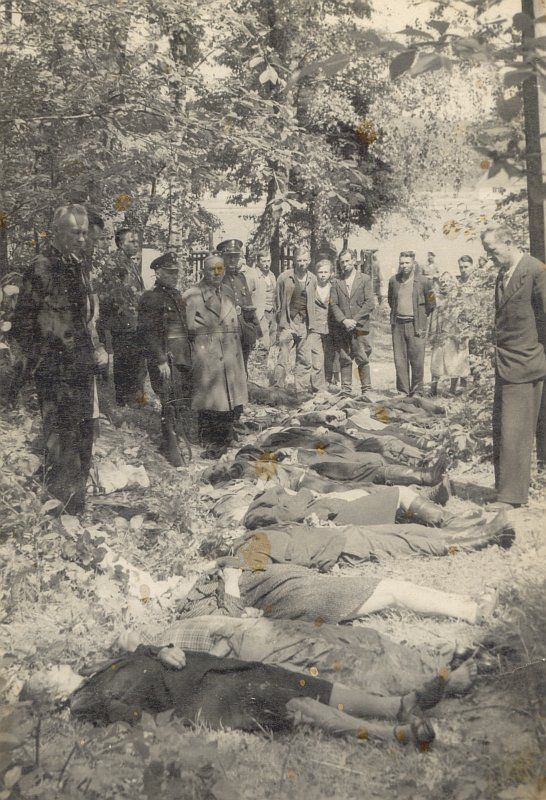
Stepan Bandera, the leader of the far-right Ukrainian nationalism, reaches out to Nazi invaders offering his support in exchange for an independent Ukrainian state.  Bandera is responsible for the brutal massacre of ethnic Poles, from 1943 to 1945, and is celebrated today as the father of Ukraine.  Ukrainian paratroopers (and nationalist priests) today chant “Our father is Bandera, Ukraine is our mother!”

Poles murdered by Ukrainian nationalists

1941—1944

Vladimir Spiridonovich Putin and Maria Ivanovna Shelomova struggle to survive the brutal German siege of Leningrad (now the city of St Petersburg) and are nearly killed.  Vladimir, who lost a couple brothers in the battles, was wounded by a grenade in the fighting and crippled for life.  The pair met after the war, got married, and had a son named Vladimir Putin in 1952.

April 4, 1949

The North Atlantic Treaty Organization (or NATO) is formed in Washington DC as an alliance to oppose the Soviet Union.  The Warsaw Pact was created in May of 1955 as a response.

February 19, 1954

Crimea, which was part of Russia since being annexed from the Ottomans back in 1783, was gifted to Ukraine by the Soviets as a gesture of friendship.  This ethnically Tatar and Russian-speaking region is the site of a key warm-water Russian naval base.

Oct 16, 1962—Oct 29, 1962

The Soviet Union responded to the United States putting nuclear missiles in Italy and Turkey by sending their own missiles to Cuba.  The Kennedy administration, after the failed Bay of Pigs invasion, authorized a CIA campaign of terrorism and sabotage within Cuba, answered with a naval blockade.  The Cuban Missile Crisis ended when Moscow backed down after a secret deal where the offending US missiles were removed from Europe.

Nikita Khrushchev, Fidel Castro, and JFK

1979—1989

A pro-Soviet government took power in Kabul in 1978 and tried to counter Islamic traditionalism with steps towards modernization.  They invited Soviet military advisors and this led to troops being deployed to help the Afghans suppress the insurgency.  The CIA supplied the Afghan rebels and foreign fighters (including a Saudi named Osama Bin Laden) the Mujahideen, with weapons.  The Soviets withdrew after a humiliating costly affair.

December 26, 1991

The Soviet Union collapsed, the Warsaw Pact dissolved, and Soviet republics (including Ukraine) given their independence.  NATO begins an eastward expansion, absorbing former Soviet republics.  Russia falls into disarray as oligarchs partner with the West to exploit the vast resources of that country—Ukraine also becomes known for extreme corruption.

March 24, 1999—June 10, 1999

NATO intervened on behalf of Kosovo rebels, who had been resisting Serbian authorities, and then demanded that the country be partitioned along ethnic lines.

December 31, 1999

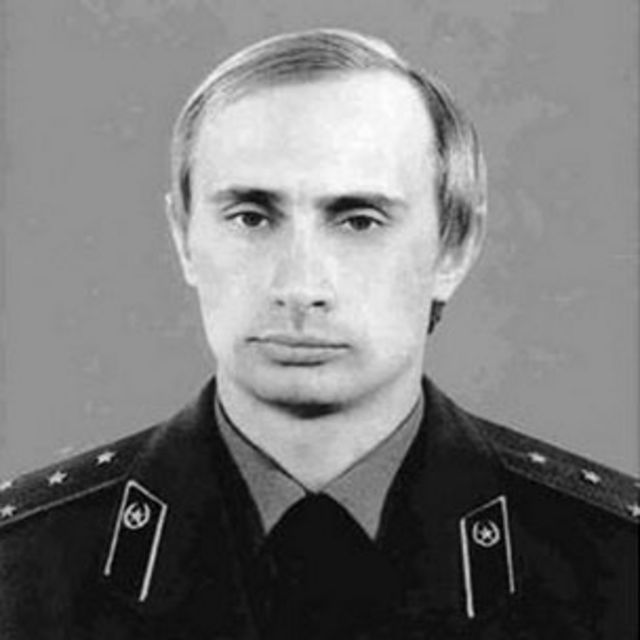
Vladimir Putin became the acting President of the Russian Federation when Boris Yeltsin unexpectedly resigned.  From 2000 to 2004, after winning a special election, he begins to reform the country and reign in the oligarchs forcing them to answer to his government to keep their power.  Putin opposes the expansion of NATO to his border, regarding it as a threat to Russian sovereignty, and makes this red line clear.

Vladimir Putin, a former KGB officer.

Nov 21, 2013—Feb 22, 2014

The democratically elected President of Ukraine, Viktor Yanukovych, decided to keep closer ties with Moscow over the European Union.  This leads to protests in Maidan Nezalezhnosti (Independence Square) in Kiev.  The protestors occupied the square, they had their own food production, medical, and broadcasting facilities, along with that, stages for speeches and performances, as well as their own security forces.  This boiled over when snipers, still unidentified, fired on the crowd.  Both police and protesters were killed in this attack.  Before this escalation high-ranking US officials, then Secretary of State Victoria Nuland and the Ambassador to Geoffrey Pyatt, picked the replacement of Yanukovych who was later overthrown in the Maidan coup.

May 12, 2014

Hunter Biden, son of the then US Vice-President, Joe Biden, is given a seat on the board of Burisma Holdings, as a “legal advisor” and is paid over a million for this service.  He gave Burisma executives access to his politically powerful father and later the elder Biden would brag, live on television, about a quid pro quo that got a Ukrainian prosecutor fired—who had been investigating Burisma corruption.

Like father, like son

Feb 20, 2014 – Mar 21, 2014

The Russians, believing their naval base in Crimea would be threatened by the new pro-West government, moved quickly to secure it from the Kievian nationalists.  They already had a significant military presence there, it is a Russian-speaking area, and the Crimean status referendum, held on March 16, 2014, had an 87% turnout and was 97% in favor of reunification with Russia.  

April 6, 2014–February 24, 2022

The Russian-speaking Donbas region also wanted more autonomy, they opposed Kiev’s efforts at “Ukrainianization,” which sought to erase their Russian heritage, and eventually declared their independence.  These breakaways were invaded by the Kievan regime, starting a war that killed over 14,000 and lasted nearly eight years before the current Russian intervention.

Donbass, when nobody outside Ukraine cared about the war.

May 2, 2014

Protests around the country became violent again when the right-wing nationalists, who favored the new post-coup government that had been installed in Kiev, forced opposition demonstrators into a building that was set ablaze.  This incident, the Odessa Massacre, burned alive 48 people, some of those who did manage to escape were beaten by the mob.  Like the shootings used to justify the Maiden insurrection, nobody was arrested or charged for this mass murder.

April 21, 2019

Volodymyr Zelenskyy, a comedian, groomed by an oligarch, wins the second round of voting in a landslide victory and becomes the President of Ukraine.  He promised to bring peace and end corruption.  There was not much success on either front.  Human rights abuses have only increased during his presidency and especially after the start of the Russo-Ukraine War.

Zelenskyy, the other Vlad.

February 24, 2022

After massing their troops on the Ukrainian border, Russia demands that the shelling of Donbas cease.  When the attacks continue, the “special military operation” begins, which is condemned in the West as an “unprovoked invasion,” and is now effectively a proxy war between NATO and Russia.  The bloodshed continues to the time of this writing.

Vladimir versus Volodymyr

While many commentators, on both sides, want to present this as a battle of good and evil, it is really a fight between spiritual (even actual) cousins.  Those who say that Russia is the aggressor neglect that the war began years ago with the Ukrainian nationalists and their campaign against separatists, that this came about as a result of a coup apparently orchestrated by or at least with the direct aid of the US State Department.  If Ukraine can be independent of Russia, or Kosovo from Serbia, why not Donbass?  And who says that the Soviets handing over Crimea, in the 1950s, is more valid than the referendum that brought it back?

The US “rules-based international order” only makes sense for those who share the bias of those spoon-fed by US media.  The legacy of CIA support for terrorism abroad and the violent overthrow of democratic leaders makes anything done by Russia seem like child’s play.  The US acts with impunity around the world—provoking sanctioning, and invading with destructive campaigns of “shock and awe” anyone who dares to oppose its imperial aims.  The US really had no business playing kingmaker in the backyard of Russia.  The US enforces the Monroe Doctrine in the Western Hemisphere, why would Russia (or China) be happy with our military expansion in their own areas of national interest?

Us-rules based order

Sure, Russia isn’t faultless, by any means, and Putin is no St. Vladimir either.  But, that said, neither is Zelenskyy or the Kievan (Kyivan) nationalist regime he represents. 

Truthfully, the most significant difference between the two sides of the war may actually be their Slavic language dialects.  Which is to say it isn’t much.  Both sides commit war crimes, both lie about the other side, and both also share the same religious and ethnic heritage.  They are natural allies, given their shared Kievan Rus’ history, which is probably why Western powers want to instigate and encourage the division.  It is a family feud, a fratricidal war, and benefits only the US military-industrial complex.