
From Tribal Vengeance to Universal Justice: In Pursuit of One Higher Standard 

Standard

The default position for most people is some form of tribal ethic. If it is done to them or their own family by another tribe it is a horrendous and terrible crime. But, when only those in another tribe are hurt or if they are afraid that confronting the abuse will hurt their own tribal agenda—then suddenly the unforgivable becomes a “Who cares, everyone does it, why are you bringing that up again?”

Tribal ethics amount to doing only what is good for the tribe—usually sacrificing the rights of an individuals in the tribe and always denying the basic humanity of those outside of the tribe. Individual rights of those in the tribe are generally honored, but only so far as protecting them is useful to the collective and not as something that is absolute or immutable. If a few die for sake of the tribal order—are stoned to death for daring to pick up sticks on the Sabbath—that’s just how it is.

The Old Testament is full of this. Your own are completely free to enslave, rape or take from those outside the tribe and yet would be enraged if one of their own were treated in the same way—like when vengeance was taken by Dinah’s brothers who wiped out a whole city for sake of the family’s honor. If it were within the tribe the attitude would be quite a bit different. Under Moses law this was simply a matter of paying the price of the bride and not a death sentence. And it is clear that things morally abhorrent by a modern standard, like genocide, were done by the command of God.

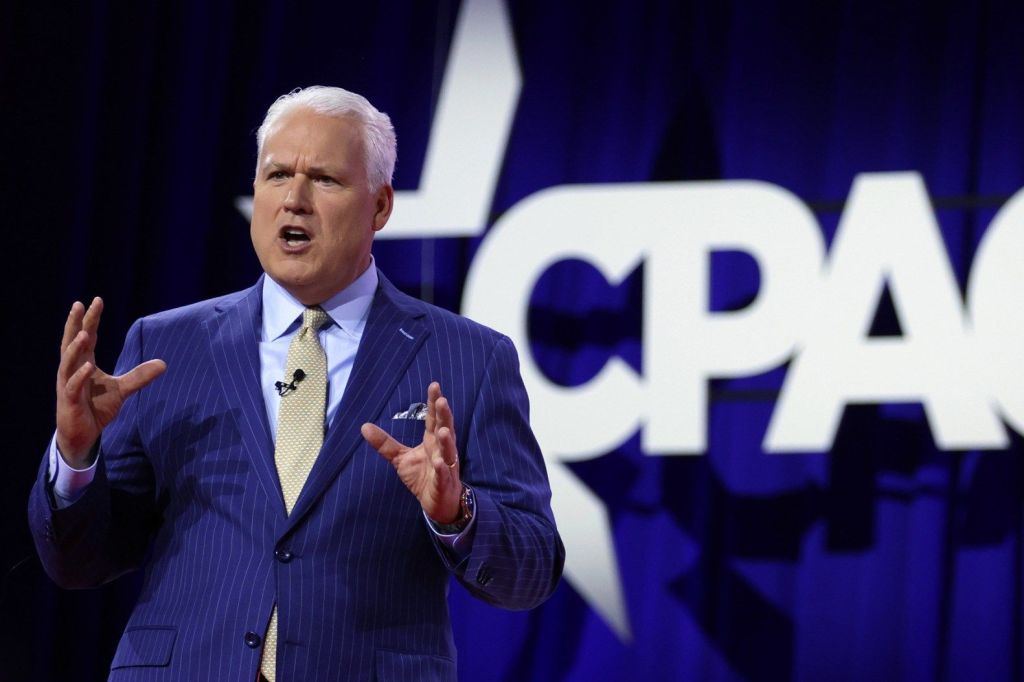
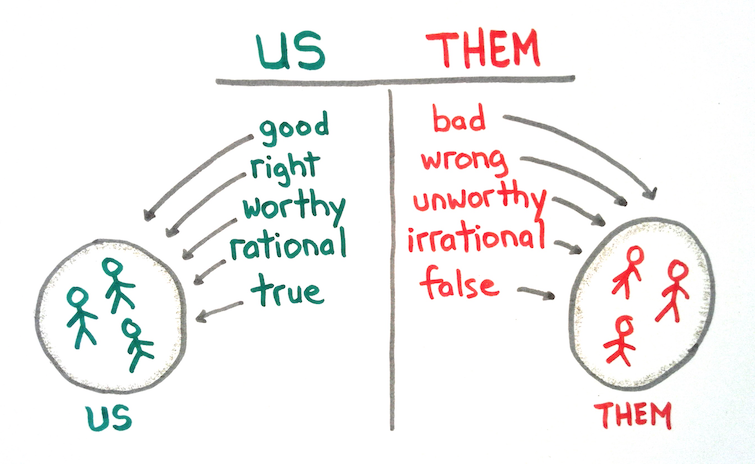
Tribalism is a feature of politics, a natural or default condition, where we defend our own and demonize the other. To the left Charlie Kirk deserved to die for his sins of hate they claim were harmful to their woke collection of identities. The Evangeli-cons soak up the propaganda from Israel that paints children in Gaza as future terrorists. We protect the people most like us because and adjust our moral rules according to the situational and immediate needs of our tribe.

A Case For One Higher Universal Standard

But a Christian ethic is completely different from this. It says sin is sin.  Evil is evil no matter who is committing it or who it is against.

And, if anything, those who are in the church, who profess their faith in Jesus, should be held to a much higher standard. There is no room for favoritism (James 2:1, Romans 2:11) or carving out exemption for elites or even our friends and family. Jesus said to love our enemies (Matt 5:44, Luke 6:27) and even ‘hate’ our own family (Luke 14:26) if necessary to truly be his follower. Even our thoughts subjected to a standard of love and forbearance.

Jesus didn’t get hung on a cross for saying cutesy stuff that is easy to do. And I really do not expect anyone to live by that code. It requires actual faith and a true belief Jesus is what he said he was to make sacrificing ourselves for his ethic reasonable:

Do not repay anyone evil for evil. Be careful to do what is right in the eyes of everyone. If it is possible, as far as it depends on you, live at peace with everyone.  Do not take revenge, my dear friends, but leave room for God’s wrath, for it is written: “It is mine to avenge; I will repay,” says the Lord. On the contrary: “If your enemy is hungry, feed him; if he is thirsty, give him something to drink. In doing this, you will heap burning coals on his head.” Do not be overcome by evil, but overcome evil with good.

(Romans 12:17-21 NIV)

But even if you don’t truly believe in a future eternal reward or God, there is a reason why universal morality is better than our default tribalism. And that is an idea of what goes around comes around. Sure, you might not care about someone else’s daughter being sexually exploited by wealthy and powerful men—most especially if they are furthering your partisan political agenda—and yet we want to have a society where there’s justice or the injustice will eventually spread to us.
This is the big difference between my own understanding and the one that is far more popular: Good and evil never change on the basis of who is doing it or if I benefit. If it is wrong for the neighbor to kill my dog under most circumstances it is wrong for me to kill theirs. And if I (or one my own) start to act with impunity—are continually forgiven for things others are always condemned for—eventually this will piss off enough of the ‘others’ that they’ll dish out their version of justice against their abusers.

The Fallacy of Judeo-Christian Values

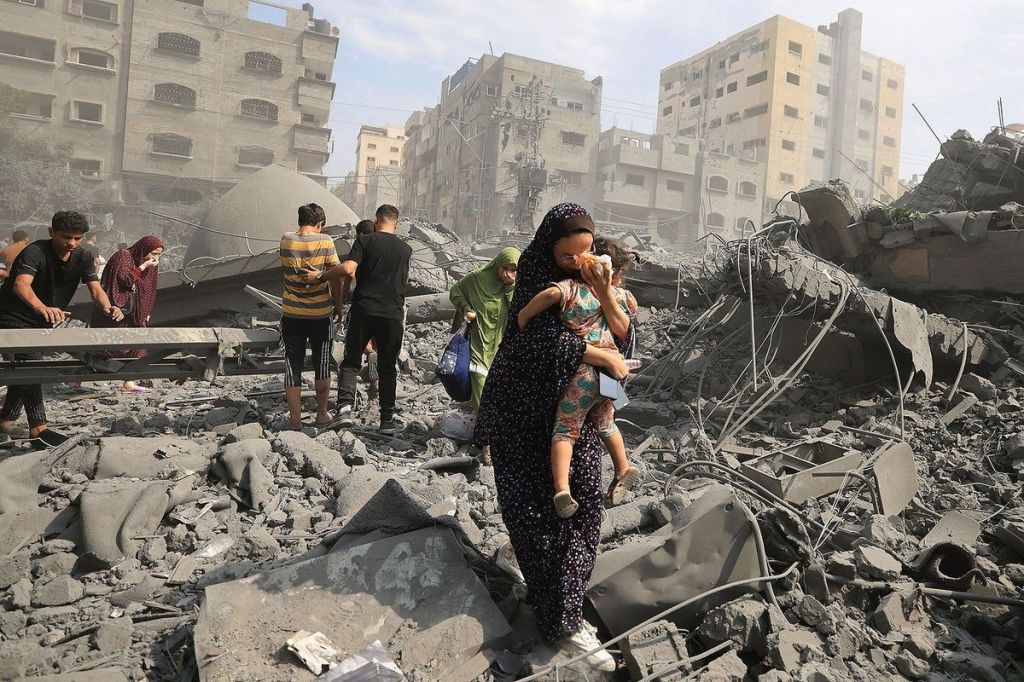
Evangeli-cons want the world to forgive for all their infractions and yet never forget if a victim fights back against their aggression. It is the very opposite of what Christ taught and anti-Christ. Jesus would likely warn us that how we judge we will be judged and the measure we use will be measured back to us. Which should make us tremble when we consider the slaughter and razing to the ground of Gaza using bombs we provided—there will be no call for mercy on the behalf of those who claim that young children are terrorists so they can kill them:

We are imposing a complete siege on Gaza. There will be no electricity, no food, no water, no fuel. Everything is closed. We are fighting human animals and we are acting accordingly.

October 13, 2023, Isaac Herzog, President

Just as it is clear that the right wing was right, today everyone says it is clear all Gazans must be annihilated… There is no logic in differentiating between uniformed [Hamas] and the rest of the inhabitants there.

September 2025, Moshe Saada, Likud MK

Every child born in Gaza is already a terrorist, from the moment of his birth.

January 15, 2024, Nissim Vaturi, Likud Deputy Speaker

And they were stating their genocidal intent long before October 7th:

Huwara needs to be wiped out. I think the State of Israel should do it… Water, electricity, and food must be cut off from the Gaza Strip. Those who do not die by bullets will die of hunger.

February 2023, Bezalel Smotrich, Finance Minister

This shows the absurdity of what is called Judeo-Christian values. Tribal logic says it is okay to kill man, woman and child of the rival so we can take the land for ourselves. Whereas Christian morality calls for all to be saved (1 Tim 2:4, 1 Pet 3:9) and erases the boundaries of tribal identities based on gender, race or social status. It is the polar opposite of having a chosen people with a license to take and kill. Jesus offended his ‘righteous’ ethnic audience by saying that a pagan had greater faith than all of Israel. To embrace this radical ethic is to reject the tribalism that fuels division and violence, choosing instead a universal justice that holds all accountable and protects all, not just the chosen few. Only by abandoning the hypocrisy of tribal loyalty can we hope to build a world where the measure of our judgment does not return to condemn us, but instead fosters a shared humanity that is grounded in love of Jesus.

A Fundamentally New Way of Thinking

The Christian ethic really is a total reversal of fundamental attribution error. It is easy to attribute what others do to us to a matter of their immutable character, they’re just evil and irredeemable, therefore do not need to be heard or understood. But for our own or ourselves we tend to blame only the circumstances and call it a mistake—one of those forgivable offenses. The reverse is to never make excuses for our own while also showing grace to those who offend us.

When someone cuts us off in traffic is it because they are a terrible driver? Or did they just have a bad moment? Or if we do the same, is it truly just an isolated incident or is our confirmation bias simply forgetting all of those times we transgressed with an “oops, sorry!” Reversing our fundamental attribution error is simply to apply grace we give to ourselves to others. It is, at the very least, to apply the same standard we do for ourselves as we do to others.

When a person of our own tribe does some kind of horrific deed, do we dismiss this as not representing us as a whole? Maybe we justify it? When the US Navy shot down Iran Air Flight 655 flying a routine route over the Strait of Hormuz, back in 1988, and killed all 290 on board—the US didn’t even apologize and, adding insult to injury, gave medals to the crew that did it! That is tribalism and is how fundamental attribution error works. If Iran did the same the US population would be calling for our military to turn the whole country into a smoldering ruin.

But the Gospel of Jesus Christ starts with a call for repentance. Repentance being an inward turn where we identify and confess our own faults rather than hide them behind rationalization or claims that our hand was forced by the other side. And, finally, after this deep introspection, we show the fruits of a changed spirit by showing the grace we have been shown to even those who we feel are most underserving. A true Christian will strive to love their worst enemies while also holding their own to a high standard.

If we want forgiveness of our sins we must show mercy and forgive others.

Evangeli-cons want all grace for themselves and yet give none to the enemies of their ‘Christian’ empire. They don’t want sins of some in their midst to count against them, they will deny the inconvenient violence of those on their side politically, but then make the whole left or all of Islam responsible for everything ever done by one of their own. It is a tribal ethic that has nothing to do with a Jesus of repentance. Or a spirit of grace to others that exists in those who understand their place before God.

The Pendulum Swings: Charlie Kirk and the Turning Point of a Nation

Standard

Watching my son’s football game, it felt as if there was an inflection point. The game got off to a rocky start—their offense stumbled on the first drive, the defense gave up a score, and that was the story of the first half. But in the second half, the game’s momentum changed—the defense sparked a three-and-out, their offense finally got on the board, and it was a whole new game. Even luck tilted in their favor, unlike the first half.

So what happened?

How does a team that gave up eight points rally to score fourteen in a comeback?

An inflection point is a change where it feels as if a giant pendulum has swung, reached a peak in one direction, and shifted to a new or opposite course. The momentum shift may become clear only afterward, but often it’s something detectable in the air—an event or palpable shift in attitude that changes the entire complexion. In the game, it could’ve been a small adjustment by the coaches or simply an opportunity to reflect on mistakes and correct them. It could be that the ball broke in the right direction, a matter of probabilities, with the change mostly an illusion. But football is an emotional sport, and even dumb luck can inspire better play from everyone.

We also witnessed a similar shift during the presidential election. Biden was apparently leading in the polls (if such things are to be believed), and then Butler happened. The event came after the disastrous first presidential debate, where Biden clearly was not as advertised, yet it was the image of defiance—“fight, fight, fight”—that sealed the deal. Elon Musk saw this as reason to put his full weight behind Trump, and with a few McDonald’s drive-through moments and photo ops with garbage trucks, the greatest upset win since 2016 was complete.

Love him or loath him, Butler should have been a warning shot for the left—trying to kill your political opposition only makes them stronger and Trump won with a younger browner vote.

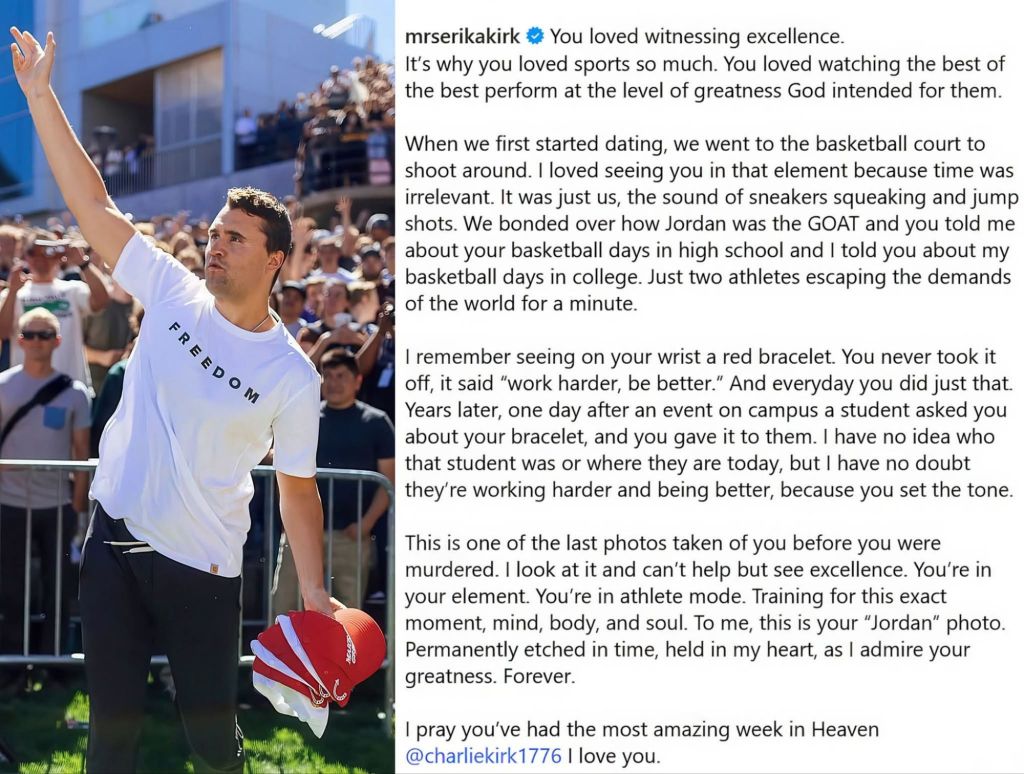
The paragraphs above were written before the murder of Charlie Kirk. Over the past few days, he went from the “prove me wrong” guy debating college kids to the center of a national debate. Since his death, there has been a groundswell of support. As those on the left reveal themselves through celebrations of his death and mockery, Kirk’s Turning Point organization has been flooded with 54,000 requests for new chapters at high schools and colleges. His death is a catalyst, much like the two assassination attempts against Trump, and a potential inflection point in the national conversation.

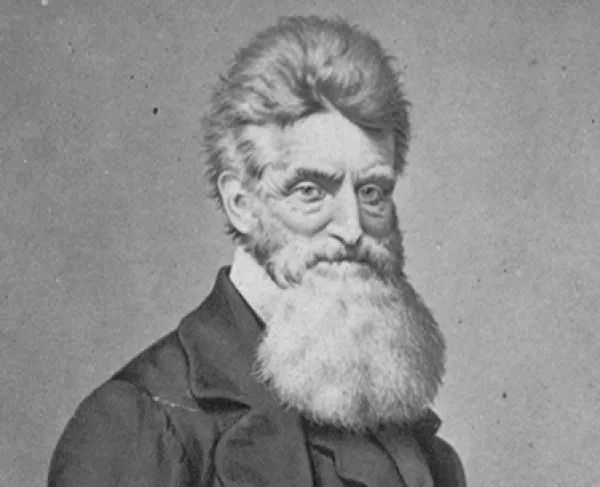
Before the U.S. Civil War officially began, there was an early attempt to free the slaves. John Brown, an evangelical Christian, believed he was on a mission from God to end slavery in the U.S. and led an insurrection that ended with a raid on a federal armory at Harpers Ferry in October 1859. Even before this, the issue of legal slavery had resulted in violent confrontations. In 1837, the abolitionist Elijah Parish Lovejoy was shot while facing down a mob of pro-slavery vandals who were attempting to destroy his printing press. This event sent shockwaves through the U.S. and galvanized John Brown to publicly declare:

“Here, before God, in the presence of these witnesses, from this time, I consecrate my life to the destruction of slavery.”

John Brown fired the opening shots of civil war, his fierce opposition to slavery inspired by the murder of abolitionist Elijah Parish Lovejoy.

As a writer, I do not create the sentiment of my audience. I merely put into words what other people are thinking or help them organize their thoughts. In other words, if it resonates, it is only because I’ve stated something they’ve already noticed. It also emboldens—when people realize they are not alone in what they see—which is how regimes fall. When people know that others share their understanding and are given a means to articulate it, all it takes is a little push to turn popular sentiment into decisive action.

Synchronicity is one way to describe this. I have often observed many of my friends—likely tuned into similar sources and sharing the same basic assumptions—simultaneously reach an identical conclusion in response to events.

The assassination of Kirk is a moment that galvanizes. It has starkly illustrated how far apart the two partisan sides have become. Some celebrate the murder, spewing vile hatred for a man who was truly a moderate with views similar to those of many Americans. Others are rightly appalled, realizing there is no reasoning or unity with those who believe disagreement deserves a death sentence—that Kirk deserved the bullet.

In a civil society, matters can be debated. If a person says things we don’t like, we still honor their human rights and show respect despite disagreement. But to those on the far left, a statement of fact or an opinion they hate is declared “hate speech,” and saying it out loud constitutes a crime of “spreading hate” that deserves death. This is not an embellishment—a direct quote: “Let this be a lesson to all those conservative freaks, all those weirdos… you’re next in line.” This is a threat we must take seriously when the other side laughs and mocks Kirk’s death—they are not like us.

This is an inflection point, one of those culminating moments where conservatives are independently reaching the same conclusion, and a movement can become galvanized. It will arm Trump to crack down on Antifa and the left-wing in ways he could not have before, with the critical mass of public support he needs.

Freedom of speech doesn’t mean people must associate with you.  I’ve never seen the ‘right’ react with such energy before.

In reality, Charlie Kirk wasn’t an extremist leading anything; he represented the quiet majority who are still able to appreciate the difference between men and women and who want laws applied equally for the protection of all Americans—not favoritism or special preferences for some based on identity or political ideology. They are Charlie. He did not radicalize anyone. All he did was try to explain his perspective and articulate what many believe. But he will now be a rallying cry—like the death of Lovejoy that led to John Brown’s vow—that point in a conflict where the tolerance has been exhausted and it is necessary for the sane to make a stand.

Even for me, as someone who attempts to stake out a position independent of both popular sides, I must go with the side least likely to kill me as a default. There’s nothing I share in common with those who are gleeful and cracking jokes about a man deliberately killed in front of his fans, wife, and young daughters. Cheering for domestic terrorism cannot be tolerated. The backlash against those who couldn’t show civility even after a man’s murder will be a turning point, like the momentum shift in a football game—the people are done playing nice with these monsters.

RIP Charlie Kirk

State of Hasbara: Unveiling Opportunism in the Crises of 9/11, Iraq, and October 7th

Standard

I’m not a big conspiracy theory guy. 

What I mean by that is that I don’t see everything as orchestrated or part of a secret global plot.  I believe accidents can happen and that people can do terrible things unaided or completely of their own volition.  But, all that said, I also believe that the rule “never let a crisis go to waste” is not an invention of Rahm Emanuel. 

Political opportunism is rampant on all sides.  And then there’s the just plain letting something bad happen to use for advancing agenda.

What I’m about to detail is all verifiable facts and not conjecture.  I’m just going to lay it out then let you reach your own reasonable conclusions.  I’ll also prime this topic with a response to 9/11 that has made less sense in retrospect and that is the invasion of Iraq that followed.  Saddam Hussain was not at all involved in the attacks.  The war cost the US trillions of dollars, 4,419 Americans lost their lives, 31,993 wounded, and that is not to mention the Iraqi losses.  We traded that much blood and treasure for claims of there being WMDs—which our government knew were mostly or completely destroyed.

So what was the actual reason for regime change in Iraq?

But, before we answer, let’s get to some of the facts on 9/11.  And, again, I’ll stick only to what is verified and not speculate beyond what is very easily corroborated with videos and news articles from the time.  This is all things known according to official records, eyewitness accounts, and confessions on foreign television.

While the rest of the country watched 9/11 unfold in horror, five men were seen filming the burning World Trade Center towers from a white van, they were seen high-fiving, and appearing jovially celebratory from the New Jersey side.  Their behavior was so totally alarming, and in contrast to what one may expect seeing the US under attack and with people literally being forced to jump to their deaths that a concerned citizen reported it to authorities.

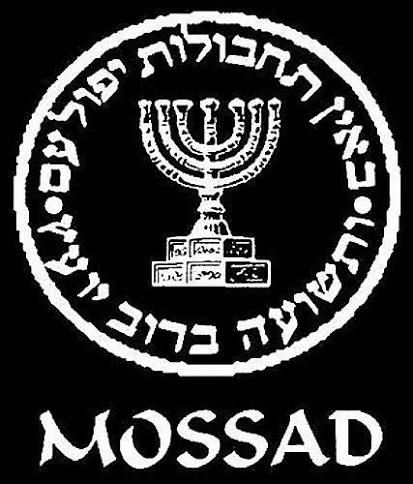
Trump said Muslims were celebrating in Jersey City.  Not true.  What he should have said is Mossad.

Later in the day the van was stopped by the police and these five men, Sivan Kurzberg, Paul Kurzberg, Yaron Shmuel, Oded Ellner, and Omer Marmari—dubbed the “Dancing Israelis”—were arrested.

These Israeli men were employed by Urban Moving Systems, a company that was also owned by Israeli national, Dominik Suter, and the men possessed items like $4,700 in cash stuffed in a sock, they carried multiple foreign passports, maps highlighting New York City, and a box cutter like those used in the 9/11 hijackings, further FBI searches of this firm’s Weehawken offices uncovered a fraudulent operation with minimal evidence that it was a legitimate business.  Add to it, 16 seized computers, and reports of anti-American sentiment among staff, including boasts about subverting U.S. media. Suter’s abrupt flight to Israel just before a second FBI interview, abandoning the premises with client property and phones left behind, only amplified suspicions.

Perhaps most damningly, in a 2001 Israeli TV interview on LaHadashot, one of the five men, Oded Ellner, chillingly stated they were placed in the U.S. specifically “to document the event,” a strange phrasing implying their prior awareness of the impending attacks.  Which the FBI could not conclusively prove or disprove despite the months of detention and polygraphs, such led to the speculation—backed by a 2002 Forward report citing U.S. officials—that at least two of the five Israelis were Mossad operatives using the firm as a front.  And officially to keep tabs on Arab extremists.  I’ll let you judge if that is just a cover story or the truth.

Why we would ever believe him again, after the Iraq WMD lie…

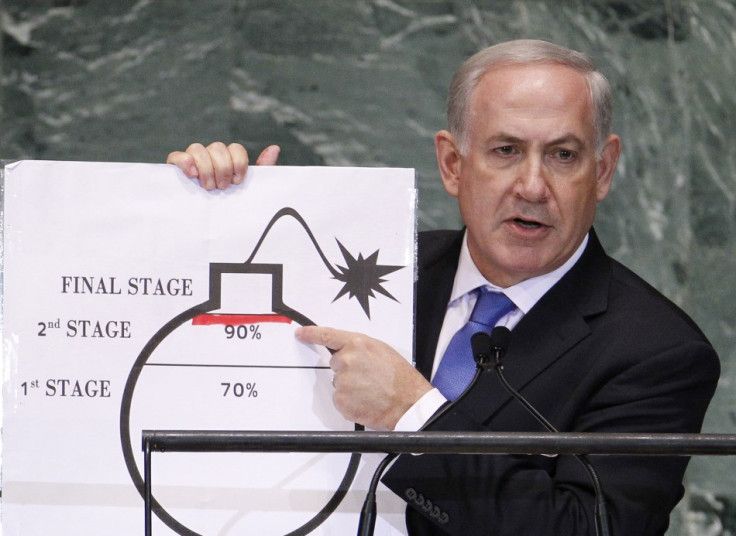
Enter Benjamin Netanyahu.  The day after the attacks, he was quoted in the NY Times as saying “it was very good” before he corrected himself and explained what he meant is that it would “generate immediate sympathy” that would benefit Israel.  And it was a year to the day after this that he was pitching a war with Iraq to Congress, calling himself an “expert witness” and warning the legislative body of something that sounds so awfully familiar:

“There is no question whatsoever that Saddam is seeking, is working, is advancing towards the development of nuclear weapons—no question whatsoever.”

Netanyahu continued his case:

“If you take out Saddam, Saddam’s regime, I guarantee you that it will have enormous positive reverberations on the region.”

There was zero evidence found to support Netanyahu’s dire warnings about WMDs.  I will let you decide if regime change in Iraq was an amazing success that has only led to peace and prosperity for the region.  But 9/11 was used as an excuse to invade Iraq and Netanyahu was cheering this on—much like the Dancing Israelis.  None of this says for certain that Mossad had foreknowledge or withheld vital intelligence so the attacks could continue and draw the US into Israel’s conflicts.  But we did spend trillions for a war that did absolutely nothing to advance our national security interests.  

And then there’s October 7th.  Netanyahu has called this Israel’s 9/11 and maybe this an admission.  Recently, before his untimely death, Charlie Kirk made an observation in a discussion with Patrick Bet-David about the incredible security perimeter around Gaza and surveillance, expressing disbelief that it could be breeched and openly pondering if an order given to stand down.  This, wasn’t just speculation.  Israeli intelligence had the Hamas incursion plan a full year before and didn’t act, according to the New York Times, and on the night of the attacks former IDF guards have said they were told not to do their routine patrols.

So was the terrorist attack on 9/11 allowed to happen to generate sympathy to later be exploited to further Netanyahu’s agenda as far as Iraq?  And as an order given to stand down on October 7th, likewise, benefits the ultimate aim of Likud which is written in the original 1977 party platform, “between the Sea and the Jordan there will only be Israeli sovereignty.”  Prime Minister Yitzhak Rabin, the first Israeli Prime Minister born in what had been called Mandatory Palestine, was assassinated by a radical Zionist settler for seeking a peaceful resolution.

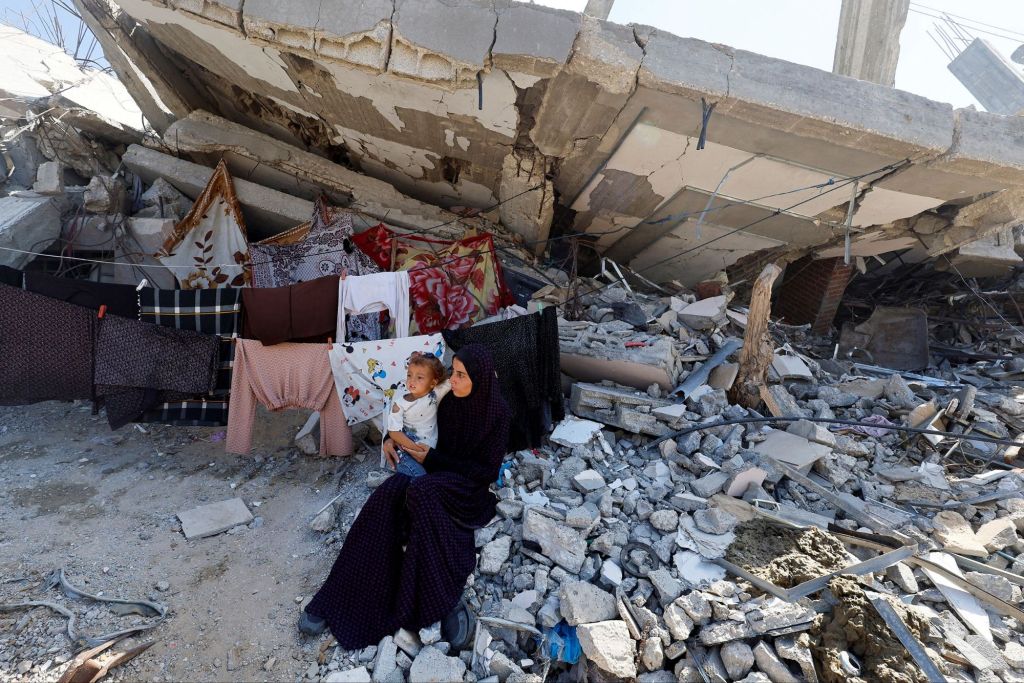
Maybe some see terrorists.  I see a mother and a child, their lives as important as any other.

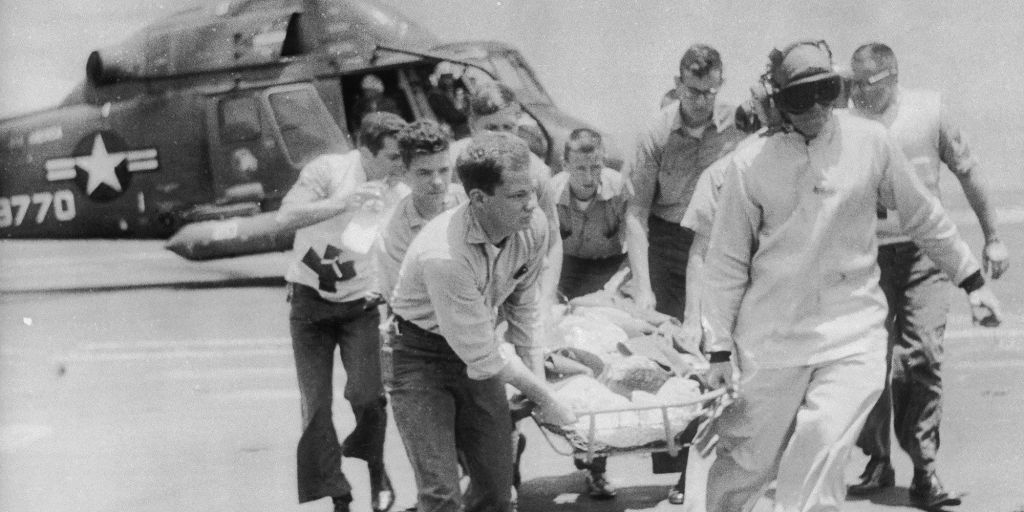
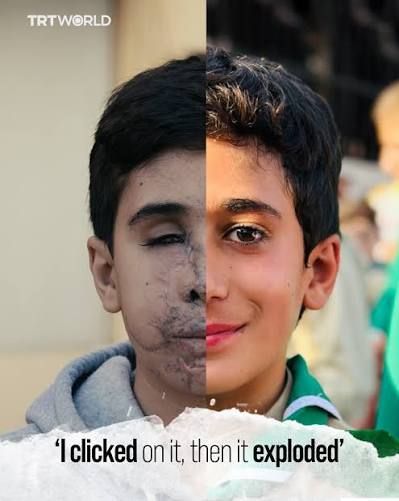
Israel brazenly attacked the USS Liberty for reasons never appropriately explained.  The Lavon Affair exposes a level of deception and indifference to civilian casualties that shocked the international community—only surpassed in Gaza now the child amputee capital of the world with bombs paid for by the US taxpayers.  Do we really need to speculate—with all of the facts above—if the Netanyahu regime is willing to sacrifice a few American lives in pursuit of their regional or political ambitions?  With calculus as cold is there any limiting factor?

The recurring exploitation of crises like 9/11 and October 7th, paired with a history of deceptive hasbara, casts doubt on the credibility of official explanations, urging us to further scrutinize the manipulative tactics of those who may prioritize self-serving agendas over truth.

From False Flags to Fortress Minds: The Politics of Fear

Standard

We don’t see things as they are, we see them as we are.

Anaïs Nin

In today’s world, discerning what is real from what is manufactured is a formidable challenge. Suspicion abounds, particularly among the political right, that groups like Patriot Front—openly fascist—are not grassroots movements but rather orchestrated operations, possibly by federal agencies. The MAGA base can’t even spell the word “fascism” let alone embrace it as a guiding philosophy.  Yet, this suspicion fuels the leftist “anti-fascism” narrative, which is wielded as a justification for aggressive tactics and bullying.

Fear is a potent tool for control, and political operatives exploit it to manipulate public sentiment. When voter turnout wanes in critical demographics, staged provocations—such as groups wielding tiki torches to “Unite the Right”—can galvanize a larger, more powerful group into action. These events often attract a few genuine extremists, but their true purpose is to provoke a broader reaction.

A pony motor.

This strategy mirrors the “pony motor” in early diesel engines, where a smaller gasoline engine was used to heat and start the larger one. Similarly, false flag operations—whether orchestrated or permitted—serve as catalysts for sweeping agendas, such as justifying military invasions of countries or enacting restrictive laws. While I’m not convinced that 9/11 was a government-orchestrated plot, evidence suggests some knew in advance and that it was exploited to advance a wishlist of wars against unrelated nations and to pass laws that would not have prevented the attack. This reflects the mechanics of how to “manufacture consent” in our modern democracies—where fear is leveraged to unify and control populations.

The creation of a common enemy is a time-tested method for fostering unity. During the Cold War, the specter of communism was used to rally the public. After the Soviet Union’s collapse, Islamic terrorism became the new focal point. The 9/11 attacks, likely executed in part by Osama bin Laden’s organization, were real but were exploited to amplify fear. Domestically, this pattern persists: Democrats emphasize the threat of right-wing extremism, while Republicans fixate on “wokeism” and DEI initiatives. These are deliberate strategies, rallying points designed to consolidate support. Even more effective is provoking hatred from opponents—forcing one’s base to fight for survival and justifying the consolidation of power.

What do you think the point of The Handmaid’s Tale really is?

We Create Our Own Enemies

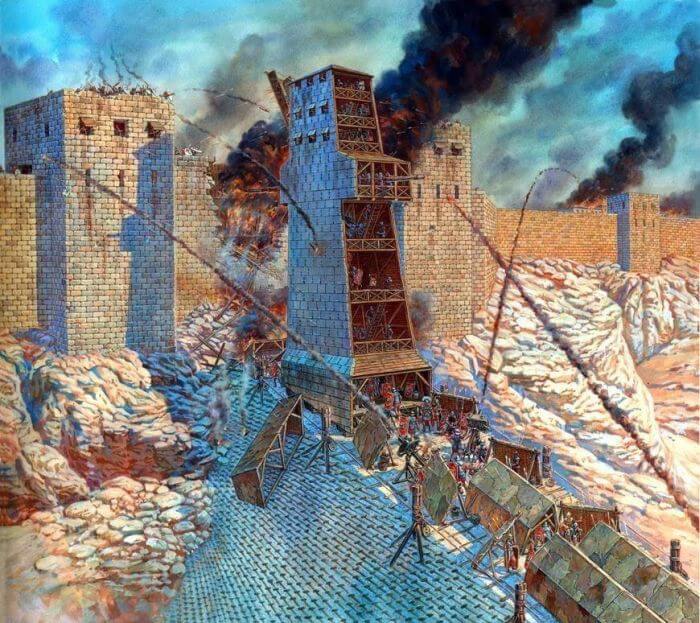
This dynamic extends beyond politics into cultural and religious identities. Jewish identity, for example, is partly shaped by what’s known as “Masada syndrome,” a collective memory of the Jewish defenders at Masada in Roman Judea (later renamed Syria Palaestina in 135 CE), who chose suicide over captivity. This narrative of the siege mentality is reinforced during the Passover celebration with texts proclaiming to the faithful, “In every generation, they rise up against us to destroy us.” Such beliefs foster an “us against the world” mentality, where hatred is seen as inevitable, reinforcing group cohesion.

Similarly, in the Anabaptist tradition that I grew up in, the reading of Martyrs Mirror cultivates a persecution complex. Likewise, Kanye West’s controversial remark about slavery—“When you hear about slavery for 400 years… that sounds like a choice”—touches on a deeper truth about locus of control. As my mother would say, “You can’t stop a bird from landing on your head, but you can stop it from building a nest.” Paranoia and defensiveness can alienate others or invite their suspicion, while believing you’re inherently excluded can lead to antisocial or even criminal behavior. It’s as if we seek to validate the fears that define our identity.

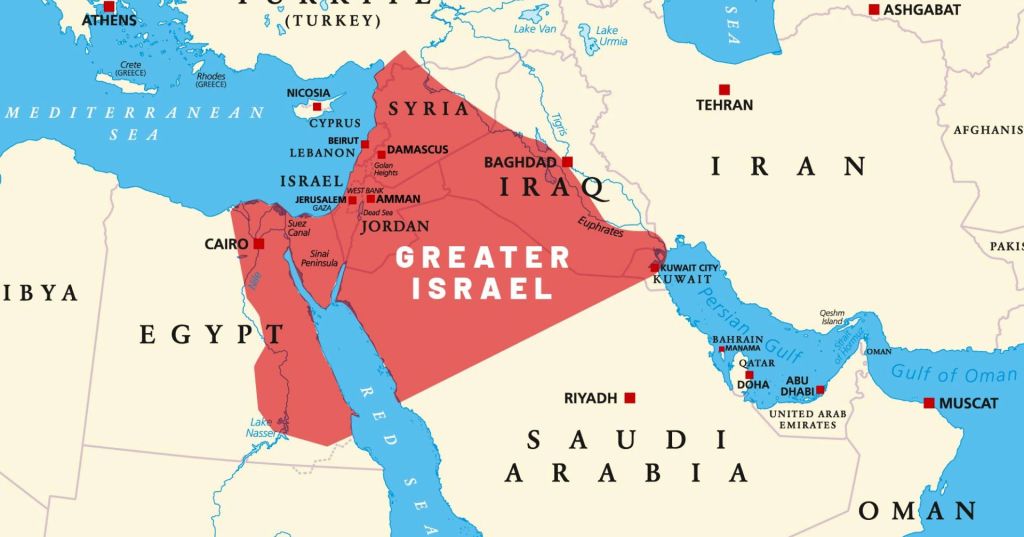
This pattern is evident in contemporary conflicts. Hamas, for instance, was probably willing to sacrifice innocent lives in Gaza to highlight the Palestinian plight—anticipating Israel’s brutal and disproportionate response. Yet, why does Israel fall into this trap? One possibility is that it aligns with certain political goals. Israeli Prime Minister Netanyahu, facing corruption charges, may benefit from war as a distraction. The Likud party’s vision of a Greater Israel—encompassing Palestinian territories, Jordan, and parts of Saudi Arabia and Egypt—could also be a factor. Some speculate this violence is a deliberate provocation to unify Jews through fear, and possibly tied to messianic expectations.

Netanyahu is a Revisionist Zionist, this is their long-term plan.

This self-fulfilling prophecy is reflected in online discussions, such as an Israeli subreddit where users lament being hated globally. They attribute this to irrational antisemitism, dismissing the role of the Israel Defense Forces’ actions, such as killing children, which fuel international outrage. This mindset—“They’ll hate us regardless, so we might as well give them a reason”—makes them vulnerable to exploitation by corrupt leaders like Netanyahu.

Breaking the Fear and Control Cycle

The fear of the Lord is a fountain of life, that one may turn away from the snares of death.

Proverbs 14:27 ESV

We must guard against siege mentalities like Masada syndrome. By convincing ourselves that the world is inherently against us, we risk acting in ways that bring about the very persecution we fear. Focusing on external threats to define our identity can lead us to become what we dread, fulfilling a prophecy of our own making due to our own unacceptable actions. 

Breaking this cycle requires rejecting fear-based narratives and fostering a sense of agency over our own actions and beliefs.

To guard against exploitation, we must shift our focus from the fear of man to the fear of God.

Human fears—stoked by manufactured enemies and self-fulfilling prophecies—keep us trapped in cycles of division and control.  A reverent fear of a perfect moral agent beyond us offers a higher perspective, grounding us in principles of justice, compassion, and accountability. By prioritizing a divine wisdom earthly manipulation, we become less susceptible to the provocative tactics of those who thrive on our fear, fostering a resilience that unites rather than divides. Establishment of this spiritual foundation empowers us to reject their deadly paranoia and act with clarity, so we break free from those divisive narratives that political systems use exploit to consolidate power.

The Greater Good Fallacy: Morality Without Excuses

Standard

Setting aside moral principle to serve a greater good means you have no moral principles.

Moral relativists love their hypotheticals: “What if you had a chance to travel back in time and kill baby Hitler?”

Once they can establish the answer as “yes” then pretty soon thereafter anyone who stands in their way is a Nazi. Or, in other words, the morality of “everyone I don’t like is literally Hitler” where you will basically become Hitler killing all of those baby Hitlers before they become Hitler—kill them all, you can’t be too careful!

It is ends justify the means morality that justifies, ultimately, the most heinous and horrible acts by one projecting a possible outcome as an excuse to violate another person—in some cases even before they drew a first breath.

For example, the Freakonomics case for abortion pointing to how inner-city crime rates dropped in correlation with black babies being killed—used as a moral justification.

Contrast this with Matthew 12:20, with Jesus: “He will not break a crushed blade of grass…”

This prejudice is behind every genocide or ethnic cleansing campaign. The excuse: “We don’t want to kill babies, but if we don’t ‘mow the grass‘ then they’ll grow up to kill us.” I mean, it’s not like that attitude will create a backlash or stir the anger of the population being cynically targeted for a trimming back, right?

Oh well, at least when you are starting at the very bottom, relying on self-defense by precrime judgment and a doctrine of preemption, there is no slippery slope to be concerned about: Morality becomes a race of who can eliminate their potential opponents most efficiently rather than a social contract between people trying to live peaceably with their neighbors.

(Im)Morality of the ‘God’s Plan’ Excuse…

One of the sidesteps of treating others with human decency is that it is all part of God’s plan. Biblical fundamentalists often use a similar kind of ends justify the means moral reasoning as the far-left—except they dress it up as faith and seeing the bigger perspective.

This is their excuse to be Biblical, but not Christian. The moment you raise a moral objection about anything they’ll find their loophole in Scripture: “Oh, yes, God said not to take innocent life, but He also told Israel to wipeout the Amalekites, so it is up to us to decide who gets slaughtered or saved.”

This is the God’s eye perspective Jesus addressed in Mark 7:10-12:

For Moses said, ‘Honor your father and mother,’ and, ‘Anyone who curses their father or mother is to be put to death.’ But you say that if anyone declares that what might have been used to help their father or mother is Corban (that is, devoted to God)—then you no longer let them do anything for their father or mother.

What the Biblical experts were doing was using one command to nullify another by a greater good moral reasoning. Of course they, in their own minds, were the more spiritual. They had convinced themselves that—by neglecting their duty to parents—they were seeing things from God’s eyes and just better than everyone else. But, in reality, this is rationalization and an excuse to be immoral.

Morality isn’t about taking the God’s eye view, it is about our practically applying the Golden Rule or the law of reciprocity described in the passages below:

For if you forgive other people when they sin against you, your heavenly Father will also forgive you. But if you do not forgive others their sins, your Father will not forgive your sins.

Matthew 6:14-15 NIV

“Do not judge, or you too will be judged. For in the same way you judge others, you will be judged, and with the measure you use, it will be measured to you. “Why do you look at the speck of sawdust in your brother’s eye and pay no attention to the plank in your own eye? How can you say to your brother, ‘Let me take the speck out of your eye,’ when all the time there is a plank in your own eye? You hypocrite, first take the plank out of your own eye, and then you will see clearly to remove the speck from your brother’s eye.

Matthew 7:1-5 NIV

Speak and act as those who are going to be judged by the law that gives freedom, because judgment without mercy will be shown to anyone who has not been merciful. Mercy triumphs over judgment.

James 2:12-13 NIV

See the pattern here?

What we put into the world is what we will receive back. If we do not show any mercy to those under our power, then we will not be shown mercy. And that’s the point behind the parable that Jesus told about a man forgiven a great debt—then goes out demanding repayment from the man who owed him.

Seeing things from God’s perspective—according to this—is to apply Micah 6:8:

He has shown you, O mortal, what is good. And what does the Lord require of you? To act justly and to love mercy and to walk humbly with your God.

There are no excuses to set aside normal morality for the sake of God’s plan.

There is no special exemption given for a chosen race of people either.

Throughout history the most evil of men have excused their atrocities using God’s will. It is the reasoning of the Crusader’s command, based on 2 Timothy 2:19, of “Kill them, for God knows his own.”

The ‘Christian’ West killed more innocent people in the Holy Lands than Islamists.

With that kind of thinking, everything will become justified as part of God’s plan if you zoom it out and, therefore, we can’t take a moral stand against anything. If it is God’s plan that babies are killed—then who are you to decry it as murder?

This is logic which can neutralize every moral stance or turn every evil deed into some kind of ultimate good—if you just see it from ‘God’s perspective’ it all becomes okay.  Of course, at that point, accepting this, there is no morality—once everything is relative to God’s will or the outcome that we call good.

It essentially replaces the Golden Rule with: “Do unto others as you would have them do unto you—except if you can explain away the abuse by some kind of greater good excuse.”

Act Justly, Love Mercy, That’s the Conclusion…

Moral relativism, whether cloaked in the guise of achieving a greater good or justified as part of God’s plan, erodes the foundation of true morality—the Golden Rule.

By excusing heinous acts through hypothetical necessities or our ‘divine’ rationalizations, we are becoming the very monsters we claim to oppose. True morality demands consistency: acting justly, loving mercy, and walking humbly, without excuses or every resorting to preemptive judgments or selective exemptions.

When we abandon moral principles for the sake of outcomes we desire or divine loopholes, we replace mutual respect or an opportunity for understanding with a race to eliminate every perceived threat, leaving no room for peace, forgiveness, or humanity.

The measure we use—whether it is mercy or judgment—will be measured back to us, and no appeal to a higher purpose can absolve us of that final reckoning.

Post script: Morality is staying in our lane and abiding by the rules. Playing God is running someone off the road for daring to cross into our lane. It is about our keeping the law—not our enforcing of it. And when we start to justify the abuse of others, as Biblical, then we turn into a violator. James 4:11 explains: “When you judge the law, you are not keeping it, but sitting in judgment on it.” The end result of exemption of ourselves using God’s plan as cover is a cycle of violence where all see themselves as righteous—even while doing incredible evil.

Israel’s Legacy of Terrorism and the Systematic Sabotage of Palestinian Statehood

Standard

The Israeli-Palestinian conflict is a tangled web of hypocrisy and intrigue where Israel, under Likud regime and Benjamin Netanyahu’s rule, wields the specter of “Palestinian terrorism” as a means of denying Palestinian statehood—while ignoring its own history of terror and ongoing policies that fuel violence in response. 

The narrative that a Palestinian state would empower terrorists is a deliberate distortion, rooted in Israel’s refusal to relinquish control over the West Bank and Gaza.  Far from being a security necessity, this stance masks a calculated campaign to completely annex Palestinian lands, perpetuated through their decades of occupation, settler violence, and even complicity in bolstering Hamas to fracture Palestinian unity. Israel’s own terrorist origins, its role in fostering extremism, and its relentless aggression against neighbors demand a reckoning: Palestinian sovereignty, backed by international intervention, is the only path to dismantle this cycle of oppression and hold Israel’s rogue regime accountable.

The framing of this conflict as having started on October 7th and only addressing the Palestinian response to Israeli abuses, is to deny the reality of the situation: This all started with a massive migration from Europe—followed thereafter by the terror campaign of Zionist gangs that would eventually be incorporated into an Israeli state.

We’re told we can’t reward terror, but that is the only reason why Israel exists and precisely what has inspired the Palestinian resistance.

Israel’s Terrorist Foundations and the Double Standard

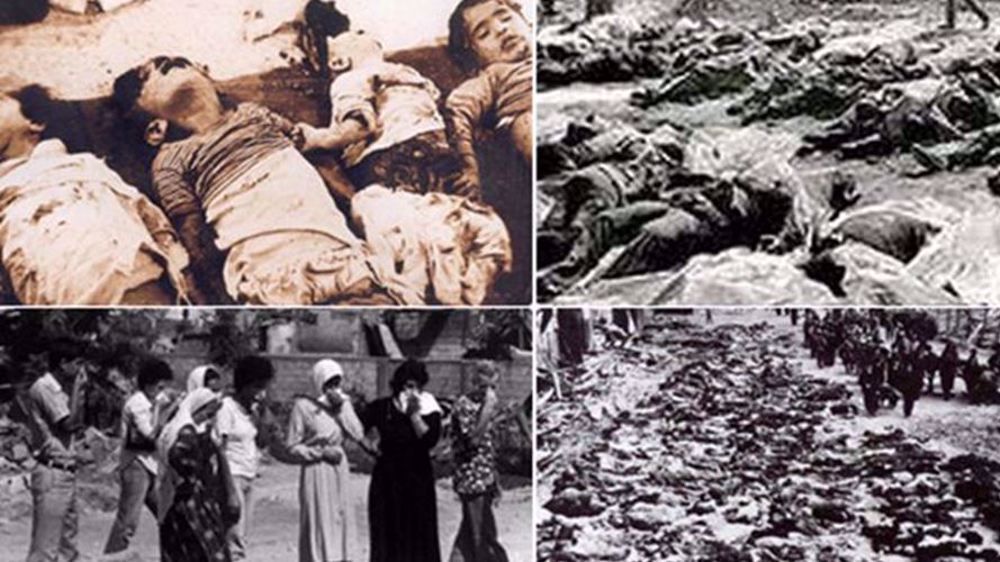
Israel’s establishment in 1948 was forged through brutal acts of terrorism by Zionist militias, a fact conveniently erased from the narrative of those condemning Palestinian resistance. Groups like the Irgun and Lehi orchestrated atrocities such as the 1946 King David Hotel bombing—which killed 91 people, and the 1948 Deir Yassin massacre—where over 100 Palestinians were slaughtered, and catalyzing the Nakba—the ethnic cleansing of 711,000 Palestinians.  These acts, branded terrorism by the British and Arabs, were pivotal in securing Israel’s statehood, endorsed by the 1947 UN Partition Plan despite Arab opposition.  Yet, when Palestinians resist occupation, their actions are demonized to justify denying them the same right to self-determination. This glaring double standard exposes Israel’s complete moral bankruptcy: Zionist terror was a stepping stone to statehood, but Palestinian resistance against illegal occupation is weaponized to perpetuate statelessness.

We don’t remember April 9th, 1948, when Zionist settler militias (that later were incorporated into the IDF) murdered a village of indigenous Palestinian people.  And probably because it was so soon eclipsed by other Zionist atrocities.

Israel’s Iron Grip on Palestinian Territories

Since seizing the West Bank and Gaza in 1967, Israel has enforced a brutal occupation designed to strangle Palestinian aspirations. The West Bank is carved up by over 400,000 settlers in Area C—which comprises 60% of the territory—with illegal settlement expansion accelerating under Netanyahu’s government. And finance Minister Bezalel Smotrich’s recent call for “sovereignty” over the West Bank lays bare an annexationist agenda. In Gaza, a suffocating blockade since 2007 has trapped 2 million people, with 90% displaced at some point in 2024 due to IDF operations that razed civilian infrastructure. Settler violence in the West Bank has surged, with 2,848 attacks recorded between October 2023 and May 2025, often aided and abetted by Israeli forces. These are not defensive measures but a deliberate strategy of aggression to erase Palestinian claims to their land—rendering a viable state impossible.

Divide and steal has been the plan from day one.  The Likud party knew their original “between the Sea and the Jordan there will only be Israeli sovereignty” platform would be impossible all at once—their final solution plan would require the right opportunities over time.

October 7: A Pretext for Escalated Aggression

Israel’s fixation on Hamas’s October 7, 2023, attack, which killed 1,200 Israelis (many by the IDF “friendly fire” or even intentionally) and took 253 hostages, serves as a convenient pretext to justify genocidal operations in Gaza, where over 60,000 Palestinians have been killed.  This selective outrage ignores a century of Palestinian suffering: the Nakba, decades of occupation, and a blockade that had turned Gaza into an open-air prison. The First and Second Intifadas were uprisings against this oppression—met with Israel’s disproportionate violence. By framing October 7 as the conflict’s defining moment, Israel deflects from its own role in perpetuating the conditions that breed resistance. Smotrich’s annexationist rhetoric and the IDF’s devastation of Gaza reveal October 7 as a manufactured justification for territorial conquest, not a standalone tragedy.

You don’t need to be a military expert to know this is damage in keeping with small arms like what Hamas employs.  It looks more like what one would expect from an attack helicopter or tank.

Likud’s Complicity in Terrorism: The Hamas Connection

Far from being a mere victim of Hamas, Israel’s Likud-led government has actively propped up the group to sabotage Palestinian statehood. In 2019, Netanyahu told Likud members, “anyone who wants to thwart the establishment of a Palestinian state has to support bolstering Hamas and transferring money to Hamas.”

Since 2018, Israel has greenlit Qatari funds to Hamas, ostensibly for humanitarian aid but effectively to keep Gaza under Hamas’s control and prevent a unified Palestinian front with the Palestinian Authority. This cynical strategy ensures a divided enemy, stalling peace talks and justifying Israel’s refusal to negotiate. By bankrolling Hamas, Likud has fueled the very terrorism it decries, exposing its duplicity in undermining a two-state solution.

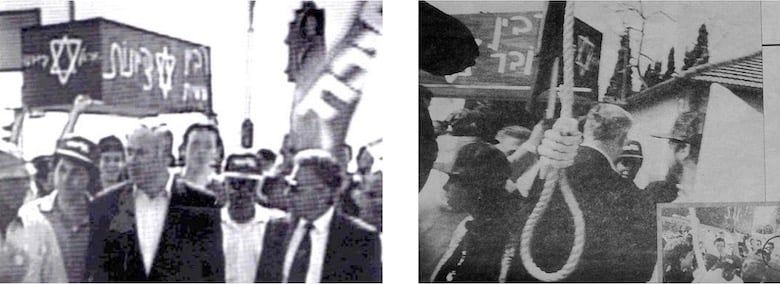
Netanyahu paraded with a coffin and a noose shortly before his Israeli rival was killed by a Likud inspired terrorist.

The 1995 assassination of Prime Minister Yitzhak Rabin, who pursued peace through the Oslo Accords, further unmasks Likud’s extremist ties. While not directly responsible, Netanyahu’s incendiary rhetoric—joining protests where Rabin was branded a traitor and involving a coffin—fueled the climate that led to his murder by a right-wing zealot. This act derailed Oslo’s promise of Palestinian statehood, empowering Likud’s hardline agenda and cementing its legacy of sabotaging peace through violence and incitement.

Palestinian Sovereignty: A Counter to Israel’s Terrorism

Palestinian statehood is not a concession to terrorism but a necessary antidote to Israel’s state-sponsored aggression.  This hope would undermine any lingering support for Hamas in Palestinian territories.  People support violent solutions when they feel they’re left with no other options.  Finally recognizing a Palestinian right to self-determination and granting them real protection from a decades long onslaught will help disarm the conflict. End the oppression and it will end the reason for resistance.

This kind of destruction has nothing to do with Hamas and everything to do with making the land inhabitable for the rightful owners.

The 2024 UN General Assembly, backed by Saudi Arabia and Norway, reaffirmed support for a two-state solution based on 1967 borders, a vision the Palestinian Authority endorses. Yet, Israel’s rejection, coupled with Hamas’s refusal to fully recognize Israel, underscores the need for some international intervention. Deploying neutral peacekeepers, modeled on the UN Interim Force in Lebanon, could help protect Palestinians from IDF terrorism and settler violence while enabling governance free from Israel’s stranglehold. The Zionist opposition to such measures, viewing them as threats to their control, only highlights intent to perpetuate occupation.

Sanctions must target Israel’s rogue regime to curb its terrorist policies. Germany’s 2024 arms sale suspension and sanctions on ministers like Smotrich and Itamar Ben-Gvir for backing settler violence are steps forward. The International Criminal Court’s 2024 arrest warrants for both Netanyahu and Yoav Gallant for war crimes in Gaza signal a growing demand for accountability. Broad sanctions, though resisted by the US, could pressure Israel to dismantle settlements and end the blockade, forcing compliance with international law.

Conclusion: Holding Israel’s Terrorist Regime Accountable

Israel’s Likud-led regime, under Netanyahu, has woven a tapestry of terrorism and manipulation to thwart Palestinian statehood. From its origins in Zionist militias’ violence to its current policies of occupation, continual settlement expansion, and complicity with Hamas, the Zionist state has systematically denied Palestinians their right to self-determination. The narrative of Palestinian terrorism is a smokescreen, used to deflect from Israel’s own terrorist legacy and ongoing acts of aggression.  October 7 was not an isolated act but a consequence of decades of oppression, exploited to justify further land grabs.

International intervention, both peacekeepers and sanctions are steps to dismantle this cycle of violence, ensuring Palestinian sovereignty and holding Israel’s extremist regime accountable for its crimes. Only by confronting Israel’s terrorism can a just peace, rooted in a two-state solution, be achieved.  The whole region would change if the Zionist regime were forced to “defend” without being so offensive—this is the only path for an Israel that survives the test of time.

Honor Killing Versus Western Values

Standard

The Old Testament is full of things those of us born in the liberal West would find to be abhorrent. It was a wildy different culture. But, the one thing most foreign—in an age when we coddle our children to death—is parents literally killing children when they stepped too far out of line:

Anyone who curses their father or mother is to be put to death.

(Exodus 21:17 NIV)

Simple. Concrete.

Or shall we say, written in stone?

If, however, the charge is true and no proof of the young woman’s virginity can be found, she shall be brought to the door of her father’s house and there the men of her town shall stone her to death. She has done an outrageous thing in Israel by being promiscuous while still in her father’s house. You must purge the evil from among you.

(Deuteronomy 22:20-21 NIV)

“Stoned,” in this context, doesn’t mean legalized marijuana.

But if you do like a little smoke:

If a priest’s daughter defiles herself by becoming a prostitute, she disgraces her father; she must be burned in the fire.

(Leviticus 21:9 NIV)

Honor killing, in the West, is associated with Islam. Yet, interestingly enough, not once is it mentioned in the Qu’ran. However, there are multiple references in the Bible starting with those that are quoted above. Children who disobeyed—or who otherwise brought shame to their parents—were to be put to death. This punishment was not a choice or an option. No, it was a “must be put to death” command to keep Israel pure. And no doubt this teaching in the Old Testament is part of what inspires the practice today and why honor killing continues to be part of traditional cultures in the world.

And this went goes beyond killing children for their rebellion or sexual sin.

There is also this account:

And Jephthah made a vow to the Lord: “If you give the Ammonites into my hands, whatever comes out of the door of my house to meet me when I return in triumph from the Ammonites will be the Lord’s, and I will sacrifice it as a burnt offering.

[The, oh no part, where he returns home and is greeted by his beloved daughter.]

After the two months, she returned to her father, and he did to her as he had vowed. And she was a virgin. From this comes the Israelite tradition that each year the young women of Israel go out for four days to commemorate the daughter of Jephthah the Gileadite.

(Judges 11:30-31, 39-40 NIV)

Umm, what?!?

Some commentaries try to explain away the most plain reading about what happened to the daughter of Jephthah. But if his vow is that important to him and a cause for her to mourn for two months, why would it be any less than what he said he would do? This is a religious tradition where the big patriarch, Abraham, was ready to kill his own son as a way to please God—so their ‘Biblical’ values seem very different from ours.

Even in the New Testament we start where Joseph is contemplating the out-of-wedlock pregnancy of Mary—his betrothed—does he spare her by having her sent away quietly or does he tell the world about her dishonoring him? What does an honorable man do? It is life or death. In the Gospel of Matthew, where this account was given, four other dreams are recorded and all of them for the purpose of saving lives.

Joseph’s dream saved Mary’s life.

There is this clear expectation: Honor or death. Or maybe honor and death?

It is important to note that Old Testament laws are longer applied even in the Jewish context. The Western world has liberalized all. Sure, you might still get caught on the Coldplay camera and cancelled for adultery—pelted with stones (figuratively) in form of memes and social media roasting—but not killed. We still judge sexual sin. That said, we don’t use Capital punishment for that or really much of anything anymore.

The Triumph of Liberalism in the West

In modern Western culture, promiscuous daughters or rebellious sons rarely provoke shame; some parents even take pride in their children’s nonconformity. How did this transformation occur?

Not very long ago that Europeans were a rather rowdy bunch—burning heretics and pillaging the world. They defended slavery as compassionate and Biblically endorsed. Cousin marriage was common and beating your wife not a big deal. This was ‘Christian’ civilization.

But, starting in the Enlightenment, human rights slowly expanded and eventually were extended to women and racial minorities. Individual liberty, religious rights, primacy of reason and scientific progress started with this movement in the West.

It took a few centuries for Enlightenment ideals to take hold—but the American colonies became a breeding ground for this new thinking and a liberal revolution. The French would follow suit and liberalism eventually swept through all of Western Europe.

This liberalism wasn’t always sunshine and roses. Napoleon had marched across the European continent at the same time as the Americans were manifesting their destiny all the way to the Philippines. Proclaiming “liberty and justice for all” while trampling the indigenous people underfoot. And yet, long-term, it has led to the assumptions we don’t even question in the West.

Even our most traditional religious types, who decry feminism, oppose the sexual revolution and vigorously defend their own entitled status as men, do an about-face when it comes to those getting ‘Biblical’ against sexual immorality according to the texts. I mean, I guess that is just the nature of sectarianism (Okay when we do it, but a dangerous extreme if they do the same or take it an extra step), but it also shows how deeply entrenched liberalism has become in the West—it shapes our perspectives.

Still, the hiccups (or hypocrisy) continues. The rights of the visible always trumping that of the fetus or foreigner.

Christianity has certainly played a role, but has tended to follow the cultural zeitgeist with adherents applying their faith on both sides of the popular argument. One could appeal to all being one in Christ or to some being excluded as the cotton pickin’ son’s of Ham. When the Bible has rules for slaves and masters, details genocidal campaigns at the command of God, and treats women as property of a man, a little confusion is to be expected. But Jesus definitely did stand up against graceless application of law and the religion that formed up in his name was a force for significant changes throughout the Roman empire. It was a shift from the might makes right of ancient civilizations—despite this still being how morality plays out in the real world.

The Church has always played a role in the abuses, from the bloodsoaked Crusades, to the brutal Inquisition and the current Zionist justification of slaughter in Gaza.

The West leads the body count in the modern world—the US following leading the West’s colonial mandate of killing a way to hegemony. This has become our biggest export. Our bombs and missionaries. Either they will convert to democratic values or die—as we replace the guy they elected with our dictator.

No, we don’t do honor killings anymore. But we will vaporize women and children if their government dared to attack a military base in response to economic sanctions. WW2 was a righteous war because it stopped the Holocaust, yet the US was allied with a guy named Joseph Stalin who was responsible for the Holodomor (3.5 to 5 million) and the purges of Christians and others who might oppose him. China, our other ally, is estimated to have killed 45-70 million, and yet Imperial Japan was an unprecedented evil for killing a hundred thousand in Nanjing?

An execution in Hiroshima

Only since 9/11 the US has directly killed nearly a million people and indirectly 4.5 to 4.7 million in addition to this. And then we wonder why refugees flood in from all around the world?

Evangeli-cons may claim an “age of grace” for themselves or their own family, but they also support the most brutal policies. If we are not directly involved in the violence, we’ll rabidly endorse those to whom all the “dirty work” is outsourced to. It’s amazing we will find the time to report an honor killing—by a person from a rival culture—and yet justify bombings and mass starvation of millions without second thought. Talk about strain on gnats and swallowing camels!

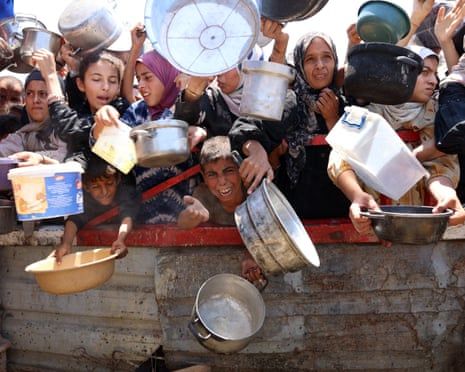
The Western world seriously needs to work on its own hypocrisy before lecturing the world (or adherents of other religions) on the immorality of their ways.  Kids in Gaza get the death penalty every day, via means we provide, and yet we say it is justified—let the civilization that is without sin cast the first stone!

Seeing October 7th Through the Lens of January 6th

Standard

When dates like January 6th or October 7th become synonymous with events, it’s not just shorthand—it’s propaganda.

These dates are weaponized to anchor emotions, shape narratives, and erase inconvenient context. For MAGA supporters, understanding January 6th’s framing offers a lens to see through the manipulation surrounding October 7th.

What you see in this picture depends on whose branding and narrative you accept.

Both events, though different in scale, follow a similar playbook: start the story at a moment of crisis to paint one side as the ultimate victim and the other as irredeemable villains, sidelining the deeper grievances that led to the outburst.

January 6th: A Reaction, Not an Insurrection

The MAGA movement views January 6, 2021, not as an “insurrection” but as a response to perceived electoral theft. Years of distrust in institutions—fueled by media bias, dismissive labels like “deplorables,” and a sense of being marginalized—reached a boiling point after the 2020 election.

Supporters saw anomalies: Biden’s 81.3 million votes outpacing Obama’s 69.5 million (2008) despite a lackluster campaign; late-night vote “dumps” in states like Michigan (e.g., a 3:50 AM update with 54,497 votes for Biden vs. 4,718 for Trump); bellwether counties favoring Trump yet not predicting the outcome; and reports of poll watchers being denied access in key locations like Philadelphia and Detroit’s TCF Center.

Beware of accusations like “threat to our democracy” coming from elites and government officials.  More often than not this is just a propaganda technique.  Representatives aren’t the ‘demos’ and sometimes don’t represent the true vote, will or interests of the people.

For example, in Philadelphia, observers were kept 20–100 feet from counting tables, citing COVID-19 protocols, raising suspicions of unmonitored ballot handling. Stories of unsecured voting machines and trucks allegedly delivering ballots further stoked fears of fraud, especially given mail-in ballots’ known vulnerabilities (e.g., 43% of 2020 ballots were mail-in, per Pew Research, with historical cases of fraud like New York’s 1948 scandal).

Whether these concerns held up in court (over 60 lawsuits were dismissed for lack of evidence) is beside the point—what matters is the reality of widespread distrust. MAGA supporters felt their votes were at risk, and “Stop the Steal” was a peaceful rally that spiraled when a massive crowd moved to the Capitol. Some, like a Hill staffer I met, called it terrifying, advocating lethal force to stop it. But this ignores 2020’s context: months of “mostly peaceful” protests with burning buildings and broken glass were tolerated, even celebrated, by liberal elites.

All summer long—never called an insurrection.

Why was January 6 different?

Because the crowd—rust-belt workers, veterans, and ordinary Americans—challenged the establishment, not the usual activist class. The “insurrection” label was swiftly applied, despite no police officers dying that day (Officer Sicknick died January 7 from strokes, not direct injuries, per the D.C. Medical Examiner). The only immediate casualty was Ashli Babbitt, an Air Force veteran shot by Capitol Police while trespassing. Yet, the FBI hunted participants with unprecedented zeal, suggesting a need to brand the event as a threat to democracy. Questions linger: Were agitators like Ray Epps, seen inciting the crowd but lightly investigated, planted to escalate chaos? The lack of transparency fuels suspicion.

Remember this image of Capital Meemaw, supposedly an example of ‘white privilege’ as an alleged participant in the Capital Riot?  Turns out she wasn’t even there, she was in Kansas.

October 7th: A Culmination, Not a Random Attack

Similarly, October 7, 2023, was not an unprovoked act of “terrorism” but a desperate escalation after decades of Palestinian grievances. Since Israel’s 2007 blockade of Gaza, 2.3 million Palestinians have lived in what critics call an open-air prison. The IDF’s practice of administrative detention—holding Palestinians without trial, sometimes indefinitely—denies basic rights.

From 1948’s Nakba to ongoing settlement expansion, Palestinians face systemic displacement, with Gaza’s conditions (e.g., 50% unemployment, per UN data) fueling unrest. Hamas’s stated goal on October 7 was to capture hostages for prisoner swaps, a tactic rooted in this context, not mindless savagery.

Yet, the Zionist narrative, amplified by Western media, starts the clock at October 7, framing it as an attack on innocent Israelis. Embellished claims—like debunked reports of “beheaded babies” (retracted by outlets like CNN)—flooded headlines to evoke horror and justify Israel’s response, which killed over 40,000 Palestinians by mid-2025, per Gaza Health Ministry estimates.

Like January 6, where police allowed some protesters into the Capitol, reports suggest IDF guards were ordered to stand down or skip patrols before the attack, raising questions about foreknowledge or incompetence. Much of the October 7 death toll (1,200+) may stem from the IDF’s panicked response, with the ample evidence of these “friendly fire” incidents, per Haaretz investigations. This mirrors January 6’s selective outrage: Babbitt’s death was excused, just as Palestinian casualties are dismissed as collateral damage.

The Propaganda Playbook

Both events reveal a shared propaganda strategy:

  • Date Branding: Naming events by dates—January 6th, October 7th—creates emotional anchors. It’s no coincidence that “9/11” or “October 7th” evoke instant reactions, stripping away context like Gaza’s blockade or 2020’s electoral distrust. This glittering generality tactic makes the date a rallying cry, as seen in how “January 6th” became synonymous with “insurrection” despite no legal convictions for insurrection among over 1,200 charged.
  • Selective Starting Points: Propagandists begin the story at the moment of crisis to paint their side as blameless. January 6 ignores years of disenfranchisement; October 7 erases decades of Palestinian oppression. This cherry-picking ensures the narrative serves power—whether the U.S. establishment or Israel’s government.
  • Accuse the Other Side: Both cases accuse the aggrieved of the very crime they protest. MAGA supporters, rallying to “save democracy,” were branded anti-democratic. Palestinians, resisting occupation, are labeled terrorists. This mirrors the projection tactic, where the powerful deflect their own failures onto the powerless.
  • Amplify and Suppress: Media and political actors amplify selective details (e.g., Babbitt’s death downplayed, “beheaded babies” hyped) while suppressing context.  The FBI’s aggressive pursuit of January 6 participants, contrasted with leniency toward 2020 rioters, parallels Israel’s disproportionate response to Hamas versus settler violence.

Countering the Narrative

Critics might argue that January 6 was a clear attack on democracy, with 140 officers injured and $2.7 million in Capitol damage, or that October 7’s 1,200 deaths justify Israel’s retaliation.

But this misses the point: the issue isn’t the events’ severity but how they’re framed to obscure root causes. January 6’s crowd wasn’t plotting a coup; they were reacting to perceived fraud, fueled by denied access to vote counting and anomalies like Virginia’s consistent 55/45 vote splits.

October 7 wasn’t random terror but a response to Gaza’s strangulation, Palestinians tired of oppression—wanting self-determination. Both are distorted to vilify the disenfranchised and protect the powerful.

Conclusion

Dates as names aren’t neutral—they’re propaganda tools to erase history and rally emotions.

MAGA supporters see through January 6’s “insurrection” label because they know the context: a frustrated populace, denied transparency, reacting to a system they distrusted.

Apply that lens to October 7, and the parallels are stark: a people under siege, their grievances ignored, all inhabitants branded as terrorists to justify annihilation.

Question the narrative, seek primary sources (court records, UN reports, firsthand accounts), and use the ABCs of Propaganda Analysis (Ascertain, Behold, Concern, Doubt, Evaluate, Find, Guard) to uncover the truth.

The political establishment wants you to start the story on their date of choice, to dictate the terms of discussion—don’t let them.

The Moral Hypocrisy of Justifying Child Killing: Abortion, Gaza, and the Danger of Playing God

Standard

The deliberate killing of children—whether through abortion or in conflict zones like Gaza—is often defended by opposing ideological camps using eerily similar logic.

Both sides, whether progressives celebrating abortion or conservatives excusing the civilian deaths in Gaza, rely on hiding their atrocities under a thick blanket of dehumanizing language, while using speculative reasoning to justify their positions.

I’ve walked away from online friendships over this hypocrisy: “progressive” friends who are vegetarian and biology-savvy yet loudly cheer for abortion, or those self-proclaimed Christians who shrug off thousands deaths of Palestinian kids as mere “collateral damage” and a normal part of war.

This blog dives into how both sides use the same flawed reasoning, spotlighting the Freakonomics future peace case for abortion, and argues why it’s always wrong to kill a child—no matter the excuse—and why we must stop playing God.

Dehumanizing Through Words

Words are powerful, and both groups wield them to hide the truth. Abortion advocates use terms like “fetus” or “reproductive choice” to make the act sound clinical, distancing themselves from the reality of ending a human life. I’ve seen friends who’d cry over a harmed insects dismiss a fetus as a “clump of cells,” despite knowing it’s a developing human.

Pro-abortion folks may do as the pro-genocide folks do and say that this is AI-generated.  But their denial doesn’t change the truth.

Similarly, those defending the killing of kids in Gaza call it “counter-terrorism” or frame it as a response to October 7th, glossing over decades of Zionist violence against those who are indigenous to Palestine.  This linguistic sleight-of-hand—whether medical jargon or military euphemisms—strips away the humanity of the victims, making it easier to stomach the brutality.

The Freakonomics Trap: Justifying Death with What-Ifs

The Freakonomics argument, laid out by Steven Levitt and Stephen Dubner, is a prime example of how this reasoning works.

They claimed legalizing abortion after Roe v. Wade cut crime rates in the ‘90s by reducing “unwanted” kids who might’ve grown up to be criminals. It’s a cold, numbers-driven pitch: kill now to prevent hypothetical future problems. This mirrors the logic of those who justify dead kids in Gaza as a necessary cost to stop future terrorists.

Zionist voices have taken this to extremes, with figures like Moshe Feiglin, leader of the Zehut party, declaring, “Every child in Gaza is an enemy. We must occupy Gaza until not a single child remains there.

Others, like US Senator Lindsey Graham, have suggested nuking Gaza, stating, “Give Israel the bombs they need to end the war that they can’t afford to lose.” Israeli leaders on i24NEWS have echoed this, calling for the extermination of everyone in Gaza, including babies, as “every child, every baby in Gaza is an enemy.” These statements reveal a chilling willingness to annihilate children based on speculative fears, just as Freakonomics justifies abortion by imagining future criminals.

They’re not sleeping.  They were targeted for elimination.

Both hinge on a false dilemma: either kill now or face catastrophic consequences later. This binary ignores alternatives, like the IRA peace process in Northern Ireland, where dialogue and systemic change brought decades of conflict to a halt without resorting to mass killing. Peacebuilding, not extermination, addressed the root causes while preserving lives.

Why Consequentialism Fails

This kind of thinking—called consequentialism—puts outcomes over principles. It assumes a kid in the womb or a warzone is a potential threat, not a person with potential. But life doesn’t work that way.

Plenty of people born into poverty or conflict grow up to do great things. The Freakonomics logic ignores that, just like the idea that a Gaza kid will inevitably become a terrorist. 

Plus, it’s unfair to punish a child for what they might do or for what adults—like their parents or community leaders—have done. A fetus isn’t responsible for its mom’s situation, just as a Palestinian kid isn’t to blame for Hamas. Killing them shifts the burden of adult failures onto the innocent.

Do we truly want to live in a Minority Report world where governments choose who lives or dies based on predictive algorithms?

The Sanctity of Life Over Playing God

Every major ethical tradition, religious or secular, values human life, especially the most vulnerable. Kids, born or unborn, embody that vulnerability.

When we justify their deaths with fancy words or stats, we’re opening a dangerous door. History shows where this leads—think Holocaust or Rwanda, where dehumanization fueled mass killing.

The Freakonomics case and Gaza justifications risk the same moral rot, treating some lives as disposable.

Our job isn’t to play God, deciding who’s worthy of life based on our fears or predictions. It’s to act with justice and protect the defenseless, not to end their lives to fix society’s problems.

Wrapping It Up

The hypocrisy of cheering abortion while mourning other forms of life, or calling yourself Christian while excusing dead kids in Gaza, reveals a shared flaw—believing their creative semantics or future self-defense reasoning can remove the stain of their sin.

The Freakonomics argument and genocidal rhetoric from figures like Feiglin and Graham both reduce children to pawns in a bigger game, ignoring their inherent dignity. It’s always wrong to kill a child—whether for an adult’s choices or a fear of what they might become.

Instead of playing God with false dilemmas, we need to follow examples of taking a third option—like the IRA peace process—and focus on real solutions: respect for a legitimate grievance over stolen land and diplomacy, in support of moms and investment in communities. 

Only by valuing every life can we build a world that’s just and safe for future generations.

Naboth’s Vineyard: A Biblical Mirror to the Injustice of Land Theft in Palestine

Standard

A disturbing Penn State poll conducted in 2024 revealed that 83% of Israelis support ethnic cleansing, with nearly half expressing approval for the complete killing of Palestinians in Gaza.

This level of consensus is chilling, arguably surpassing the public support for such policies in Nazi Germany between 1933 and 1945. The roots of this sentiment can be traced to the founding of Israel itself, where Zionist militias employed tactics of rape, murder, and terrorism to expel Palestinians from land they had inhabited for centuries. This violent dispossession undermines any claim to respect for property rights—a principle often championed by those who defend Israel’s actions.

The hypocrisy is particularly stark among American conservatives, who in one breath decry property taxes and champion the sanctity of life—down to the frozen embryo—yet in the next, justify the deaths of Palestinian women and children as “deserved” because 2% of Gaza’s men resisted occupation. This contradiction mirrors the selective outrage of a nation founded on the cry of “no taxation without representation,” yet which now supports a cruel occupying colonial power denying Palestinians self-determination and basic human rights.

The erasure of Palestinian identity is a key tool in this moral failure, with many Zionists claiming Palestinians “never existed” despite historical evidence to the contrary. Palestine is referenced as far back as Shakespeare’s Othello (1603): “I know a lady in Venice would have walked barefoot to Palestine for a touch of his nether lip.” Early Zionist cookbooks, from the 1920s (to teach European settlers how to use local spices and oils unfamiliar to them) have “Palestine” in the title acknowledging the region’s distinct cultural heritage.

https://blog.nli.org.il/en/hoi_cooking_in_palestine/

This ongoing effort to remove inhabitants echoes a biblical story of greed and injustice:

Some time later there was an incident involving a vineyard belonging to Naboth the Jezreelite. The vineyard was in Jezreel, close to the palace of Ahab king of Samaria. Ahab said to Naboth, ‘Let me have your vineyard to use for a vegetable garden, since it is close to my palace. In exchange I will give you a better vineyard or, if you prefer, I will pay you whatever it is worth.’ But Naboth replied, ‘The Lord forbid that I should give you the inheritance of my ancestors.’ So Ahab went home, sullen and angry because Naboth the Jezreelite had said, ‘I will not give you the inheritance of my ancestors.’ He lay on his bed sulking and refused to eat. His wife Jezebel came in and asked him, ‘Why are you so sullen? Why won’t you eat?’ He answered her, ‘Because I said to Naboth the Jezreelite, “Sell me your vineyard; or if you prefer, I will give you another vineyard in its place.” But he said, “I will not give you my vineyard.”’ Jezebel his wife said, ‘Is this how you act as king over Israel? Get up and eat! Cheer up. I’ll get you the vineyard of Naboth the Jezreelite.’ So she wrote letters in Ahab’s name, placed his seal on them, and sent them to the elders and nobles who lived in Naboth’s city with him. In those letters she wrote: ‘Proclaim a day of fasting and seat Naboth in a prominent place among the people. But seat two scoundrels opposite him and have them bring charges that he has cursed both God and the king. Then take him out and stone him to death.’

1 Kings 21:1-10 NIV

This evil plan succeeded, and Naboth was murdered for his land with the complicity of a manipulated mob. The parallels to modern times are striking: Palestinians are dehumanized as “wild,” “barbaric,” or “terrorists,” just as Naboth was falsely accused to justify his execution.  In the West Bank unarmed Palestinians are being driven off their land—even a US citizen was recently beaten to death by settlers.  Jezebel and Ahab eventually faced divine judgment, but not before their treachery destroyed an innocent man.  Today’s leaders, spurred by similar greed and power, rely on a complicit public—modern “useful idiots”—to enable ethnic cleansing and cultural erasure.

Suspicion surrounds the events of October 7, 2023, when Hamas launched a devastating attack on Israel. Reports indicate that IDF guards were ordered to stand down from their normal patrols an hour before the incursion, despite Gaza being one of the most heavily surveilled regions in the world. This raises questions about whether the attack was truly a surprise. Historical parallels, like the shorting of airline stocks days before the September 11 attacks, suggest insider knowledge rather than direct orchestration. While there’s no concrete evidence that intelligence agencies planned the October 7 attack, circumstantial factors—such as the “dancing Israelis” linked to Mossad during 9/11—fuel speculation that Israel’s intelligence may have known of Hamas’s plans and allowed them to proceed. Unlike conspiracy theories that overcomplicate events, the simpler explanation is that the attack was permitted to serve as a pretext for escalating military action.

This pattern of exploiting crises is not new. The 9/11 attacks, carried out primarily by Saudi nationals, were used to justify the invasion of Iraq, despite no evidence linking Saddam Hussein to the plot. The invasion served special interests seeking to eliminate a regional rival, much as Israel’s current actions align with the Likud party’s long-standing goal of a “final solution” for Palestinian territories. Israeli Prime Minister Benjamin Netanyahu, who had covertly supported Hamas to weaken Palestinian unity, likely saw the October 7 attack as an opportunity to galvanize public support for extreme measures. By allowing Hamas’s unprecedented success, he manufactured consent for policies that would otherwise be unthinkable.

The world’s leaders rarely let a crisis go to waste. Through propaganda, they direct public anger to serve their agendas, erasing the humanity of the oppressed in the process. Just as Naboth was slandered and killed for his land, Palestinians face cultural erasure and violence, enabled by a global audience too quick to accept the narrative of their dehumanization. To learn from history, we must discern the truth and reject the lies that justify such atrocities.