

My wife and I were taking advantage of the spring weather, out on a walk together, baby in stroller, when a voice from behind us interrupted our stride:
“Excuse me, miss, why do you walk with your hands behind your back?”
Apparently, according to this inquirer, my wife was walking with her hands clasped together behind her and it made him curious. And, after he said it, I immediately knew what he meant, I had seen her do this before and now considered that it wasn’t a common thing for American women to do.
My wife—other than to answer the man with his New Jersey accent that it is something common with older people from her place—had no good answer.
She told me later it was something she recalls her grandma doing and was not something she ever gave much conscious thought to until he stopped us. It was just what felt natural or right to her—a mannerism that the Igorot women of certain age and good reputation simply did.

The best explanation I have found is that this is social signalling in Asian culture. It is an image of authority and composure. And it could mean my wife feels confident, does not need to be in a rush or has earned the right to be contemplative, non-defensive and like a respected elder in her native culture.
Whatever it is, it isn’t deliberate or something she tried to do, it had just naturally came to her.
Mennonite Matriarchs and Mirroring Behaviors
What piqued my further interest was a parallel conversation, led by Dorcas Smucker (a popular conservative Mennonite blogger), trying to figure out why her female religious peers cross their arms in front of them while standing.
The answers ranged from comfort to having no pockets in their traditional dress—or a resting position. Others say it is a defensive posture or a symptom of women ashamed of their feminity or trying to hide themselves. However, I have also noticed, in office meetings, my male coworkers—all of us from Amish or Mennonite background—sit around the table with their arms crossed. The room is a bit cool. Maybe that’s all it is?
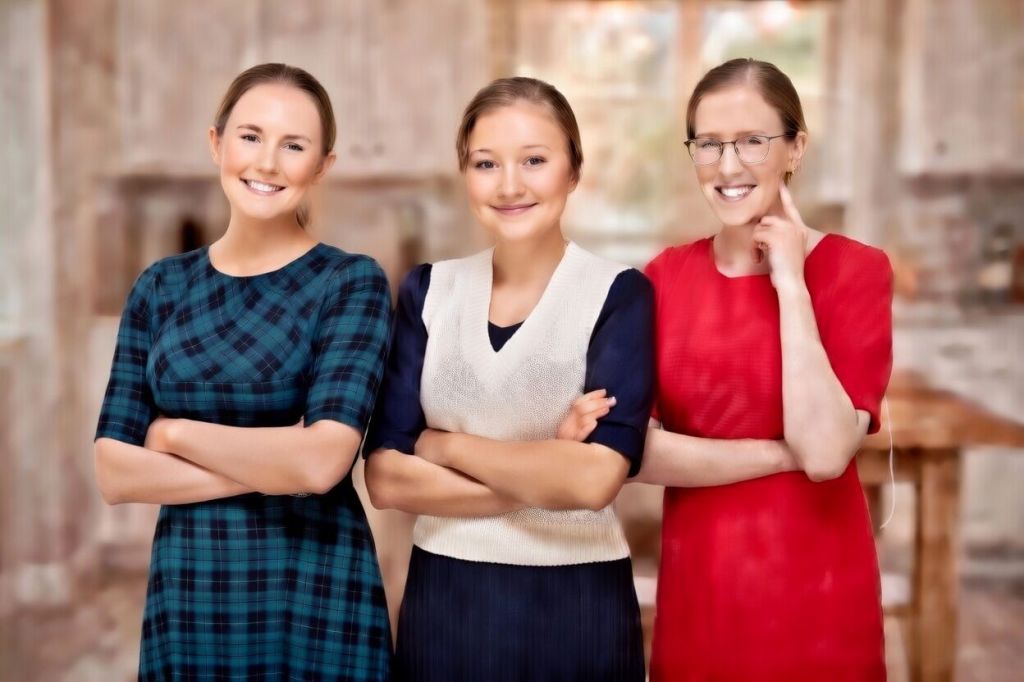
I’m guessing this has very little to do with what is projected onto it by those who often seem to see the broader American culture as some kind of benchmark for normal.
Yes, it is the case that those of us born into this religious subculture tend to be self-conscious about what we wear and appearance. I knew I was odd, at a public school, wearing long pants during the heat of August, and had classmates who would remind me of my being Mennonite. But is it the cause every mannerism?

Mirroring behavior provides a more plausible explanation. This is to say we will just imitate the postures or mannerisms of others in our group without a thought. This is called “chameleon effect” and part of the way we build rapport or trust. It is part of our sense of belonging within a community. It’s wired in our brain—the “mirror neurons” which fire off both when we perform a particular action as well as when we see someone else doing the same thing. Nobody has to tell us to do it.


So what is likely, whether those Mennonite arms crossed or Igorot elders walking with their hands clasped behind, is that these postures are about a cultural identity and unconscious process where we copy those whom we respect in the group or just what we have seen thus accept as normal. It is social glue—in the same way my cousin picked up her Southern drawl after marrying a Virginia boy. This is similar to how we yawn when other people do. It’s just an instinct.
Social Glue in Religious Ritual Too
What’s interesting is that religions attempt to capitalize on this by forced mirroring that becomes unconscious. The extended hand, the greeting a non-relative as “brother” and all ritual is about building an artificial bond that makes us feel like we belong. It’s in the silly cliché phrases, they’re part of that “hedge of protection” around community identity, and just social connection that makes us feel comfortable.
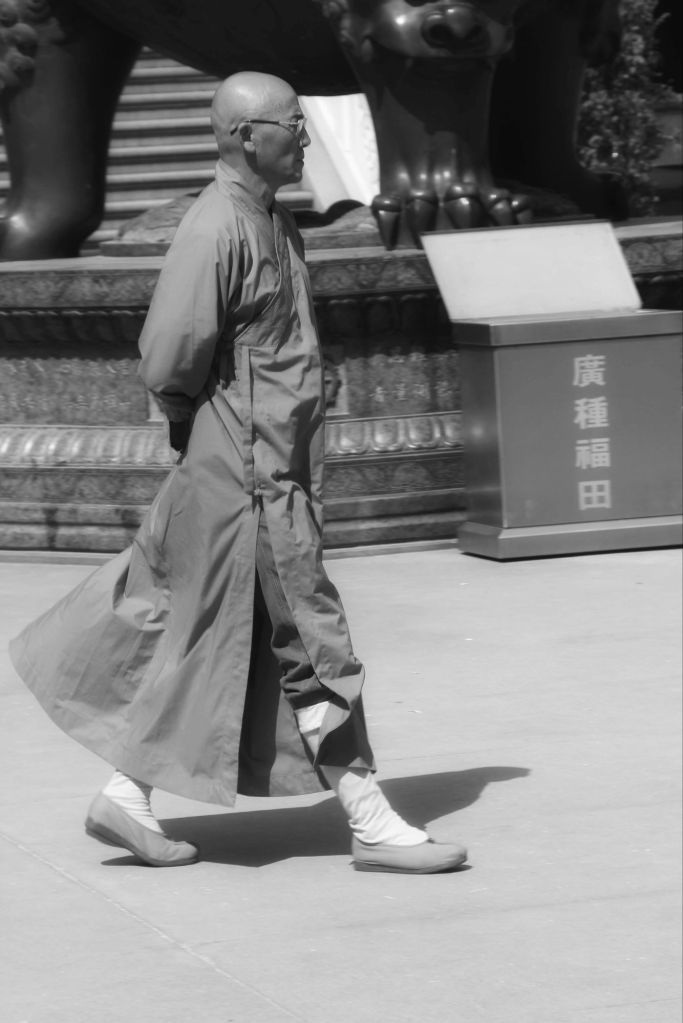
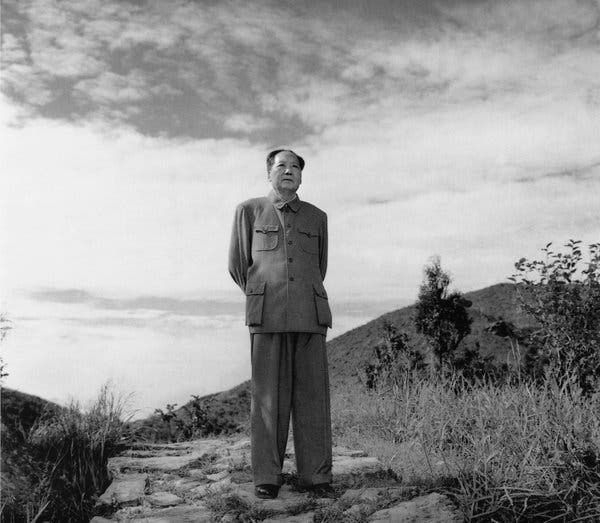
However, this can also make life very difficult for those outside coming in. An outsider that tries to go through the same motions will very likely look forced—like a mask or performance rather than genuine. This “false signal” could be taken as mockery and give off an uncanny valley feel that makes people suspicious or uncomfortable. Not to mention it is hard for the person trying to keep up the appearance as well. Like the time when I awkwardly did a full prostration rather than the requested bow from the priest for that part of an Orthodox service.
And yet, off the insecurities most contemptible, it is this need to explain or apologize for what was programmed into us by our culture. Hands in contemplative clasp behind our back while we walk or an assuring restful self-hug, we need not ever feel awkward about our mannerisms and physical pose simply because it is unique to our own subset of humankind. It is an unfortunate side-effect of modern pluralism and exposure is we’re left second guessing our status rather than just being a part of the social fabric.

At the same time, like physical posture, culture is built on religion and our moral assumptions are simply inherited. So there is a place for careful deliberation and more intentionality in what we do. And by understanding how new generations absorb through a process of socialization osmosis rather than verbally through instruction. If more is caught than taught; if many things are learned through unconscious mirroring—then we need to practice much more than we ever preach.
 Irregular Ideation