
My little daughter loves to clutch small objects she finds while meandering in the yard or park. A googly eye, a washer, a stone, small flowers, or just a stick on the path that caught her attention. This behavior—part of childhood development—could be about security and comfort, a sense of ownership, establishing independence, or simply having something to hold onto in an otherwise overwhelming world.
Now I suppose I could pry these silly objects out of her tiny hand, break them or throw them aside, and make her cry. And yet why would any decent person ever intentionally destroy what someone else cherishes? No, even if we don’t personally understand the need for something, only an awful monster destroys what others love simply because they can. It’s vindictive and cruel.
House Upon the Hill
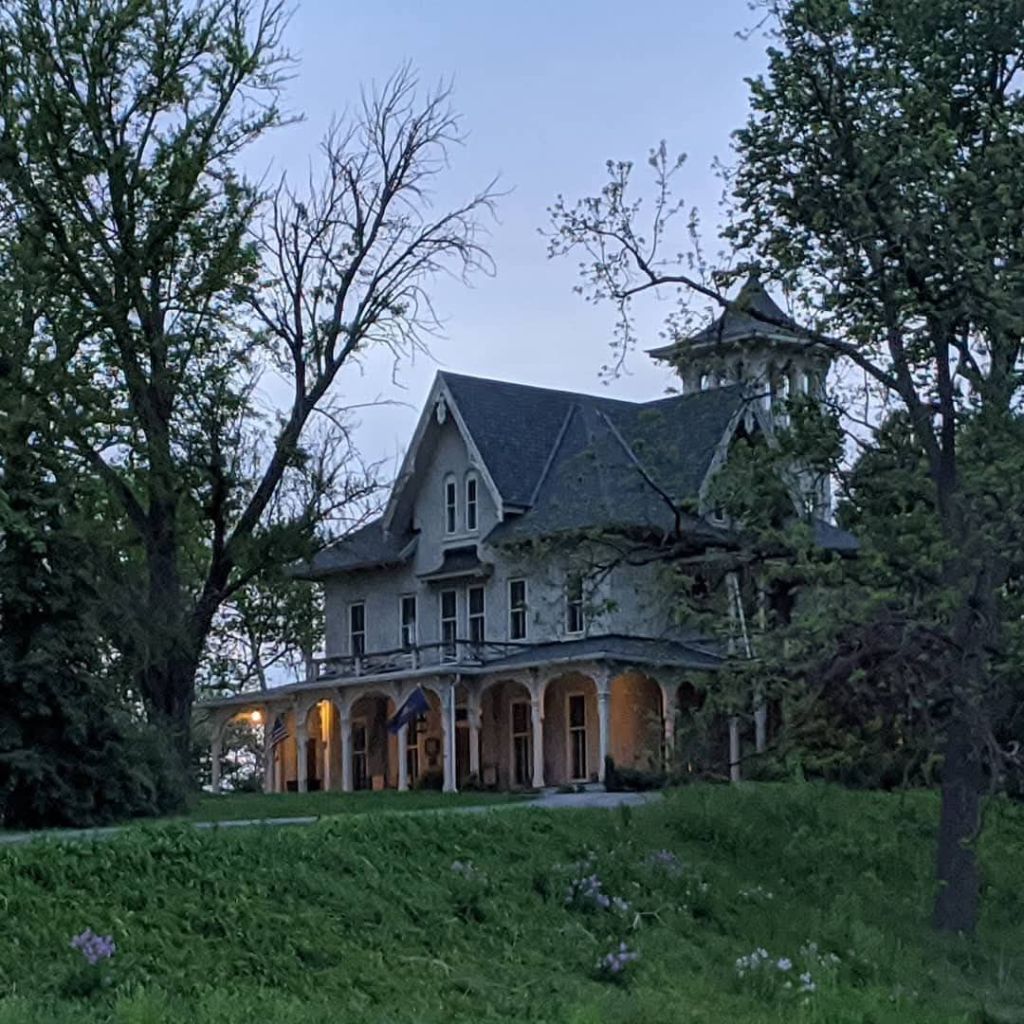
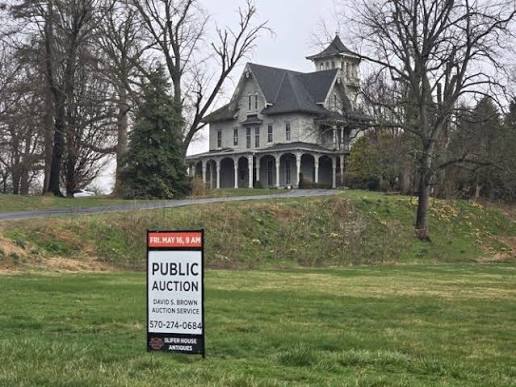
A few years back, on a walk around the long block, I took this picture. This house, with its Italianate Victorian charm and surrounded by trees, was absolutely a postcard picture—despite the ugly senior care facility built to the right. It was also a familiar landmark and a place I had gone as a child on a school trip. I remember the high ceilings, floor-to-ceiling windows, and wide wraparound porch. On private land, it served as a community site: a place of births, and a few weddings, and a memorial garden where ashes of the deceased were spread.
This was a symbol. A waypoint. A place for people to reflect on where we came from to know where we are going. On that day, with my pace broken for a moment, I thought the legacy was secure. It was well-built in 1861, and still in great condition (better than my own house), certainly far too important to the local lore to be at risk. It was like a grandparent, an elderly voice, a legacy of a time past that deserved the respect we gave it for the role it served in the community. This wasn’t just a house—it was our heritage.
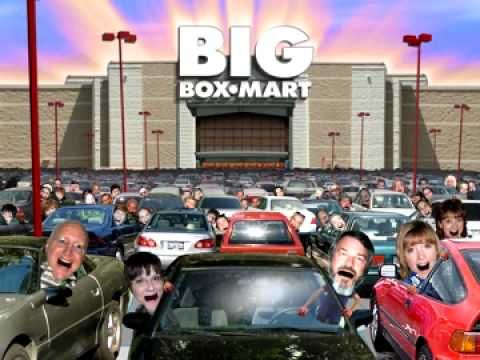
We need these landmarks—especially in the age of Walmartization where everything is cheaply made and disposable.
In the Bible they would use a pile of stones as a marker to memorialize important events. I do believe common physical spaces, the locations connecting past with present, are as important today as ever in this age of endless abstraction. Sacredness is imbued on a site by the work and attention spanning time, creating a location for moments of grounding in a world that seems to be spinning out of control.
The old house built of stuccoed brick stood as a silent witness to a changing world. That tower overlooking River Road. For over a century and a half it endured seasons coming and going, lasted through decades of conflict and uncertainty, and watched over the flood waters that rose and fell. It was a guardian of the Susquehanna River, even on the day the body of a young drowning victim—the daughter of a close friend—took her final journey on the waters. Civil War reenactments were held on the grounds.
So, one may say it was just an arrangement of sticks, stones, and glass. But it was built with human hands and human creativity, and thus carries a shadow of the human souls that built and carefully preserved it.
A Microcosm of Corporate America
The Slifer House, an immaculately preserved example of Samuel Sloan architecture and personal residence of Colonel Eli Slifer—a significant local businessman and Civil War figure (recalled as “one of the few unobtrusively great men of Pennsylvania” in the Philadelphia Times)—later used as an orphanage, the original home of Evangelical Community Hospital, then a museum, and listed on the National Register of Historic Places—has become a victim of cultural vandalism and corruption.
Through a combination of corporate greed and local government apathy—namely Asbury Riverwoods and Kelly Township—a treasured landmark is now a pile of rubble.Decades of effort. The equivalent of three hundred thousand dollars in today’s money raised in 1975 to keep the house in perpetuity—a past generation’s gift to us—has been forever destroyed. Why? Asbury, an out-of-state “non-profit” with a CEO Doug Leidig paid $1.4 million, seems to exist mainly to extract value from the elderly. A museum simply wasn’t going to produce the cheddar. The move likely came down to balance sheets or bonus structures—all while claiming the desecration of history was on behalf of their elderly residents. Sure. They destroy our inheritance and don’t even have the decency to admit the enterprise is motivated completely by their own exploitative machinations.
Maybe there was one miserable old coot who had wanted it gone and a dozen others fooled by their claims it was on the verge of collapse.
As touched on in my last post, our property rights are not absolute. Biblical law went as far as to mandate leaving crops in the field for the poor to glean—a Year of Jubilee when all land would be returned to the ancestors of the original owners. This recognized that economic outcomes aren’t all a matter of merit or morality. The authentic Christian tradition has always taught that our individual success is always a gift from God—thus we cannot be inconsiderate of others and should be open-handed.
The Slifer House could have been transferred to those interested in preservation. If the true reason was cost to residents, this would have been the obvious solution. Sadly, it wasn’t about the residents. The current regime prefers profits for the few over preservation for all. It gives priority to faceless corporations led by men who mimic human empathy as part of their manipulations, over community and genuine connectedness. It is not illegal for Asbury’s executives to have a historic treasure smashed and the site desecrated—but there is certainly a question of morality and ethics.
Those who ruthlessly climb the ranks pride themselves on being forward-thinking and making the hard choices. But in these cases it is only ambition without reflection. They are calloused and unappreciative people who only care about money. That’s why the country is spinning out of balance. The “finders keepers, losers weepers” mindset—where merely having the legal basis to do something is enough—goes against good morality and enables elites to loot this country. When corporations think only of shareholders or those being compensated, the common good is sacrificed.
Capitalism only worked as part of a nation where Christian ethics provided restraint. When ownership is concentrated in the heartless machinery of distant corporations rather than distributed to actual people who live locally, we are dismantling the heart of the Constitutional Republic. We’ve reached a critical point: AI is unprecedented in power and this technology already concentrated in a few hands of men who aren’t even stakeholders in the nation—let alone local character. Small men, bound by convention that has outlasted design, will enable those who will steer us into the abyss.
Valuing Humanity Above ‘Progress‘
The sticks in the hand of a toddler seem useless to some, yet they serve a purpose. It is what the psychologist Donald Winnicott described as “transitional objects” (blankets, toys, sticks, stones) and they are a bridge that helps children move from total dependence to independence. Familiar objects provide comfort, security, and a sense of control in an overwhelming world. One may say they are points of orientation. And deliberately destroying or dismissing them disrupts this process and causes real distress.
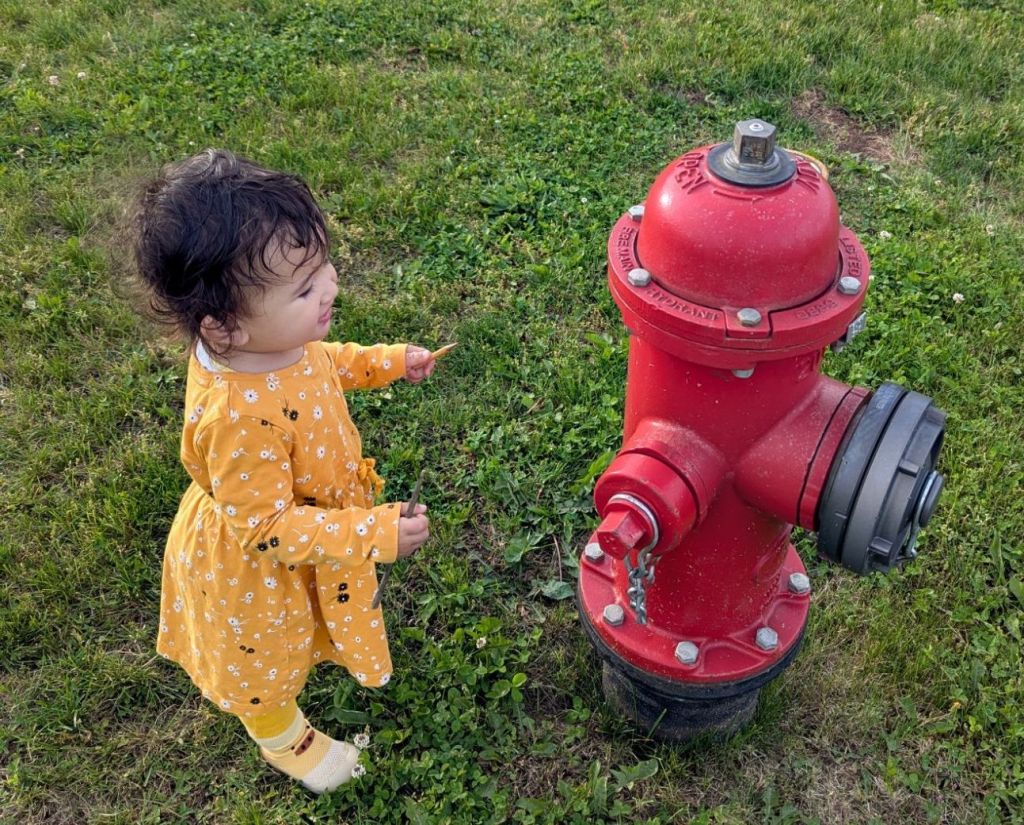
Adults have similar needs, most especially in a world of rapid change and reminders to “touch grass” as the way to cope with the disconnect from reality that grows given an increasingly artificial environment.
Slifer House was a place solace to many—a small refuge where things didn’t change. The old rose bush that bloomed magnificently, the memorial garden, the tower overlooking, a hospital where people were born, and a final resting place where their ashes were spread. The desecration of this site deserves far more attention and beyond just Asbury Riverwoods earning the new lower star rating on Google.
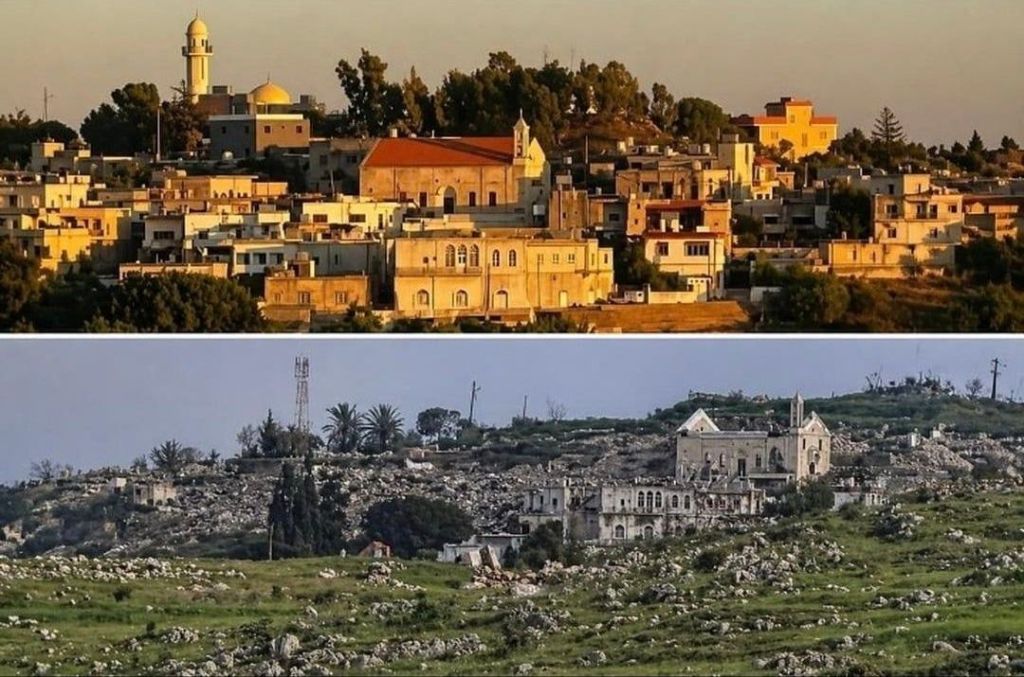
We need a conversation like what is taking place in Albania. There are mass protests over an island compound for elites that has been legally approved and yet is now being challenged with chants of “Albania is not for sale” and “cancel the project.” Sadly, in the corporate U.S., we’ve been so conditioned to believe all that matters is money and even our cherished cultural heritage must give way to new development if that’s what the wealthy (and the corporations they control) want for themselves. It is Capitalism without any of the moral restraint the founders viewed as being mandatory:
The spirit of commerce…is incompatible with that purity of heart, and greatness of soul which is necessary for a happy Republic.
John Adams, Letter to Mercy Otis Warren, 1776
Unfortunately our government prefers those exempted from taxes and foreign interests over the good of taxpayers. My home could be seized if I was delinquent in paying local dues, but not those granted their non-profit status while no longer providing anything of a public good. No, Asbury Riverwoods does not technically profit from destruction of property at our expense—but those who hide behind this legal structure most certainly do. Kelly Township’s fault is not having a framework established, the initially flippant attitude elected supervisors had towards those of us who were concerned. They failed at vision, to care enough to have legal protection in place and their negligence will now cost every generation that follows.
What I could sense in the eye rolls at public meetings, sighs in the CC I wasn’t supposed to see, was just a passive-aggressive nasty streak under a plastic smile. The problem with evil in our time is that it conceals under layers of PR, manufactured consent, and insincere “I feel your pain” politicking. Yes, you’ll catch those glimpses of the truth and you know when someone is just going through the motions, but they are just so slippery and hard to pin down. P. Diddy soaked in baby oil is more easily held accountable. And I do wish for the villains who would openly reveal themselves and just admit they just love breaking another child’s toys for sadistic pleasure.
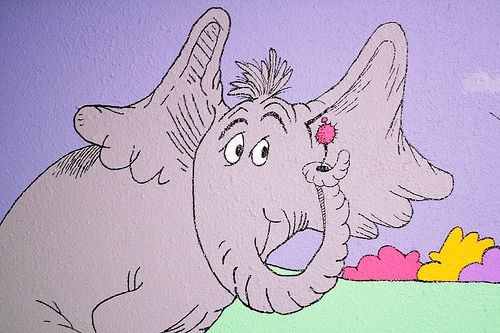
Like the Dr. Seuss classic Horton Hears a Who!—where a stubborn elephant fights to save a dust speck as others conspire to boil it, what other people cherish should be protected and collective desire to preservation even be treated as being as valuable as a deed. Even if we can’t hear the little voices ourselves or can simply dismiss it as silly sentimentality, this basic lack of hidden value felt in human hearts is currently undermining the pillars of humanity itself—and at this moment when we need respect for feelings the most: As we blaze forward in our mindless commerce, and enter this new age of super intelligent machines without consciousness, will there be a rational reason for these decision makers to keep us?
What will ever stop the elites from bulldozing or boiling us when they find a ‘better’ use of world resources?
At this pivotal time, we need a generation of Eli Slifers to rebuild what was lost and to build the new foundation of morality and ethics. Trust in institutions like corporations or government will not be sufficient. If anything the powers that be are in cahoots as they divide us up and pawn us off like the artifacts of Slifer House. No, we need to rise up like the people of Albania, and reassert ourselves, or humanity will die with a wimper as the machine of indifferent ‘progress’ pulverizes everything in it’s path.


