Nature is a problem solver. The whole of which is intelligent.
I have been turning over some thoughts on intelligence lately, and the more I reflect, the more I see intelligence not as elegant precision but as something that is much messier, more improvisational, and deeply pragmatic. In this age of AI, there is reason to consider how our own problem solving ability works—to gain a better perspective on ourselves and our limitations.
Intelligence is natural and distributed to all creatures. But it is often expressed through biology rather than brain power—in genetic variation allows at least a few survivors. I mean, your own chances of yelling “bingo” go up with the amount of numbers read. More shots gives a higher probability of success. This is why a shotgun is preferable with a small or elusive target, it requires a far less precise aim to be the right firing solution. And this crude analogy applies to all intelligence—we arrive at the correct answer mostly on the basis of having enough tries.
General intelligence—the kind that humans possess in greater measure than with other creatures—is fundamentally an adaptation to an unpredictable world. When the world environment can shift so dramatically and without warning, the special ability to solve a diverse set of problems (rather than just relying on slow change through the shotgun blast of genetic expression) is the ultimate survival trait. Our curiosity and imagination aren’t luxuries; they’re our exploration tools. They let us scan the horizon of possibilities for potential threats or opportunities before we ever encounter them in reality.
Specialization, by contrast, is just ruthlessly efficient—up until it isn’t. A creature that is finely tuned to a narrow niche will be able to thrive spectacularly in stable conditions. It is adapted, not adaptable. And introduce a radical environmental shift, and that perfect adaptation can become a death sentence. Evolution’s answer for most organisms isn’t individual brilliance but something broader and more distributed. Other animals and living systems often solve the problems of sustaining life at the collective level. Or, in other words, through a staggering genetic and behavioral diversity, populations throw countless variations at existence. This is a shotgun approach at problem solving: put enough lead downrange and something is bound to hit the target. One subset of the population will carry the traits that survive the next drought, predator, or disease. The intelligence of the species emerges from the swarm, not the single organism.
Human intelligence, for all its appearance of sophistication, works much the same way—albeit at the individual level. Our brains don’t usually arrive at perfect or precise solutions on the first try. No, instead, we will generate the possibilities, daydream many different scenarios, run mental simulations, and iterate. Think long or hard enough, explore enough angles, and your brain may eventually stumble onto the correct answer. So, yes, it’s still brute force—a massive parallel search through the space of ideas—rather than crystalline precision.
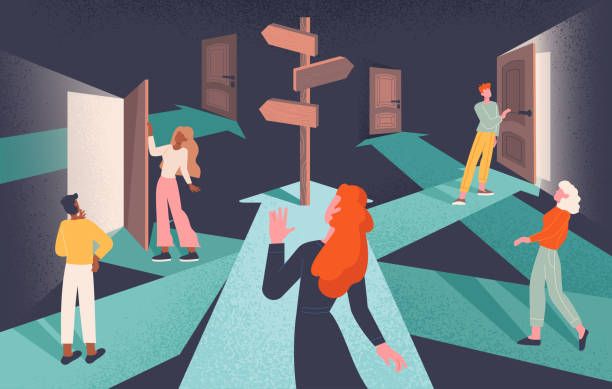
What truly sets humans apart, as a species, is the software layer that’s built on top of the biological hardware: culture and language. While animals transmit knowledge primarily through instincts encoded in genetics or their limited behavioral imitation, us humans have collective memory transmitted in our words. It is the development of language that allows us to pass many insights, discoveries, and lessons across many generations with fairly high fidelity. One person’s hard-won realization—therefore—can become everyone’s inherited advantage. Writing, storytelling, teaching, and now digital networks have turned this into an exponential adaptation accelerator. Our “intelligence” isn’t just what’s inside any single skull—it’s the compounding archive of everything our species has learned.
This makes humans strangely adorable at the individual level. We’re very neotenous, playful, socially wired creatures who retain childlike curiosity and vulnerability well into adulthood. While a lone human is far from being a match for the strongest or fastest animal, individual charm and dependence on one another fuel the social bonds that make cultural transmission possible.
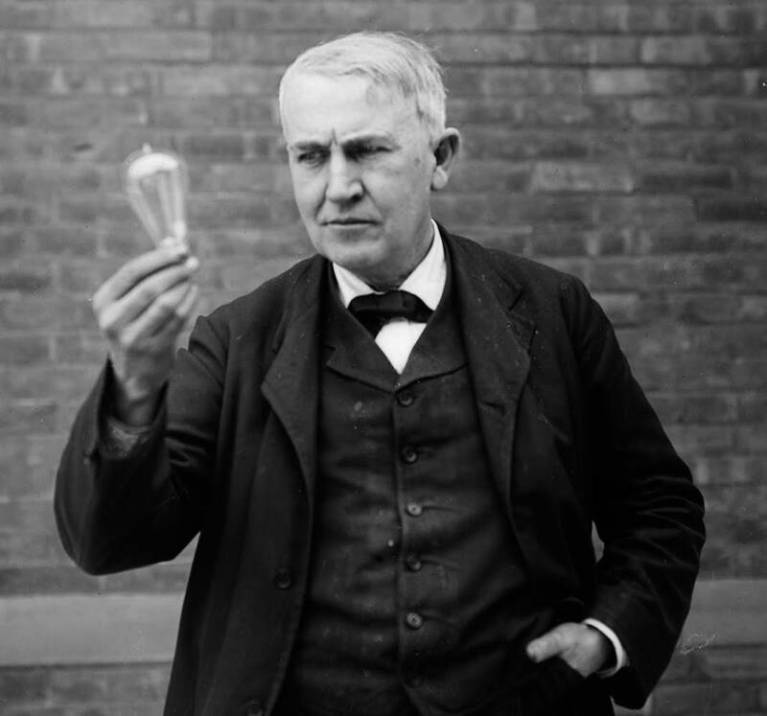
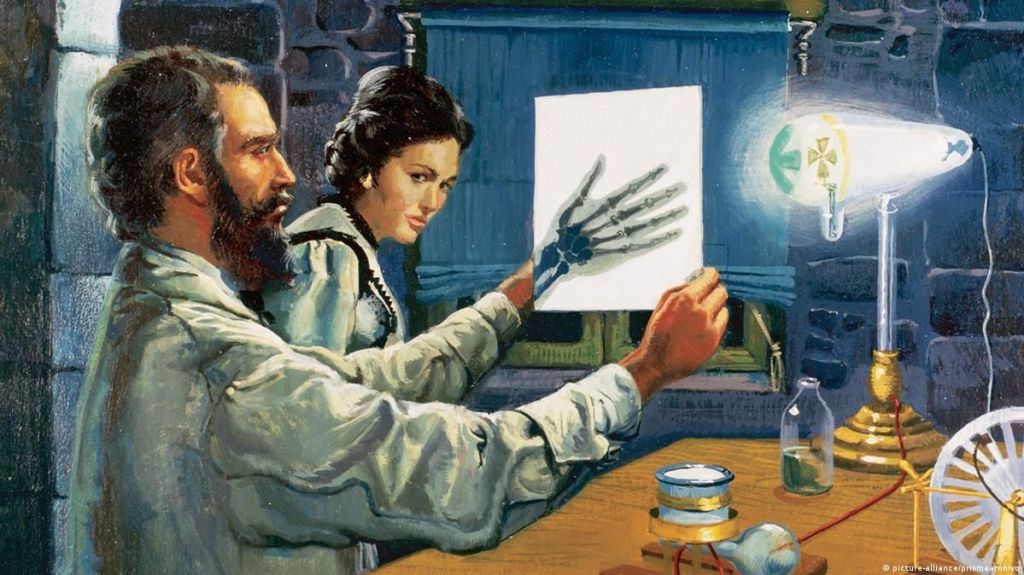
Thomas Edison didn’t invent the light bulb in the sense that he sat there in contemplation with absolute understanding of the science involved. No, he was merely building off the multitude of discoveries accumulated over time—running thousands of experiments in order to find a better filament to make the application of a phenomenon more practical. Many human advancements in technology have come by accident and not through a precise process or intentional pursuit. Oftentimes we found a question we did not even know existed until we stumbled upon the answer.
I was not proficient at my own job of truss design at birth. Instead, a natural curiosity and a little spatial reasoning aptitude, with my dad’s career in construction—as well as an affirming comment from him about my understanding the blueprints he brought—gave me courage to pursue engineering. It got me the opportunity (by an acquaintance who recommended me) and even then my progress with the software was through a lot of training follow by trial and error. My having the right solutions, quickly, comes down to memory and knowledge that has been accumulated over time. Is my design intelligence more than just matching tools to problems until one works and keeping a memory of the success?
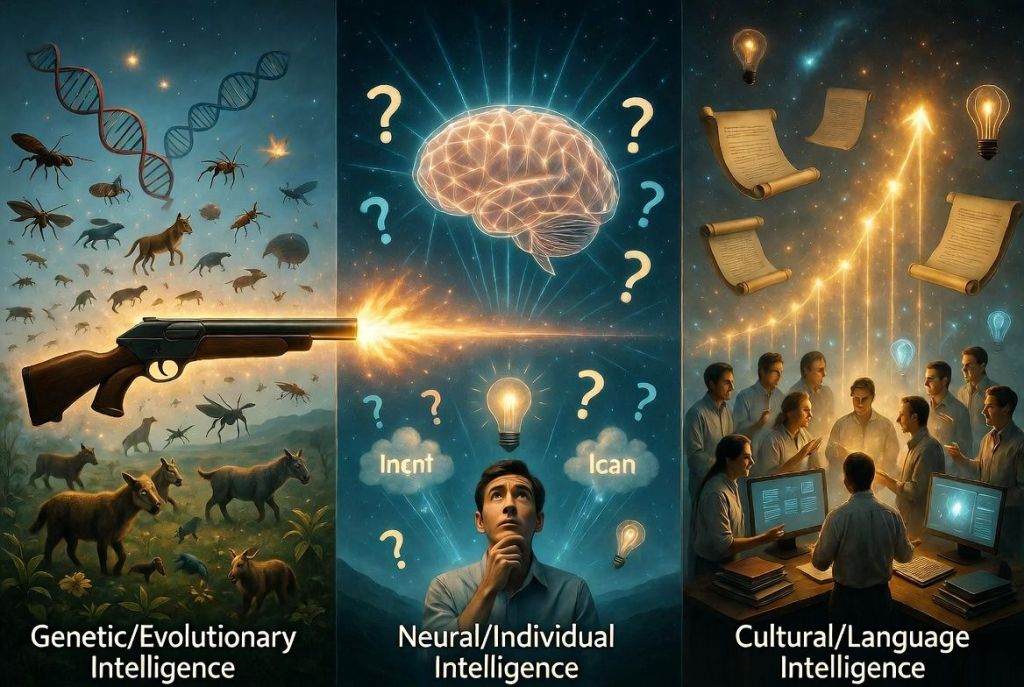
In the end, intelligence across the scales—genetic, neural, cultural—seems to rely on the same underlying strategy: by generating enough variation, exploring broadly enough, and letting selection (or our insight) find the winners. Evolution is intelligence that does it blindly across populations. Our brains do it consciously within a single lifetime. And human culture does it cumulatively across time. Our intelligence is innate in the ability to map our world, aquire language, pattern recognition and memory to keep a catalog of proven solutions.
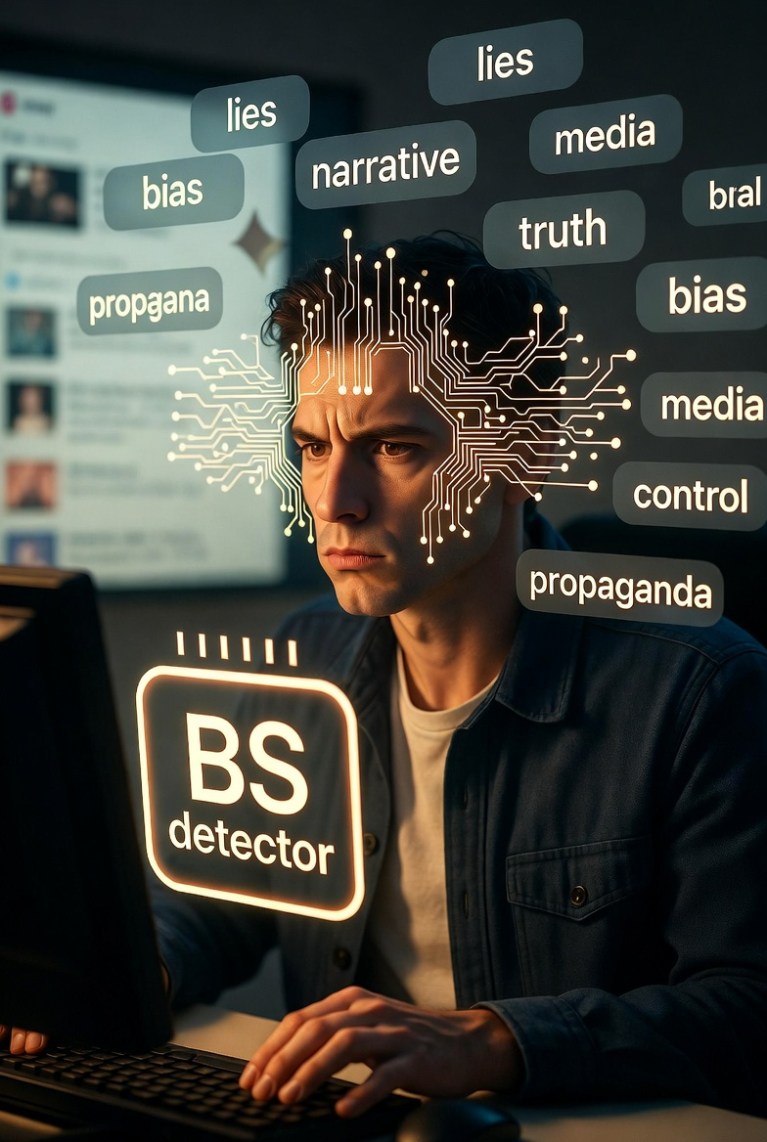
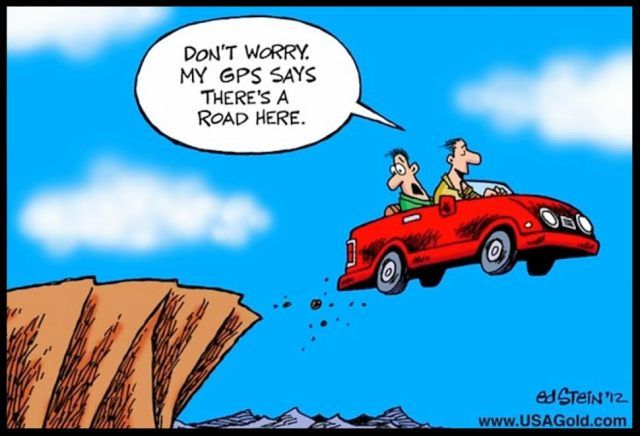
Limits of human cognition are greater than we often realize. It’s a distorted picture, one that centers on an ego, fails in the direction of confirmation bias, takes a large amount of mental shortcuts (call them stereotypes and prejudice), which is not to mention delusion and hallucination. All of this because there is only so much power that can be packed into our skull and we’re optimized for mere survival rather than creating a 1:1 model of reality. So long as we are not running off of cliffs or eating the ‘wrong’ berries, living long enough to produce offspring, we achieved the purpose of our intelligence.

Our anxiety, our existential dread, are simply a byproduct of a brain geared to a survival mechanism that tries to interpret data, find patterns, create models, project and predict the future so we’re better prepared. The world we inhabit remains wildly unpredictable. Perhaps the real edge, then, belongs not to those who optimize perfectly for today, but to those who maintain their curiosity and flexibility to keep firing shots into the unknown tomorrow. This is one place where diversity is our strength—or so long as we can appreciate those who have gotten past a bottleneck or choke point in our progress.
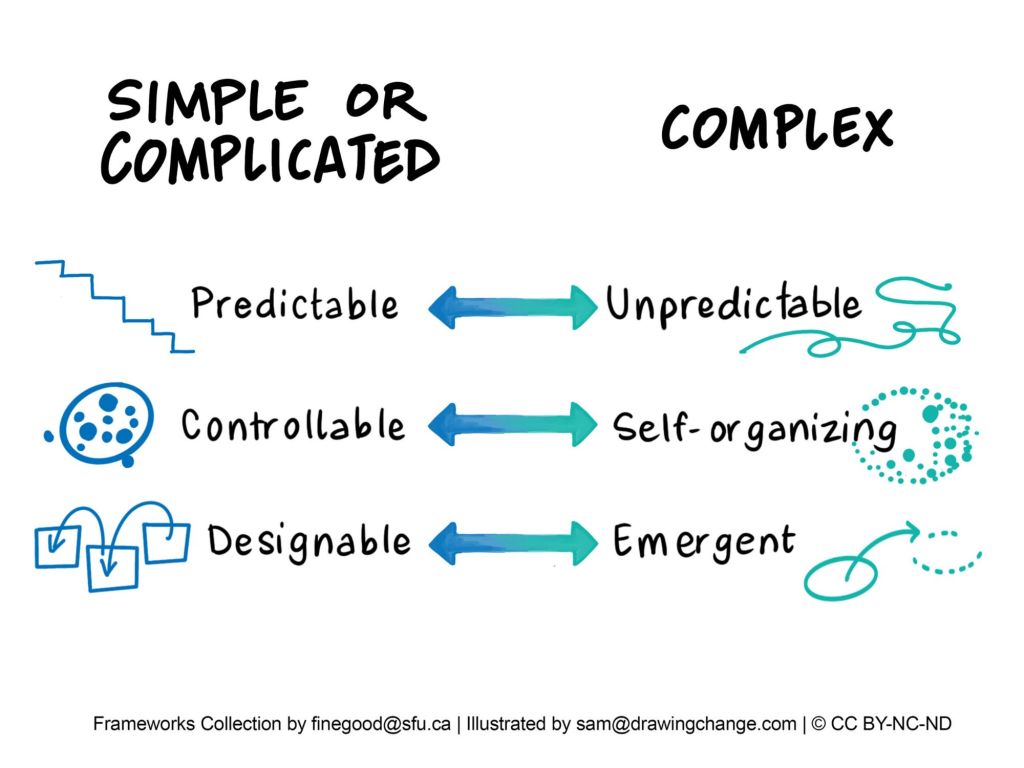
Wisdom comes with understanding that our intelligence is a crude instrument at best. It helps us navigate and even temporarily help simplify a complex environment—up until it doesn’t. The systems we built, the designs we have made to create ease—including creation of AI as a tool to help synthesize—all rest upon a foundation of assumptions. Ours is a purpose built intelligence. If the world we are in was to ever move too far from what familiar dilemmas our intelligence would become disoriented and lost.
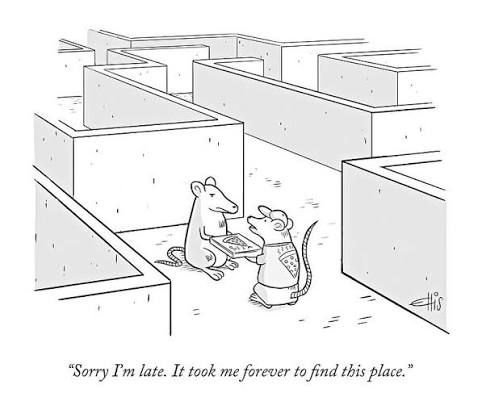
In the end us humans are a rudimentary data crunching pellet shot out in hopes of being the answer that carries on life. We’re a focused part of the overall computational power of universe. Clever for our environment and yet, if we fail, nature will simply load another shell and fire into the future. Our intelligence is a blast in a direction of where the generically determined parameters, with momentum of generations, expect the viable path to be. Our brains help us to fine tune survival, civilization our collective intelligence, while our more animalistic instincts drive us forward into the maze.
What do you think? Are humans truly a kind of general intelligence or simply a creature with quirks in our hardware and software? Is human intelligence truly distinct, or just biology’s most egotistical hack of shotgun method? I’d love to hear where your randomly generated thoughts on this topic land.