Parents create barriers for their children to keep them from harm. A toddler sees this wonderful world without consequences—whereas a parent understands danger lurks. The little hands reach almost involuntarily, without a concept of poison or pain, speaking desire “let me grab, let me hold, let me taste.”
Some parents will go as far as to invent the Boogyman as a reason why not venture too far given a child’s lack of ability to grasp the more complex monsters of the chaos that exists in all directions going beyond the extremely controlled environment of their home and community—protecting their innocence.
For two days in a row I had a dream featuring enormous snakes on a shoreline. Details have become murky, but in both of these episodes the real breathing monsters morphed into stylized symbols of the creature. Were these reel beasts subdued? Or, making this an allegory, has our modern life just so thoroughly shielded us from these elements that they no longer appear as real?
It makes me think of those medieval maps with sea monsters on the edges. These did not simply represent mythological peril. There was serious danger in venturing too far from the familiar coastlines. Ships swallowed whole, entire crews disappeared without a trace, it could be storms, savages, and unspeakable things of the deep. The seafarer was given a warning in these symbols—this place is an uncharted water enter at risk of all.
I’ve deliberately, a few years ago, charted a course beyond those safe moorings of my religious cloister. It wasn’t out of a sense of adventure. Nor was it all pleasant. It was half tumbling into space without a tether; the other half sailing around the world and finally find love and meaning in a place that had been forbidden.
The Boogeyman vanquished, but now a real evil staring back from the darkness. It’s the snake in the garden—hidden amongst those fruit trees—as well as that which exist in the world beyond Eden. It is the sound of those children screaming while burned alive while the world watches in silence. The thousand horrors never called a Holocaust.
My taste of this ‘real’ came years ago with a sudden death. Saniyah passing left me no choice but to stare into the void. It was not that I had expected her to live forever. But it was just that theory doesn’t prepare us for a soul crushing tragedy. I managed to finally bury it back down, this existential dread, yet the snake always lurks on the edge, within, and throughout. Denial doesn’t make it go away even if it provides small comfort.
Childhood is ideally a time of protection to give a chance for growth. But there are the ones who live a charmed life who can still believe a logic of bad things only happen to bad people or simply have maintained a big enough separation from themselves to this awfulness to be temporarily safe. However, for most there will be a reckoning the being a moment that knocks off those rose tinted glasses and allows them to finally question the foundations of their world.
Faith is easy until you’re Job staring at the ruins of all you built, dreams shattered, and a pain of loss you can’t put into words. One blessing we have is our forgetfulness. If we can power through the mourning phase, the excruciation of limb torn from body, facing a pit of emptiness, then we can rebuild and move on. Unless you’re my grandpa (facing the end of his life without any of the people who brought him there—still more fortunate than those who never had children let alone great grandchildren), you’re life is still ahead of you if you keep your hope.
A mind is resilient, the soul remembers. I have clawed back from total devastation, reinvented myself, and yet come through all of it profoundly changed.
The question is what navigational charts do I give my children? We are on different seas now and those hazards I have survived are not relevant to them. They will face storms, things I can’t begin to imagine let alone prepare them to battle. Even things blogged here a decade ago do not apply to the current generation.
As I sit in this liminal space of life. My course set. I realize there is not one safe space on the map ahead, the serpents below the waves have not gone away from my mind—there’s evil that lurks among us, the uncertainty about tomorrow, and the reality of the dying of the light. We must go, wise, courageous to fight those monsters of the darkness all around.
I’ve heard stories of Mennonite old timers who would walk into a dealership, ask them to give their best price and then refuse to engage in any haggling beyond that. To them this concrete style of communication is commanded by Jesus and something I can respect. Their word was their bond. They did not play all the games. Business that is honest and done with a handshake.
What a pleasant and simple world it would be if everyone operated this way. No need for lawyers to read the fine print if everyone were an honest broker like this. But we do not live in that world. And there are those who love to exploit the trust of those born into Anabaptist religious cloisters. Every few years there’s another fraudster who sweeps through Amish and Mennonite country, selling the next big ‘investment’ and wiping out the hard earned savings of the unsuspecting—which is not to even mention those small scale “natural healing” swindles or grift seminars.
This is why healthy skepticism is necessary and discernment of character is a skill that must be learned. Born into one of these communities, I’m still far too trusting—most especially if someone starts to speak my language. “Oh, he stands up for the working class! They’re the defenders of freedom and democracy!” We fall for those who exploit us, who manufacture consent by various means, who claim to be like us and yet lack our Christian conscience. We are most susceptible to those who mimic our values as part of their deception.
Being a good or moral person can lead to being extra vulnerable. Some just lack the imagination for evil, which is wonderful innocence, but this is not optimal. Wisdom requires that we are able to read through a sales pitch and understand how propaganda works. A skilled liar plays on what you want to hear, they exploit the prejudices and preconceived ideas of any audience. We need to be a step ahead of their schemes—which requires a little pattern recognition or small consideration of what may be hidden behind their words.
Letting Your Yea Be Yes, Nay Be Nay
Growing up, going to a public school, there was always that “I swear on my grandma’s grave” kid. Cued by your incredulous face, he would attempt to fortify his most questionable claims with this invocation of something else trustworthy. And the whole reason for this is that their own word wasn’t good enough. And this swearing act itself would arouse my suspicions. If I can’t trust you in a small inconsequential claim—how could I ever trust your oath?
Obviously this was theatrics in Secondary school, but a manner of speech that Jesus targeted for rebuke:
Again, you have heard that it was said to the people long ago, ‘Do not break your oath, but fulfill to the Lord the vows you have made.’ But I tell you, do not swear an oath at all: either by heaven, for it is God’s throne; or by the earth, for it is his footstool; or by Jerusalem, for it is the city of the Great King. And do not swear by your head, for you cannot make even one hair white or black. All you need to say is simply ‘Yes’ or ‘No’; anything beyond this comes from the evil one.
(Matthew 5:33-37 NIV)
This is repeated in James 5:12 a bit more succinctly:
Above all, my brothers and sisters, do not swear—not by heaven or by earth or by anything else. All you need to say is a simple “Yes” or “No.” Otherwise you will be condemned.
Credibility is something built over time and lost in an instant. Swearing an oath won’t fix a loss of trust. But it does basically admit that your own word is not sufficient and this suggests a deeper problem. An oath is useful in a courtroom, where it is used as a dividing line between speech that is free and misleading words you can be prosecuted for—yet what Jesus says is part of a broader push in the direction of plain and honest speech. As St Paul instructs:
Therefore each of you must put off falsehood and speak truthfully to your neighbor, for we are all members of one body.
(Ephesians 4:25 NIV)
Practice truthfulness.
Humanity is one team, one body, so deception is a sin against all members.
The Bible is also full of examples of the opposite of this:
Those who flatter their neighbors are spreading nets for their feet.
(Proverbs 29:5 NIV)
Everyone lies to their neighbor; they flatter with their lips but harbor deception in their hearts. May the Lord silence all flattering lips and every boastful tongue.
(Psalm 12:2-3 NIV)
Not a word from their mouth can be trusted; their heart is filled with malice. Their throat is an open grave; with their tongues they tell lies [or flatter].
(Psalm 5:9 NIV)
My companion attacks his friends; he violates his covenant. His talk is smooth as butter, yet war is in his heart; his words are more soothing than oil, yet they are drawn swords.
(Psalms 55:20-21 NIV)
In all of these cases you have those who appear to be our friends and use flowery and agreeable speech to ensnare. We naturally suspect those who aren’t like us, who say the stuff we don’t like, but we trust those who speak our native tongue and seem to share our cultural values. That’s our blind side and vulnerability. A guy shows up in a nice suit, well-groomed, and we’ll just take him as credible. We’re susceptible to those who dress up their deception in the familiar—or who feed our prejudices.
Those Who Dress To Deceive
The Bible mentions flattery, a Trojan horse and the way some use to lower our guard, but the Gospel warns about this:
Watch out for false prophets. They come to you in sheep’s clothing, but inwardly they are ferocious wolves.
(Matthew 7:15 NIV)
Looks can be deceiving.
For there are many rebellious people, full of meaningless talk and deception, especially those of the circumcision group. They must be silenced, because they are disrupting whole households by teaching things they ought not to teach—and that for the sake of dishonest gain. One of Crete’s own prophets has said it: “Cretans are always liars, evil brutes, lazy gluttons.” This saying is true. Therefore rebuke them sharply, so that they will be sound in the faith and will pay no attention to Jewish myths or to the merely human commands of those who reject the truth. To the pure, all things are pure, but to those who are corrupted and do not believe, nothing is pure. In fact, both their minds and consciences are corrupted. They claim to know God, but by their actions they deny him. They are detestable, disobedient and unfit for doing anything good.
(Titus 1:10-16 NIV)
If it were easy to cut through the crap then there would be very little chance of anyone ever being deceived. But the worst enemies of Christ weren’t those who had openly hunted and tried to kill his followers. You knew to avoid them. It’s those who entered the church to subvert and undermine.
St Paul calls out those of the “circumcised group” and who have actions that deny the relationship they claim to have with God. Today we deal with something insidious, now embedded into several generations through propaganda and established prejudice. We can’t see it because it hides within us, carries a familiar last name or claims to have devotion to the same values.
Many now believe it is okay to kill babies for an ethno-state. They go to church on Sunday never realizing that they have departed from Christ:
Not everyone who says to me, ‘Lord, Lord,’ will enter the kingdom of heaven, but only the one who does the will of my Father who is in heaven. Many will say to me on that day, ‘Lord, Lord, did we not prophesy in your name and in your name drive out demons and in your name perform many miracles?’ Then I will tell them plainly, ‘I never knew you. Away from me, you evildoers!’
(Matthew 7:21-23 NIV)
Those who have yoked together with those who Jesus said are “of their father the devil” (John 8:44) are as doomed to hell as an unbeliever. The Covenant with Abraham was tied to sharing his faith and righteousness. Likewise, you are not of Christ unless you obey his will no matter how “born again” you feel or how flowery you pray in front of the crowd. Enabling evil is just evil. Jesus called out the fakes who hid behind their mask of devotion and his earliest followers did the same. Stephen “cut them to the heart” challenging the Jewish leaders with a flurry of accusations—they killed him for telling the truth:
You have taken up the tabernacle of Molek and the star of your god Rephan, the idols you made to worship. Therefore I will send you into exile’ beyond Babylon. (Acts 7:43 NIV)
Harmless as Doves, Yet…
The simple and honest are especially vulnerable to the cunning and crafty. And it’s not always a matter of intelligence. It is about trust. It is about being a part of the same civilizational project.
Some places you can leave front doors unlocked and not worry about being robbed. Everyone is bought into the same moral code or same social contract, and thus respects the property and the rights of others who are partners in the overall work. And the doors of our civilization are wide open—not turning people away is a wonderful Christian value and good.
However, this value also means many let their guard down around imposters who pretend to be like us and yet work to subvert, supplant, enslave or destroy what we’ve built. They are a “snake in the grass” slithering, waiting for the moment of weakness to strike. They’re the wolves who will accuse the sheepdog of being a bigger threat to the sheep while they plot to devour the flock.
Yes, an impulse towards being charitable is great, but also we need to be wary of those who do not share the same civilizational bond or social contract—this is what Jesus said:
I am sending you out like sheep among wolves. Therefore be as shrewd as snakes and as innocent as doves.
(Matthew 10:16 NIV)
There was this horrible story about a young man opening the door to two men who were dressed like UPS delivery drivers and ended up paying with his life. The fake employees pushed into the residence, with two others who had hidden around the corner, and they murdered the young man and two women in the home—all of this happening in front of two children under the age of five.
We trust based on appearance. If the men in the story above had been dressed like a couple hoodlums nobody would open that door. There’s little chance of a very foreign looking religion or culture slipping into our communities unnoticed. But when we see something familiar or someone speaking in a way to convince us they’re on our side we do not take precautions. We let them in without considering that they could have values completely different despite their surface level disguise.
Whether the Trojan horse gift or that bright beautiful serpent in the garden—it is the job of the discerning person to sound the alarm and protect their own community or home from evil schemes. You need to be able to think like the schemers do to anticipate the deception. The first thing the wolves do is attack and try to silence the voices of those who identify them as being a threat. They will always come after the watch dog first before devouring the sheep.
Fool Me Once Shame On You
Zionism had slipped into my former Mennonite church through Evangelicalism. The church was founded near the same time a state called Israel was founded with a brutal and cruel expulsion of indigenous people. But we celebrated plucky little Israel, as if they came about by a miracle rather than being a result of a campaign of terrorism or military means. For whatever reason Palestinians didn’t matter, as just another group of backwards Arabs, and I’m guessing this is *still* the majority opinion as far as fundamentalist part of the sect I was born in. It’s just part of a disconnect between the love they profess on Sunday and the politics they accept the rest of the week.
Even if the state of Israel is a part of God’s plan does not mean we should be the cheerleaders for genocide or the justifiers of abuse of others. The “I didn’t vote for Trump to be a pastor” crowd seems to be too happy with the totally merciless treatment of the native population—including their innocent children. Apparently God’s chosen are just to be exempted from Christian ethics and can just kill as they please.
It defies every message on grace and mercy ever shared from a church pulpits. We let a wolf into the church and it has devoured our humanity in the name of a worldly kingdom.
Unfortunately Zionist ideology, their sensational end times fantasy, has caused many to abandon the cause of Christ. The old serpent has slipped through the church doors decades ago and is now preaching from many pulpits. He infiltrates the ranks, pretends to share our values as he subtly undermines them, and soon what is up is down is up—with the ‘faithful’ defending a Sodomizing pedo protecting baby killing cult of elites and calling good old fashioned conservative American values.
Hasbura will tell you Goliath was a victim and David a villain.
The worst part is when even to question the official narrative, put out by those who lied wmv will lie again, is twisted into being an ‘evil’ worse than any other. They don’t seem to get that good institutions can be hijacked or that Jesus most certainly did insult those who held positions of authority and he did it by calling them out to their faces. This idea that we must shrink away from challenging the mask of righteousness worn to fool the masses is just flat out wrong. We must call out what the New Testament writers call the synagogue of Satan:
I know about the slander of those who say they are Jews and are not, but are a synagogue of Satan.
(Revelation 2:9 NIV)
In the end, we either are what we say we are or we’re not. That’s what yay be yay is truly about. James warns against being double-minded, about showing favoritism, and the New Testament is full of statements which emphasize no difference between Jew and Gentile in Christ. Israel isn’t a blessing nor is it protected by the hand of God. No, they are simply willing to do the treacherous and nasty things that are completely antithetical to the teachings of Jesus Christ. We need to be wiser understanding that some will lie to gain our money or support.
The default position for most people is some form of tribal ethic. If it is done to them or their own family by another tribe it is a horrendous and terrible crime. But, when only those in another tribe are hurt or if they are afraid that confronting the abuse will hurt their own tribal agenda—then suddenly the unforgivable becomes a “Who cares, everyone does it, why are you bringing that up again?”
Tribal ethics amount to doing only what is good for the tribe—usually sacrificing the rights of an individuals in the tribe and always denying the basic humanity of those outside of the tribe. Individual rights of those in the tribe are generally honored, but only so far as protecting them is useful to the collective and not as something that is absolute or immutable. If a few die for sake of the tribal order—are stoned to death for daring to pick up sticks on the Sabbath—that’s just how it is.
The Old Testament is full of this. Your own are completely free to enslave, rape or take from those outside the tribe and yet would be enraged if one of their own were treated in the same way—like when vengeance was taken by Dinah’s brothers who wiped out a whole city for sake of the family’s honor. If it were within the tribe the attitude would be quite a bit different. Under Moses law this was simply a matter of paying the price of the bride and not a death sentence. And it is clear that things morally abhorrent by a modern standard, like genocide, were done by the command of God.
Tribalism is a feature of politics, a natural or default condition, where we defend our own and demonize the other. To the left Charlie Kirk deserved to die for his sins of hate they claim were harmful to their woke collection of identities. The Evangeli-cons soak up the propaganda from Israel that paints children in Gaza as future terrorists. We protect the people most like us because and adjust our moral rules according to the situational and immediate needs of our tribe.
A Case For One Higher Universal Standard
But a Christian ethic is completely different from this. It says sin is sin. Evil is evil no matter who is committing it or who it is against.
And, if anything, those who are in the church, who profess their faith in Jesus, should be held to a much higher standard. There is no room for favoritism (James 2:1, Romans 2:11) or carving out exemption for elites or even our friends and family. Jesus said to love our enemies (Matt 5:44, Luke 6:27) and even ‘hate’ our own family (Luke 14:26) if necessary to truly be his follower. Even our thoughts subjected to a standard of love and forbearance.
Jesus didn’t get hung on a cross for saying cutesy stuff that is easy to do. And I really do not expect anyone to live by that code. It requires actual faith and a true belief Jesus is what he said he was to make sacrificing ourselves for his ethic reasonable:
Do not repay anyone evil for evil. Be careful to do what is right in the eyes of everyone. If it is possible, as far as it depends on you, live at peace with everyone. Do not take revenge, my dear friends, but leave room for God’s wrath, for it is written: “It is mine to avenge; I will repay,” says the Lord. On the contrary: “If your enemy is hungry, feed him; if he is thirsty, give him something to drink. In doing this, you will heap burning coals on his head.” Do not be overcome by evil, but overcome evil with good.
(Romans 12:17-21 NIV)
But even if you don’t truly believe in a future eternal reward or God, there is a reason why universal morality is better than our default tribalism. And that is an idea of what goes around comes around. Sure, you might not care about someone else’s daughter being sexually exploited by wealthy and powerful men—most especially if they are furthering your partisan political agenda—and yet we want to have a society where there’s justice or the injustice will eventually spread to us.
This is the big difference between my own understanding and the one that is far more popular: Good and evil never change on the basis of who is doing it or if I benefit. If it is wrong for the neighbor to kill my dog under most circumstances it is wrong for me to kill theirs. And if I (or one my own) start to act with impunity—are continually forgiven for things others are always condemned for—eventually this will piss off enough of the ‘others’ that they’ll dish out their version of justice against their abusers.
The Fallacy of Judeo-Christian Values
Evangeli-cons want the world to forgive for all their infractions and yet never forget if a victim fights back against their aggression. It is the very opposite of what Christ taught and anti-Christ. Jesus would likely warn us that how we judge we will be judged and the measure we use will be measured back to us. Which should make us tremble when we consider the slaughter and razing to the ground of Gaza using bombs we provided—there will be no call for mercy on the behalf of those who claim that young children are terrorists so they can kill them:
We are imposing a complete siege on Gaza. There will be no electricity, no food, no water, no fuel. Everything is closed. We are fighting human animals and we are acting accordingly.
October 13, 2023, Isaac Herzog, President
Just as it is clear that the right wing was right, today everyone says it is clear all Gazans must be annihilated… There is no logic in differentiating between uniformed [Hamas] and the rest of the inhabitants there.
September 2025, Moshe Saada, Likud MK
Every child born in Gaza is already a terrorist, from the moment of his birth.
January 15, 2024, Nissim Vaturi, Likud Deputy Speaker
And they were stating their genocidal intent long before October 7th:
Huwara needs to be wiped out. I think the State of Israel should do it… Water, electricity, and food must be cut off from the Gaza Strip. Those who do not die by bullets will die of hunger.
February 2023, Bezalel Smotrich, Finance Minister
This shows the absurdity of what is called Judeo-Christian values. Tribal logic says it is okay to kill man, woman and child of the rival so we can take the land for ourselves. Whereas Christian morality calls for all to be saved (1 Tim 2:4, 1 Pet 3:9) and erases the boundaries of tribal identities based on gender, race or social status. It is the polar opposite of having a chosen people with a license to take and kill. Jesus offended his ‘righteous’ ethnic audience by saying that a pagan had greater faith than all of Israel. To embrace this radical ethic is to reject the tribalism that fuels division and violence, choosing instead a universal justice that holds all accountable and protects all, not just the chosen few. Only by abandoning the hypocrisy of tribal loyalty can we hope to build a world where the measure of our judgment does not return to condemn us, but instead fosters a shared humanity that is grounded in love of Jesus.
A Fundamentally New Way of Thinking
The Christian ethic really is a total reversal of fundamental attribution error. It is easy to attribute what others do to us to a matter of their immutable character, they’re just evil and irredeemable, therefore do not need to be heard or understood. But for our own or ourselves we tend to blame only the circumstances and call it a mistake—one of those forgivable offenses. The reverse is to never make excuses for our own while also showing grace to those who offend us.
When someone cuts us off in traffic is it because they are a terrible driver? Or did they just have a bad moment? Or if we do the same, is it truly just an isolated incident or is our confirmation bias simply forgetting all of those times we transgressed with an “oops, sorry!” Reversing our fundamental attribution error is simply to apply grace we give to ourselves to others. It is, at the very least, to apply the same standard we do for ourselves as we do to others.
When a person of our own tribe does some kind of horrific deed, do we dismiss this as not representing us as a whole? Maybe we justify it? When the US Navy shot down Iran Air Flight 655 flying a routine route over the Strait of Hormuz, back in 1988, and killed all 290 on board—the US didn’t even apologize and, adding insult to injury, gave medals to the crew that did it! That is tribalism and is how fundamental attribution error works. If Iran did the same the US population would be calling for our military to turn the whole country into a smoldering ruin.
But the Gospel of Jesus Christ starts with a call for repentance. Repentance being an inward turn where we identify and confess our own faults rather than hide them behind rationalization or claims that our hand was forced by the other side. And, finally, after this deep introspection, we show the fruits of a changed spirit by showing the grace we have been shown to even those who we feel are most underserving. A true Christian will strive to love their worst enemies while also holding their own to a high standard.
If we want forgiveness of our sins we must show mercy and forgive others.
Evangeli-cons want all grace for themselves and yet give none to the enemies of their ‘Christian’ empire. They don’t want sins of some in their midst to count against them, they will deny the inconvenient violence of those on their side politically, but then make the whole left or all of Islam responsible for everything ever done by one of their own. It is a tribal ethic that has nothing to do with a Jesus of repentance. Or a spirit of grace to others that exists in those who understand their place before God.
Setting aside moral principle to serve a greater good means you have no moral principles.
Moral relativists love their hypotheticals: “What if you had a chance to travel back in time and kill baby Hitler?”
Once they can establish the answer as “yes” then pretty soon thereafter anyone who stands in their way is a Nazi. Or, in other words, the morality of “everyone I don’t like is literally Hitler” where you will basically become Hitler killing all of those baby Hitlers before they become Hitler—kill them all, you can’t be too careful!
It is ends justify the means morality that justifies, ultimately, the most heinous and horrible acts by one projecting a possible outcome as an excuse to violate another person—in some cases even before they drew a first breath.
For example, the Freakonomics case for abortion pointing to how inner-city crime rates dropped in correlation with black babies being killed—used as a moral justification.
Contrast this with Matthew 12:20, with Jesus: “He will not break a crushed blade of grass…”
This prejudice is behind every genocide or ethnic cleansing campaign. The excuse: “We don’t want to kill babies, but if we don’t ‘mow the grass‘ then they’ll grow up to kill us.” I mean, it’s not like that attitude will create a backlash or stir the anger of the population being cynically targeted for a trimming back, right?
Oh well, at least when you are starting at the very bottom, relying on self-defense by precrime judgment and a doctrine of preemption, there is no slippery slope to be concerned about: Morality becomes a race of who can eliminate their potential opponents most efficiently rather than a social contract between people trying to live peaceably with their neighbors.
(Im)Morality of the ‘God’s Plan’ Excuse…
One of the sidesteps of treating others with human decency is that it is all part of God’s plan. Biblical fundamentalists often use a similar kind of ends justify the means moral reasoning as the far-left—except they dress it up as faith and seeing the bigger perspective.
This is their excuse to be Biblical, but not Christian. The moment you raise a moral objection about anything they’ll find their loophole in Scripture: “Oh, yes, God said not to take innocent life, but He also told Israel to wipeout the Amalekites, so it is up to us to decide who gets slaughtered or saved.”
This is the God’s eye perspective Jesus addressed in Mark 7:10-12:
For Moses said, ‘Honor your father and mother,’ and, ‘Anyone who curses their father or mother is to be put to death.’ But you say that if anyone declares that what might have been used to help their father or mother is Corban (that is, devoted to God)—then you no longer let them do anything for their father or mother.
What the Biblical experts were doing was using one command to nullify another by a greater good moral reasoning. Of course they, in their own minds, were the more spiritual. They had convinced themselves that—by neglecting their duty to parents—they were seeing things from God’s eyes and just better than everyone else. But, in reality, this is rationalization and an excuse to be immoral.
Morality isn’t about taking the God’s eye view, it is about our practically applying the Golden Rule or the law of reciprocity described in the passages below:
For if you forgive other people when they sin against you, your heavenly Father will also forgive you. But if you do not forgive others their sins, your Father will not forgive your sins.
Matthew 6:14-15 NIV
“Do not judge, or you too will be judged. For in the same way you judge others, you will be judged, and with the measure you use, it will be measured to you. “Why do you look at the speck of sawdust in your brother’s eye and pay no attention to the plank in your own eye? How can you say to your brother, ‘Let me take the speck out of your eye,’ when all the time there is a plank in your own eye? You hypocrite, first take the plank out of your own eye, and then you will see clearly to remove the speck from your brother’s eye.
Matthew 7:1-5 NIV
Speak and act as those who are going to be judged by the law that gives freedom, because judgment without mercy will be shown to anyone who has not been merciful. Mercy triumphs over judgment.
James 2:12-13 NIV
See the pattern here?
What we put into the world is what we will receive back. If we do not show any mercy to those under our power, then we will not be shown mercy. And that’s the point behind the parable that Jesus told about a man forgiven a great debt—then goes out demanding repayment from the man who owed him.
Seeing things from God’s perspective—according to this—is to apply Micah 6:8:
He has shown you, O mortal, what is good. And what does the Lord require of you? To act justly and to love mercy and to walk humbly with your God.
There are no excuses to set aside normal morality for the sake of God’s plan.
There is no special exemption given for a chosen race of people either.
Throughout history the most evil of men have excused their atrocities using God’s will. It is the reasoning of the Crusader’s command, based on 2 Timothy 2:19, of “Kill them, for God knows his own.”
The ‘Christian’ West killed more innocent people in the Holy Lands than Islamists.
With that kind of thinking, everything will become justified as part of God’s plan if you zoom it out and, therefore, we can’t take a moral stand against anything. If it is God’s plan that babies are killed—then who are you to decry it as murder?
This is logic which can neutralize every moral stance or turn every evil deed into some kind of ultimate good—if you just see it from ‘God’s perspective’ it all becomes okay. Of course, at that point, accepting this, there is no morality—once everything is relative to God’s will or the outcome that we call good.
It essentially replaces the Golden Rule with: “Do unto others as you would have them do unto you—except if you can explain away the abuse by some kind of greater good excuse.”
Act Justly, Love Mercy, That’s the Conclusion…
Moral relativism, whether cloaked in the guise of achieving a greater good or justified as part of God’s plan, erodes the foundation of true morality—the Golden Rule.
By excusing heinous acts through hypothetical necessities or our ‘divine’ rationalizations, we are becoming the very monsters we claim to oppose. True morality demands consistency: acting justly, loving mercy, and walking humbly, without excuses or every resorting to preemptive judgments or selective exemptions.
When we abandon moral principles for the sake of outcomes we desire or divine loopholes, we replace mutual respect or an opportunity for understanding with a race to eliminate every perceived threat, leaving no room for peace, forgiveness, or humanity.
The measure we use—whether it is mercy or judgment—will be measured back to us, and no appeal to a higher purpose can absolve us of that final reckoning.
When we cut someone off it is a mistake, when they do it to us—we go ballistic.
Post script: Morality is staying in our lane and abiding by the rules. Playing God is running someone off the road for daring to cross into our lane. It is about our keeping the law—not our enforcing of it. And when we start to justify the abuse of others, as Biblical, then we turn into a violator. James 4:11 explains: “When you judge the law, you are not keeping it, but sitting in judgment on it.” The end result of exemption of ourselves using God’s plan as cover is a cycle of violence where all see themselves as righteous—even while doing incredible evil.
The deliberate killing of children—whether through abortion or in conflict zones like Gaza—is often defended by opposing ideological camps using eerily similar logic.
Both sides, whether progressives celebrating abortion or conservatives excusing the civilian deaths in Gaza, rely on hiding their atrocities under a thick blanket of dehumanizing language, while using speculative reasoning to justify their positions.
I’ve walked away from online friendships over this hypocrisy: “progressive” friends who are vegetarian and biology-savvy yet loudly cheer for abortion, or those self-proclaimed Christians who shrug off thousands deaths of Palestinian kids as mere “collateral damage” and a normal part of war.
This blog dives into how both sides use the same flawed reasoning, spotlighting the Freakonomics future peace case for abortion, and argues why it’s always wrong to kill a child—no matter the excuse—and why we must stop playing God.
Dehumanizing Through Words
Words are powerful, and both groups wield them to hide the truth. Abortion advocates use terms like “fetus” or “reproductive choice” to make the act sound clinical, distancing themselves from the reality of ending a human life. I’ve seen friends who’d cry over a harmed insects dismiss a fetus as a “clump of cells,” despite knowing it’s a developing human.
Pro-abortion folks may do as the pro-genocide folks do and say that this is AI-generated. But their denial doesn’t change the truth.
Similarly, those defending the killing of kids in Gaza call it “counter-terrorism” or frame it as a response to October 7th, glossing over decades of Zionist violence against those who are indigenous to Palestine. This linguistic sleight-of-hand—whether medical jargon or military euphemisms—strips away the humanity of the victims, making it easier to stomach the brutality.
The Freakonomics Trap: Justifying Death with What-Ifs
The Freakonomics argument, laid out by Steven Levitt and Stephen Dubner, is a prime example of how this reasoning works.
They claimed legalizing abortion after Roe v. Wade cut crime rates in the ‘90s by reducing “unwanted” kids who might’ve grown up to be criminals. It’s a cold, numbers-driven pitch: kill now to prevent hypothetical future problems. This mirrors the logic of those who justify dead kids in Gaza as a necessary cost to stop future terrorists.
Others, like US Senator Lindsey Graham, have suggested nuking Gaza, stating, “Give Israel the bombs they need to end the war that they can’t afford to lose.” Israeli leaders on i24NEWS have echoed this, calling for the extermination of everyone in Gaza, including babies, as “every child, every baby in Gaza is an enemy.” These statements reveal a chilling willingness to annihilate children based on speculative fears, just as Freakonomics justifies abortion by imagining future criminals.
They’re not sleeping. They were targeted for elimination.
Both hinge on a false dilemma: either kill now or face catastrophic consequences later. This binary ignores alternatives, like the IRA peace process in Northern Ireland, where dialogue and systemic change brought decades of conflict to a halt without resorting to mass killing. Peacebuilding, not extermination, addressed the root causes while preserving lives.
Why Consequentialism Fails
This kind of thinking—called consequentialism—puts outcomes over principles. It assumes a kid in the womb or a warzone is a potential threat, not a person with potential. But life doesn’t work that way.
Plenty of people born into poverty or conflict grow up to do great things. The Freakonomics logic ignores that, just like the idea that a Gaza kid will inevitably become a terrorist.
Plus, it’s unfair to punish a child for what they might do or for what adults—like their parents or community leaders—have done. A fetus isn’t responsible for its mom’s situation, just as a Palestinian kid isn’t to blame for Hamas. Killing them shifts the burden of adult failures onto the innocent.
Do we truly want to live in a Minority Report world where governments choose who lives or dies based on predictive algorithms?
The Sanctity of Life Over Playing God
Every major ethical tradition, religious or secular, values human life, especially the most vulnerable. Kids, born or unborn, embody that vulnerability.
When we justify their deaths with fancy words or stats, we’re opening a dangerous door. History shows where this leads—think Holocaust or Rwanda, where dehumanization fueled mass killing.
The Freakonomics case and Gaza justifications risk the same moral rot, treating some lives as disposable.
Our job isn’t to play God, deciding who’s worthy of life based on our fears or predictions. It’s to act with justice and protect the defenseless, not to end their lives to fix society’s problems.
Wrapping It Up
The hypocrisy of cheering abortion while mourning other forms of life, or calling yourself Christian while excusing dead kids in Gaza, reveals a shared flaw—believing their creative semantics or future self-defense reasoning can remove the stain of their sin.
The Freakonomics argument and genocidal rhetoric from figures like Feiglin and Graham both reduce children to pawns in a bigger game, ignoring their inherent dignity. It’s always wrong to kill a child—whether for an adult’s choices or a fear of what they might become.
Instead of playing God with false dilemmas, we need to follow examples of taking a third option—like the IRA peace process—and focus on real solutions: respect for a legitimate grievance over stolen land and diplomacy, in support of moms and investment in communities.
Only by valuing every life can we build a world that’s just and safe for future generations.
This level of consensus is chilling, arguably surpassing the public support for such policies in Nazi Germany between 1933 and 1945. The roots of this sentiment can be traced to the founding of Israel itself, where Zionist militias employed tactics of rape, murder, and terrorism to expel Palestinians from land they had inhabited for centuries. This violent dispossession undermines any claim to respect for property rights—a principle often championed by those who defend Israel’s actions.
The hypocrisy is particularly stark among American conservatives, who in one breath decry property taxes and champion the sanctity of life—down to the frozen embryo—yet in the next, justify the deaths of Palestinian women and children as “deserved” because 2% of Gaza’s men resisted occupation. This contradiction mirrors the selective outrage of a nation founded on the cry of “no taxation without representation,” yet which now supports a cruel occupying colonial power denying Palestinians self-determination and basic human rights.
The erasure of Palestinian identity is a key tool in this moral failure, with many Zionists claiming Palestinians “never existed” despite historical evidence to the contrary. Palestine is referenced as far back as Shakespeare’s Othello (1603): “I know a lady in Venice would have walked barefoot to Palestine for a touch of his nether lip.” Early Zionist cookbooks, from the 1920s (to teach European settlers how to use local spices and oils unfamiliar to them) have “Palestine” in the title acknowledging the region’s distinct cultural heritage.
This ongoing effort to remove inhabitants echoes a biblical story of greed and injustice:
Some time later there was an incident involving a vineyard belonging to Naboth the Jezreelite. The vineyard was in Jezreel, close to the palace of Ahab king of Samaria. Ahab said to Naboth, ‘Let me have your vineyard to use for a vegetable garden, since it is close to my palace. In exchange I will give you a better vineyard or, if you prefer, I will pay you whatever it is worth.’ But Naboth replied, ‘The Lord forbid that I should give you the inheritance of my ancestors.’ So Ahab went home, sullen and angry because Naboth the Jezreelite had said, ‘I will not give you the inheritance of my ancestors.’ He lay on his bed sulking and refused to eat. His wife Jezebel came in and asked him, ‘Why are you so sullen? Why won’t you eat?’ He answered her, ‘Because I said to Naboth the Jezreelite, “Sell me your vineyard; or if you prefer, I will give you another vineyard in its place.” But he said, “I will not give you my vineyard.”’ Jezebel his wife said, ‘Is this how you act as king over Israel? Get up and eat! Cheer up. I’ll get you the vineyard of Naboth the Jezreelite.’ So she wrote letters in Ahab’s name, placed his seal on them, and sent them to the elders and nobles who lived in Naboth’s city with him. In those letters she wrote: ‘Proclaim a day of fasting and seat Naboth in a prominent place among the people. But seat two scoundrels opposite him and have them bring charges that he has cursed both God and the king. Then take him out and stone him to death.’
1 Kings 21:1-10 NIV
This evil plan succeeded, and Naboth was murdered for his land with the complicity of a manipulated mob. The parallels to modern times are striking: Palestinians are dehumanized as “wild,” “barbaric,” or “terrorists,” just as Naboth was falsely accused to justify his execution. In the West Bank unarmed Palestinians are being driven off their land—even a US citizen was recently beaten to death by settlers. Jezebel and Ahab eventually faced divine judgment, but not before their treachery destroyed an innocent man. Today’s leaders, spurred by similar greed and power, rely on a complicit public—modern “useful idiots”—to enable ethnic cleansing and cultural erasure.
Suspicion surrounds the events of October 7, 2023, when Hamas launched a devastating attack on Israel. Reports indicate that IDF guards were ordered to stand down from their normal patrols an hour before the incursion, despite Gaza being one of the most heavily surveilled regions in the world. This raises questions about whether the attack was truly a surprise. Historical parallels, like the shorting of airline stocks days before the September 11 attacks, suggest insider knowledge rather than direct orchestration. While there’s no concrete evidence that intelligence agencies planned the October 7 attack, circumstantial factors—such as the “dancing Israelis” linked to Mossad during 9/11—fuel speculation that Israel’s intelligence may have known of Hamas’s plans and allowed them to proceed. Unlike conspiracy theories that overcomplicate events, the simpler explanation is that the attack was permitted to serve as a pretext for escalating military action.
This pattern of exploiting crises is not new. The 9/11 attacks, carried out primarily by Saudi nationals, were used to justify the invasion of Iraq, despite no evidence linking Saddam Hussein to the plot. The invasion served special interests seeking to eliminate a regional rival, much as Israel’s current actions align with the Likud party’s long-standing goal of a “final solution” for Palestinian territories. Israeli Prime Minister Benjamin Netanyahu, who had covertly supported Hamas to weaken Palestinian unity, likely saw the October 7 attack as an opportunity to galvanize public support for extreme measures. By allowing Hamas’s unprecedented success, he manufactured consent for policies that would otherwise be unthinkable.
The world’s leaders rarely let a crisis go to waste. Through propaganda, they direct public anger to serve their agendas, erasing the humanity of the oppressed in the process. Just as Naboth was slandered and killed for his land, Palestinians face cultural erasure and violence, enabled by a global audience too quick to accept the narrative of their dehumanization. To learn from history, we must discern the truth and reject the lies that justify such atrocities.
Holocausts and genocides occur because atrocities are obscured by layers of justification, propaganda, and denial. Historically, these layers have enabled mass violence by fostering ignorance or apathy among populations. In Nazi Germany, the genocide of six million Jews was justified through antisemitic propaganda blaming Jews for economic woes and civil unrest, despite only a small fraction being involved in communist movements. Most Germans did not need to endorse the “Final Solution”; they only needed to remain ignorant or in denial, facilitated by censorship, secrecy, and moral rationalizations.
This pattern of denial and justification is evident in other genocides, such as the Communist purges in the Soviet Union, China, and Cambodia, where millions were killed to eliminate perceived threats to a utopian vision. The logic behind these atrocities often follows a “utopian cost-benefit analysis,” akin to the Trolley Problem in ethics: committing a painful or immoral act is justified if it promises immense societal benefits. For example, in Stalin’s purges, an estimated 680,000–1.2 million people were executed to “secure” the revolution, with the promise of a classless society outweighing individual lives. This reasoning holds that if a perfect society is achievable, no sacrifice is too great.
This same moral calculus can be applied to the ongoing conflict in Gaza, which constitutes a genocide. By examining the mechanisms of denial, propaganda, and prejudice, we can see how atrocities are enabled today, just as they were historically.
The Gaza Conflict as Genocide
The situation in Gaza meets the criteria for genocide under the UN Genocide Convention, which defines it as acts committed with intent to destroy, in whole or in part, a national, ethnic, racial, or religious group.
Israeli Prime Minister Benjamin Netanyahu’s 2023 reference to Palestinians as “Amalek”—a Biblical group the Israelites were commanded to exterminate—signals intent to dehumanize and destroy. This rhetoric has been followed by actions: the bombing of 70% of Gaza’s healthcare facilities (WHO data), the blockade of food and water leading to starvation (UNRWA reports of 1 in 5 Gazans facing acute hunger), and incidents like the February 2024 attack on a crowd seeking aid, killing 112 civilians (per Gaza authorities). These actions systematically target the conditions necessary for Palestinian survival, aligning with the Genocide Convention’s criteria.
Layers of Denial and Propaganda
Genocides thrive when atrocities are hidden or justified. In Gaza, denial is facilitated by restricting information. The unprecedented killing of 185 journalists since October 2023 (Committee to Protect Journalists data) limits independent reporting, while Israel’s control over access to Gaza restricts international observers. The proposed U.S. TikTok ban, justified on national security grounds, may also suppress unfiltered footage from Gaza, as the platform has been a key source of firsthand accounts. For example, X posts from Gazan users often share videos of destruction, but these are dismissed as unverified or biased, while Israeli military statements are rarely scrutinized with the same skepticism.
Does Israel deserve destruction because they voted for a terror sponsor named Netanyahu?
Propaganda further obscures the truth. The narrative that Gazans “deserve” their suffering because they elected Hamas in 2006 ignores key facts: only 8% of Gaza’s current population (given the median age of 18 and population growth) could have voted in that election, and no elections have occurred since. Collective punishment of civilians, including children who comprise 47% of Gaza’s population, is justified through this lens of collective guilt, a tactic reminiscent of historical genocides.
Prejudice and Moral Reasoning
Prejudice fuels apathy. In Western discourse, Islamophobia often leads to skepticism of Palestinian claims, even when supported by evidence from groups like Amnesty International or Human Rights Watch. For example, reports of torture in Israeli detention centers, corroborated by Palestinian Christians and secular activists, are dismissed, while IDF explanations face less scrutiny. This selective skepticism mirrors the antisemitic prejudice that enabled the Holocaust, where Jewish suffering was ignored or blamed on the victims.
The “utopian cost-benefit analysis” in Gaza is tied to ideological goals, such as fulfilling religious prophecies (e.g., Zionist visions of a Greater Israel) or ensuring Israeli security and long-term peace. These goals are presented as justifying extreme measures, much like the Nazi vision of a “pure” Germany or the Communist dream of a classless society. The logic posits that eliminating Hamas, even at the cost of civilian lives, will bring lasting peace. Yet, this ignores the disproportionate harm: 70% of Gaza’s casualties are women and children (UN data), undermining claims of precision targeting.
Addressing Counterarguments
Critics argue that Israel’s actions are defensive, targeting Hamas rather than Palestinians as a group. They point to Hamas’s use of civilian areas for military operations, which complicates urban warfare. However, the scale of destruction—leveling entire neighborhoods, as documented by satellite imagery—and the blockade’s impact on non-combatants (like the malnourished dying baby in the featured picture) suggest a broader intent. While Hamas’s actions are indefensible, they do not justify collective punishment, which violates international humanitarian law.
Others claim the genocide label is inappropriate because Palestinians are not being exterminated on the scale of the Holocaust. Yet, genocide does not require total destruction; the Rwandan genocide, for instance, killed 800,000 Tutsis in 100 days, and Gaza’s death toll, combined with deliberate starvation and displacement, fits the legal definition of targeting a group “in part.”
The Role of Silence
Silence enables genocide. In Nazi Germany, many who knew of the camps chose not to act, fearing repercussions or believing the propaganda. Today, those aware of Gaza’s suffering often choose apathy, swayed by prejudice or the promise of a greater good. This is not to equate all silence with complicity—some lack access to reliable information—but ignoring well-documented atrocities, such as those reported by the UN and NGOs, perpetuates harm.
Conclusion
Holocausts and genocides persist because societies allow them to, through denial, prejudice, and flawed moral reasoning. The situation in Gaza, with its systematic destruction and dehumanizing rhetoric, bears the hallmarks of genocide, enabled by global silence and selective outrage. To prevent history’s repetition, we must challenge propaganda, demand accountability, and reject the notion that any utopian goal justifies the sacrifice of innocent lives. Speak out, seek the truth, and act—because silence in the face of atrocity is a choice with consequences.
The other day I saw a Facebook ad for a charity of some kind featuring a boy that was covered head to toe in burns. His body quivered, his breaths short, labored, and he is clearly in distress.
Thinking this was just some unfortunate accident being exploited for donations it was too much for me (as a father) to see. My first thought was who is putting this ad on social media? I posted a combination of my concern for the child and a question of the appropriateness of putting this video on social media.
But later someone responding to my initial comment told me the where and why—and it changed everything. This baby was not just a random victim of a kitchen accident in a third world country as I had imagined. No, this was a deliberate act. It is part of a terror and revenge campaign being waged using bombs provided by our tax dollars. It is acceptable collateral damage to those on the side of this state actor—which has kept their perpetual victimhood status due to an event before we were born.
Apparently now they have a blank check to do as they please because of the bad thing that happened to their people approaching a century ago on another continent. Never again is only about their suffering then, protecting their own, and not a call to oppose all genocides or ethnic cleansing campaigns. They would tell us that the cruelty against this baby in the social media post, and the tens of thousands like him, is all justified because of an attack over a year ago when nearly 1200 died in the chaos of a border incursion and 251 were taken hostage.
However, in the same way I had absolutely nothing to do with American slavery and have not profited from it, this young child is not responsible for what others have done and no less precious than the red-headed Bidas boys killed in the fog of war and are now used as part of a propaganda campaign to continue the bloodshed. If your outage is selective and only based on whose child is being maimed or killed, then you lack true Christian compassion.
Are You Better Than Your Ancestors?
You build tombs for the prophets and decorate the graves of the righteous. And you say, ‘If we had lived in the days of our ancestors, we would not have taken part with them in shedding the blood of the prophets.’ So you testify against yourselves that you are the descendants of those who murdered the prophets. Go ahead, then, and complete what your ancestors started! (Matthew 23:29a-32 NIV)
There are thousands—tens of thousands—of memorials to an event we call Holocaust and more continue to be built. Presumably it is so we remember those who were killed and never repeat this horrendous slaughter ever again. In the Nazi Germany all people who belonged to various ethnic groups and categories were made collectively guilty of trying to crimes against the German people, forced behind walls of concentration camps and then secretly killed by the regime.
The Nazis, despite all their propaganda and hate, took care to hide the reality they were on an extermination campaign. From their literature, they were “resettling” the victims and that the “atrocity stories” were nothing but malicious lies. They tried to keep most Germans in the dark about what was truly taking place. Had they broadcast their genocide for all to see, a good part of German society would likely not have been okay with it—why else would they have denied?
However, there is a modern parallel where those doing the industrial scale murder are shameless. They watch and cheer as little children are shredded, limbs torn from their young bodies, shrapnel slicing horrendous gashes through their faces. But it is not just that relentless bombing of a people rounded up like cattle—it is the young boys ripped away from their families for minor infractions like throwing stones at occupying soldiers, with no due process, then raped and brutalized in military prisons.
This has been going on for decades and is openly celebrated by the perpetrators. The United States government enthusiastically supports an ongoing ethic cleansing twice as brazen as the Holocaust.
The sad part is that many reading this will know exactly what I’m talking about, aren’t able to refute a single claim I’ve made, and will choose denial. Those terrorists had it coming, they’ll convince themselves, as the next child is blow to bits as illegal settlers watch eagerly from the hills overlooking the carnage. They literally do boat tours off the coast to pick what part of the annexed land they will take. This is depravity on a whole different level, yet our propaganda blinded morons will say it is 100% morally justified because “God’s people” or October 7th.
A Century of Aggression, Conflict and Terror
The biggest propaganda lie is to say that a conflict began after the other side hit back or escalated. The fight between the settlers from Europe and people native to Palestine didn’t start on October 7th. Quibble over the semantic details, but there were inhabitants on the land pushed off through a campaign of terror and abuse, here’s a brief historical timeline provided by Grok:
1882 – First Aliyah Begins: The First Aliyah marks the start of organized Zionist immigration to Ottoman Palestine, driven by European Jewish nationalists seeking a homeland. About 25,000–35,000 Jews arrive between 1882 and 1903, often buying land from absentee Ottoman landlords. Palestinians, the indigenous Arab population (Muslim, Christian, and Druze), number around 500,000 and live as farmers, urban dwellers, and Bedouins under Ottoman rule. These early settlers, motivated by Theodor Herzl’s Zionist vision (articulated later in 1896), begin displacing Palestinian tenant farmers, though violence remains sporadic at this stage.
November 2, 1917 – Balfour Declaration: The British government issues the Balfour Declaration, promising a “national home for the Jewish people” in Palestine. This galvanizes Zionist settlement, with immigrants arriving under British protection post-World War I. Palestinians, still a majority (over 90% of the population), oppose this as it threatens their land and self-determination. No major Zionist terror acts occur yet, but tensions rise as settlers establish armed militias like Hashomer to guard settlements, clashing with locals.
April 4–7, 1920 – Nebi Musa Riots: Violence erupts in Jerusalem as Palestinians protest Zionist immigration and British policy. Jewish settlers, supported by early Zionist self-defense groups, clash with Arabs, leaving 9 dead (5 Jews, 4 Arabs) and over 200 injured. This marks an early escalation, though not yet a coordinated Zionist terror campaign. Palestinians are defending their homeland; settlers are a growing minority (around 60,000 by 1920) asserting claims to the land.
May 1–7, 1921 – Jaffa Riots: Anti-Zionist unrest in Jaffa results in 47 Jews and 48 Arabs killed, with hundreds injured. Zionist settlers, now numbering about 85,000, retaliate with armed groups like the Haganah (formed 1920), targeting Palestinian communities. Palestinians, still indigenous and resisting displacement, face increasing settler militancy. These riots signal the start of organized Zionist violence, though not yet classified as terrorism.
August 23–29, 1929 – Palestine Riots: Widespread clashes over Jerusalem’s holy sites kill 133 Jews and 116 Arabs. Zionist settlers, bolstered by Haganah, fight back against Palestinian attacks on Jewish communities. The violence reflects growing settler presence (around 156,000 Jews) and Palestinian fears of losing control. While mutual, this period sees Zionist groups refining their armed capabilities, laying groundwork for later terror tactics.
1935 – Irgun Splits from Haganah: The Irgun, a Revisionist Zionist militia led by Ze’ev Jabotinsky’s ideology (“only Jewish armed force would ensure the Jewish state”), breaks from the more moderate Haganah. Settlers now number over 300,000, aggressively expanding. Palestinians, still a majority (around 850,000), face intensifying land loss. Irgun begins targeting British and Arab civilians, marking the onset of a deliberate Zionist terror campaign.
April 1936–1939 – Arab Revolt: Palestinians launch a revolt against British rule and Zionist immigration, killing around 5,000 Arabs, 400 Jews, and 200 British. Irgun escalates terror, bombing Arab markets (e.g., July 6, 1938, in Haifa, killing 18) and buses (August–September 1937). Settlers, now a militarized minority, aim to secure land; Palestinians fight to preserve their homeland. Atrocities include Irgun’s reprisal killings of civilians.
July 22, 1946 – King David Hotel Bombing: Irgun bombs the British administrative headquarters in Jerusalem, killing 91 (British, Arab, and Jewish). This high-profile attack, led by Menachem Begin, targets Mandate authorities to force withdrawal and enable Zionist statehood. Settlers (around 600,000) are a significant force; Palestinians (over 1.2 million) face displacement as Zionist militias grow bolder.
November 29, 1947 – UN Partition Plan (Resolution 181): The UN votes to partition Palestine into Jewish and Arab states. Zionist settlers (about 630,000) accept it; Palestinians (1.3 million) reject it, fearing loss of 55% of their land despite being 67% of the population. Civil war erupts, with Zionist terror intensifying—Haganah, Irgun, and Lehi launch attacks on Palestinian villages.
December 1947–May 1948 – Pre-Nakba Atrocities: Zionist militias begin ethnic cleansing before Israel’s founding. On December 18, 1947, Irgun bombs Jerusalem’s Damascus Gate, killing 20 Arabs. By April 9, 1948, the Deir Yassin massacre sees Irgun and Lehi kill over 100 Palestinian villagers, including women and children, sparking mass flight. Settlers aim to clear land; Palestinians, indigenous and defenseless, lose over 300,000 people to exile before Arab armies intervene.
May 14, 1948 – Israel Declares Independence (Nakba Begins): Israel is established, and the Nakba (“catastrophe”) sees Zionist forces expel 750,000 Palestinians, destroying 530 villages. Atrocities like the Tantura massacre (May 22–23, 1948, over 200 killed) exemplify the campaign. Settlers become citizens of Israel (population 806,000, 82% Jewish); Palestinians, reduced to 150,000 within Israel, face further displacement as refugees.
July 25, 1947 – Sergeants Affair: Irgun kidnaps and hangs two British sergeants in retaliation for death sentences on its members, booby-trapping their bodies. This terror act pressures Britain to exit. Settlers solidify control; Palestinians suffer escalating violence as Zionist goals near fruition.
June 5–10, 1967 – Six-Day War: Israel launches a preemptive strike on Egypt, Jordan, and Syria, occupying the West Bank, Gaza, and East Jerusalem. Settlers expand into these territories (e.g., Kfar Etzion reestablished in 1967); Palestinians (around 1 million in occupied areas) endure military rule and land seizures, with 280,000–360,000 more displaced.
1987–1993 – First Intifada: Palestinians in occupied territories revolt against Israeli rule, met with settler violence and IDF repression (160 Israelis, 2,162 Palestinians killed). Settlers, now numbering over 100,000 in the West Bank, attack Palestinian communities, often with impunity. This period highlights ongoing settler-Palestinian conflict.
September 28, 2000–2005 – Second Intifada: A more violent uprising sees 1,000 Israelis and 4,000 Palestinians killed. Settler extremists and IDF target Palestinian civilians; settlers (over 200,000 in West Bank) expand outposts, intensifying land theft. Palestinians resist occupation, facing collective punishment.
The Zionists did not hide their Holocaust and they never abandoned their national roots in terror either. The Irgun and other settler militias (terrorist organizations) were integrated into the new Israeli government and never held accountable. Anywhere else in the world Americans would be funding the “freedom fighters” trying to fight off the invasion and later the yoke of occupation and oppression—but, in this case, AIPAC spends millions upon millions every year to buy the support (or just the silence) of US politicians.
The American public is propagandized and Evangelicals shoveled under a pile of what amounts to theological manure to remain blinded to one side of the atrocities being committed. If your answer to any question of what the IDF does to Palestinians is “but Hamas” then you are anti-Christ. Jesus did not teach an eye for an eye, certainly not ten of their eyes plus the lives of their children, and instead taught to turn the other cheek and love our enemies. If you condone (let alone celebrate) the calculated murder of children then you have entirely destroyed your own Christian witness.
There is no morality when morality changes depending on who is doing it. If it is wrong for Hamas fighters to escape their open air prison (equivalent to concentration camps or Warsaw ghetto) to take Israeli hostages to barter for the return of their own, then it is most certainly wrong for the IDF to bomb knowing they will likely kill up to 15 civilians for one Hamas fighter. And do not feed me this “they hide behind women and children” bullshit excuse. Zionism hides behind the Holocaust rather than own up to the long list of atrocities committed in the name of a Jewish homeland.
The first Holocaust doesn’t justify the ethnic cleansing of Gaza or current massacre with spectators. The IDF is not at war, in war you don’t have boat tours or field trips to watch—they are bombing fish in a barrel and then playing victim.
This clever framing of perpetual victimhood, even while they are doing worse than those they call terrorists, may work for those who are indoctrinated into Zionism or ignorant—buy it does not work for a consistent moral standard.
It is a “rules for thee, not for me” scenario where anything Israel does is blessed and anything the Palestinians do is a terrible act of terrorism. Zionists can steal land, kill or rape the rightful owners, but then be upset when the Palestinians finally caught on and started copying their terrorism. I mean, if it worked for Irgun—why not Hamas?
No More Holocaust In OUR Name!
A favorite tactic of apologists for Zionism is to deflect from current IDF atrocities to ask why equal time isn’t spent condemning the other side. But we are not funding Hamas, we are not providing them with military aid, and I am not making a mockery of my faith by claiming that God gives those who deny his son special exemption to kill for land. If God is on their side then they don’t my tax dollars to fight their fight. America-first only works when you end foreign entanglements and make no exceptions. We don’t need to invade Israel to stop them, we simply need to stop feeding their war machine. I’m not responsible for Hamas—but my money is going to continue a genocide and therefore I will make my stance clear: No more baby murder in my name!
When Aaron Bushnell stood before the Israeli Embassy on February 25, 2024, and set himself ablaze, he didn’t just die—he screamed a truth too many ignore: “I will no longer be complicit in genocide.” His final words echo the resignations of principled State Department officials like Josh Paul, who quit back in October 2023, declaring, “I cannot work in support of a set of major policy decisions… that I believe to be shortsighted, destructive, unjust.” Or Annelle Sheline, who left in March 2024, unable to serve under the Biden administration “that enables the atrocities in Gaza.” These true Americans—soldiers, diplomats—saw the blood on our hands and courageously they chose conscience over career.
They saw what American Zionists choose to ignore. The footage emerged of a 10-year-old, Ahmed, burned alive in December 2024 when an IDF airstrike hit a tent camp in Deir al-Balah. His screams, captured on a bystander’s phone, cut through the lies and propaganda: a boy, not a fighter, reduced to ash as the settlers watched from the gallery eager to personally gain from the slaughter of babies. You can’t be pro-life and be okay with this. You can’t represent Christ while being an apologist for murder.
We’re not funding Hamas. We’re bankrolling a machine that burns children alive, rapes boys (old as my son) in detention, and calls this defense.
Bushnell saw it.
Paul saw it.
Sheline saw it.
They acted.
Will we?
Or will we keep decorating the graves of the righteous, and pretend that our silence isn’t complicity?
I posted pictures because we must stop this—in the name of Jesus it must stop!
We cling to morality like it’s a lighthouse in the fog—steady, universal, guiding us home. But it’s a lie. It’s a battered flag, flapping in whatever wind our tribe’s blowing, stitched from the yarns we’re spun by family, faith, or flag. Raised Mennonite, I drank in peace and love for the outsider as if they were carved in my bones—until I saw they weren’t. Nature doesn’t whisper “thou shalt not kill”; it shrugs while we slit throats or swipe bread when the need hits. History’s littered with it: Biblical Israel butchered Canaanites—whole towns, babies dashed on rocks—‘cause God handed them the deed (Deuteronomy 7:1-2), and the faithful sang psalms over the ashes.
Fast-forward to 2025: Israel pounds Gaza, kids buried in rubble, and the justification’s “security”—Hamas tunnels, rockets, survival. Insiders nod; it’s moral, necessary. Morality’s no fixed star—it’s a mirror, reflecting who we’re with and what we want.Look around today, and it’s the same mess. Russia rolls tanks into Ukraine, March 2025 still grinding on, flattening Mariupol redux—schools, hospitals, grandmas in the crosshairs. Putin’s line: “denazification,” protecting Russian speakers, historical destiny. His people buy it, or enough do—state TV’s been marinating them in it for years. The West screams “war crimes!”—sanctions pile up, Zelensky’s a saint on X—but that’s the outsider’s perch. Kyiv’s got its own blood on the slate: shelling Donbas for a decade, shrugging at Russian-speaking dead. Both sides sanctify their kills; morality bends to the banner. Or take the U.S.: Trump loyalists storm Capitol Hill in ‘21, “stolen election!” on their lips, while Biden’s crew locks ‘em up, crowing “democracy!” Same act—violence for a cause—flips from treason to justice depending on the lens. It’s not universal; it’s us-versus-them, conditioned to the core.
Look around today, and it’s the same mess. Russia rolls tanks into Ukraine, March 2025 still grinding on, flattening Mariupol redux—schools, hospitals, grandmas in the crosshairs. Putin’s line: “denazification,” protecting Russian speakers, historical destiny. His people buy it, or enough do—state TV’s been marinating them in it for years. The West screams “war crimes!”—sanctions pile up, Zelensky’s a saint on X—but that’s the outsider’s perch. Kyiv’s got its own blood on the slate: shelling Donbas for a decade, shrugging at Russian-speaking dead. Both sides sanctify their kills; morality bends to the banner. Or take the U.S.: Trump loyalists storm Capitol Hill in ‘21, “stolen election!” on their lips, while Biden’s crew locks ‘em up, crowing “democracy!” Same act—violence for a cause—flips from treason to justice depending on the lens. It’s not universal; it’s us-versus-them, conditioned to the core.
Objections bubble up like clockwork. The optimists—call ‘em Pinker’s crowd (2011)—say genocide’s revulsion proves we’ve got a moral spine, empathy baked in from caveman days. Hunter-gatherers shared meat, Confucius preached kindness—see, we’re wired for good! But that’s a half-truth, and a flimsy one. Those old tribes cared for their own; strangers got the club. Same with today’s wars: Ukraine’s defenders weep for Bucha’s mass graves but gloss over their own artillery sins. Israel’s critics howl at Gaza’s death toll—over 40,000 by late 2024, per UN counts—yet Hamas rockets barely dent their outrage. Why? Fundamental attribution error: outsiders slap “evil” on the doer—Russia’s a monster, Israel’s a bully—while ignoring the stew they’re boiling in: encirclement fears, decades of tit-for-tat bombs. Insiders don’t see villainy; they see survival, righteousness, their conditioning kicking in. Evolution’s no saint—it’ll cheer cooperation or carnage, whichever keeps the clan breathing.
Objections bubble up like clockwork. The optimists—call ‘em Pinker’s crowd (2011)—say genocide’s revulsion proves we’ve got a moral spine, empathy baked in from caveman days. Hunter-gatherers shared meat, Confucius preached kindness—see, we’re wired for good! But that’s a half-truth, and a flimsy one. Those old tribes cared for their own; strangers got the club. Same with today’s wars: Ukraine’s defenders weep for Bucha’s mass graves but gloss over their own artillery sins. Israel’s critics howl at Gaza’s death toll—over 40,000 by late 2024, per UN counts—yet Hamas rockets barely dent their outrage. Why? Fundamental attribution error: outsiders slap “evil” on the doer—Russia’s a monster, Israel’s a bully—while ignoring the stew they’re boiling in: encirclement fears, decades of tit-for-tat bombs. Insiders don’t see villainy; they see survival, righteousness, their conditioning kicking in. Evolution’s no saint—it’ll cheer cooperation or carnage, whichever keeps the clan breathing.
Zoom out, and the pattern’s stark. Morality’s a tool, not a truth—always has been. Libertarians’ll shoot to guard their patch, Marxists’ll guillotine for the proletariat, U.S. elites’ll drone-strike weddings to keep oil flowing—all cloaked in principle, all serving their pack. Russia’s “special operation” is Ukraine’s genocide; Israel’s “self-defense” is Palestine’s ethnic cleansing. The outsider’s gasp—those viral X posts of Kyiv’s ruins or Rafah’s craters—ain’t proof of a moral bedrock; it’s just a rival script, misreading situation as sin. We’re not debating ethics to polish some eternal gem; we’re wrestling over whose story rules. Take the Houthi strikes in Yemen, 2025 heating up: U.S. bombs “terrorists,” Saudis cheer, while aid workers tally starved kids—same act, split morals. Conditioning calls the shots.
The rebuttal’s got one last kick: if morality’s so fluid, why bother refining it? They say it’s progress, not just haggling—reason taming our beastly side. But that’s wishful polish on a cracked hull. Ukraine’s Zelensky begs for NATO jets, Israel’s Netanyahu quotes scripture for settlers, Trumpers and progressives sling “fascist” like mud—reason’s just a megaphone for the tribe. Authenticity’s the only anchor: own the bias, ditch the sanctimonious dance. Russia’s generals don’t lose sleep over Bucha; Israel’s brass don’t flinch at Gaza’s toll—they’ve got their why, and it’s enough. Outsiders clutch pearls—#WarCrimes trending—because they’re not in the fight. Morality’s a fluid mess, shifting with the players, not a lighthouse. Stop pretending it’s more.
Stepping back from the fray—whether it’s Putin’s moves in Ukraine or Hamas’s salvos from Gaza—offers an authenticity that sidesteps the knee-jerk noise and stares down our own fundamental attribution error. Take Putin: some tag him as a ruthless tyrant, others see a strategist pushing back—NATO’s ring of bases and war games from Poland to the Baltics isn’t exactly a welcome mat, but Russia’s leveling cities isn’t a handshake either. Hamas gets the same split: outsiders call them terrorists, yet in Gaza—two million penned in, scrappy and stubborn—they’re fighting a chokehold, though rockets don’t win halos. My Mennonite roots nudge me to judge NATO’s chest-thumping ‘values’ or Hamas’s bloodshed, but I’ve got my own baggage—my folks kept the world at arm’s length too, just with hymns, not guns. Seeing that, owning how my lens twists the view, points a pragmatic way forward: not crowning heroes or villains, but cutting through the sanctimony—NATO’s not spotless, Gazans aren’t pawns, and I’m no referee, just a guy sorting his own slant in the mess.
The book of Ezra is difficult to read. It ends with God’s prophet breaking up marriages between Israelite men and foreign women, leaving these wives abandoned, with their children, without once considering their welfare. Not only is it cold and callused, but all this talk of the impurity of these people is also disturbingly like that of the ethnonationalist rhetoric leading to genocide in modern times.
My own mixed family has encountered some difficulties with those who put their own tribe first recently at work and school.
My son, a very friendly and outgoing kid, has had some issues with a few bullies. One of these adversaries slapped him hard on the side of his head at the bus stop. Eventually, my son and this attacker had an all-out brawl on the sidewalk and my son says he got the upper hand before an adult intervened. But now my son is afraid of being the victim of another surprise attack and feels very much alone against the group. Which is the worst part, the one who is instigating the violence, telling other kids that my son insulted them or otherwise provoked, is himself a newly arrived racial minority—albeit from a much less friendly urban culture.
My wife recently started a new job at a local meat packing facility, staffed primarily by those from Spanish-speaking countries, and faces a similar uphill battle. They preferred their own for promotions and sabotaged the work of another Filipino who took one of these better-paid positions. The upper management is seemingly unaware of this dynamic, perhaps seeing all ethnic minorities as the same, but it is very real to those who directly encounter it and see the discrimination first-hand. It really is not ‘people of color’ versus white as is the binary often presented. No, there are local majorities, and also many rivalries that are within racial minorities.
Something my wife observed early on is that you need to know someone to get a job. As it turns out, that is true, she had applied at her current employer and never heard from them in weeks. Finally, she found out that a fellow Filipino worked there, reached out, got a recommendation, and a few days after this she was interviewed. Her ethnic contingent, within the company, has increased to three as they also have convinced another to join them against Hispanics.
My ideal solution to my son’s situation would be for him to have an older sibling or cousin to help him. It is just automatic that family will look out for family and yet this dynamic does not contradict the sad reality of the rest of this post. There is a fine line between this preference for our own blood and racial discrimination and bullying behavior. In fact, it is basically the same thing. We prefer our genetic division and general ethnic category to others. And this may be why the older Asian girl on the bus takes a little more interest in my son? Instincts may cause her to treat him like she may a little brother. At the very least his polite and respectful behavior is common across most Asian cultures.
Discrimination is a survival mechanism. An individual who truly treated everyone exactly the same would soon find themselves to be depleted of resources. Without a tribe or a gang, nobody is strong enough to stand up to the bullies in the real world. You’re either in the dominant (physically superior and better organized) group or you’ll be harassed into serving it. Even the legendary heroes of ancient times tended to have an army to back them up. And outward appearance is simply the easiest way to align ourselves given that this was always a natural division of people across time.
This all starts at a very young age. At only three months old babies will start to prefer faces of their own race to others. This idea that children need to be taught to be racists has no basis in science. Yes, conditioning and socialization will come into play, but this is only a sharping of inborn tendencies. We will trust those who look like us over those who are foreigners. This can metastasize into racist ideologies and the hatred of those ‘impure’ others. But it is not unnatural.
Inhuman Nature and the Alternative
Defenders of Biblical ethno-nationalism will say that the problem was more about these people being idol worshippers. And yet the people of Israel certainly weren’t free of this and they themselves would frequently follow after these false gods. Why weren’t these impurities abandoned? Ezra gave them an opportunity to repent and remain part of the group despite this disobedience. They, as the seed of Abraham, were given preferential treatment simply for their bloodline and not only as a result of their different behavior.
Being truly human is about going beyond the primal and transcending even ourselves. No, we may never convince all to find a common bond beyond the lowest hanging fruit that is skin color or facial features. Still, those I’ve been able to identify with the most, at least other than siblings or biological cousins, do not belong to my own race.
My wife and I started as geographically far apart as two people could possibly be on this planet. Her people, Igorots, were very tribal and primitive up until a half-century ago, my own Swiss-German heritage may seem the opposite. But her rural agrarian roots make her more similar to me than one may assume. Her people are stoic, with a strong work ethic, and are very much like my own grandparents. Our son, to whom I am a step-father, is completely different than me in terms of his athleticism compared to my own clumsiness. Still, we do share many interests and are peas in a pod.
Unnatural love is that which is extended to those who do not look like us. It is to try to be fair to all people, of all races, rather than show favoritism. It starts with simply not mistreating those who are different from us and trying to find the humanity in others. It is to put our common values and aims at a higher level of importance than appearance, which is to say seeing the heart rather than outward appearance.
This is not ‘diversity is our strength’ or some kind of woke BS either.
The left is as divisive as the right or worse. They hold everyone to a different standard, based on their outward appearance, and call this inclusion. But all they really do is replace a meritocracy with a victim hierarchy and then use past injustice as an excuse to do the same thing to others today. Actual virtue or contribution does not matter in this ideological dogma, it is always about outward appearance. The bully is of another color and the discrimination goes in a new direction, but it is just more division by the lowest common denominator.
Common values are our strength. Working towards the same cultural and civilizational goals, rather than only what is good for our own ethnic identity group, is where diversity of abilities is useful. Bullies cost us resources, discrimination for reasons other than good or behavior is unjust, and being totally colorblind may be impossible. However, we can work to correct our own prejudice and towards a common goal. It will take some faith and leading by example, it will a change of heart from the current paradigm:
“There is neither Jew nor Gentile, neither slave nor free, nor is there male and female, for you are all one in Christ Jesus.” (Galatians 3:28 NIV)
It is that, unity in Christ, or we revert back to the ethnic wars, cleansings, disregard, and other abuses of the Old Testament. We can live in a world where it is tribe against tribe, man against woman, and soon every man for themselves, or we can find ways to overcome our differences and see our better potential realized. We’ll never be completely fair, favoritism is natural, but we can aim for it. We don’t need to slaughter each other over our shades of difference.

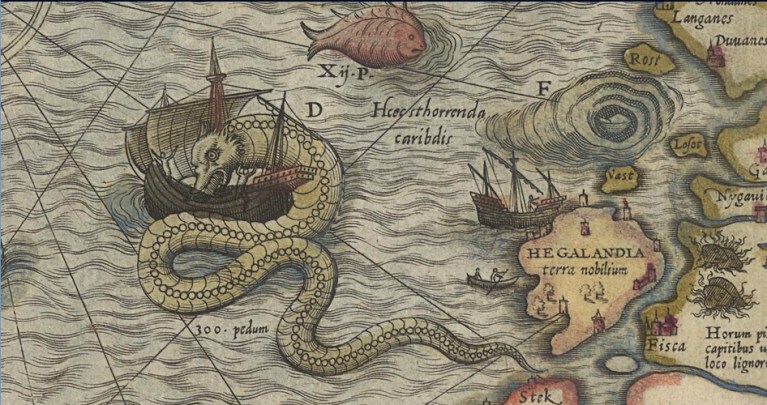

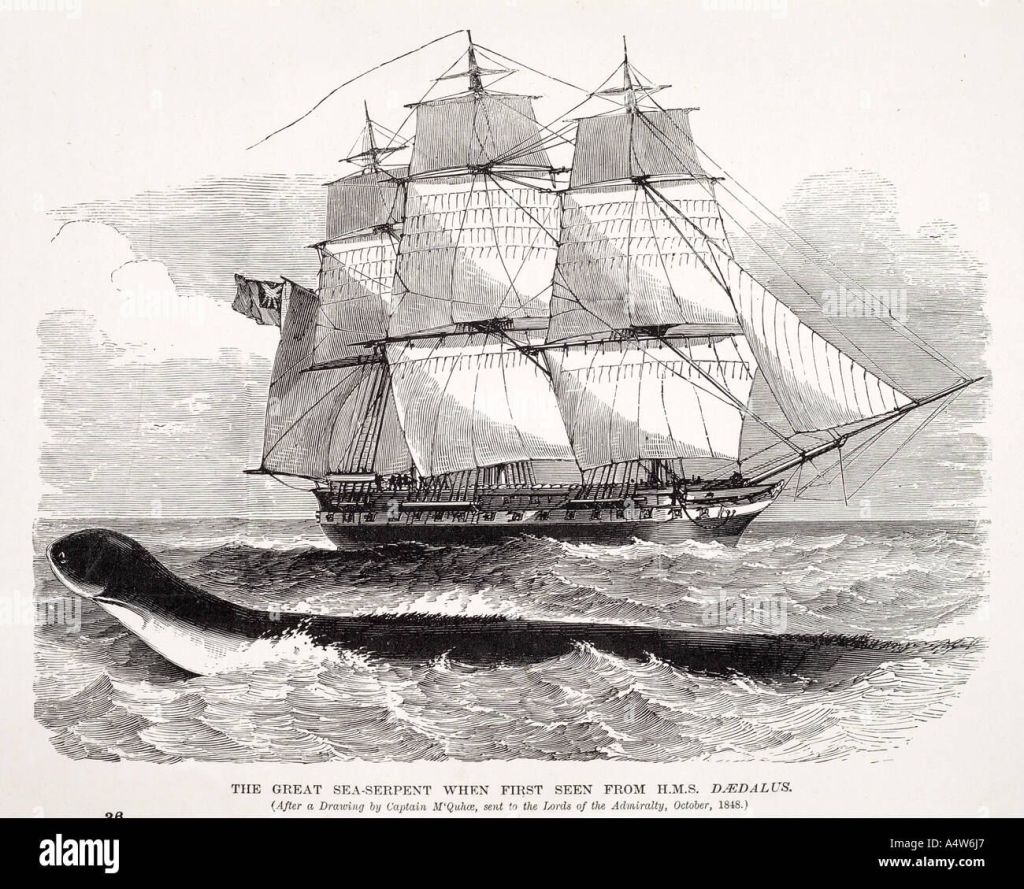


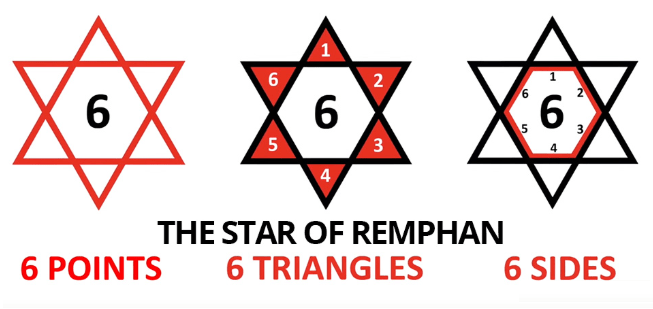

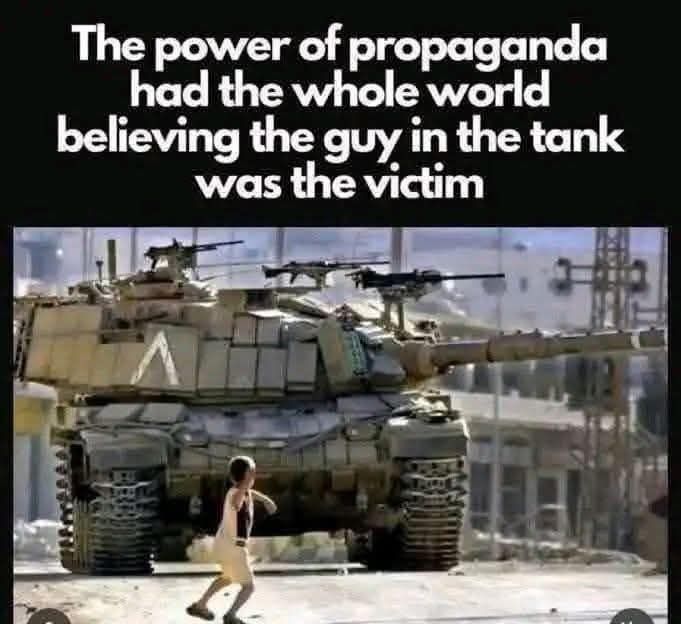

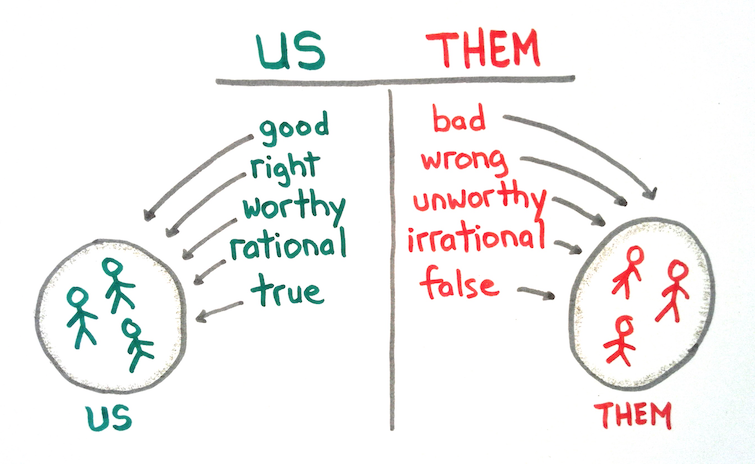

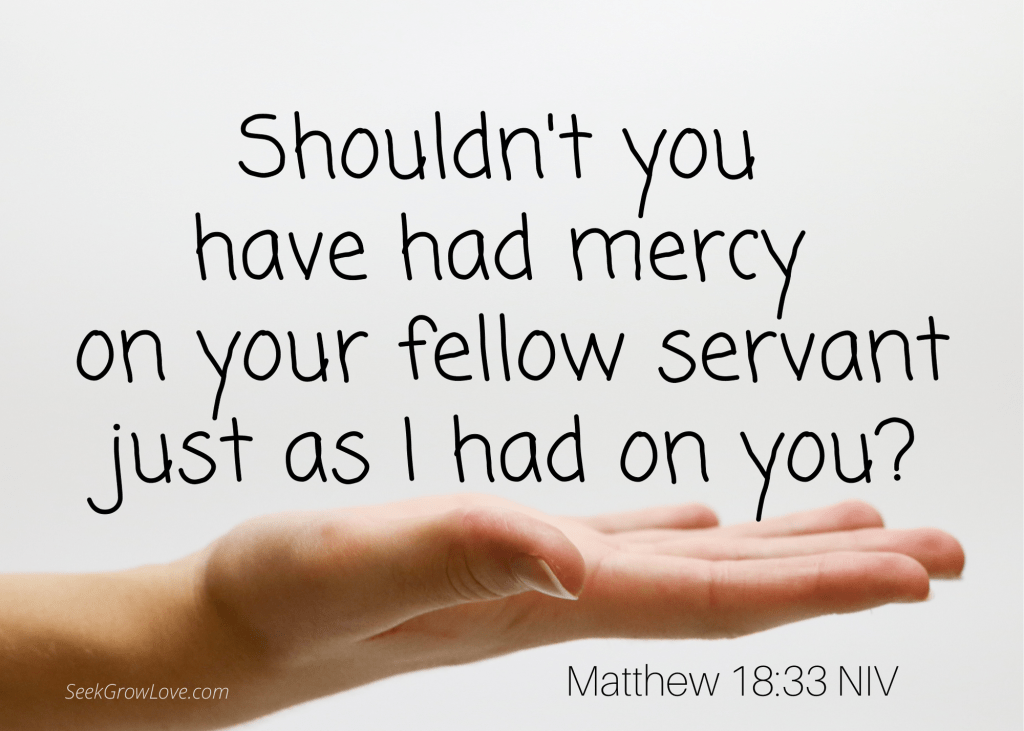

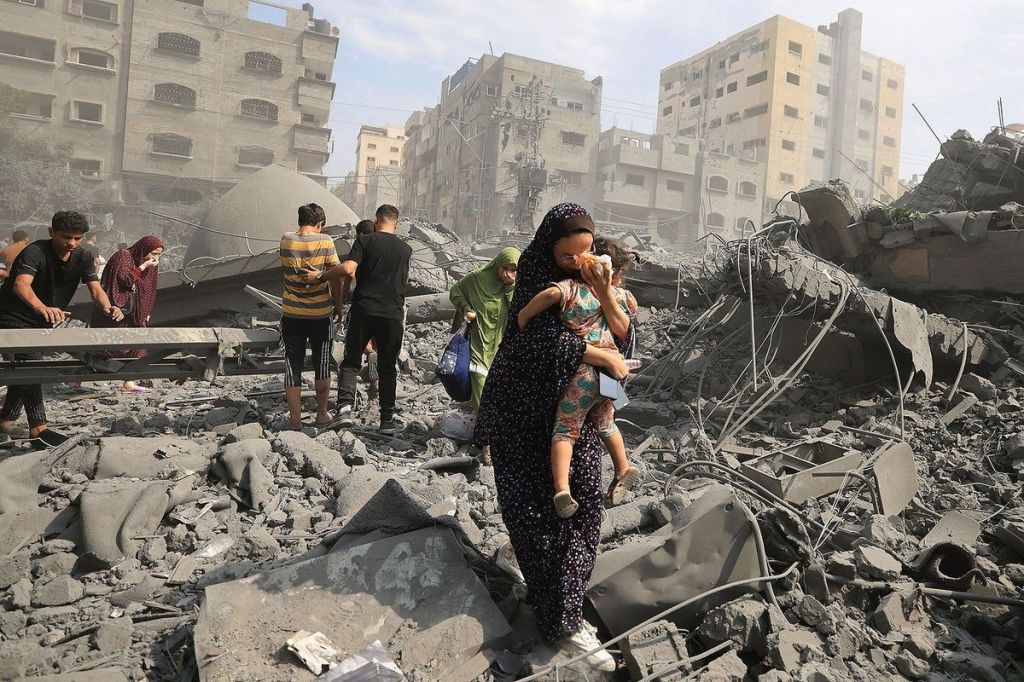




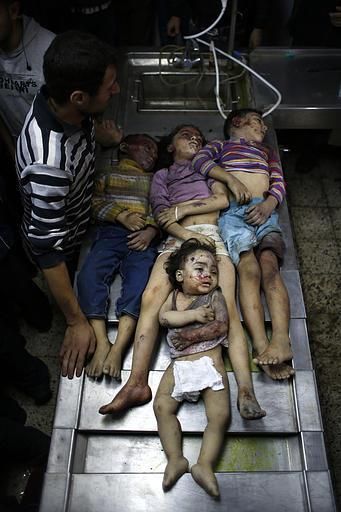
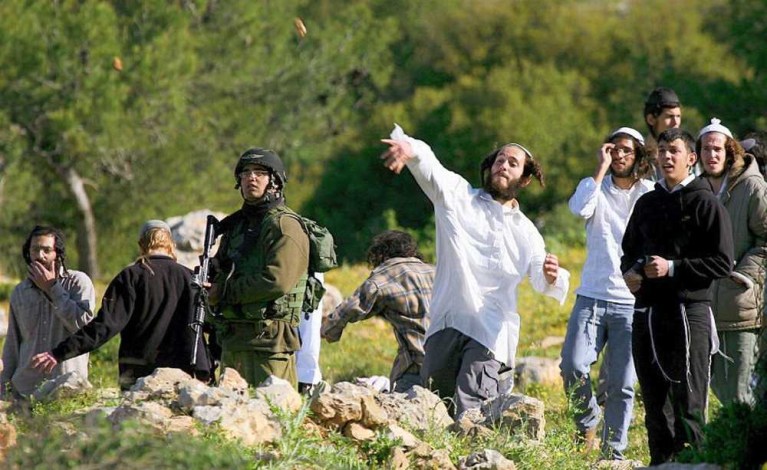
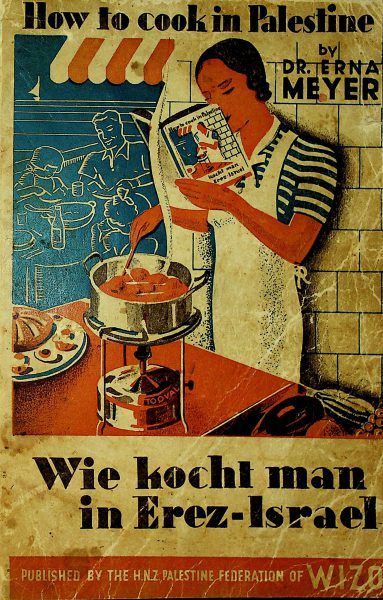


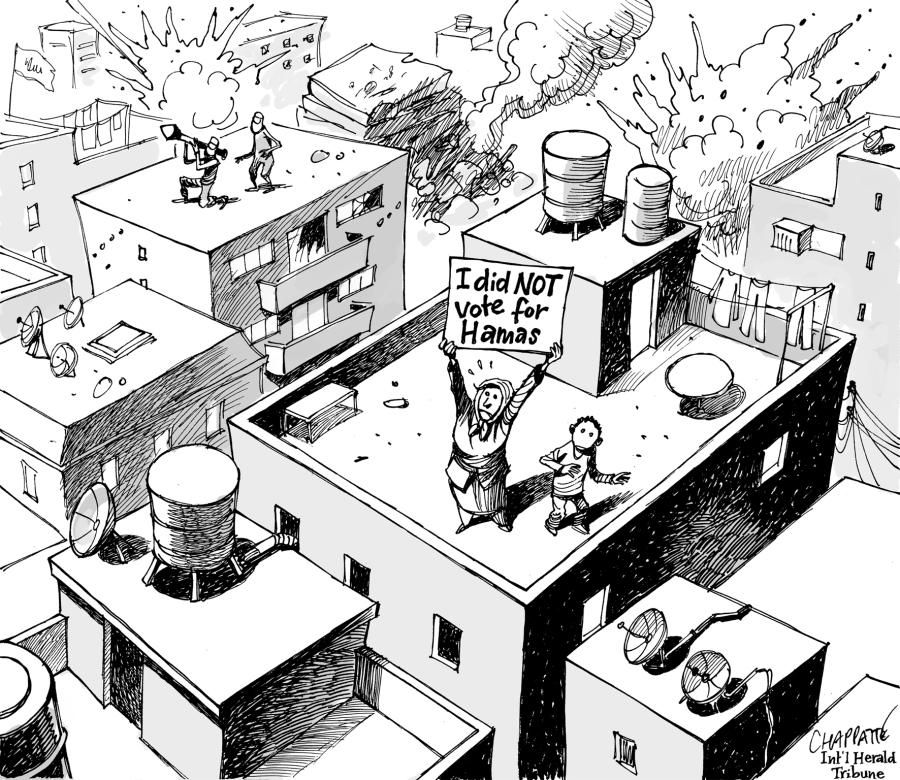

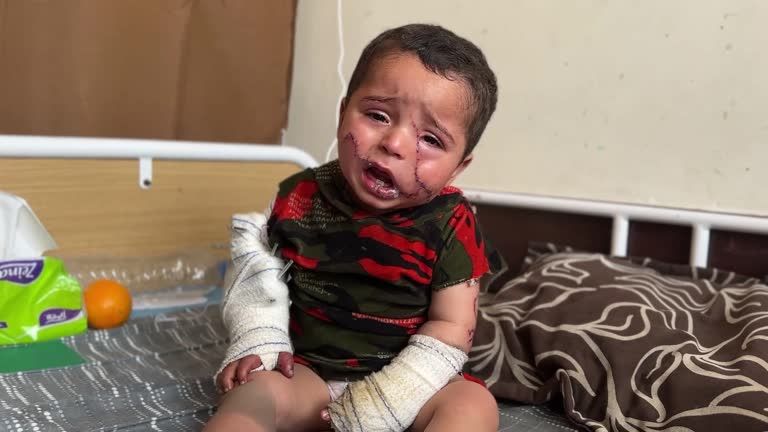


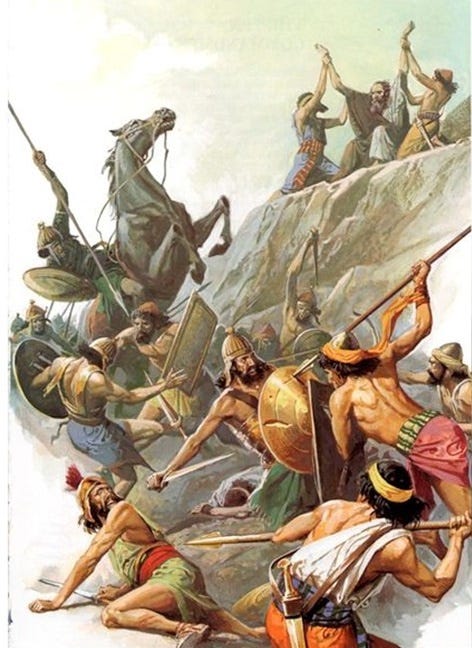

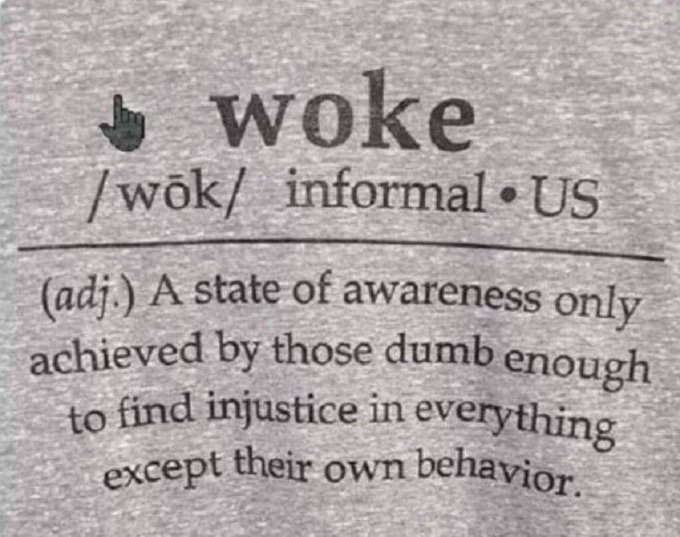
 Irregular Ideation