Grandpa Moyer was an extraordinary man. No, he wasn’t a President, not a preacher, and it isn’t like his name is known far and wide for any reason. He was a goofy guy, he would say silly things at the dinner table (earning the giggles from us grandkids and also Grandma’s sharp “LaVerne” rebuke) and his accomplishments may be easy to dismiss. But—while understated and quirky—he was very successful in life.
Joseph LaVerne Moyer was born on August, 15, 1935 to Mabel (Groover) and Joseph R. Moyer. He was the last of seven children and a big surprise to his parents—given that his mother’s tubes had been tied. He grew up with the doting care of his older sisters, as the baby of the family, and has been preceded in death by his parents, siblings and Mildred (Derstine) his beloved wife of nearly 61 years. They had seven children together, as well as 32 grandchildren, 56 great grandchildren and 3 great great grandchildren. He passed away on Monday, October 26, 2026 at 91 years old.
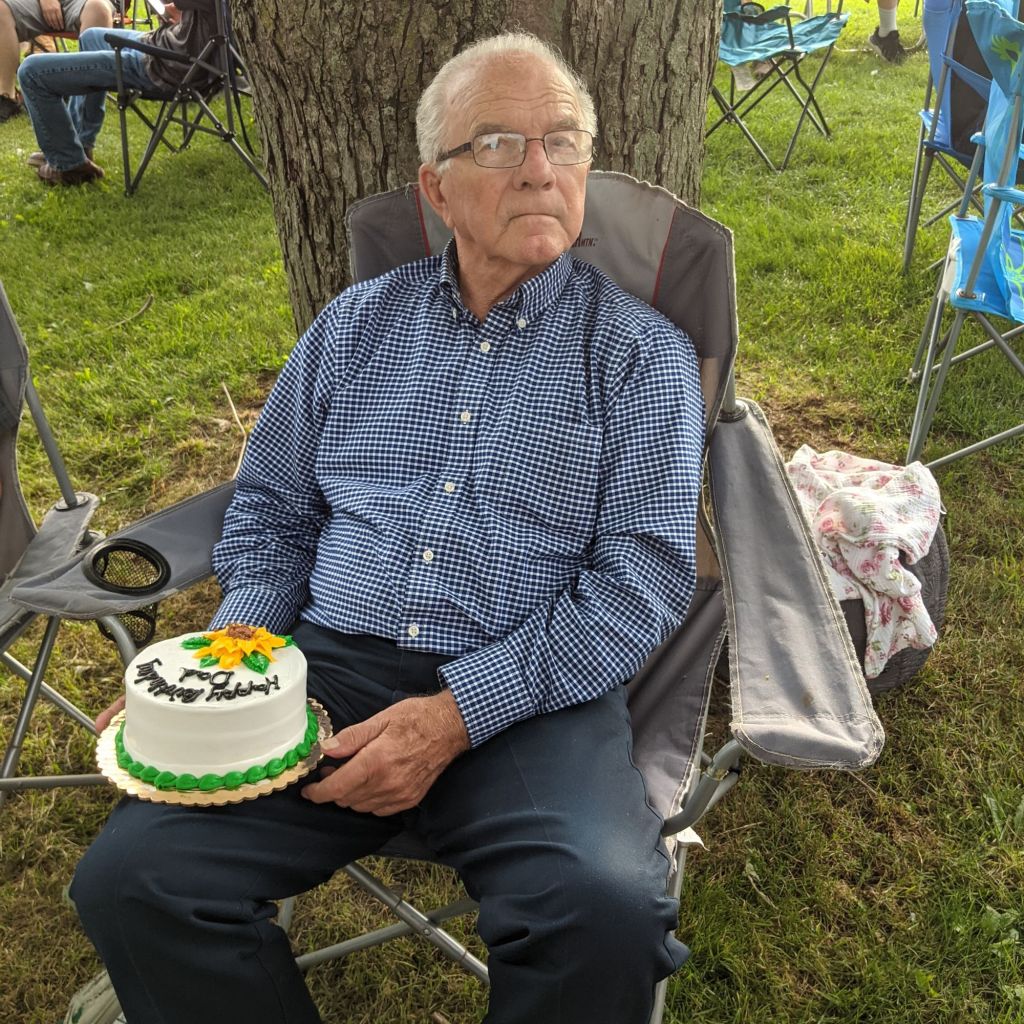
Grandpa Moyer always seemed to have the anxious grasp on existence that I know too well. Maybe it was that tractor accident as a child that still showed scars from a nasty compound fracture? He told us this story and how without penicillin (a recent medical innovation at the time) this serious injury may have killed him. As a boy he watched formations of WW2 bombers practicing overhead and also lost an uncle, an aviator, who was ferrying a multi-engine aircraft that crashed due to mechanical issues. His dad used horses to farm during the war years and fuel shortages. A formative experience mixed with genetics meant he was always aware of the passage of time, the risks of life—seeing both the wonder and tragedy of it all.
He was a strong man. He would do pull ups off of the door frame—on only a couple fingers—as a grandpa. He credited milking cows by hand for his incredible grip strength. That along with his youth spent hauling manure in a wheelbarrow is where he got his upper body strength. And this extraordinary ability lasted up until his heart surgery. Still, even with a pace maker installed, he maintained an active lifestyle, enjoyed bike rides, walking, and hunting in Colorado. He may have been an average man in physical stature, but had the fierce determination of a wolverine to set himself apart.
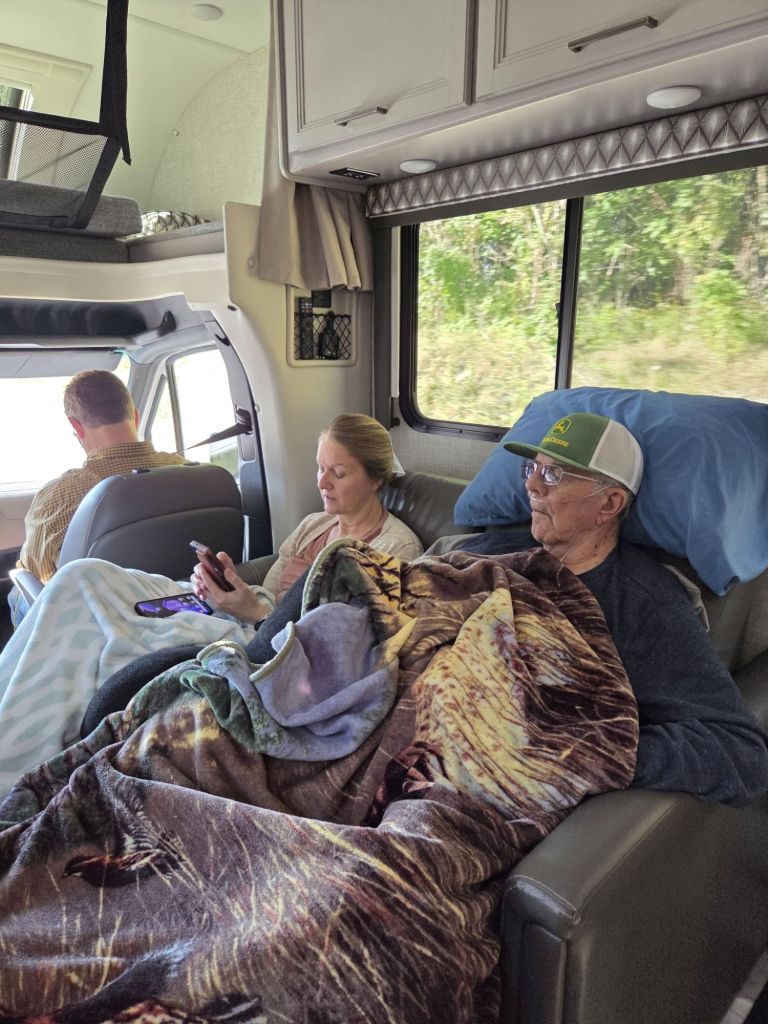
What do I admire most about him? Well, he had his fear, his melancholy, those laments about life, dark moments and yet never quit. He expressed his doubts and despair very openly in a way that might made some assume weakness. But, in the end, he conquered challenges. Most impressive was how he traded a secure job, as a milkman in Southeast Pennsylvania, to pursue his passion to farm. He packed up his young family (my mom being the eldest) and headed to the wilderness of the less developed North. Leaving “down home” took incredible courage.
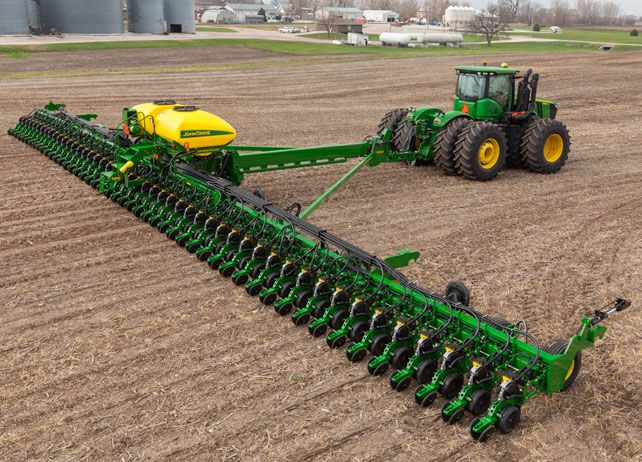
The first couple years of farming were not easy. And yet he embraced new practices—one of the first to contour his crops, to embrace no-till, and eventually in the formation of JL Moyer & Sons to supplement the farm with a milling operation. He was no stick in the mud, “I’m doing it like Pappy and his Pappy did.” He was a man willing—albeit grudgingly at times—to make changes necessary to make. I saw him as a man still growing in his perspective, and who would often ask me for my thoughts even as I moved away from Republican dogma familiar to him. I might have puzzled him but he didn’t dismiss me.
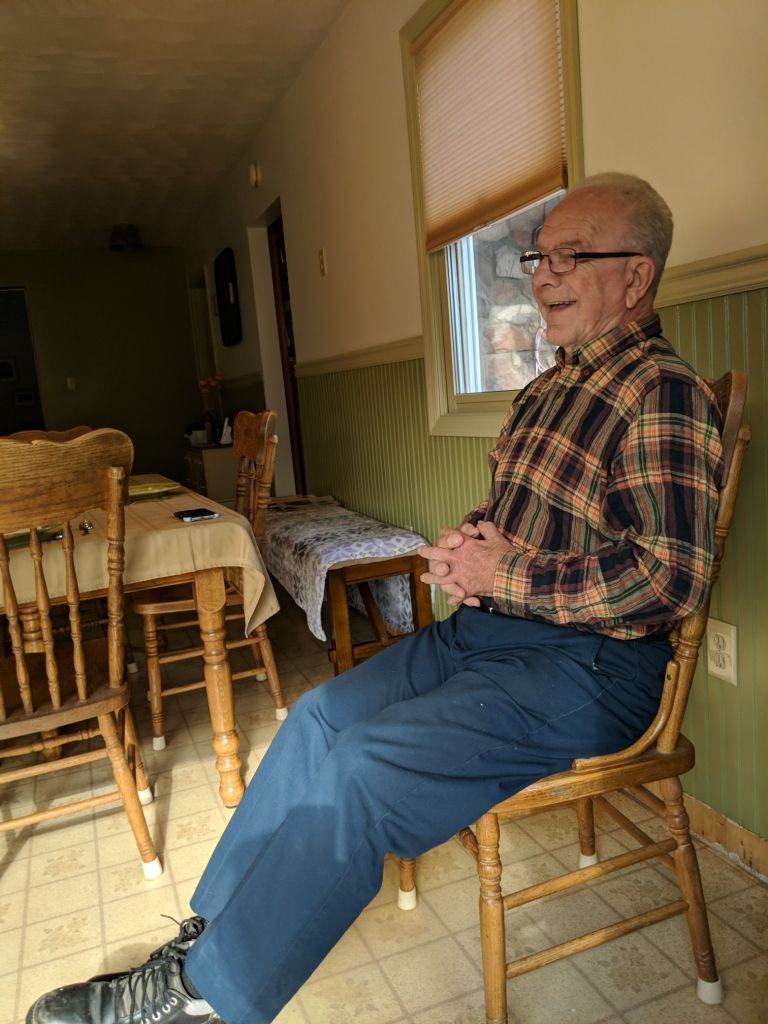
The things I won’t forget? First, his boyish grin. He somehow came off as youthful even in his old age. His unfiltered commentary may contribute to that. It was a little embarrassing and always amusing. For example, once, at the reception of a cousin’s wedding, in a room full of Beachy Amish strangers and all the miscellaneous conservative Mennonites, he took the microphone and blurted out: “Vote for Trump!” No, this wasn’t a liberal audience. However it goes against the cultural stance against political involvement. He said the quiet part out loud. We blamed this brazenness on his Lutheran half, through his father. But it was simply part of a his colorful personality. He was always his own person.
Part of his lore was the dozen or so ladies he had dated before he met grandma. He was charming and handsome. And he never really lost those attractive qualities. However, his entire adult life revolved around the woman he loved, he was a temperamental yet loyal man. The respect he had for his wife was a redeeming grace. Once their commitment was made they kept it. They had a bond now rare. And he wasn’t always easy to get along with either. Before being mellowed by old age us older grandchildren saw some of his heat. (Something you start to understand when the Roku remote goes missing for the nth time and it starts to feel like a conspiracy.). However, despite stress and his wide emotional range, his Mildred always remained sacred to him and was a rock in his life.
And after her passing, in 2017, he was never the same. He became the lone survivor among his siblings. He was sad for a good reason. Their old home became a shrine. He kissed her picture as a spontaneous religious practice. Still with the vitality to remarry and simply realizing (while he occasionally flirted with this idea) that what he had was irreplaceable.
And Grandpa is irreplaceable.
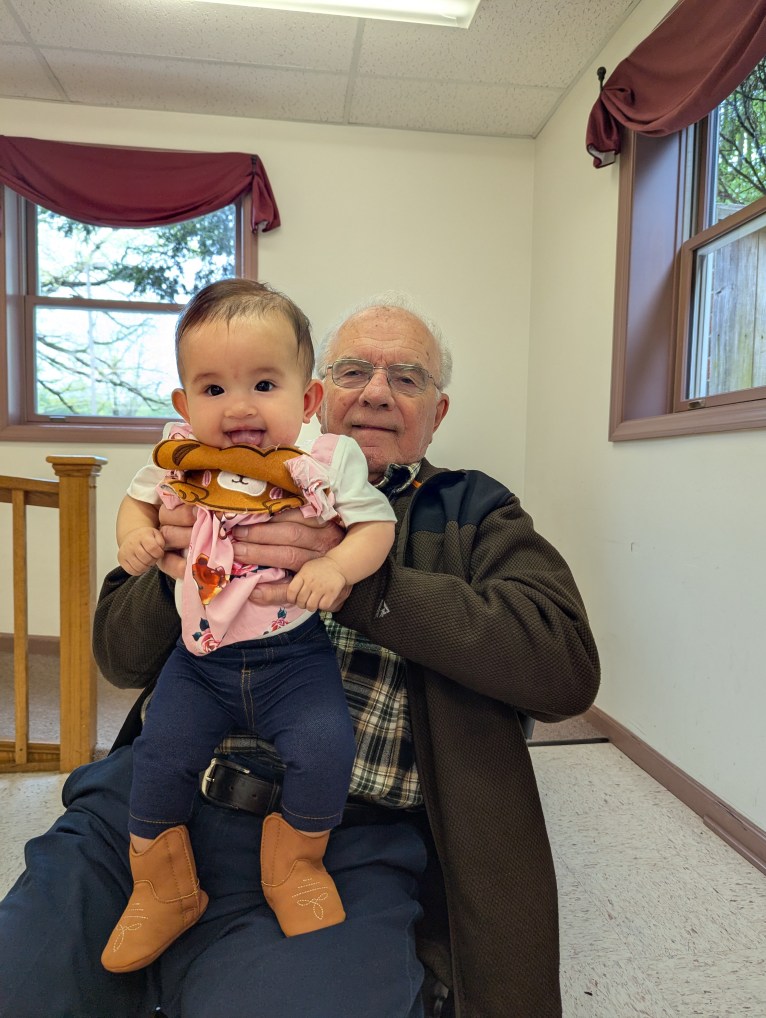
The man who visited the hospital right after my traumatic birth, noted my grip on his finger as a sign that I would pull through—fight recognizing fight. From those bear hugs while sitting on his lap in the farm house kitchen, to a few weeks ago my sitting with tears as he lay on the couch and gripping his hand one last time, he remained a fixture in my life. Still lucid and yet too weak to go on because of a failing heart, he was there.
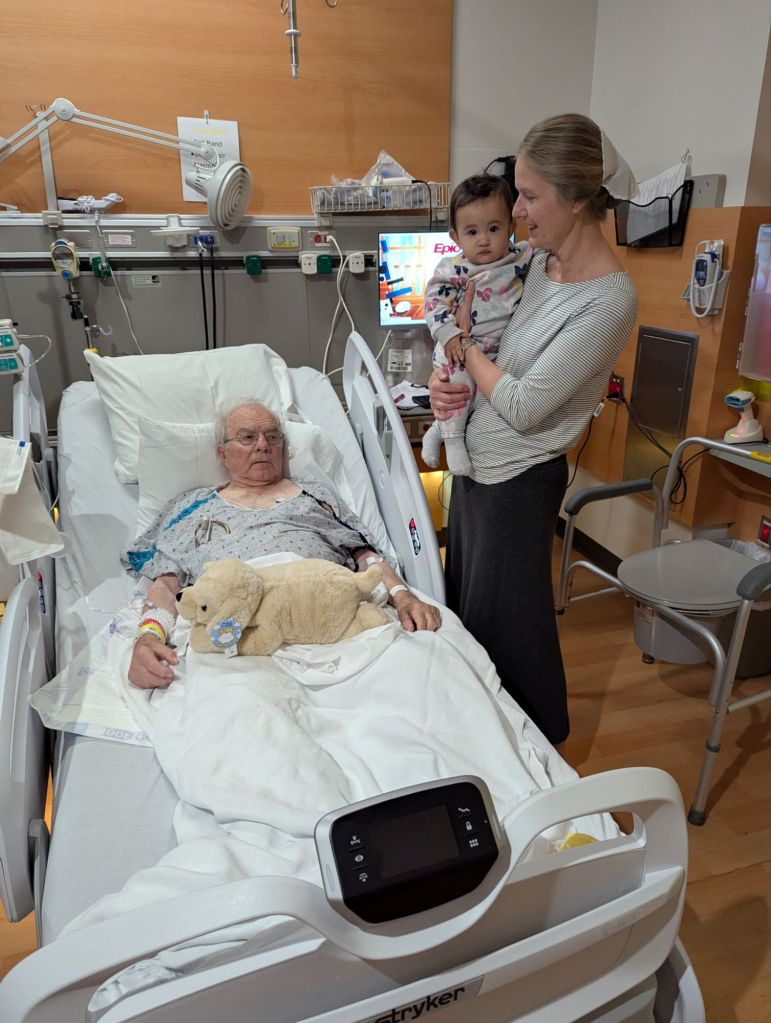
My mom may remember a volatile father figure who had struggled with bouts of depression. But I remember a man who would pack up and go visit us with Grandma (and my aunts) while we were following my dad’s construction work—decades ago. He made a life for himself as someone who didn’t let anxiety rule despite it plaguing him his entire life.
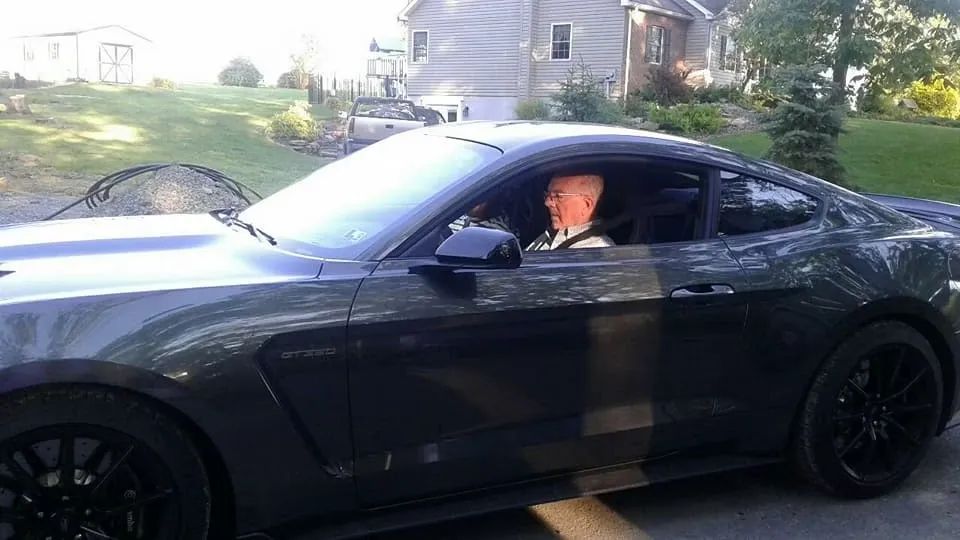
I felt a special bond for other reasons. I’ve always felt more a clone of him than of my own dad. I was the eldest grandson and we had spent a significant amount of time together during my childhood. He also loved cars. A Ford Model A one of his first, as I recall, and always had a fairly new Suburban parked in the driveway. He was sentimental. He had a favorite Oldsmobile station wagon, 1970s vintage, that remains roadworthy. Like him I also cannot let go and keep one of my first cars in storage.
When I got my Shelby GT-350 he became one of the first to drive it—only missing one gear while he (in his 80’s then) was driving fairly aggressive.
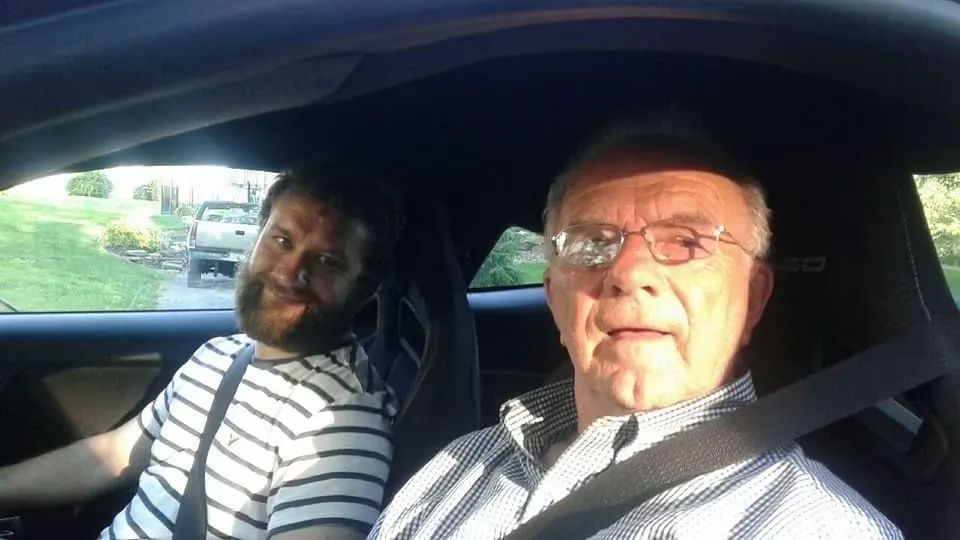
Our lives took us in very different directions. He married the Mennonite girl next door at a young age—they grew together. I struggled to find one who would accept my quirks and ended up going to the opposite side of the planet to find a woman to be my wife—with both of her and I sort of set in our ways. He had lost his true love while I was still waiting for mine. This had sobered me, a bit, knowing that all good things come to an end even before beginning my marriage. We will share a few seasons together then no more. Grandpa is irreplaceable, a personality seasoned by his own unique life experience, but this echo of him still remains in me despite a life that is very different from his.
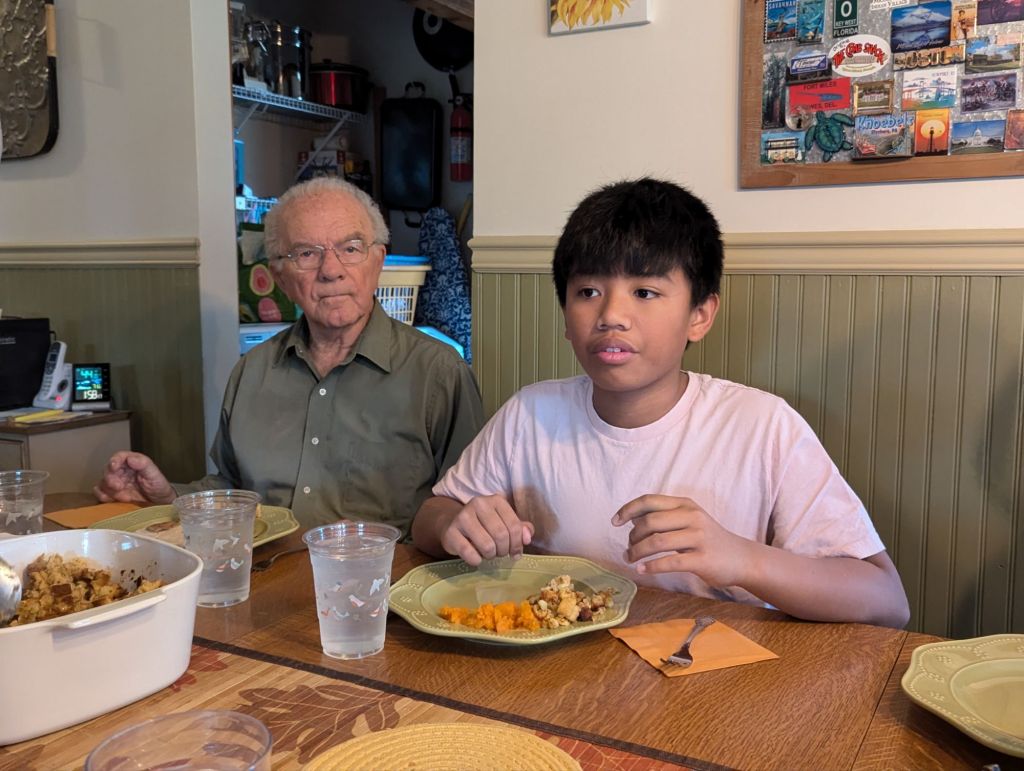
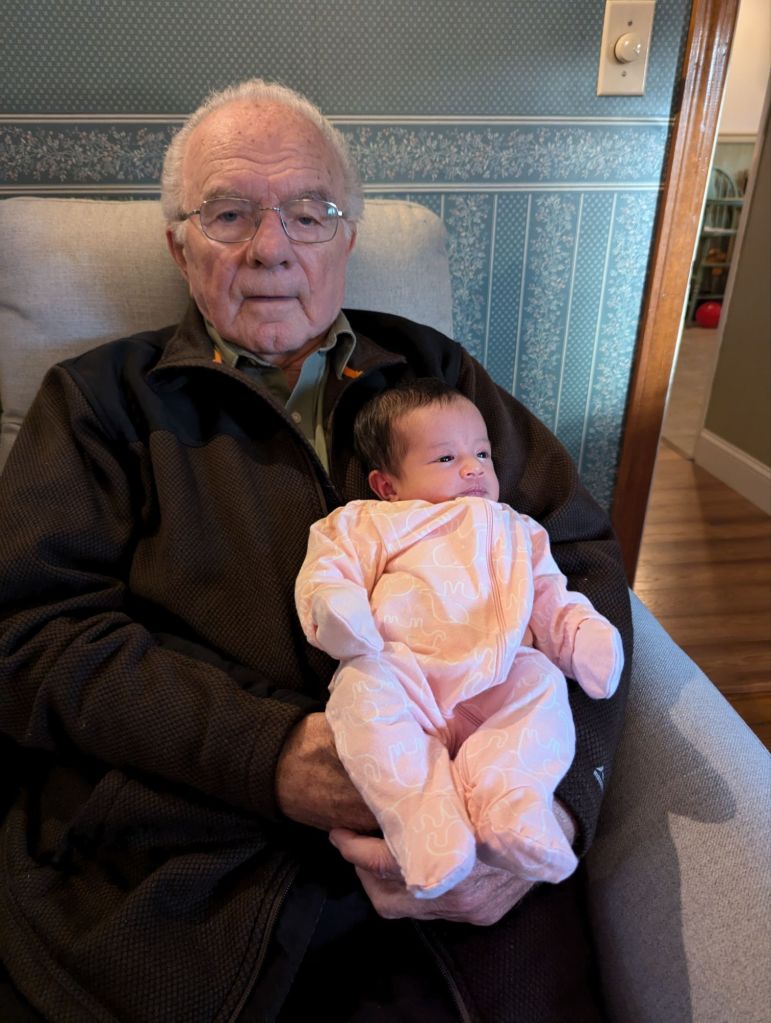
Soon we will lay him in the dirt. Once again he’ll be beside the woman who, with him, produced the generation that produced me. We will all join him someday as well. But go out and live with the fullness of life that he did despite having to stare mortality in the face. We all must die and yet that is not a reason not to live. Those worries about whether or not the planting will be possible with the weather or if the crops will get enough rain to grow are over for him. We are the produce, the final testament to what he was—the fruit of his successful life.