
MAGA Betrayed: A Full Court Press to Silence the Free Press 

Standard

A month or two ago a family member sent me a video of Steven Crowder going on the attack against an Orthodox Christian nun in Palestine. Mother Agapia Stephanopoulos was hosted by Tucker Carlson and talked to him about the violence against indigenous Christians in the occupied West Bank. And very soon after this interview, Crowder, who supposedly represents conservative values, went on the offensive claiming to “debunk” a faithful woman who has dedicated her life to what is remaining of Christian legacy in the Holy Lands.

Crowder, an Evangeli-con social media grifter, being so totally vicious about this woman’s physical appearance in his opening salvo made me wonder about his motives. What is it to him that she was sharing her experience? So I followed the money and found the reason. Crowder has a few notable sponsors, one of them called “Express VPN” and if you dig a little deeper this originates from a developer that goes by Kape Technologies.

Who owns that?

A guy named Teddy Sagi—an Israeli billionaire with an unscrupulous record.

So one has to wonder, is the sponsorship about selling the service or is it a way to buy influence? A bit of both, perhaps?

Temu Charlie Kirk

Either way, Crowder is getting paid to represent a certain perspective and likely got a memo: “We need you to do a hit job on that Orthodox nun, this is your list of talking points about her from our guys in intelligence. We will talk more about our ad budget for next year if you can get 100k clicks.” That’s my own crude caricature, but we know that Sagi is getting something in return for his investment and a VPN makes a nice front company to pay for propaganda. They also make a nice way to access your personal data—a specialty of Israeli-sourced ‘security’ software.

Here’s a brief overview by Grok:

Kape Technologies, a UK-based cybersecurity conglomerate specializing in privacy tools like VPNs, was originally founded in 2011 as Crossrider, a company notorious for developing ad injection software that was frequently bundled with malware, enabling intrusive tracking and data harvesting on users’ devices—a practice that continued plaguing the web as late as 2019. Rebranded to Kape in 2018 amid efforts to pivot toward “ethical” digital security, it aggressively acquired major VPN providers to dominate the market: CyberGhost in 2017 for $10.4 million, Private Internet Access (PIA) in 2019 for $95 million, ZenMate, and notably ExpressVPN in 2021 for $936 million, now controlling about 40% of the top VPN services alongside affiliate review sites that suspiciously rank its own products highest. The company is fully owned by Unikmind Holdings, a shell entity controlled by Israeli billionaire Teddy Sagi—a convicted fraudster from a 1990s insider trading scandal, Playtech gambling software founder, and major donor to the Israeli Defense Forces—who bought out remaining shares in 2024, privatizing Kape and reducing transparency by delisting it from the London Stock Exchange, followed by layoffs of around 180 employees (12% of staff) in early 2025 amid whispers of restructuring. This history raises serious potential risks for users seeking true privacy: from backdoors or data-sharing compelled by Israeli intelligence ties (Sagi and co-founder Koby Menachemi hail from elite Unit 8200 spy unit, echoing Pegasus spyware scandals), to conflicts of interest where “privacy” tools could flip to surveillance, especially given Kape’s opaque operations and the irony of a former malware peddler now gatekeeping global internet anonymity.

Things are not what they appear. Look up Pegasus and Paragon. If it says security it is probably about backdoor access to your personal information. But, of course, you’re supposed to be afraid of Chinese ownership of TikTok. Anyhow, as the expression goes—every accusation is a confession. If they say it is about your security it is really only about their ability to maintain control over the flow of information and to manufacture consent for their policies. The fox is now guarding the henhouse.

Weaponization of Social Media

After the assassination of Charlie Kirk there has been a full-court press to ‘weaponize’ social media on behalf of Israel. This isn’t my choice of words. This comes from the mouth of one foreign leader who is always allowed unusual access to US politics and that is Benjamin Netanyahu:

Social media is the most important weapon Israel has at its disposal. […] Now, if we can get those two things [TikTok under U.S. control and X access], we can get a lot, and I can go on about other things, but that’s not the point right now.

Oh, so remember that bipartisan campaign to ban TikTok, supposedly over the concern that the Chinese wanted to spy on our kids, which started right after Israel started their bombing of Gaza and killing of journalists? Well, the real reason for this should now be clear: Hasbara doesn’t work when those not already brainwashed and indoctrinated can see the truth in a thousand images. TikTok bypassed the censorship regime.

And let’s not pretend we do not know what that is. After Covid we all know how there was enormous pressure put on our social media platforms to protect the government narrative. Mark Zuckerberg recently went on Joe Rogan to tell how Facebook was forced to suppress truth, under the Biden administration, he likened the fact-check process to being “something out of 1984.”  If you recall, people got banned for saying the virus may have originated in lab in China—when now this is being accepted a plausible theory of the origin.

The same people who would scoff at “China virus” being racist are okay “free Palestine” being labeled as anti-Semetic.

So when TikTok was forced into selling and has hired Erica Mindel, a former IDF soldier, to run their new “Public Policy Manager for Hate Speech” position—do you think she will be there as a neutral arbiter and ban the use of the word “terrorist” describe the children in Gaza? Not a chance. No, it is her job to censor information behalf of the site’s new owners, including the Zionist Trump-backer billionaire Larry Ellison, and their aim being anything on the platform that could hurt the Gaza real estate deal or can be interpreted as pro-Palestinian.

The War Against Free Speech

Why this full-court press? The US is Israel’s most vital resource and is exploited to the tune of billions annually in direct aid. And that’s just the start. Wars in Iraq and Syria, which did not benefit average Americans in any way shape or form, cost us trillions and that is not to mention the young men killed or broken for life—like those two rampaging Marine veterans over the weekend.

With their once reliable Boomer vein dying off and younger generations seeing through their propaganda. The Zionists, to fully tap into our human and industrial resources, must first strip away the resistance. This is not left to chance. No, they buy support of influencers. The dangle incentives in front of young rising stars online, bring them on a trip to Israel and the then will sponsor their content through shell companies. Once you are hooked on their money they own you, all you need to do is sprinkle in a little of their propaganda and the checks keep coming—and if you deviate too far from script?

US influencers partying it up, on a paid trip to Israel, while Palestinians die

Well, Charlie Kirk was doing a lot of talking about this before his untimely death:

I have less ability… to criticize the Israeli government than actual Israelis do. And that’s really, really weird. I’m terrified of stepping on a minefield here, trying to please both my owners [donors] and my audience.

(Charlie Kirk, The Megyn Kelly Show, Episode 832, August 6, 2025)

Yes, Kirk had been a stalwart Zionist, just as many in the Evangeli-con fundamentalist camp are, but recently had begun to openly express his doubts, questioning the October 7th narrative and suggesting that there was a stand down order given that had allowed to happen, and he even started to platform conservatives who see Gaza as a genocide or don’t want our tax dollars used to bomb babies. Kirk was loudly opposed to Trump getting involved in Netanyahu’s war against Iran. And was called on the carpet—by his billionaire owners—for his defiant show of independence.

The Unforgivable Disloyalty

Trump and Kirk have the same billionaires bankrolling them. Miriam Adelson, born in Mandatory Palestine and widow of casino magnate Sheldon Adelson, gave the Trump campaign $100 million dollars. This might be why he is backing up her Maccabee Task Force (MTF) in his crackdown on speech on college campuses. Her MTF doesn’t just counter the criticism of Israel—it obliterates it, slandering pro-Palestinian students and faculty as “Hamas supporters” or as being “Jew haters.” It is basically cancel culture on steroids.

A billionaire’s club.

With $100 million in lobbying muscle, MTF deploys doxxing campaigns, and pressures universities to discipline activists, pushes “(re)educational” programs that whitewash Israel’s actions. At Columbia U, Adelson’s MTF helped fuel Trump’s calls to deport student protesters like Mahmoud Khalil. This is not advocacy. No, it us a speech cartel, ensuring that no Gaza encampment or divestment call will threaten the billions funneled to Israel’s war machine. Adelson’s checks don’t just buy Trump’s loyalty—they buy campus silence, turning campuses into censored zones where dissent is punished and truth is the enemy.

Trump marketed MAGA to those weary of war, proclaiming America First as his motto—absolute opposition to foreign aid and DEI favoritism. But, like the scene from George Orwell’s Animal Farm, when the ruling pigs change the egalitarian commandment “All animals are equal” (adding to it “but some animals are more equal than others.”) we’ve found there is always one exception to this and that is on behalf of those who paid for his campaign. With President Trump it is America First—Israel Firster.

Trump’s betrayal goes beyond this directed attack on free speech. It’s also about family gain. Enter Jared Kushner, Trump’s son-in-law and Middle East “peace” envoy, who had brokered the Abraham Accords, not as a genuine diplomatic win, but as a sweetheart real estate deal for his own firm. Kushner’s Affinity Partners hedge fund scooped up $2 billion from the Saudi sovereign wealth fund mere months after leaving the White House—blood money that was funneled through UAE backchannels, with zero U.S. oversight. And let’s not forget his now infamous Gaza proposal: turning the rubble-strewn devastated Strip into a “waterfront property” paradise for wealthy Gulf investors, complete with luxury condos atop the mass graves. It’s not policy; it’s a flip: Kushner as the fixer—turning Palestinian suffering into billionaire beachfront.

And none of this is good for the American people who are already footing the bill for the demolition of Gaza.

Property of Israel—Till Death?

Once one truly understands the extent of the influence of this foreign lobby, and how much it has cost us in terms of cash, lives and reputation in the world, there is never a return to politics as usual. Trump has not ended cancel culture, foreign aid, forever war or drained the swamp. No, AIPAC and a slew of billionaires tied to Israel are calling the shots, along with Netanyahu, and—while they plan the next big war on behalf of a few elites and Israel—the shelves are bare for wounded warriors of the last one.

The world leader on cancel culture is waited on by his faithful servant.

Charlie Kirk, like his friend Candice Owens, like Tucker Carlson, and Elon Musk, seemed to have increasing awareness of this sordid reality—where we got the same policies no matter who we voted for. Unfortunately he was never given the chance to put together everything that is laid out above. Whether he was killed by a crazed trans leftist or the same big money that made Turning Point a political force on a national level we’ll likely never know, but we do know that he wasn’t just some paid shill reading off a script.

Apparently the desperate Zionist regime is now paying American influencers $7000 for every post the make to help hide the crimes of Gaza. And the deeper you dig the more disturbing it gets. They fear-monger about TikTok somehow being a platform for CCP spying and then hand it over to the control of a foreign country with one scandal after another involving surveillance of unwitting users of their software. This is affront to MAGA and the American values that those on the right-wing claimed to defend during the Covid shutdowns—we must not let the powerful monopolize the conversation.

This is free speech and should not be punished.

The war on free speech—whether through Crowder’s bought-and-paid-for smears, Adelson’s campus crackdowns, or TikTok’s censorship under Ellison’s ex-IDF enforcers—is a desperate bid to shield a grotesque truth: Trump and Kushner’s betrayal of MAGA’s anti-war ethos for a Gaza land grab, funded by Adelson’s millions and Saudi blood money, turns Palestinian suffering into profit. But Gen Z’s unfiltered posts and campus rebellions are cracking the Hasbara facade, exposing the bombs, the condos, and the lies. Reject their tech fronts, defy their censors, and amplify the raw truth—on social media, in the streets, everywhere. America’s soul isn’t for sale; reclaim our Constitutional birthright by speaking out, or let the billionaires’ war on dissent silence us all.

Fitzwater

Standard

Someone with the name “Fitzwater” came across my social media feed the other day and made me think of someone I had met years ago. She was a waitress at a local Thai restaurant. I’m not sure of the exact circumstances, but we ended up going on friendly date together. We talked about her autistic son. She was a single mom. And how she struggled to make ends meet. Life eventually took us different directions, she fell off my radar as her presence on social media ended, and I had forgotten about the “Nikki” in my phone contacts.

That is up until Friday, when I decided to do a deeper look into her whereabouts. Since we lacked any common friends (other than Adam Bartlett who is deceased) and maybe that is why I never got the news. My hope was that she was married, got her feet back under her, and wondered about that kid she loved so much that she borrowed money to give him an exceptional Christmas. It was a total shock to come across an obituary for Nicole E. Welton. I opened the link and the picture was the Nikki I had known. She was dead for over five years now—only 32 at the time of her passing.

Was it a drug overdose?

She never told me she was a user. She did tell me I was “too good” for her and was so thin that I had to wonder.

So I continued my search, and pondered a bit about what had come of her son after she passed?

I found the answer:

PA – Nicole Welton, 32, & Son, 11 – Double-Death Investigations – Lancaster Cnty

Oh no!

And a few clicks later I would find the tragic truth. This kind and wonderful human being died in a murder-suicide. She shot her own son before turning the gun on herself in the motel room two hours south. Her son was her faithful companion, she told me, “My son is with me. So I never feel alone”  That is where her heart always was—which made wince when I saw this in the article:

Diamantoni said he was not releasing the boy’s name. He said the boy was living with his father not his mother.

She lost custody?

What a terrible thing for a single mother, in her thirties, to lose a child she brought into the world even if it was for good reason. It does not justify what she did. And yet she was in despair and her 11-year-old boy was probably the only reason she had holding her back from suicide.  In that she couldn’t leave him behind as the only soul that she felt loved her anymore. Selfish? Perhaps. But maybe a distorted effort to ‘protect’ him, an autistic (ADHD according to an article I’ve read since) child, from having to deal with her choice to end it all. I’ll never know, I just feel she was never going to leave him behind. 

This was confirmed, later, when I read how her son’s dad was seeking to expand his custody and there was a court date the same day…

I had to go read through our conversations and several things jumped out. First, what she told me about her nasty C-section scar and how unattractive it made her. Although I never saw for myself, she was a beautiful and attractive person—both physically and otherwise. This struggle with body image came up several times. Second, I had more or less friend zoned her from the beginning, wuth my impossibility obsession then being a topic in the thread. I never led her on—but I never gave her a chance either.

It’s just so jarring considering how my life has gone since then. I’ve finally emerged from the wilderness. My wife, my 13-year-old son, the baby daughter that brightens my world, all that has happened since that brief moment of connection with Nikki. It makes me wish I could have done more to change the trajectory she was on, although I don’t know what I could have done for her. With her dies someone who said I was an angel and the single platonic moment we had shared. This the second suicide of a relatively young person that I had invested time in trying to help—and could easily have been me had my Bhest not intervened.

Two lives cut tragically short. How else can the tribute to them read? A young boy, born the way he was, the apple of his mother’s eye, and then killed by the one who bought him into the world. His mom, never quite able to get around that corner, dreaming of the fairytale and stuck in the bog of single parenthood—burdened by her lack of self-confidence.

Why someone who was always so kind and considerate to me was not more generous to herself?

My mind simply can’t compute such things.

One thing, before I finish, is the other victim in all of this and that is the father of the boy who was left reeling. She never told me she was married. All I had ever known was her maiden name. And I don’t know what led to their separation. What I do understand now is that relationships are hard work and that we’ll never find the ‘perfect’ one. There are many miserable marriages and I don’t think people should stay in an abusive situation. But being alone to face the world isn’t ideal either. I wish Nikki, Dante, and the grieving dad I’ve never met could have had their own happily ever after together.

Facing the Truth

Standard

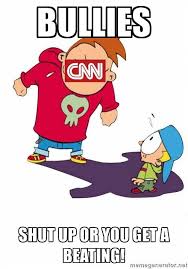
I decided to take on one of the lies being spread on social media today and found myself bumping up against the Facebook censorship regime once again.  And what they allow or disallow is purely about the partisan narrative they’re pushing.  Leftists can post memes all day long showing Elon Musk with his hand raised, claiming that he is a Nazi, but you can’t even post a plain old picture of Democrats with their hands in an apparent salute without that “misleading” blackout being slapped on it.

InDePeNdEnT fAcT-cHeCkInG

This is the kind of protection those left of center can expect.  They’re never held to the same standard as those on the right.  If you are conservative any soundbite can ripped out of context and disseminated without a fact-check.  Republicans are guilty until they prove themselves innocent.  By contrast, the corporate media mouthpieces do not confront the left for their hypocrisy and require Democrats to denounce the left-wing violence.   And Billionaire’s like Mark Zuckerberg play interference for them by not even letting us make a comparison to show how ridiculous their claims are.

This is what I posted on Facebook with the image above:

What happens when you put a conservative guy with Asberger’s syndrome in front of an audience of leftists?

Bullying.  

The left is about conformity.  

You march to the beat of their drum or they will ostracize and belittle.  Name-calling is a leftist invention.  They love their categories, white and black, haves versus have nots, and it is always about pigeonholing people into tribal groups and robbing all people of their own unique identities. 

But turning Musk’s awkward movements, as a guy clearly on the Autism spectrum, into a Nazi salute—even the ADL said that’s taking it too far.  Unfortunately this misinterpreting of his hand motion has become that moral justification the far-left wanted to unleash a terror campaign of vandalism and violence—a Krystalnacht redux.  

Why did Nazis hate the Jews?  Well, there was the same envy of wealth and influence then that the left is now directed at public figures like Musk.  To the left a billionaire’s money should belong to them, the ‘fasces’ or their elite managerial class, whereas an American vision is that people should keep their lawfully acquired gains.

Patriotic Americans believe in free markets and rule of law.  In stark contrast, the Antifa left (deceptively named) believe in central control (in their hands) and rule by mob if anyone dares to resist their ‘progressive’ regime.  They are everything un-American bundled into one ugly package, unforgiving, anti-freedom, big government, collectivist (you do what ‘we’ demand or else) and do not believe in civil rights—starting with that of respecting property and persons.

As I travel in Asia there are Swastikas all the place.  If we judged their usage by our own narrow interpretation and understanding we would issue travel warnings to Jews.  But it is not the symbols or gestures that matter—it is the attitudes and actions behind them.  Musk wants taxpayers to keep more of the money they’ve earned.  While the left, along with their Democrat enablers, want to scare you away from choosing the best EV brand there is because they’re control freaks.

The left totally lacks empathy.  Sure, they claim it, like they claim everything else on the planet they didn’t earn with their own work.  It’s all about them, their Narcissistic small-minded worldview, that is why they can only ever project, accuse, self-deceive and destroy the success of others.  They’re an organism that thanklessly destroys their host and condones hate, theft, arson, and murder of anyone who does not lockstep with their cult agenda.

Musk’s “my heart goes out to you” gesture…

The problem isn’t only that the left has a clear double standard, it is that they think they’re the worthy judge when they’re clearly as biased as they come.  A little humility would go a long way for this lot.  At the very least they could let us be free from their grip to spend our own money and live our own lives—but then that would be too democratic for their tastes.

Fairytales and Football Gossip

Standard

We all know a story about a little girl going to her grandma’s house and is confronted by a talking wolf who convinces her to go astray.  But this written account is predated by tales with similar characters, and yet not exactly the same.  In the end, no matter the version, we read it as being a fairytale and understand that it should not be taken as being a historically accurate record of an event.  Why?  Well, animals don’t talk and we were told it is an old fable.

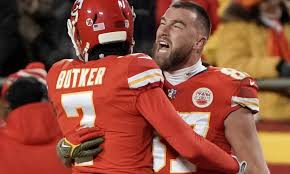
I had to think of this while seeing so many fundamentalist friends share a false claim that Travis Kelce threatened to quit the Kansas City Chiefs if they did not cut the currently embattled franchise kicker.  This part of the hysteria (both in response and in reaction to the response) over the conservative kicker’s commencement address that promotes traditional Catholicism.  Normally it would be customary for these Protestant friends to bash those who believe in Jesus in the same manner as Harrison Butker.  But, in politics, I guess the enemy of my enemy is my friend—suddenly those who give special honor to Mary are now acceptable?

The problem with this Kelce claim is that it is as fictional as Little Red Riding Hood and being spread as fact.  I mean, I would think that credibility is important to Evangelicals, being that their mission in life is to convince others a man literally walked on water and then rose from the dead because they read about it in a book.  But nope, they share the most urban legends of any demographic on my friends list.  For those who say that they know the Truth, personally, this should be a huge embarrassment—except it never is.

Those who have no ability to detect fakes or frauds, who spread blatant lies, really aren’t in a place to preach their values.

As much as I support Butker’s freedom of speech and think the cancel culture outrage over his comments is ridiculous, I really do not find a home amongst those who accept any claim that confirms their ‘Biblical’ views on social media.  All it takes is a satire site say that there has been evidence of the Red Sea crossing has been found or that a solar eclipse is passing over seven towns in the US named Nineveh and they will spread these blatant falsehoods to the ends of the Earth because they can’t be bothered to verify the claim before posting it.

If the religious adherents truly occupied the high ground of truth why would they dare to risk their credibility?

Whether it is fake news or just exaggerated tales, that believers are gullible or in people in denial in the manner of a sports fan who can only see what promotes their team as good, the cost is credibility.  A consensus of idiots is meaningless.  I have no reason to think that prior generations were any better at sorting out the facts from the fictional BS.  It is just disheartening, for someone who had hope of a marked difference between the faithful and the frauds.

The truth is that Travis Kelce (and his brother Jason) have come out in support of Butker.  So maybe it is time for some professing ‘Christians’ caught spreading this malicious gossip to do what their religion requires, humble themselves, and repent?

Wolves will likely talk before these reactionaries reconsider anything…

Words and Wars — Why Musk Terrifies the Establishment

Standard

Some of us are old enough to remember the playground taunt, “Sticks and stones may break my bones, but words can never hurt me.”  That denial of the power of words, of course, was merely to disempower a bully and quite a bit more effective than crying for mommy in most circumstances.

In this age of online censorship and newly invented categories of offense, it is difficult to even claim that words have absolutely no impact on us.  Being called a “racist” or “domestic terrorist” does matter, it can come with serious social consequences and be used as a pretext for punishment of political opponents.  No laughing matter.

We are governed by words.  If we see a red sign emblazoned with the letters S-T-O-P, we tend to comply (at least partially) without much thought.  And, whether you want to comply or not, because of written laws, you’ll end up giving the IRS a significant portion of your income.  Words can and do hurt your wallet, they limit opportunity and shape outcomes.

We are steered, employed by others to their own ends, by use of description, framing and narratives.  For example, whether a deadly conflict is described as being a “military intervention” (Yemen) or as an “invasion” and “aggression” (Ukraine) has little to do with substantive difference and everything to do with how propagandists wish us to perceive the event. 

Context provided, what is or is not reported, changes the moral equation.  

Those who control social media platforms understand the power of words.  They know that awareness is induced through language and that narrative matters.  This is why they have taken such interest in curtailing speech and the dissemination of information.  Even if corrupted by partisanship, many of them likely see this as their responsibility or a moral obligation.

Unfortunately, regardless of intent, these self-appointed gatekeepers failed.  The same people who routinely “fact-check” hyperbole and satire, even banned people for suspecting the lab origin of the pandemic, have yet to identify the Russian collision narrative as false.  The most egregious act was Twitter using bogus reasons to suspend the account of the New York Post for their sharing the Biden laptop bombshell on the eve of the 2020 Presidential vote. Talk about election interference!

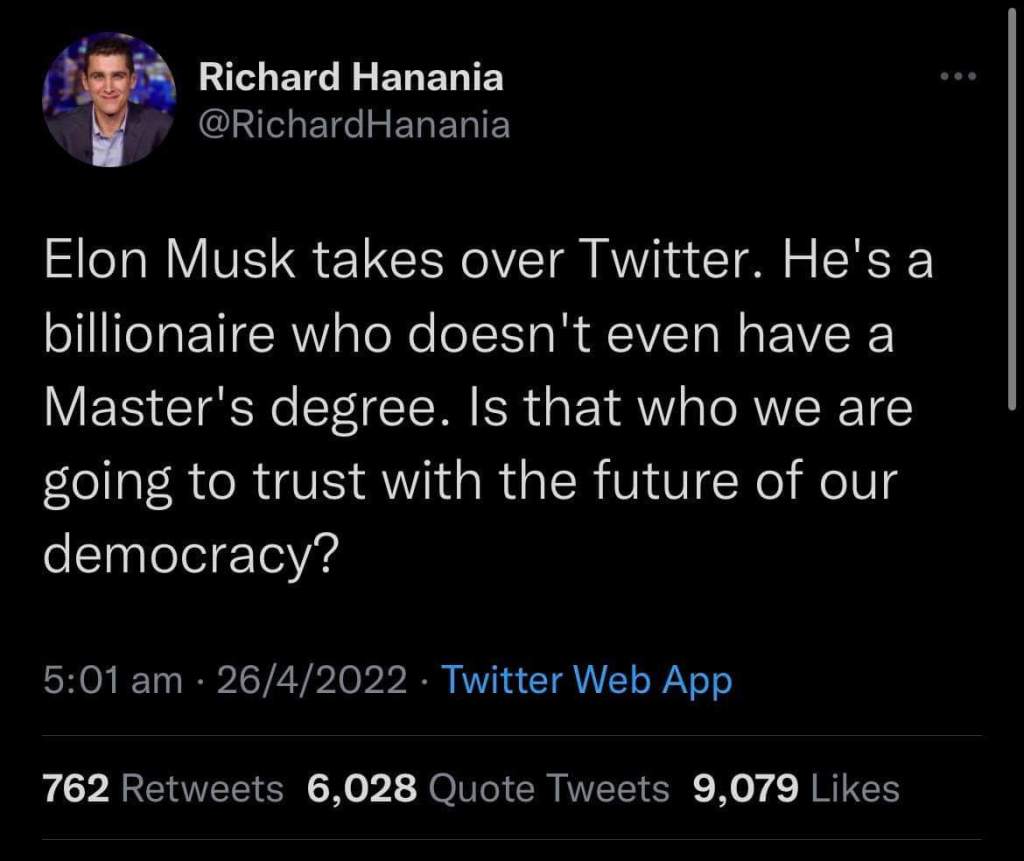
Elon Musk’s announcement of his ownership of a significant stake in Twitter and then subsequent buyout of the far-left’s favorite social media has shook up the political establishment.  Elizabeth Warren, a powerful US Senator, who leveraged a fiction about her Native American heritage to attain her own privileged position, somehow worth $67 million herself, had this to say:

Strange how now she speaks up about potential “dangerous to democracy,” but not when Big Tech was using the pretense of their “community standards” to ban content creators, including a former President, for challenging their ideological agenda and narratives.  Sure, they always could conjure their excuses or hide behind “Twitter is a private business, if you don’t like it start your own internet,” disingenuously while suing individuals who defied their demands, but now the truth comes out, suddenly it is all about democracy:

Credentialism much? I guess we should trust the privileged elites who trust the corporate system instead?

To those of us who have faced algorithmic demotion and punitive measures for our wrong-think, doing things like posting the actual flag of Ukraine’s Azov battalion or a quote of Hitler praising censorship intended as ironic, there is appreciation for Musk as a free speech advocate.  To those who use the word “democracy” as an excuse to trample rights, this represents an enormous threat to the ability to control narrative.

For those of us who have been paying close attention and involved, we know why Yahoo News, along with other far-leftist run online publishers, have shutdown their comment sections.  Sure, they may say this was to prevent misinformation, but the reality is that there would often be factual rebuttals or additional context that would undermine the narrative of the article.  It was always about control, not protection.

The war of words is as important as that which involves tanks, bombs and guns.  It was propaganda and censorship, as much as physical means, that enabled Nazis to put Jews in camps.  This is why Russo-phobia, the demonization and cancelation of a whole ethinic group, over things the the US-led imperial left, is so troubling.  President Obama was not accused of war crimes for a brutal AC-130 attack on an Afghan hospital, despite the dozens of verified casualties, why is that?

It is, of course, how the story is presented that makes all of the difference.  If a writer wants a leader to appear incompetent they might use the words like “bungled” as the description.  If they wish to spin it as positive they’ll say “setbacks” and dwell on framing the cause as righteous instead.  Those who want the public to support one side of the Ukrainian conflict will downplay or even completely ignore important context, like NATO expansion, the violent overthrow of Ukraine’s democratically elected government in 2014, and merciless shelling of the Donbass region.

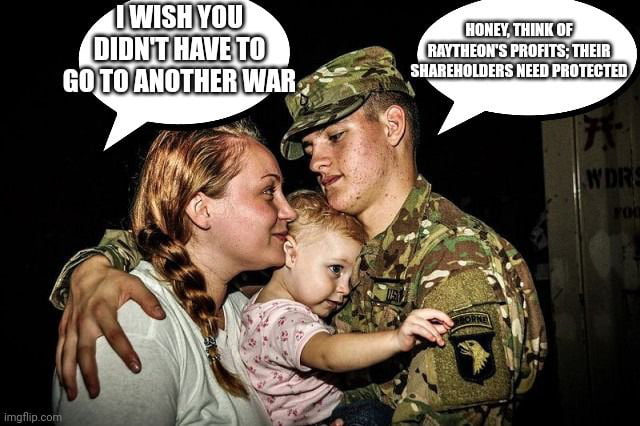
And this is why Musk promising to restore freedom of speech on Twitter is such a big deal and especially to the current power brokers.  The military-industrial complex, which owns the corporate media and many of our politicians, stands to lose billions in revenue if they can’t convince the gullible masses that Vladimir Putin is literally Hitler for leading a US-style “regime change” effort in his own neighborhood.

I mean, how will US political families, like the quid pro quo Biden’s, continue to make their millions in kickbacks (Burisma/Hunter scandal) if Ukrainian’s energy is back under Russian control again?

This is why they’ll fight tooth and nail to keep the presentation of the story as one-sided as possible.  They do not want us to hear the facts that may cause questions.  They only want us to have their prepacked stawman “don’t say gay” version of their enemies, presented by the late-night funnyman for ridicule, rather than allow a truly informed debate. 

Unlike many, the ignorant who accept narratives at face value, the elites with government and corporate power understand that the world is run by ideas.  It is how wars are won.

First They Came for the Conspiracy-Theorists…

Standard

The mass exodus off of Big Tech social media platforms has begun. Alternatives, like Parler, MeWe, and Gab, overnight, have gone from being the virtual Leper colonies of “wrong think” to viable communities for those fed up with the increasingly Orwellian mainline platforms.

After the 2016 election, and the influence of meme warfare and anti-establishment messaging on social media, the establishment (predictably) began to put pressure on for a clampdown. These self-appointed gatekeepers of information, the enraged Democrats and their corporate billionaire benefactors, were bitterly determined to have control of the narrative back in their own hands.

By hook or by crook, by any means necessary to get the job done, they would not allow a repeat of their crushing defeat in 2020, they would get Donald Trump out of the White House and be restored to the positions of power they believed were rightfully their own. Trump was a clown, they were smooth and sophisticated, how dare he takes away their glorious coronation—how dare he troll and mock them?

Democrat voter screams in rage after Trump victory in 2016.

Facebook and Twitter, encouraged by the corporate legacy media eager to eliminate competition, facing the demands of angry ‘progressive’ activists, slowly began to strangulate dissident perspectives on their platforms. It started with the extremists like Alex Jones, along with white supremacists and others on the fringes, then slowly worked in from there, throttling content, shadow banning, adding ‘fact-checks’ to posts, and completely removing viral videos that they deemed to be misinformation.

Learning From the History of Establishment Narratives

Three episodes from history, recently made into movies, involve those who questioned the established narrative, who endured terrible slander campaigns by the corporate media and government, and some were only vindicated years later.

Power is corrupting. Even good men, in bitter competition, can manipulate and mislead.

The first, “The Current War,” tells the story of Thomas Edison and his electrical competition against George Westinghouse, Nikola Tesla, and their alternating current. Edison, clearly for personal gain, tried to paint the alternative, as being extremely deadly and dangerous. He went as far as to do demonstrations, killing animals (including an unfortunate elephant), and even helped to invent the electric chair, to prove the superiority of his own direct current. He had the press in his back pocket then much like Big Tech has influence over the corporate media. They ran his stories critical of Westinghouse without truly understanding the topic material themselves.

Stalin was praised by our media while millions died. One man spoke out and paid the ultimate price.

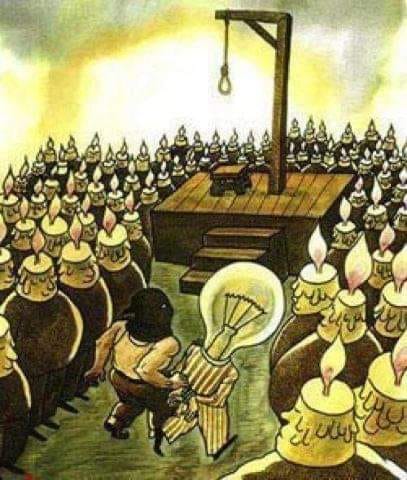
The second movie, “Mr. Jones,” tells the story of a true journalist who uncovers the horrible truth, at great personal risk, about the millions starved to death in Ukraine due to Stalin’s economic policies. But rather than being embraced as a hero, his account is denied by a Pulitzer winning New York Times reporter and dismissed by the powers that be. Had he lived today, his stories would likely be ‘debunked’ by the fact-checkers, he would be ridiculed as a conspiracy theorist, accused of trying to create a false narrative, and canceled. Sadly, it took years before the truth of what was actually happening under Communist rule finally leaked out from around the self-appointed gatekeepers who were the true propagandists.

Do not trust the establishment. Always question the narrative.

The third story, “Richard Jewell,” shows how nasty investigators and sleazy journalists can be when they think they have you pegged. An innocent man nearly got railroaded into confessing to a terrorist bombing despite being one of the first responders. He was profiled and painted as the villain. If not for a helpful attorney friend, who brought him to his senses about what he was truly up against, he may have spent his life behind bars for a crime he did not commit. And the media establishment still does the same today, rushing to judgment based on political agenda or popular narrative, indifferent to the real damage they cause to individuals in their neglect of due diligence. The story of Jewell should be a wake-up call to those who trust the establishment narrative.

The allegations of Alt-tech being home to conspiracy theories and racism reminds me of Edison’s smear campaigns against Westinghouse and alternating current. Do you think Big Tech will not try to influence you against their competition? Of course, absolutely, they will!

Edison advised on how to use alternating current to kill a horse, this elephant “Topsy” and a death row inmate. All part of his campaign against rival Westinghouse.

The attempts to silence those who are questioning the election results remind me of the tremendous pressure put on Gareth Jones to deny what his own eyes had seen in Ukraine. Do you really think that the own current crop of corporate ‘journalists’ today and establishment politicians are incapable of being corrupted like those of the past who denied Stalin’s terrible abuses? No, are you kidding me? They certainly are not cut from better cloth today, the New York Times is the same leftist propaganda rag now as it was then, and we should always question the narrative!

The Time To Speak Out Is NOW!

As one who understands that censorship is sold as protection and is actually always about control, this was troubling and brought to mind the poignant words of Martin Niemöller, German Lutheran pastor:

First they came for the Communists, and I did not speak out—because I was not a Communist. Then they came for the trade unionists, and I did not speak out—Because I was not a trade unionist. Then they came for the Jews, and I did not speak out—Because I was not a Jew. Then they came for me—and there was no one left to speak for me.

Niemöller penned those words after the war to confess his regrets as one of those who did not speak out against the censorious Nazi regime. He, like many other Germans, had initially supported Adolf Hitler. Hitler had promised to unite and heal the country, under National Socialism, after years of turmoil.

The thing many do not understand today is that murderous tyrants do not advertise themselves as villains. Hitler was promising things like health care, economic security, and safety, what could possibly go wrong?

His harsh rhetoric against the privileged few would have sounded quite progressive.

Not the typical picture we see of Hitler today.

It wasn’t until after the war, until seeing people relocated or being sent to a concentration camp for standing up to the regime, that the full extent would be known. Niemöller ended up imprisoned at Sachsenhausen and Dachau, was nearly executed, which is why he wrote the poem that he did, as a warning to us. Unfortunately, many of us are still waiting for Nazis, who are targeting Socialists, trade unionists, and Jews, not realizing that the next Hitler won’t be pushing nationalism.

In our current context the poem could as easily be written:

First they came for the conspiracy theorists, but I did not speak out—because I was not a conspiracy theorist. Then they came for the far-right, but I did not speak out—because I was not far-right. Then they came for Evangelicals, but I did not speak out—because I was not Evangelical. Then they came for me—and there was no one left to speak for me.

The point being, the categories, and labels can be changed. The equivalent of Nazis today, the people smashing windows and cracking skulls in the name of social justice, call themselves anti-fascist. That’s how they fly under the radar, they claim that anyone who stands up to their violence is a Nazi and deserving of death. And, rather than stand up to the madness, many take these Marxist thugs at their word and our political establishment simply goes along with it. Why? Well, because they are afraid, ignorant, misguided, sympathetic, or complicit in the abuse.

Mostly peaceful protest.

Many well-intentioned liberal folks, for example, support BLM not realizing it is a political organization with an extremely narrow ideological perspective and far-left agenda. They’re duped. They think they are protesting against systemic oppression and racism, they join those who feel disenfranchised, and others who are genuinely compassionate people like them, never aware that they are being used by those who care less about black lives and are cynically encouraging racial grievance as a means to gain political power. By the time that good folks realize their mistake, there will be nobody left to speak for them.

Many others cower in silence because they are afraid of being called “racist” or a “Nazi” or “far-right” or “conspiracy theorists” for daring to challenge the establishment narrative. They think that if they say nothing that it will all go away. They, like Richard Jewell who believed the system would protect him from mistreatment, will be shocked when eventually end up being cast as the villain by the establishment-enabled mob. They do not understand that those ‘canceled’ before them were not always in the wrong and those who did the deed were not as righteous as they claim to be. Don’t wait until it is your turn to be smeared to speak up!

Those speaking the truth die first.

We must see past the propaganda, we must see past the labels slapped on those who dissent against the establishment narrative, we must speak for those who are silenced or we will suffer the same fate as them and there will be nobody left to speak for us. Things are not always as they seem. The next Hitler will not look or act like Hitler. No, it will be bright and colorful, come holding a sign “celebrate diversity” or chant slogans like “black lives matter” and things that most of us would agree with at face value. Evil is insidious, treacherous, it does not announce what it is, but you have been warned and it is now time for you to question the narrative and not be silenced.

Slander, Censorship, and the Current War

Oh, wow, you made it this far?

Let me continue…

It is maddening that so many seem incapable of seeing what is right before their eyes and should be obvious. There is an unbelievable double standard, based on race and social status, but not the double standard that is constantly obsessed upon by those at the top. There dangerous rhetoric, disinformation, and outright lies, but it will not get you de-platformed or banned.

And I’m not only talking about mobs, looting, arson, and murder being described as “mostly peaceful protests” nor teenage Kyle Rittenhouse being called a “mass shooter” for his defending himself from a potentially deadly assault by adult men, with felonies to their name, one being illegally armed, and then being portrayed as hapless victims. I’m not talking about Nicholas Sandmann who was the victim of a vicious smear campaign, targeted by our media and cultural elites, for a confrontation they totally misrepresented.

One of the scariest things I’ve ever heard from a Presidential candidate’s mouth was during the first debate when Antifa, a violent political hate-group, was described as being just “an idea,” refusing to denounce the billions in damages, countless assaults, and a growing number of murders. It is as chilling as saying racism and white supremacy are “just ideas,” that the lynch mob arose spontaneously rather than being an organized event, therefore it can’t be condemned. He didn’t excuse, he didn’t deflect, he simply acted as if the most violent far-leftist movement in this country didn’t exist and was allowed to move on without any further questioning about it.

Just an idea. Nothing to see here.

This kind of gaslighting is becoming increasingly common, coupled with censorship of all narratives that challenge the establishments narrative, fact-checking that is truly misinformation and more misleading than the content it claims to debunk, and removal of grassroots efforts.

My own exploration of social media alternatives began after observing a couple of pro-Trump “silent majority” groups rapidly grow in size, friendly people putting out a warm welcome to all and especially those who had voted for the Democrat last time now converted. These groups would reach the size of a few hundred thousand members and then suddenly go dark, removed. And then it got close to me. A friend, a stand-up guy, who moderated a pro-2nd Amendment group, without warning or explanation, was de-platformed from Facebook along with the other moderators. His own personal account deleted without cause.

And it wasn’t just him…

This was election interference. It has happened to other people, their accounts, and groups. Meanwhile, Antifa, BLM and other violent far-left groups are allowed to organize, with impunity, without fear, on these same platforms. The Russian collusion narrative, a political disinformation campaign has never got anyone flagged or banned. Nor was anyone ever punished with account removal for spreading falsehoods about an innocent high school only guilty of smiling nervously while a deranged man pounded a drum in his face. But to so much as suggest that there is fraud in this election and your protest group will be taken down and hashtags silenced.

Big Tech censorship is brazenly partisan, clearly suppression of dissent, and yet there are still those concerned about the alternatives being havens for conspiracy theorists and racists?

Balderdash!

The same kind of lies we hear now about Alt-tech were told by Edison and parroted by media a century ago. If you believe the ‘fact-checkers’ today about election fraud, you would’ve believed Stalin’s hirelings, establishment ‘journalists’ with Pulitzers, who were truly propagandists and covered up the atrocities of the Soviets in Ukraine. The real control freaks and fascists, those willing to do whatever it takes to hold on to their monopoly of power, will not hesitate to lie, sow seeds of chaos and promote confusion. We, like Niemöller, will not get a chance redo for our mistakes. Unlike him, we may not have anybody to fight off the tyrants and rescue us when they come.

Redemption In An Age Of Unjust Outrage—Should People Be Given Second Chances?

Standard

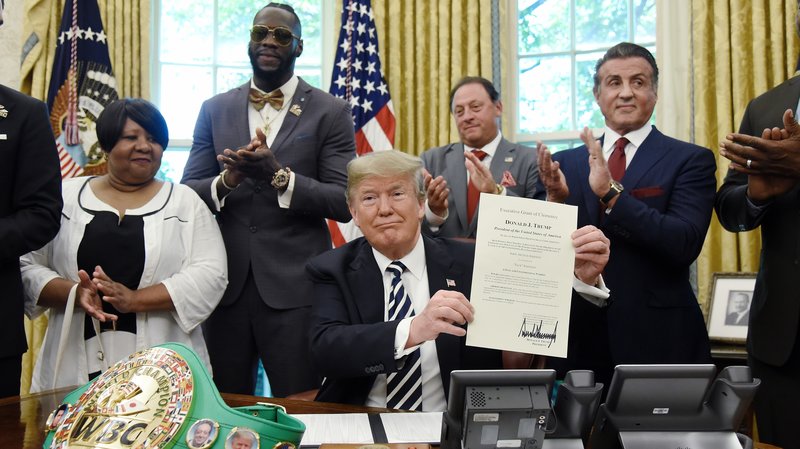
President Trump’s State of the Union address was very well received and perhaps some of the reason for that being his call for redemption. Two of the special guests had been incarcerated during the Clinton administration (when things like “mandatory minimums” and “three strikes,” often disproportionately impacting minorities, became Federal law) and have been recently given their freedom.

The first mentioned was Alice Johnson who had been convicted in 1996 for her involvement in a cocaine trafficking organization (apparently not the CIA), sentenced to life in prison, and having their sentence commuted by the Trump administration:

Inspired by stories like Alice’s, my Administration worked closely with members of both parties to sign the First Step Act into law. This legislation reformed sentencing laws that have wrongly and disproportionately harmed the African-American community. The First Step Act gives non-violent offenders the chance to re-enter society as productive, law-abiding citizens. Now, States across the country are following our lead. America is a Nation that believes in redemption.

The second guest mentioned, in relation to this redemption theme, was a man named Matthew Charles. Charles, with a face that beamed with gratitude, had been sentenced to 35 years in 1996 for selling crack cocaine in 1996 and became the first prisoner released under the “First Step Act” signed into law recently by Trump.

Like the President or not, this kind of criminal justice reform—after decades of excessive punishments—is something worthy of our praise. It is a first step back towards what once made America great and that being the opportunity to move on from our past failures, both individual or collective, and pursue a better tomorrow together.

Grievance Culture Never Forgives

Unfortunately, while legislative reforms are important, the President can’t undo a cultural progression away from Christian ideas of redemption and towards that of eternal grievance. Those sentenced by an outrage mob in the “court of public opinion” cannot face their accusers, they are denied any form of due process and are rarely, if ever, pardoned.

Media fueled public shaming campaigns, often at the behest of social justice warriors or their sympathizers, have destroyed careers mid-flight over a bad joke on Twitter—who can forget Justine Sacco’s sardonic quip about Africa, AIDS and race? One moment she was an anonymous leftist speaking cryptically about her white privilege to a small circle of friends and the next she is an international pariah for an allegedly racist remark.

Then there is Austen Heinz, the socially awkward genetic researcher and entrepreneur, who was driven to suicide by a bullying campaign led by Huffington Post, Daily Mail, BuzzFeed and other clickbait media sources.

His crime? He mentioned, off-the-cuff, some potential to change feminine scents, which was characterized as being “misogynistic” and “sexist” in one sensational story after another. Who knows what amazing breakthroughs someone as brilliant as Heinz could’ve produced in his lifetime had it not been cut tragically short by those who profit by pushing identity politics and division?

That’s not to say that there is no pushback against this sort of abuse. The wrongly accused boys from Covington Catholic High School are being represented in defamation lawsuits after suffering harassment and threats as a result of a media campaign, involving celebrities and other public figures, to shame them. One of the vicious commentators, Kathy Griffen, who called for their identities to be revealed and falsely accused them of using Nazis signs.

To Forgive Or Not To Forgive?

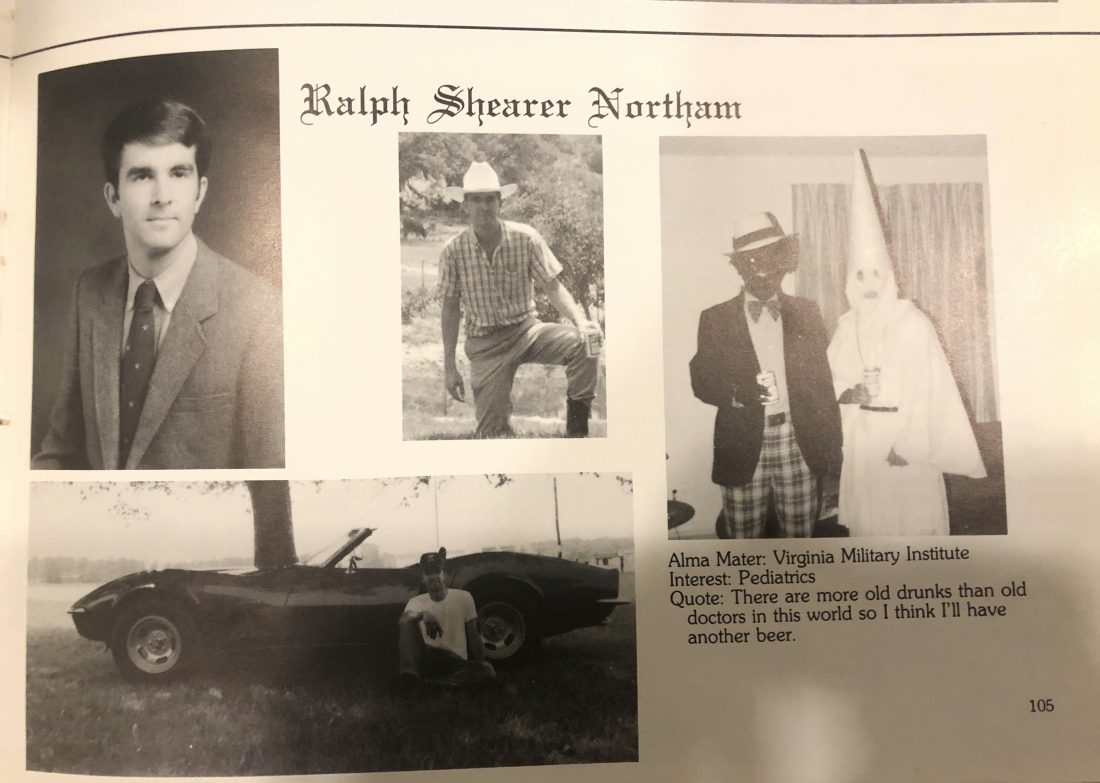
Of course who can forget the Brett Kavanaugh hearings or ignore the current uproar in Virginia over a photo in Democrat Governor Ralph Northam’s medical school yearbook showing a man in blackface with a Klansman?

And that’s not to mention the two sexual assault allegations that surfaced since then against Virginia’s Lt Governor, Justin Fairfax, and a Duke basketball player. Reportedly Fairfax used his knowledge of a young woman’s prior rape allegation being quashed by university officials as a means to victimize her again since he believed she would be unlikely to report as a result of her prior experience.

In all of these cases the evidence and allegations are different. They all should be addressed on their individual merits and in the correct venues. But all are also in the realm of politics and from many years ago, which really does significantly complicate matters. Who or what many believe seems to become more of a matter of whose ideological team you are on or the potential political fallout more than the actual veracity of the claims being made.

Political campaigns have long relied on digging up comments, years old, served up out of context, is simply how the game has been played. That said, that doesn’t take away from the seriousness of the more serious allegations, it is one thing to accuse someone of being a racist, sexist, or liar (largely subjective judgements) and quite another to be accuse them of rape. The latter accusation is either objective reality or it is not, potentially criminal behavior, and definitely reflective of a serious character flaw if true.

Still, with the lessor offenses or with unsubstantiated allegations, at what point do we forgive “human frailty” (as the Wall Street Journal puts it), remember that “all have sinned and fallen short of the glory of God” (Romans 2:10), “judge not lest ye be judged” (Matthew 7:2), and move on? Should we ever treat human failure (real or alleged) like a permanent stain, a reason to always be suspicious of a person, or an irredeemable blemish? I would say no, based on the references provided above, but then…

Maybe Forgiveness Is Only For Some…?

One of the problems with how forgiveness is often used is that is used as a license for our friends and political/religious/tribal peers while simultaneously denying the same privilege to others. This is why a perceived smirk can become a national outrage while actual violence in malls is dismissed as “teenage boredom” and largely ignored.

I’ve long been against collective punishment for individual sins. I’m part of that generation who had Martin Luther King’s “content of character” rather than “color of skin” speech drilled into them and have always made a sincere effort to put that axiom urging judgment based on individual merit to practice. But I’ve found that this steadfast conclusion makes me a relic in the time of intersectionality, group shaming, unforgivable guilt for some and permanent victim status for others.

Perhaps this current generation is a correction to the overly optimistic outlook of my own?

Stereotypes are not entirely baseless, statistics do bear out differences in attitudes, behavior, and outcomes of groups, which could be proof of systemic oppression or simply our own cultural and biological inheritance. There is a reason why many professional athletes are typically of one demographic and chess players are of another, it has to do with discrimination and yet is discrimination based on ability despite coinciding with differences in race or gender. So it is conceivable, as well, that some groups are more likely to become school shooters and for others to me more generally violent as well.

There is a time for generalization…

For there are many rebellious people, full of meaningless talk and deception, especially those of the circumcision group. They must be silenced, because they are disrupting whole households by teaching things they ought not to teach—and that for the sake of dishonest gain. One of Crete’s own prophets has said it: “Cretans are always liars, evil brutes, lazy gluttons.” This saying is true. Therefore rebuke them sharply, so that they will be sound in the faith and will pay no attention to Jewish myths or to the merely human commands of those who reject the truth. (Titus 1:10‭-‬14 NIV)

There may indeed be tendencies of groups that should be called out. That said, I doubt very much that St Paul, in the passage above, is making a case for unforgivingness or collective punishment. No, I’m quite certain that he, as one who once persecuted and killed Christians before his dramatic conversion, understood very much the need for redemption or he himself would forever be condemned. Had he been held to the same standard of today he would likely be completely disqualified from leadership and certainly never embraced as a brother by those whom he harmed.

Forgiveness Is For Those Who Repent.

One of those other problematic teachings that I’ve frequently encountered (particularly in my Mennonite religious culture) is this idea that forgiveness should be bestowed upon all people regardless of what they do or how often. This is based in a misapplication of Christian examples in a way that too often provides shelter for repeat sexual abusers and others who have learned how to game the system.

This idea that forgiveness removes any sort of accountability for sin is dead wrong. Sure, Zaccheaus needed to be forgiven for his taking advantage of people as a tax collector, but he also needed to repent of his sin and repentance required taking responsibility (financial or otherwise) for the wrong he had done.

In other words, had Zaccheaus been a child-molester simply admitting the sin or even an “I’m so sorry” speech is not enough, he would need to also face the civil penalties for his actions and also the social consequences as well.

The plea of Jesus on the cross, “Father forgive them for they know not what they do,” was not permission for those in the crowd chanting “crucify him” to go on murdering innocent people or an escape from need for repentance. Those in that outraged mob who called for his death would eventually need to repent and face the consequences of their sins like everyone else.

Forgiveness does not absolve a person from need to repent. Yes, there are times when we need to forgive those who have offended us without them repenting, we should always give a second chance (even 70 x 7 chances) to those who do truly repent (ie: have confessed and also paid the penalties for their sin), but this idea that forgiveness means complete freedom from consequences or removes the need to repent fully is not at all Christian—repentance is a requirement.

So, yes, we must forgive as we want to be forgiven and we should also not hold a grudge against those who have wronged us, but there is no indication that those who do not repent will be forgiven by God and we owe it to them to tell them the truth. Furthermore, according to 1 Corinthians 5:1-12, we should not even associate with a person who calls themselves a Christian and continues to live in unrepentant sin.

So, returning to the question initially asked…

Should People Be Given Second Chances?

The answer is both yes and no.

Forgiveness is something conditional. Jesus called for repentance, saying “go and sin no more” to a woman whom he forgave, and using a parable of a man forgiven a great debt who did not forgive to illustrate the point that forgiveness can be revoked for the unrepentant.

Second chances are for those who acknowledge their error (and repent) or can’t be found guilty of wrongdoing after the matter has been addressed in the appropriate manner.

There should also be allowance for growth—people do mature and change. There should also be some tolerance given to all people, because nobody is perfect, we all have our flaws, and would probably look pretty bad if our lives were put under the microscope of the outrage mobs. However, this tolerance and allowance should not only be for those who are on our team.

For example, we cannot say that blackface is the unpardonable sin of racism in one case and then play it off as a “coming of age ritual” (it certainly wasn’t for me) because our own guy got caught. We can’t treat a boy’s expression as a “facecrime” (thank you, George Orwell) worthy of national contempt while totally ignoring the grown men yelling homophobic and bigoted things (or worse, describe their hateful and intentionally provocative slurs as “preaching about the Bible and oppression” (*ahem* CNN) while simultaneously heaping condemnation on a boy for wearing a MAGA hat and an awkward smile.

That said, I would expect more from a fellow Christian, raised in a good home and under good instruction, than I would from some random dude on the street. Jesus did say that more will be expected from those who are given more (Luke 12:48) and that may mean we hold some to a higher standard. And yet we should also be aware that our own judgment is clouded by prejudice, that we don’t see everything a person is going through or the disadvantages they’ve faced in their lives, and therefore should err on the side of forbearance in all cases.

So there is no simple answers.

I do believe that our culture, due to social media, click-bait stories and a progressive decline in moral values, has veered dangerously away from forgiveness and redemption. We should definitely think twice before joining an outrage mob, we also need to do whatever it takes to keep partisan politics and tribal identities from perverting our judgment, and we should always give as many second chances to others as we would want for ourselves.

No matter your politics, you very well could be the next less-than-perfect person turned into an unforgivable villain by the mob, so keep that in mind next time you see a sensational headline, read a poorly concieved Tweet or watch a video clip without context.

The NEED For Loving Touch

Standard

A few years ago mom and sister, sensing my need for physical touch, made giving me a hug on Sunday evenings as I left for home and another week out on the road. It was a small gesture, a single suture on a gaping wound of loneliness and years of an unmet need for more intimate human relationship, but—nevertheless—it was something that kept me at least partially sane.

Not everyone is the same in regard to how they handle isolation. However, it is known that solitary confinement is extremely detrimental psychologically and is equivalent to torture for some. It is even worse for children deprived of healthy touch and, according to research, babies in orphanages with inadequate human interaction die at a rate of 30 to 40% and even survivors of the negligence often suffer terrible life-long consequences as a result.

We live in a culture that celebrates connectivity and social media. Unfortunately, those things, seeing words on a screen or having a “friends” list of thousands, do not fill the void or need for real physical interactions and touch. When my hopes of meaningful human connection faded away with another crushing rejection my mind slid back into solipsism—the ultimate aloneness, a disconnect from belief in anything outside of my own mind or imagination—the nightmarish hell put into words by Trent Reznor:

Yes I am alone
But then again I always was
As far back as I can tell
I think maybe it’s because
Because you were never really real
To begin with

I just made you up
To hurt myself
I just made you up
To hurt myself
I just made you up
To hurt myself
And it worked
Yes it did

The reality is that healthy people live for connection and survive periods of aloneness on their hopes of future intimacy and interactions. We were created for relationship, both with each other and with the one who walked with Adam in the garden. It is through relationships that we gain our personhood and purpose. The lack of real community, of physical touch and healthy interaction, has come at a great cost and, sadly, few seem ready to take the necessary action to change this for those most in need.

Some of the reason for this neglect is a misconception about the true meaning of the Gospel message…

“All you need is Jesus”

This is one of those religious clichés that is true in one sense, yet is completely untrue the way some people use it and is often nothing more than an excuse for their real indifference.

People need more than words to thrive.

Yes, we do not live by bread alone and we always depend wholly on God’s grace at all times. However, that doesn’t mean we do not have need of food, clothing, shelter or many other things that make our life complete.

Those who spiritualize and who dismiss the human needs of others should be locked for a week in a box naked, without food or sunlight, and then they can discuss what “all you need is Jesus” means to them as someone who was without anything else.

For those who think their offering mere words about an abstraction of Jesus are an indication of their faith and is doing enough, I will offer the words of James:

What good is it, my brothers and sisters, if someone claims to have faith but has no deeds? Can such faith save them? Suppose a brother or a sister is without clothes and daily food. If one of you says to them, “Go in peace; keep warm and well fed,” but does nothing about their physical needs, what good is it? In the same way, faith by itself, if it is not accompanied by action, is dead. (James 2:14-17)

If I could have a dollar for all the times that people expressed sympathy for my circumstances, and then assured me that things would magically work out for me without doing anything to help, I would probably be a millionaire. The whole book of James tells me that such people who do not offer anything in the form of concrete help, despite what they might profess, do not really know Jesus and are still in need of salvation themselves. Christian faith that does not express itself in meeting needs both spiritual AND PHYSICAL is not real Christian faith.

“The word became flesh…”

One of the deficiencies of the theological indoctrination that I received in the denomination of my birth was a lack of explanation for the full significance of incarnation. Incarnation tends to be explained as a historic event, that Jesus provided an example to follow, and yet very little is said about the what this says about the human condition and need for touch.

The incarnation, the word becoming flesh and dwelling among us, is the centerpiece of what John says at the start of his Gospel account and is something that has great significance as far as how it relates to church life. Jesus came so that the Spirit, something not physically defined and the same Spirit “hovering” over the waters in the Genesis creation narrative, could be made one with human flesh and so that through that we also (the church together as the “body of Christ”) could become the incarnation of Christ.

This idea that the Gospel is about an abstraction, some kind of spiritual experience or journey and theological/theoretical construct that has little to offer in physical substance, is wrong. It is part of the issue that early Anabaptists would’ve had with Luther and Protestantism. It is also something Orthodox Christians cannot accept. There is no salvation without incarnation. We cannot live the Chrisitan life alone or without real and tangible love for other Christians.

Christianity is something that must be communal, it must involve actual physical interaction with other members of the body and our partaking of the real flesh and blood of Christ together with other believers, or it is not real. Faith is, as James clearly says, something that changes how we interact with each other in the material world, it should remove barriers (like favoritism or separations within the body between higher and lower social/religious/economic tiers) and make us do something about the physical needs of other Christians.

Feeding people with platitudes does not make you Christ-like or spiritually-minded. No, it is only living in denial of the needs of others, profoundly unloving and disobedience. Yes, certainly, the point of Christianity goes well-beyond mere humanism or making the world a better place to live for others. The kingdom is something that cannot be defined in the material world. That said, Christianity without any fleshing out or being an incarnation of the Spirit ourselves, like Christ, in our Communion together and providing for the physical needs of others is truly not Christianity anymore.

Those who spiritualize physical needs really should consider the question of why Jesus came in the first place. Why didn’t God just send his good news message on tablets of gold from heaven?

The answer is that our body is not something bad or that God has given up on. We are not a mind with a body as many seem to perceive themselves. No, the body and mind are as interwoven as soul and spirit. Sure, you may be able to intellectually conceptualize things like love and theorize about salvation. But the reality is that we do have physical needs, what happens to our bodies does have an impact on our minds, and thus we should take care of our own bodies and also be concerned with the physical well-being of our fellow Christians. The incarnation is important because we are creatures of flesh and with real physical needs. We need other Christians to flesh out Christ today for the same reason Thomas needed to touch the wounds of Jesus to know that he had truly conquered death.

Not just talk, touch…

There is no shortage of advice in the world and much of it unsolicited. Tell a person about your needs and you are bound to get an earful of their opinions. They, like those who claimed faith without works, think that they can talk away your problems and/or need a way to dismiss your needs when you do not take their bad advice. They can say, “Well, he should just listen to me and then things might go better.”

Jesus condemns this sort of aloofness:

They tie up heavy, cumbersome loads and put them on other people’s shoulders, but they themselves are not willing to lift a finger to move them. (Matthew 23:4)

That is not to say that we should never give any weighty advice. However, when our advice is not accompanied by helpful action, then it will simply be adding another burden to someone already struggling under the weight of life. Having real faith, embodying Christ, means offering real substantive help to those who ask. Again, there might be a place for speaking against sin, there is also a good case to be made for teaching people how to help themselves, yet we also need to get our own hands dirty sometimes and help to dig people out of the mire they are in or at least lift their load until they can get their feet under them again.

Jesus said, “Give to those who ask” (Matthew 5:42) And, given that he does offer himself to anyone who asks, it is very likely meant those words take be taken literally. He didn’t say only to give what rationally makes sense to you at the time, he doesn’t say to give only money or time, he tells us to give and our willingness to give is the true measure of our faith. It is our job, as Christians, to give of ourselves for the salvation of others, that is what marriage is about and why we should attend church—and be all the more involved when those in the church need Jesus more than we do.

The point of Christianity is to be part of the body of Christ, to do what he did for others and the “greater things” he promised would come as a result of his leaving. We are to touch and heal the wounded like he did.

The need for non-sexual physical touch…

In many parts of the world, it is not unusual for men to hold hands with other men nor a scandal for men and women to exchange a familial kiss. But somehow here, in the United States, we have managed to sexualize everything and this is especially true fundamentalist Mennonite/Protestant sects. In fact, I have had a young woman from such a setting, in her early twenties as I recall, worried about somehow defiling herself just to be in my physical presence and unsupervised. And that, needless to say, made the conversation extremely awkward.

This aversion to touch does not seem to be found in Scripture. Jesus healed using physical touch, he allowed a woman to wash his feet with her hair and there is (at least according to less sanitized translations) a description of a disciple “leaning on Jesus’ bosom” (John 13:23) while they ate in a reclined posture. There is no indication in Paul’s letters that the “holy kiss” was a gendered practice, he mentions both men and women in his list of those to greet, nor that it was only for their time. It certainly doesn’t seem like physical touch was such a big deal for Jesus and early Christians.

Consider the following:

As Jesus went on from there, two blind men followed him, calling out, “Have mercy on us, Son of David!” When he had gone indoors, the blind men came to him, and he asked them, “Do you believe that I am able to do this?” “Yes, Lord,” they replied. Then he touched their eyes and said, “According to your faith let it be done to you”; and their sight was restored. (Matthew 9:27‭-‬30b NIV)

While Jesus was in one of the towns, a man came along who was covered with leprosy. When he saw Jesus, he fell with his face to the ground and begged him, “Lord, if you are willing, you can make me clean.” Jesus reached out his hand and touched the man. “I am willing,” he said. “Be clean!” And immediately the leprosy left him. (Luke 5:12‭-‬13 NIV)

People were also bringing babies to Jesus for him to place his hands on them. When the disciples saw this, they rebuked them. But Jesus called the children to him and said, “Let the little children come to me, and do not hinder them, for the kingdom of God belongs to such as these. (Luke 18:15‭-‬16 NIV)

While he was still speaking, a bright cloud covered them, and a voice from the cloud said, “This is my Son, whom I love; with him I am well pleased. Listen to him!” When the disciples heard this, they fell facedown to the ground, terrified. But Jesus came and touched them. “Get up,” he said. “Don’t be afraid.” When they looked up, they saw no one except Jesus. (Matthew 17:5‭-‬8 NIV)

And did I mention that Jesus touched?

That last passage, in particular, may give us some of the reason why the incarnation matters. We need more than an abstraction, more than a book or voice from heaven, we need touch. The church, as the hands and feet of Jesus, needs to be physically intimate in the same way that Jesus was to those he loved. There is healing in touch, it is healthy to touch, and Jesus touched.

Touch is good and right.

The need for good old-fashioned sex…

The person, responding to my prior blog about a failure in faith and relationship, had mentioned Maslow’s hierarchy of needs (something that I alluded to in an early blog) and how people, to reach their full potential, need food, water, shelter, clothes, and sex. They put special emphasis on sex because it is something that the spiritualizers (aka modern-day gnostics) would say sex doesn’t matter much and/or is something almost bad even in the context of marriage.

I recall being upset with a psychiatrist for describing my interest in a young woman as being sexual attraction. It was jarring to me at the time. How dare they describe my pure and lofty intentions in such a base manner? I’m not an animal! As obvious as sexual motives are now, looking back in retrospect, I truly was in complete denial then and still have difficulty now being honest about my strong desire for sex.

In fact, I had to be reminded recently that sex, within the marriage context, is something scared and thus my desire for that is not something to be ashamed of or hide.

So why did I hate and conceal this desire to the point that I didn’t even consciously recognize my motivations anymore?

Talk to anyone outside of a religious purity culture and they will be dead honest about their sexual desires. I too would never say that sex is a bad thing even while in denial of my own motivations. But, because sexuality is often discussed in negative terms, and because there was no healthy outlet for my sexual urges for all these years and also knowing that many conservative Mennonite girls share this same shameful view of sex, burying these desires seemed the only option. I mean what kind of God-fearing woman would marry a guy who openly admitted his mixed sexual and spiritual motives?

Unfortunately, this view of sex as being bad (or a shameful compromise) is completely unhealthy and needs to be addressed.

Scripture tells us “He who finds a wife finds what is good and receives favor from the LORD” (Proverbs 18:22) and, it is important to realize, marriage is a sexual union. The idea of “two will become one flesh” includes sex and part of that “good” a man finds in a wife. The apostle Paul, while encouraging celibacy for some, says (in 1 Corinthians 7) that those who “burn with passion” should marry rather than fall into sin. He also said that married couples should not deprive each other of sexual relations for an indefinite period of time. So maybe it is time for a more affirming and positive presentation of sexual desire?

Dividing sexual touch from the sacred is unhealthy and wrong. The marital bed is sacred. Sex, in the right context, is not shameful. Most people need this kind of physical intimacy to reach their full potential and thrive. It is not lustful or a sin to want sex. Sex is something we are made for, it is part of God’s original design and something good—we might as well be open and honest about it!

True connection is a human need…

Not everyone has the same need for intimacy and touch. However, a person doesn’t really know their need of something until it is taken away along with any hope of it. Those who minimize the importance or need for real physical connection with other people probably aren’t those who have been without it for long periods of time.

I believe, as a nearly forty-year-old virgin and one who has experienced years of physical isolation, that this is a big problem that is not being addressed. I believe it is especially a problem for men who have no healthy outlet for physical touch. It is not as culturally taboo for women to touch or at least it is not unusual to see teenage girls hanging all over each other. However unmarried men, who need touch to be healthy just like a woman does, are often left to their own devices—alone, unneeded and unappreciated.

But I digress, both men and women need physical touch and to feel loved.

For those with their own physical needs met, even just keeping singles/widows/widowers involved and regularly invited to dinner with your family is a good start. I know that this, even as a token gesture, helped me have a more positive outlook on life as much as it happened. In fact, my being welcomed into homes in this way by a Charity-ish church every time I visited was nearly enough for me to overlook my differences with their perspectives of theology and application. Something real and tangible is better than nothing at all. And love—genuine, self-sacrificial and materially real love—truly does cover a multitude of sins:

Above all, love each other deeply, because love covers over a multitude of sins. Offer hospitality to one another without grumbling. Each of you should use whatever gift you have received to serve others, as faithful stewards of God’s grace in its various forms. (1 Peter 4:8-10)

It is not enough to wish a brother or sister well who is starving or naked. Likewise, it is not enough to tell those who desire to be needed and appreciated that all they need is an abstraction of Jesus. Jesus came in the flesh so that he could physically interact with and touch people. We too need to incarnate the intimacy that we desire with God through our willingness to be physically connected and intimate with those whom God loves. We need to love others and not with empty words or in religious forms. We need to love them in a way that meets their real physical human needs and in the same way as we want our own spiritual needs to be met by God.

The real need is for meaningful connection. We need adequate relationships to keep our minds from falling into dark and dangerous places. Studies show a correlation between addiction and lack of adequate social connection. We are not self-sufficient, we are not mere minds in a body, we need each other, to be loved and to feel the love of others.

This is why the word became flesh and why we must flesh out the Gospel with healing and healthy touch. It is on us to be the hands and feet of Jesus—faithful love requires that we do more than talk about abstractions of love.

Taking on Matthew 23 and the Uncomfortable Topic of Hypocrisy

Standard

Several years ago, my church designated the fifth Sunday of the month as an opportunity for laymen to preach.  I passed on the invitation when my name came up.  I did not feel qualified to speak and therefore decided not to embarrass myself or bore an audience with my scattered thoughts.

Much has changed since then.  A couple years ago (upon realizing that I could no longer use the excuse of being younger than Jesus when he started his ministry) I decided to start saying “yes” when called upon.  And, surprisingly enough, I did survive my attempts at teaching and giving devotions.  In fact, I did well-enough that I started to think about what I would preach, given the chance.

What sermon would I preach?

I’ve heard dozens of sermons parsing 1 Corinthians 11.  Modesty (the word “modest” only found once in Scripture) has been a frequently preached on topic as well.  Biblical proof-texts pertaining to our doctrinal hobbyhorses make their regular appearances—I’m pretty sure my Mennonite readership is quite familiar with the “Sermon on the Mount” in Matthew.

I’ve heard many “fire and brimstone” messages about the danger of television, rock music, sports and “worldly” entertainment.  Where I come from there is no shortage of sensational stories and titillating tales included in the message.  Even the occasional myths about wells to hell and erroneous silver dollar arguments get mixed in to spice things up a bit when the pulpit-pounding theatrics aren’t good enough.

However, amongst those numerous messages I’ve heard from across many pulpits, there is one particular Biblical text that I cannot recall a sermon being preached on.

That text being Matthew 23, the chapter where Jesus levels seven accusations against the religious elites of that time, a sermon full of unpleasant words and bitter reproach that culminates into prophecy about Jerusalem’s destruction and the ending of that age.

I have long pondered why this significant portion of Scripture (mirrored in the six woes of Luke 11:37-54) is so often neglected.

It could be confirmation bias.  It is very easy to only see evidence that confirms our existing worldview (or “cherry picking“) and ignore evidence to the contrary.  Perhaps it is preoccupation with defending the current tradition that distracts us from a sermon about the hypocrisy of other religious people?  We’d rather dismiss that as irrelevant to our own time and unimportant.

Or…does it hit too close to home?

In a denomination known to split over religious minutia a discussion of personal hypocrisy might be a sore subject.  When I read it, the parallels between the attitudes of those Jesus called out and some I’ve witnessed in our circles today are clearly recognizable.  So the passage might simply be avoided as an uncomfortable topic.

Anyhow, as one not striving to follow the path of least resistance, and as one who believes that faithfulness includes challenging the complacent, I would choose Matthew 23 for a sermon text and explain how the message Jesus gave then still applies to us today.

Blogging—today’s medium for delivering a message to a broader audience.

I felt called to be a minister of the gospel at a young age.  Back then, I had thought that meant being ordained or or serving as a missionary overseas.  Both of those things have become more and more unlikely as I’ve aged.  I do not tow the denominational line, so to speak, therefore my chances of ordaination or being sent to represent a Mennonite organization are about nil.

I may never have the opportunity to preach in a Mennonite church given my current trajectory.  But life is strange.  This thing called blogging did not exist until the mid 90s nor did social media and now it does.  My writing here reaches a larger audience than ordained Mennonite men do on Sunday mornings and that’s something I could not have imagined as a child.

So, I’ve decided to do a series of blogs on Matthew 23.  I want to be faithful with the platform I’ve been given, and I believe that you are here reading because the message is relevant to you.  My hope is that this encouragement to go beyond our own religious comfort zones is received as intended.

Part 1: Jesus Assails Unhelpful Religious Elites (Matthew 23:1-4)

Part 2: What Is True Distinction? (Matthew 23:6-12)

Part 3: Missionaries From Hell? (Matthew 23:13-15)

Part 4: Too Focused To Be Faithful (Matthew 23:16-24)

Part 5: Would Our Non-conformity Impress Jesus? (Matthew 23:25-28)

Part 6: Are You Better Than A Pharisee? (Matthew 23:29-32)

Part 7: Jesus Longs for His People (Matthew 23:37-39)