Watching my son’s football game, it felt as if there was an inflection point. The game got off to a rocky start—their offense stumbled on the first drive, the defense gave up a score, and that was the story of the first half. But in the second half, the game’s momentum changed—the defense sparked a three-and-out, their offense finally got on the board, and it was a whole new game. Even luck tilted in their favor, unlike the first half.
So what happened?
How does a team that gave up eight points rally to score fourteen in a comeback?
An inflection point is a change where it feels as if a giant pendulum has swung, reached a peak in one direction, and shifted to a new or opposite course. The momentum shift may become clear only afterward, but often it’s something detectable in the air—an event or palpable shift in attitude that changes the entire complexion. In the game, it could’ve been a small adjustment by the coaches or simply an opportunity to reflect on mistakes and correct them. It could be that the ball broke in the right direction, a matter of probabilities, with the change mostly an illusion. But football is an emotional sport, and even dumb luck can inspire better play from everyone.
We also witnessed a similar shift during the presidential election. Biden was apparently leading in the polls (if such things are to be believed), and then Butler happened. The event came after the disastrous first presidential debate, where Biden clearly was not as advertised, yet it was the image of defiance—“fight, fight, fight”—that sealed the deal. Elon Musk saw this as reason to put his full weight behind Trump, and with a few McDonald’s drive-through moments and photo ops with garbage trucks, the greatest upset win since 2016 was complete.
Love him or loath him, Butler should have been a warning shot for the left—trying to kill your political opposition only makes them stronger and Trump won with a younger browner vote.
The paragraphs above were written before the murder of Charlie Kirk. Over the past few days, he went from the “prove me wrong” guy debating college kids to the center of a national debate. Since his death, there has been a groundswell of support. As those on the left reveal themselves through celebrations of his death and mockery, Kirk’s Turning Point organization has been flooded with 54,000 requests for new chapters at high schools and colleges. His death is a catalyst, much like the two assassination attempts against Trump, and a potential inflection point in the national conversation.
Before the U.S. Civil War officially began, there was an early attempt to free the slaves. John Brown, an evangelical Christian, believed he was on a mission from God to end slavery in the U.S. and led an insurrection that ended with a raid on a federal armory at Harpers Ferry in October 1859. Even before this, the issue of legal slavery had resulted in violent confrontations. In 1837, the abolitionist Elijah Parish Lovejoy was shot while facing down a mob of pro-slavery vandals who were attempting to destroy his printing press. This event sent shockwaves through the U.S. and galvanized John Brown to publicly declare:
“Here, before God, in the presence of these witnesses, from this time, I consecrate my life to the destruction of slavery.”
John Brown fired the opening shots of civil war, his fierce opposition to slavery inspired by the murder of abolitionist Elijah Parish Lovejoy.
As a writer, I do not create the sentiment of my audience. I merely put into words what other people are thinking or help them organize their thoughts. In other words, if it resonates, it is only because I’ve stated something they’ve already noticed. It also emboldens—when people realize they are not alone in what they see—which is how regimes fall. When people know that others share their understanding and are given a means to articulate it, all it takes is a little push to turn popular sentiment into decisive action.
Synchronicity is one way to describe this. I have often observed many of my friends—likely tuned into similar sources and sharing the same basic assumptions—simultaneously reach an identical conclusion in response to events.
The assassination of Kirk is a moment that galvanizes. It has starkly illustrated how far apart the two partisan sides have become. Some celebrate the murder, spewing vile hatred for a man who was truly a moderate with views similar to those of many Americans. Others are rightly appalled, realizing there is no reasoning or unity with those who believe disagreement deserves a death sentence—that Kirk deserved the bullet.
In a civil society, matters can be debated. If a person says things we don’t like, we still honor their human rights and show respect despite disagreement. But to those on the far left, a statement of fact or an opinion they hate is declared “hate speech,” and saying it out loud constitutes a crime of “spreading hate” that deserves death. This is not an embellishment—a direct quote: “Let this be a lesson to all those conservative freaks, all those weirdos… you’re next in line.” This is a threat we must take seriously when the other side laughs and mocks Kirk’s death—they are not like us.
This is an inflection point, one of those culminating moments where conservatives are independently reaching the same conclusion, and a movement can become galvanized. It will arm Trump to crack down on Antifa and the left-wing in ways he could not have before, with the critical mass of public support he needs.
Freedom of speech doesn’t mean people must associate with you. I’ve never seen the ‘right’ react with such energy before.
In reality, Charlie Kirk wasn’t an extremist leading anything; he represented the quiet majority who are still able to appreciate the difference between men and women and who want laws applied equally for the protection of all Americans—not favoritism or special preferences for some based on identity or political ideology. They are Charlie. He did not radicalize anyone. All he did was try to explain his perspective and articulate what many believe. But he will now be a rallying cry—like the death of Lovejoy that led to John Brown’s vow—that point in a conflict where the tolerance has been exhausted and it is necessary for the sane to make a stand.
Even for me, as someone who attempts to stake out a position independent of both popular sides, I must go with the side least likely to kill me as a default. There’s nothing I share in common with those who are gleeful and cracking jokes about a man deliberately killed in front of his fans, wife, and young daughters. Cheering for domestic terrorism cannot be tolerated. The backlash against those who couldn’t show civility even after a man’s murder will be a turning point, like the momentum shift in a football game—the people are done playing nice with these monsters.
As someone who prefers getting news from non-Western sources, I occasionally read Al Jazeera for some perspective, and that is how I came across an article, “Imane Khelif and Western delusions of white innocence” and had to hit back. For the remainder of this blog, I will identify as a minority woman to obtain maximum victim points, and so I don’t need to pull my punches.
Editorials are often wild swings, some are so off-balance and contrived that they invite a counterpunch. I had no idea who Ruby Hamad was. But her profile reveals a Syrian-Lebanese woman obsessed with ‘white’ European women and how they are loved more than her. She has made her name through her racist and misogynistic attacks on ‘white’ feminists. It’s a little bit weird given how white she is. But hatred is not always rational—she only has a platform because she helps ‘woke’ white leftists with their self-loathing.
In response to the recent outcry, about the two Olympic boxers who had previously failed their gender eligibility test, Hamad politicizes. She rides on her favorite hobby horse—that being ‘white’ women—and she tries to reframe the discussion as being about the protection of ‘white’ women rather than a matter of maintaining integrity and fairness in the competition.
Now typically I’m sympathetic to those trying to break free of US hegemony and who are tired of their national stability and desire to self-govern being constantly undermined by US-led Western powers. European colonizers are responsible for the current disorder in many parts of the world. And, I also believe the Palestinian voice should be heard and that their innocent population should be protected by international law like any other occupied nation, and the killing of children and non-combatants in Gaza is horrendous.
Victims aren’t just Israeli — nor are ‘people of color’ the only ones who suffer injustice.
However, Hamad does exactly what those on the Zionist side do to Palestinians—with a broad swipe she tries to make all people in a place share guilt for what governments have done. In essence, she has exactly the same attitude as Israeli spokespeople who claim that all in Gaza share in the blame for the Hamas incursion and—outraged that we care that Palestinian babies die—then turn the attention back to the suffering of their own people on October 7th.
It is a whataboutism. A deflection. And doesn’t deal with the actual issue.
This does highlight one aspect of the controversy, that being the solidarity with the two athletes centers on racial or religious identity rather than their gender. Those who most vehemently deny the complexity of the gender question are Arabs (or Taiwanese, in the case of Lin Yu-ting), which suggests their political partisanship and that the racial motivation is a projection that is entirely their own Hamad believes that it must be about white women because this is how she thinks. But it is really about how gender is defined to keep competition fair.
I guess Istanbul is now white?
Hamad flails in her attack. She makes the row about the Italian boxer crying—which totally reinvents the chronology and ignores the reality of where it all started. People had already been talking about the disqualifications of Khelif and Yu-ting, by the International Boxing Association because of failed gender tests. It had nothing to do with how they looked, where they came from, or the race of the women pounded by them. It is, rather, everything to do with alleged XY chromosomes and higher testosterone levels, and fairness to female athletes.
Guess which one is a woman of color?
But the truth does not need to line up with her narrative. An Italian woman, who has a darker complexion than Haman, is now made into the token example of “white woman tears” for being upset after a disappointing loss to a physically superior opponent. Imagine that, someone who put an enormous amount of time into their sport, then forced to quit the fight after 46 seconds due to the strength of the blows that were landing, having very strong emotions…
Scandalous whiteness!
Had silly Hamad spent 46 seconds thinking instead of trying to force the evidence to fit her own toxic ideology, you would have missed this rhetorical beat-down.
The biggest irony of this all is that Hamad is in complete alignment with the old imperial left—who, by far, are the most meddlesome of the political elements of the West both in the world and domestically with a constant barrage of moralizing emotive nonsense. Like concern over ‘misgendering’ a trans ‘man’ who is competing as a woman and is born a woman at the same time they tell us we can’t question the gender on birth certificates or passports.
The self-loathing face of white privilege.
It is truly only the privileged people who have the time to virtue signal and stir up division between people, the rest of us need to work and provide for our families—hoping these lunatics don’t start another war.
What makes this personal is I have a good friend who is Algerian and is one of the most beautifully feminine women I’ve ever met. Had she not been a devout Muslim (who, unlike Khelif, wore the traditional dress which always included a Hajab) there may have been been good chance of a romantic relationship between us. So this notion that European femininity is somehow different or more vulnerable is plain ridiculous. Khelif is no more representative of Algerian or Arab femininity than I am Britney Spears.
Stunning and brave!
Ultimately this is all political. Hamad does not care about boxing, certainly not things like safety or fairness. She is just another myopic and mean-spirited partisan who only cares about injustice when it comes to her people. She’ll never write an article about the Arab abuse of their foreign help (many of them vulnerable women of color) nor is she intellectually curious enough to know about the slave trade of Europeans (yes, many women) by Muslim Arabs who raided shipping and became enshrined in the anthem of the US Marine Corps: “To the shores of Tripoli.”
Incidentally, the ‘Barbary’ pirates capturing US sailors for ransom led to the re-establishment of the Marines. At the time, the US was not oriented towards global dominance and only started along that path of being a sea power because of this provocation.
Muslim Arabs, before they were conquered themselves, pillaged the Christian Middle East and subjugated all in their path. No, this is to villainize them or say that ‘white’ is better. What it is to say is that conquest is human and we’re all guilty of the best and the worst parts. The only real difference between myself and the Hamad types is that I want to escape the tribalism of the past while she thrives on it. I envision a world where everyone wins whereas she can only be happy when those who she declares “not white” rule. She’s not truly anti-colonial, she is simply enraged that her own tribe lost the civilizational struggle to those she believes are inferiors.
In addition to this, she is like the angry PhD candidate, also from a Syrian background as I recall, and as vile as Hamad, who—despite a progressive feminist lean—was very racially prejudiced and to the point that she scorned me for my once having a black fiance—told me she would never go with a man who had been with a black woman. This is what makes me amused when Hamad gestures towards the African American grievance. Blacks may have been second class in the US, but they would be far worse off in the Arab world she represents.
The truth is that men beating women is as acceptable in Algeria as it is across Arab and Muslim regions. I believe this is why intelligent women from these places have such cognitive dissonance. They believe, on the one hand, this religious cultural identity makes them better. But then, on the other hand, they’re also battered and afraid of the men in their own places. They’re resentful. They would love to be treated as a Western woman and protected. This is why they want to see the women they envy to be hurt. It is displaced aggression:
Displaced aggression is a statistically robust psychological phenomenon. It involves a specific form of attack prompted by rumination on anger-inducing experiences and/or revenge-related thoughts, which might lead to the expression of anger on innocent people. Often, victims of aggression will not seek to confront the actual source of aggression (the original provocateur), and instead bully subordinates in an effort to relieve themselves of the stress that they carry.
Incidentally, in a conversation with a black female neighbor, she described the toxic reality of the community she left and how much she loves to live amongst us ‘white’ rural people who encouraged her rather than trying to tear her down and ruthlessly compete. Her mother, an alcoholic, used to deride her with the slur that she was ‘white’ for showing a little bit of ambition and self-respect. This black woman wisely chose to bring her children to the safety of a community still governed by a culture of self-restraint and looking out for the vulnerable.
White women are targets of jealous rage. Hamad would be better to acknowledge the true origin of her self-loathing and challenge the framing that makes her only care about the tears of those who look like her.
Hamad’s book “White Tears Brown Scars” is an attack on feminism and the West’s culture of protecting women. She popularized the phrase “white women’s tears” as a way to downplay and dismiss the suffering and display of emotions by white women. It is dehumanization. Making her sexual rivals into manipulative animals that do not deserve our empathy or concern. A license for calloused and cruel disregard in response to actual injustice. What it really amounts to is an attempt to normalize the abuse of women who step out of line—which is allowed in the Islamic culture that produced Hamad.
Ruby Hamad should clean up her own side of the street first before commenting on ours.
But I reject her, with her displaced aggression, because it is not okay for men to beat women—despite what her Syrian–Lebanese culture or the Quran says:
Men are in charge of women by [right of] what Allah has given one over the other and what they spend [for maintenance] from their wealth. So righteous women are devoutly obedient, guarding in [the husband’s] absence what Allah would have them guard. But those [wives] from whom you fear arrogance – [first] advise them; [then if they persist], forsake them in bed; and [finally], strike them. But if they obey you [once more], seek no means against them. Indeed, Allah is ever Exalted and Grand.
This is key to understanding the big difference in attitudes between Christian and Islamic traditions, I know the Old Testament treats women more as property of men—like the Quran—but the Gospel radically changed the conversation. St Paul tells husbands to sacrifice themselves for their wives like Christ died for the Church.
My wife tells me you couldn’t walk around in her home country like American women do, go out in revealing clothes, alone. She claims men where she lives would take it as being an invitation for assault and they would likely find your body in the ditch. If it is ‘white privilege’ or some form of imperialism for women to be able to stroll safely through their own community, then so be it. I’m not going to apologize for valuing the tears of my wife, the woman I love, over Hamad’s bitterness about not being able to find a man like me. I’m quite alright with a daughter who cries.
The book of Ruth is a nice little oasis in the midst of dry and tedious reading. Up to this point the Bible isn’t all that relatable. It has some highlights, interesting characters, but is stories of ethnic cleansing, description of weird sacrificial rites, polygamous patriarchs and stonings for picking up sticks, violence and laws, it is cumbersome.
And then you get this:
But Ruth replied, “Don’t urge me to leave you or to turn back from you. Where you go I will go, and where you stay I will stay. Your people will be my people and your God my God. Where you die I will die, and there I will be buried. May the Lord deal with me, be it ever so severely, if even death separates you and me.” When Naomi realized that Ruth was determined to go with her, she stopped urging her. So the two women went on until they came to Bethlehem. When they arrived in Bethlehem, the whole town was stirred because of them, and the women exclaimed, “Can this be Naomi?”
Ruth 1:16-19 NIV
What a contrast to the storytelling prior, all of the resistance to racial mixing as well, here a Moabite woman would rather remain with her Israelite mother-in-law than stay with her own people. It’s personal. And the romance that follows, while very foreign and featuring many practices which are weird to our own ears, shows a more compassionate side of the legal system instituted by Moses. Boaz acted both out of love and duty as guardian-redeemer. Starting with his genuine concern for her safety:
So Boaz said to Ruth, “My daughter, listen to me. Don’t go and glean in another field and don’t go away from here. Stay here with the women who work for me. Watch the field where the men are harvesting, and follow along after the women. I have told the men not to lay a hand on you. And whenever you are thirsty, go and get a drink from the water jars the men have filled.”
Ruth 2:8-9 NIV
This paternalistic care a sharp contrast to an episode in the book of Judges when a Levite and his host offered their innocent women to please the perverse desires of the men in the local community:
While they were enjoying themselves, some of the wicked men of the city surrounded the house. Pounding on the door, they shouted to the old man who owned the house, “Bring out the man who came to your house so we can have sex with him.” The owner of the house went outside and said to them, “No, my friends, don’t be so vile. Since this man is my guest, don’t do this outrageous thing. Look, here is my virgin daughter, and his concubine. I will bring them out to you now, and you can use them and do to them whatever you wish. But as for this man, don’t do such an outrageous thing.” But the men would not listen to him. So the man took his concubine and sent her outside to them, and they raped her and abused her throughout the night, and at dawn they let her go. At daybreak the woman went back to the house where her master was staying, fell down at the door and lay there until daylight. When her master got up in the morning and opened the door of the house and stepped out to continue on his way, there lay his concubine, fallen in the doorway of the house, with her hands on the threshold. He said to her, “Get up; let’s go.” But there was no answer. Then the man put her on his donkey and set out for home.
Judges 19:22-28 NIV
While the brutal rape and murder of this poor concubine was later avenged, it is quite clear that the two men were more concerned with saving their own skin than protecting those whom were entrusted to them. Not saying it would be easy to know what to do in those circumstances. It isn’t like there was 911 to call or semiautomatic weapons to hold back the lascivious mob. Still, Boaz stood ready to protect Ruth, a foreign woman, from the other men who would very likely have taken advantage. How easily we can take our own law and order for granted.
Where the men made the woman vulnerable for exploitation in the book of Judges and in other parts of the Bible, like Abraham claiming his wife was his sister or Jacob putting his family in the front, in Ruth it is the women putting themselves in a vulnerable place to capture the attention of the good man:
One day Ruth’s mother-in-law Naomi said to her, “My daughter, I must find a home for you, where you will be well provided for. Now Boaz, with whose women you have worked, is a relative of ours. Tonight he will be winnowing barley on the threshing floor. Wash, put on perfume, and get dressed in your best clothes. Then go down to the threshing floor, but don’t let him know you are there until he has finished eating and drinking. When he lies down, note the place where he is lying. Then go and uncover his feet and lie down. He will tell you what to do.”
Ruth 3:1-4 NIV
I’m not sure if the description of Ruth acting out on her mother-in-law’s bold plan to lay at the feet of Boaz is euphemistic language. Seems risky to be that intimate with a man who was drinking and “in good spirits” as the text tells us. But, that said, whatever transpired that night, we know that he took responsibility for Ruth and also the welfare of Naomi. And, in this regard, the guardian-redeemer system worked as designed. But mostly because of Boaz having genuine care in his heart. Ruth, for her part, was his equal in that she was loyal to her mother-in-law to the point of leaving her own homeland.
This is a story exceptional in a good way and likely part of the Biblical canon so far as has to do with the lineage of King David. It also brings us to Bethlehem, where Jesus (of the line of David via his mother) was born. That both Ruth and Boaz stand out as characters for their abiding love is significant. In a time when woman were treated as if property or merely objects for male pleasure, we have honorable and caring men. Boaz took Ruth under his wing in the same way his grandson longed to love his people:
“Jerusalem, Jerusalem, you who kill the prophets and stone those sent to you, how often I have longed to gather your children together, as a hen gathers her chicks under her wings, and you were not willing.
Matthew 23:37 NIV
In this account there is a clear precedent for a family relationship that goes beyond only our biological relatives. The law of the kinsman or guardian-redeemer, through Naomi, was also applied to Ruth. And, likewise, through adoption we become sons and daughters of Abraham by our faith (Galatians 3:6-14) and true children unlike those blood relatives of the Patriarch who rejected their Salvation. Our real kin are those who fulfill the role they have and love in the manner of Boaz or Ruth.
I’ve had so many people tell me that I’m a great writer and should be getting paid to do it. But, thus far, I’ve had no real ideas how to monetize this talent and it can be frustrating at times. Anyhow, right now, due to some medical bills, it would be nice to be able to earn some extra income and that’s why I’m making this request to share this post. If enough people do, maybe the right person will find this blog and give me an idea of where to put my abilities to use. Note, most of what I do here is completely unedited and written on my phone in my spare time. If I was doing this as a professional I would do more to get the grammar right. My interests are history, current events, politics, theology, psychology and any practical application of such things. Maybe I could be someone’s speech writer or do a column?
Your suggestions are welcomed! I would really love to hear the personal experiences of writers who get paid.
And, of course, likes and reshares are certainly appreciated!
Pursuing the used car section, I happened upon an ad for an AMG Mercedes for a very good price. “This would be worth checking into,” I send a message and end up arranging the meet up.
So I travel two hours and, sure enough, there it is black and beautiful, the three pointed star on the hood. I’m excited. The interior is immaculate, leather, that perfect German fit and finish. It was loaded, with all of those features one would expect from a modern luxury vehicle.
“Okay, let’s take it for a spin,” I exclaim, anxious to see how this beast performs on the road. “Oh, you want to actually drive it?” My host asks. I wasn’t sure if he was going to throw me the keys or perplexed. So I answer, “Yeah, I want to see how it runs, could we go around the block?”
“This is a Mercedes Benz C-class sedan,” the response comes, “you either accept what it is or stop wasting my time.” At this point I’m a little stunned, taking a test drive isn’t that unreasonable. “I’m serious about this,” I respond, “could we at least start it up, hear how it runs?”
At this point the seller seems to be a little confused. “The battery is strong,” he says, as reaches for the radio knob, “surround sound,” turning up the volume. “Oh, that’s great!” Still trying to maintain my positive demeanor despite my increasing uncertainty, “could I look under the hood?”
“I don’t understand why you’re asking that,” the owner of the car retorts, “are you saying that you’re not satisfied with the heated seats and navigation system?”
“Well, I’m looking for reliable transportation,” I pause, “you know, to get from point A to point B.” And then add, “the door locks and other doodads certainly matter to me, but I really want to make sure that the drivetrain is solid before I commit to anything. That’s why I want to see how it drives or at least hear how it runs and look under the hood, can we do that?”
“The body on this car is immaculate, no dents or scratches. There is not an AMG this pristine, for this price, anywhere. So are you interested or not?”
“Okay, so here’s what I’m looking for,” I say, becoming more forceful, “I want a fully functional vehicle, something with a solid drivetrain.” I stop, then add, “I can pay cash, I I just need to be sure that the engine runs well enough and the car can move.”
Now getting red in the face, my counterpart responds angrily, “Oh, I see what this is really about, you’re jealous, you are on the attack against my Mercedes-Benz out of your own feelings of inadequacy, because you couldn’t handle the payments for a car like this! You make it about the engine and the driveability of the car as an excuse for being unwilling to pay the price for a luxury sedan!”
I laugh, a bit nervously, assuming this man must be joking as bizarre as the rant is and yet not entirely sure that given his serious expression. “I guess I just thought it was normal,” pausing to think, “to take a test drive and see under the hood.” And adding, “No offense, but most people are going to want to know this before making a commitment, is there a reason why you’re being so cagey about this?”
“How dare you judge me!” Comes the retort, and he continues, “Fine, it has no engine, but you’re being so negative! It’s obvious that you are unable to appreciate the bells and whistles, too completely obsessed with only one small component of what makes a great vehicle, so entirely unsophisticated!”
At this point, being unable to take the man seriously anymore, I hurry to make my exit without further drama, “Thanks for letting me look, so I’ll let you know if I’m interested.” As I turn to get in my vehicle and leave he mutters “go to hell.”
Adam is a friend of mine. We have gone out to eat on multiple occasions since being introduced. He’s a bit eccentric, he carries a notebook everywhere, has humor that doesn’t quite hit the mark, spiritual rather than religious, dresses a little like an old-school hippie and is sort of alt-right conspiracy-minded.
Adam is also depressed and a broken record. Time and time again he goes back to his relationship with his father and wants some sort of validation that he never does receive. His father, his opposite politically, left when he was a child, seems to have some mental issues of his own and can be very degrading when things don’t go his way. It is quite evident that the sins of the father have visited upon the son.
I have urged Adam to move on, told him that his biological father will never give him what he so desperately wants, and have suggested that he do as I have done when let down. Namely, I have told him to come to Holy Cross. The Orthodox have fatherly figures who represent the Heavenly Father for the fatherless.
Unfortunately, Adam, despite his desperation, is stuck on doing things his own way. From the first time we met until now there is a wall of resistance that goes up against Christian religion and even what seems like an inability to understand simple explanations. For example, I used the illustration of Naaman having to dip in the river Jordan to be healed, thought I had explained well, and got nothing but a blank look of his being genuinely perplexed.
There’s truly not much hope for Adam until he is able to let go of his disappointments and hope of some sort of resolution on his own terms. And, quite frankly, even if his dad would miraculously transform into the father he envisions as ideal, that would not fix what broken in Adam. He will try drugs, he asks for my “fellowship” with him, but absolutely refuses to dip in those healing waters of the Church.
It’s sad because his repeatedly going back to this makes me feel as if I’m wasting time on a lost cause. I mean, it’s hard not to do that inner “here we go again” eye roll when there seems to be no progress. And it does certainly work on my patience too. But there’s one big reason why I do not write him off entirely. What is that reason? Well, maybe because I’m not all that different from him.
My Own Skipping Record
In the days of vinyl records there was nothing more annoying than the skip. It was what happened when the record had been mishandled and the surface grooves scratched. The needle would travel down the groove, reach the scratched area, and jump back into the prior groove. The result is that the music abruptly stops and makes an unpleasant transition over and over again.
Being stuck in a rut is not fun. Ending up in the same place no matter how hard you try will exhaust the strongest person. Worse, when others try to help pull a mired soul out, and the stuck person goes sideways rather than forward, many will leave concluding that they do not want to be helped. And sometimes that is indeed the case. Some do enjoy the pity party attention and are simply a drain of resources that could be used for those who truly want out.
Those who have read my blogs over the past few years have probably started (long ago) to wonder if any progress has been truly made. And, believe me, some days I do wonder myself as I give a slightly different angle on the same themes over and over again. I mean, you get it. I had some really big expectations and ended up really disappointed at the end. So move on already, right?
And the truth is, I have in many regards. I’m not the same person as I was a year ago. I have gained confidence, continue to attend to my responsibilities, and the feelings of loss grow less intense with each repeat cycle. That said, the recent setbacks, the physical pain, along with the unresolved situation with Charlotte, can very quickly lead to that spiral back into those past hurts. There was no real resolution or closure there, to survive I simply pivoted to new hopes.
Completing the transition, out of the wilderness of broken glass to my new promised land, means seeing a fulfilment of the impossibly. That means Charlotte being here. Until that moment when we meet in the airport terminal, her safely on US soil, there will be that cloud of uncertainty hanging over me. It does cause me to skip at times, to go back to those feelings of helplessness and worries that my hopes are still entirely delusion.
I choose to believe. But not because it is easy to believe.
As the man with the sick son who came to Jesus, “I believe; help my unbelief!”
Do You Want To Be Healed?
A year or two ago, this was the text for the Homily one Sunday morning:
One who was there had been an invalid for thirty-eight years. When Jesus saw him lying there and learned that he had been in this condition for a long time, he asked him, “Do you want to get well?” “Sir,” the invalid replied, “I have no one to help me into the pool when the water is stirred. While I am trying to get in, someone else goes down ahead of me.” Then Jesus said to him, “Get up! Pick up your mat and walk.”
(John 5:5-8 NIV)
It really struck me, more than ever before while hearing this passage, that Jesus asks the man if he wants to be healed. Imagine that, a man, waiting for nearly forty years, nobody helping this unfortunate man into this healing pool. He, like Adam, like myself before the pursuit of the impossibly, had been waiting on rescue by the means that he could understand. His days must’ve passed an increasing nightmare of his own paralysis and being surrounded by other hurting people more concerned with their own needs.
Jesus asks, almost as if knowing the man’s will to be healed is permission. And the incredible part? After hearing the man’s complaint about no help, simply commands him “get up” and the man does. His faith set him free.
That in contrast with this:
Jesus left there and went to his hometown, accompanied by his disciples. When the Sabbath came, he began to teach in the synagogue, and many who heard him were amazed. “Where did this man get these things?” they asked. “What’s this wisdom that has been given him? What are these remarkable miracles he is performing? Isn’t this the carpenter? Isn’t this Mary’s son and the brother of James, Joseph, Judas and Simon? Aren’t his sisters here with us?” And they took offense at him. Jesus said to them, “A prophet is not without honor except in his own town, among his relatives and in his own home.” He could not do any miracles there, except lay his hands on a few sick people and heal them.
(Mark 6:1-5 NIV)
The disbelief of those who knew Jesus as merely a man, the carpenters son, limited what he was able to do. Spiritual healing is, and has always been, a matter of our own choice. So many of us insist on doing things our own way, we refuse to dip in our muddy Jordan rivers because of pride, we wait on rescue believing that our salvation comes from other people, yet all we need is to look up in faith and then healing is possible.
No, this does not mean we will be spared physical ailment or live forever in our current form. Even Lazarus, raised from the dead, passed from this life. But we can be made spiritually whole. That is why I keep writing, maybe I sound like a broken record, maybe this is too much for many people who stopped reading this blog long ago, still I write so that my most faithful friends may someday also share in my joy having known of my sorrows.
“See, I will send the prophet Elijah to you before that great and dreadful day of the Lord comes. He will turn the hearts of the parents to their children, and the hearts of the children to their parents; or else I will come and strike the land with total destruction.”
(Malachi 4:5-6 NIV)
That end to the Old Testament has intrigued me. It contains a very clear either/or option. Either the people heed the message of Elijah or the land will be totally destroyed. God desired all to be saved, to be united in love for each other, and yet also doesn’t force the relationship and eventually the opportunity for reconciliation will end.
This is how John the Baptist was introduced in the New Testament:
He will bring back many of the people of Israel to the Lord their God. And he will go on before the Lord, in the spirit and power of Elijah, to turn the hearts of the parents to their children and the disobedient to the wisdom of the righteous—to make ready a people prepared for the Lord.”
(Luke 1:16-17 NIV)
Very aspirational.
Unfortunately, we see how this would eventually work out for the nation, as a whole, of those who didn’t repent or turn from their religious elitism. We see it in the following pronouncement of Jesus:
“Do not suppose that I have come to bring peace to the earth. I did not come to bring peace, but a sword. For I have come to turn “ ‘a man against his father, a daughter against her mother, a daughter-in-law against her mother-in-law—a man’s enemies will be the members of his own household.’
(Matthew 10:34-36 NIV)
Many picked or else.
They choose their own destruction rather than heed the message and accept the offer of repentance and life.
I’m convinced it didn’t need to be that way, that had the people accepted their Lord and Savior, the city of Jerusalem would’ve stood and would not have been destroyed by the Romans. It was political division, the insanity of the zealots (including Judas) pursuing their own version of social justice, the complacent ruling class unable to make up their minds, that ultimately doomed the city to destruction.
Jesus is uniting or divisive. The choice is ours. Like it or not, the Gospel lays out a choice between unity or division. The truth will set you free or you’ll stay in bondage to your sin, to your preferences, your prejudices and perish. If we would truly choose Jesus then we would let go of all of our other identities, grievances and special privileges, we would be united in love.
Many who profess Christ today are more like those who rejected him. They choose tribe over unity, they choose political gain over peace, they accuse others while being as guilty or more guilty themselves. We would be wise to do as Jesus told his disciples regarding those who refuse to hear, to kick the dust from our sandals and move on to those more receptive.
Peace Through Separation
This theme of peace through separation is throughout Scripture, one example being Abram and Lot:
“…quarreling arose between Abram’s herders and Lot’s. The Canaanites and Perizzites were also living in the land at that time. So Abram said to Lot, “Let’s not have any quarreling between you and me, or between your herders and mine, for we are close relatives. Is not the whole land before you? Let’s part company. If you go to the left, I’ll go to the right; if you go to the right, I’ll go to the left.”
(Genesis 13:7-13 NIV)
Lot picked the area close to the city, pitching his tent towards Sodom, Abram went the other way, and the strife between their clans ended. Nobody was offended, there was no reason to be offended, seperation to avoid unnecessary conflict is a peaceable solution.
We see the same happen in the New Testament:
Some time later Paul said to Barnabas, “Let us go back and visit the believers in all the towns where we preached the word of the Lord and see how they are doing.” Barnabas wanted to take John, also called Mark, with them, but Paul did not think it wise to take him, because he had deserted them in Pamphylia and had not continued with them in the work. They had such a sharp disagreement that they parted company. Barnabas took Mark and sailed for Cyprus, 40 but Paul chose Silas and left, commended by the believers to the grace of the Lord. He went through Syria and Cilicia, strengthening the churches.
(Acts 15:36-41 NIV)
Imagine that. A sharp disagreement, even within the early church, leading to a parting of ways. And it actually seemed to work for the best. Sometimes the best solution to an irreconcilable difference is to go different ways. It seems that actually enhanced rather than take way from their respective ministries. At the very least, we see this affair being stated matter of factly and not a cause for additional drama.
There is, however, at least one case of separation gone awry and that’s when Pharoah refused to let the children of Isreal go. He had refused after first bring asked nicely, relented only after a series of plagues that increased in severity, then changed his mind once again and pursued those seeking freedom from him. Why? Well, because he was exploiting their labor and knew letting them go would cost him.
That is also how an abusive spouse acts. They simply can’t tolerate someone wanting to get away from them, they’re insecure, they need to have control, and would sooner murder the other person than allow them to go in peace. They can’t stand that someone would dare to expose their own ugliness and will slander the other party rather than repent of creating the conditions that led to the other party being uncomfortable remaining with them.
A Christian is able to walk away in peace, without things ending on their own terms, but those who are exploiting others or trying to advantage themselves cannot. Is it better that there is no seperation? Sure. Is separation wrong when remaining together becomes unbearable? Absolutely not! In short, seperation is a peaceable solution for peaceable people. But tyrants, who must have their own way, will refuse to leave others be.
Two Groups, Presenting an A-B Option
About six months ago, in response to the increased promotion of tribalism, I started a group on social media “One Nation Under God…” The point was to present an alternative to these divisive forces. A place where people of all colors, creeds, genders, or orientations could celebrate our common humanity together. The idea being that we could act “one nation” rather than allow our differences to divide us. I featured a picture of a diverse group of American children and posted feel-good stories of people overcoming conflicts, Good Samaritan acts, and kindness.
Love Thy Neighbor
That group, which is representative of my highest aspirations and my desire to be unified with all, only attracted a handful of friends and remains at only a few dozen members. I would rather that we learn to get along, to hear each other’s perspectives, to find our common humanity, and respect our differences.
That’s definitely my option A.
However, around the start of the new year, after a contentious election season and continuing strife, seeing some voices were not being represented, I decide (on a whim) to start a group where disenfranchised rural people could find a home. My group description contrasted “two different Americans” and went on to note the differing cultural values between rural and urban people, with a lament of double standards, and a call for a peaceful resolution.
The point?
Well, on one level, it was option B, to advocate for an amicable divorce rather than continue the perpetual conflict and subjugation of one half of the country or the other every four years.
Let My People Go!
But, on another level, it was still in hopes of option A, to make those on the ‘other side’ aware of this grievance, to hopefully find a listening ear, and then find an understanding together. In other words, it was the same reason that any other peaceful advocacy group exists, to give some a voice in the conversation, to say our culture matters, to stop sweeping our issues under the rug, and have a dialogue.
First and foremost, the group was created as a haven for rural people, who tend to be more reserved and too often get dominated by their socially adept, politically powerful, urban counterparts. There was no hate or contempt for those on the other side of the divide, only a listing of different cultural values, a lament of double-standards, and a call for a peaceful resolution to irreconcilable differences. Rural people have the same desire to feel safe, to feel reasonably represented, and speak against the cultural imperialism of the truly privileged as anyone else.
Many people are fleeing urban areas to escape tyranny and violence. And they are all welcome to live in rural areas. But, that said, those bringing their problems with them, their tribalism and hate, are best staying where they are rather than have them bring their divisiveness to us. Little old Asian women aren’t being physically assaulted by grown men in central Pennsylvania and some of us would rather keep it that way. We believe in equal justice under the law, merit and not quotas, and no special treatment for some over others.
Respect our values or let us go our separate ways. That’s all. Option A and B. Hear the grievance and maybe we can patch things up. That’s always possible. But, respond with more accusations and hate? Yeah, that will only confirm my own reason to leave.
Pharaoh’s ‘Woke’ Army Is Outraged
I was blindsided by it. A friend went me a private message to alert me. The eye of Sauron had found The Rural Divide and the legions of far-left sympathizing, the hoards of apologists for wokeism and closed social justice warriors were on their way to overrun this resistance to their totalitarian agenda. Behind the buttery smooth words, of well-trained passive-aggressive Mennonite-borns, there was seething rage—a sea of hatred, irrationality and nasty accusations
Murder in words.
Only one person reached out for an explanation. A few others to heap condemnation and clearly unwilling to listen. Even some old friends were unwittingly used as pawns. But the truly disappointing part is that those who led this campaign know me enough to know that their characterization of the group was a lie.
For those who don’t know me, I was the religious odd ball at my school (as a conservative Mennonite) and found my place amongst the other misfits. One of my close friends, throughout my school years, came out of the closet in highschool and never once did I think of him as less a person than me. My cafeteria clique consisted of the only Roman Catholic and Mormon guys in the school, an ethnic Indian Hindu, a Filipino Seventh-day adventist. My other closest friend was an atheist fellow.
After school, I’ve only ever dated women categorized as “people of color” according to the current jargon. I’ve punched an openly racist Kansan (not my finest moment) and lost my job as a result. I was obsessed with the Civil Rights Era and fully embraced what Martin Luther King Jr said about content of character over color of skin. My assailants are mostly whites who grew up in ethically homogeneous enclaves, homeschooled, often privileged over me and extremely gullible too. They, like their forbearers, seem to believe that their own poop don’t stink.
So Woke.
Anyhow, back to the present drama, one particularly sanctimonious religious elite, likely trying to impress his peers with this virtue signaling display, suggested that those who joined the group were not even Christian.
Imagine that, you get a random request for a group, decide to accept the invite to see what it is, and bam suddenly you’re out of the Kingdom. Wow! Yeah, I’m thinking this extremely judgmental elite confuses Christianity with cancel culture. Or maybe it is that they are from a conservative Mennonite background where a marriage partner who separates from their abuser is often treated as the guilty party? The apple doesn’t always fall far from the tree, does it?
I’m sure they are too ‘woke’ to carry on the prior generation’s opinions regarding abused women leaving their abusers. And yet, under this new facade of social justice, they carry on the exact same attitude in regards to those who wish to be separated from those that routinely accuse, slander, and belittle them?
Reminds me of this:
“Woe to you, teachers of the law and Pharisees, you hypocrites! You build tombs for the prophets and decorate the graves of the righteous. And you say, ‘If we had lived in the days of our ancestors, we would not have taken part with them in shedding the blood of the prophets.’ So you testify against yourselves that you are the descendants of those who murdered the prophets. Go ahead, then, and complete what your ancestors started! “You snakes! You brood of vipers! How will you escape being condemned to hell? Therefore I am sending you prophets and sages and teachers. Some of them you will kill and crucify; others you will flog in your synagogues and pursue from town to town. And so upon you will come all the righteous blood that has been shed on earth, from the blood of righteous Abel to the blood of Zechariah son of Berekiah, whom you murdered between the temple and the altar. Truly I tell you, all this will come on this generation. “Jerusalem, Jerusalem, you who kill the prophets and stone those sent to you, how often I have longed to gather your children together, as a hen gathers her chicks under her wings, and you were not willing. Look, your house is left to you desolate. For I tell you, you will not see me again until you say, ‘Blessed is he who comes in the name of the Lord.’ ”
(Matthew 23:29-39 NIV)
It is interesting, first, that this passage above contains both a loving lament and harsh condemnation, both in the same thought. This goes back to the either/or proposition of Malachi. Second, those who killed Jesus, along with the other prophets, thought they were the enlightened and righteous ones. Saul, who latter become St Paul, harassed, pursued and killed Christians thinking this was God’s work. He found fault in others despite being murderous himself and it was only after repentance that he could see.
The very same people today, who are heroes in their own eyes for attacking peaceable people today, would likely be cheering loudly for Jim Crow laws a few generations ago, or aligned with Bolsheviks in Russia and Nazis in Germany before their atrocities were fully known. It’s amazing the similarities between abusers, both then and now, rather than live and let live or leave when unwelcomed, they “pursue to town to town” and demand their piece of God’s people like the mob of degenerates in Sodom wanting a to ‘know’ Lot’s angelic visitors:
Before they had gone to bed, all the men from every part of the city of Sodom—both young and old—surrounded the house. They called to Lot, “Where are the men who came to you tonight? Bring them out to us so that we can have sex with them.”
(Genesis 19:4-5 NIV)
The far-left is equally aggressive today in pursuit of anyone who would rather not be with them. If you’re putoff by their nastiness they’ll accuse you of an “ism” or being “phobic” and harass and lie in an effort to have their way with you. To them you have no rights as an individual, you belong to them, and if you refuse their advances they will break your door down…
Or crack your skull!
And those outraged about The Rural Divide acted in the same manner. They attacked in a swarm, relentless, demanding to know why the group existed, trying to infiltrate, and were no different than that enraged mob picking up stones to murder St Stephen for his paraphrasing of what Jesus said:
“Was there ever a prophet your ancestors did not persecute? They even killed those who predicted the coming of the Righteous One.”
(Acts 7:52 NIV)
A Time To Reconcile, A Time To Choose A Side
If anyone in that cabal of hate and hysteria would like to approach me and apologize, I’m more than willing to forgive the slanderous attacks. Unlike the far-left, I believe in repentance, that people should be forgiven of their faults and can change. I’m willing to reconcile with any of those who participated in this spreading of malicious nonsense about me. A simple apology admitting that they misunderstood or were misled into believing my group was something it was not would be sufficient enough.
There are those whom I blocked on social media for their racism or otherwise rude and elitist behavior that I would gladly welcome back into my life if there was a hint of repentance. That’s option A.
This is option B:
But now I am writing to you that you must not associate with anyone who claims to be a brother or sister but is sexually immoral or greedy, an idolater or slanderer, a drunkard or swindler. Do not even eat with such people.
(1 Corinthians 5:11 NIV)
St Paul prefaces this by saying that he’s not speaking against association with sinful non-Christians, who God will judge. But he’s talking about those who profess Christ and yet refuse to repent of their sin. This excommunication is necessary to maintain our own integrity and as not to confuse our non-believing neighbors. It applies, not in cases of different preferences, but in cases of clearly defined sin and lack of repentance. In case I’m unclear:
If anyone teaches otherwise and does not agree to the sound instruction of our Lord Jesus Christ and to godly teaching, they are conceited and understand nothing. They have an unhealthy interest in controversies and quarrels about words that result in envy, strife, malicious talk, evil suspicions.
(1 Timothy 6:3-4 NIV)
I’m sure this was just St Paul’s white cisgender male privilege speaking right?
More toxic masculinity, I suppose?
Whatever the case, if even Paul and Barnabas had to go their separate ways over a dispute, both early church missionaries and leaders, then why is it so offensive or wrong that some would rather peaceably divide rather than continue in a quarrel? Isn’t that what happened with Abram and Lot when their groups were in conflict? Abraham going the way of the country and Lot picking the life of the city?
Separated, but still Christian. Imagine that!
In the end, it is laughable that any Protestant religious separatist, especially these proud social justice preaching types who still identify as “Anabaptist” and refuse to seek membership with the universal church, would be at all critical of those rural folks who wish to have a separate space for themselves. Their hateful reaction confirmed every reason why The Rural Divide exists.
The Rural Divide is a group open to all shades of skin color, even those of other cultures, but only where there is mutual respect and not cultural imperialism. And, yes, the unrepentant ‘woke’ nationalists can stay out.
Relax, folks, it is just a Facebook group.
Everyone else has their safe space, wants their communities and values to be respected.
Mary Jane Soriano, a 25-year college-graduate Filipino domestic worker, has been working in Hong Kong for some years. During her stay there, she always made a point to attend the Sunday Mass in a local church, even if her employer and his family belonged to another religion. Besides Mary’s humility, simplicity, hard work, honesty and other human qualities that inevitably impressed her employer is her indomitable Catholic faith the way she practiced—simple ways to keep her life and faith going and always trusting in God and pray daily, and be good and do good to others.
Indeed, God moves in mysterious ways, Christianity swept through the Roman empire as “a religion of woman and slaves” (probably because it gave hope to these disenfranchised people) and in that way this diaspora of Filipinos is bringing Christianity to the world. The message of Jesus, and the cross, is that we will suffer for the sake of his kingdom—but that, in the end, the sacrifice we make is going to be rewarded:
“So the last shall be first, the first last.” (Matthew 20:16 KJV)
I have deep respect for those who aren’t missionaries as an extension of their privilege, living in behind compound walls, and entirely supported by the generosity of others. OFWs may indeed be the greatest missionaries of our time.
“In my tens in Saudi Arabia, I have witnessed several Catholic or Christian Filipino migrants accept Islam under duress,” said Joselyn Cabrera, a Filipino Catholic nurse working at Riyadh hospital. Because of high unemployment levels in the Philippines, more than ten million Filipinos have left to seek jobs abroad. Every day, about 3,000 leave the country. Recently, a majority has gone to Arab countries—some 600,000 in all, 200,000 in Saudi Arabia alone.
And continues:
The most recent case involves a woman who was raped at work. Because of the incident, Saudi authorities accused her of unlawful extramarital sex and on 11 September jailed her in the capital.
That doesn’t sound much like missionary service. It sounds like the vulnerable being exploited, forced to convert under duress, and is unacceptable.
Yes, the New Testament is full of stories of Christians ensuring terrible persecution for their faith. Yes, by their example of suffering example Christianity did spread to the world. But, no, that reality does not mean there is not a terrible cost nor does it absolve us of our own responsibility to intervene.
Suffer With Those Who Suffer
We should never allow our brothers and sisters to continue to endure hardships due to our own negligence or lack of compassion. No, as Christians, we are called to be their advocate, to care for them as we would for a member of our own families, and act on their behalf of them—like St Paul did in pleading for Onesimus:
Therefore, although in Christ I could be bold and order you to do what you ought to do, yet I prefer to appeal to you on the basis of love. It is as none other than Paul—an old man and now also a prisoner of Christ Jesus— that I appeal to you for my son Onesimus, who became my son while I was in chains. (Philemon 1:8-10 NIV)
St Paul, in taking action on behalf of this runaway slave, was practicing what he preached:
If one part suffers, every part suffers with it; if one part is honored, every part rejoices with it. (1 Corinthians 12:26 NIV)
This is what it means to be Christian:
Love must be sincere. Hate what is evil; cling to what is good. Be devoted to one another in love. Honor one another above yourselves. Never be lacking in zeal, but keep your spiritual fervor, serving the Lord. Be joyful in hope, patient in affliction, faithful in prayer. Share with the Lord’s people who are in need. Practice hospitality. Bless those who persecute you; bless and do not curse. Rejoice with those who rejoice; mourn with those who mourn. Live in harmony with one another. Do not be proud, but be willing to associate with people of low position. (Romans 12:9-16 NIV)
Incidentally, the description “low position” in the passage above means those who do menial tasks. That is to say the domestic worker, the migrant laborer, and all those toiling away in the factories, that make our electronic gadgets, for wages a fraction of our own. We should love them, suffer with them, and share out of our own abundance as need be. Those of us living in peace and prosperity have an obligation to help those who are currently endure terrible circumstances and especially those of the household of faith.
To be a part of the body of Christ means not being too busy with our own lives to care. It means being willing to intervene in love on behalf of OFWs around the world, to carry their cross and be an example of Christ.
Carrying the Cross of the Overseas Worker
We live in a culture that has been Christianized to the point that even secular artists now encourage Christian values. We now act as if compassion for those who are not part of our own biological families, national identity or ethnic tribe and race is something normal. That we should care about these others rather than use them as had been common prior to Christ. Take the lyrics of Pink Floyd’s, “On the Turning Away,” for example:
On the turning away From the pale and downtrodden And the words they say Which we won’t understand “Don’t accept that what’s happening Is just a case of others’ suffering Or you’ll find that you’re joining in The turning away”
A Christian should never turn away from those in desperate need. We should feel the loneliness of an OFW, as those who are far from home and are separated from their families (including their own young children) for years at a time, and share their sadness. We should think about their fears, mourn the trauma of those who have been sexually assaulted and are being held captive, as slaves, by their abusive employers. We should pray, encourage and absolutely—by all means available to us—work to deliver them from their captivity and bring them home to the families they love.
Sure, it may be the job of the OFW to be a witness to the world of Christ’s love. But it is also our responsibility as fellow Christians, their brothers and sisters in Christ, to be a witness of the Gospel to them by helping to carrying their cross. If Christ himself, according to Scripture, needed help to carry his cross—then how much more does an OFW need our intervention for them? It is for this very purpose that Jesus told the disciples he would go, so that we (who are part of his body and filled with the Holy Spirit) will do greater things in his name.
But What Can We Do?
Many do have compassion. However, the problem is, how do we effectively do anything to change the circumstances for millions of people on the opposite side of the world? Even if we spent every nickel and dime we earned trying to support them and their families it would only help a fraction of those who are in need and it would do absolutely nothing to solve the actual underlying causes of this grim reality for countless Filipino people.
There is not much we as individuals can do as individuals. However there is much we can do in our working together towards a particular end. It is my hope that in my bringing awareness to this issue that others will partner with me, willing to contribute in their own small part, and together we can bring an end to the abuse.
That is why I’ve started the Filipino American Coalition of Trade (FACT) to give opportunity to those who want to make a difference for those who bear the cross as the truest missionaries of our time.
Pray for those who will spend this Christmas as slaves, sojourners in foreign lands, and victims of circumstances beyond their own control. Pray for the well-being of the OFW and their families, pray for their freedom from the economic conditions that keep them bound and separated from their loved ones, and may God be glorified in us all.
Have you ever wondered how organizations like the Red Cross or Salvation Army got their start?
You can watch this video about the Red Cross for details. But the short version of almost every organization is that it always starts with an idea and an individual willingness to take initiative. A person sees a need to be filled, takes action, tells others and the effort continues to build momentum towards a solution.
Or at least that’s how it is supposed to work.
It doesn’t always work out. Sometimes an idea fails because it was poorly conceived. Other times the person with the idea lacks the motivation to see it through and loses interest themselves. Still, on some occasions, there may be times when the person with the right idea arrives at the wrong time, fails to make the necessary connections, and the thing fizzles on the launch pad as unrealized potential.
Soil and Seeds of Faith
In the context of ideas, the parable of the sower Jesus told comes to mind:
“A farmer went out to sow his seed. As he was scattering the seed, some fell along the path, and the birds came and ate it up. Some fell on rocky places, where it did not have much soil. It sprang up quickly, because the soil was shallow. But when the sun came up, the plants were scorched, and they withered because they had no root. Other seed fell among thorns, which grew up and choked the plants. Still other seed fell on good soil, where it produced a crop—a hundred, sixty or thirty times what was sown. Whoever has ears, let them hear.” (Matthew 13:3-9 NIV)
The interpretation of the parable is provided later on in the same context. Jesus is referring to his own message, that of the kingdom of heaven, and how the growth potential of this seed depends on the receptivity of soil. Bad ideas oftentimes spread like weeds while the good news is trampled underfoot by the disinterested masses. But we sow should sow good seeds, all the same, knowing that some will find the right soil.
And so it goes with any inspirational idea, even the best ideas die where there is no faith. Many ideas fail when they are faced with a challenge and the commitment is shallow. Other ideas are drowned out in the marketplace of ideas—their appeal is drowned out by the better positioned and yet inferior aims.
You get the picture.
We are both soil and sower. We can allow ideas, good or bad, to take root in our hearts, and from those ideas spring actions. Sometimes it is a seed someone else plants, sometimes we are the distributor of the seeds, but the mystery is in what causes the seed to grow. St Paul speaks of this in trying to explain who should get credit for the spread of the Gospel saying “I planted the seed, Apollos watered it, but God has been making it grow.” (1 Corinthians 3 NIV) And that is the mystery that is perplexing to me.
Sticking Up For the Underdog
I had always been a bit undersized for my age. Not sure if it was a result of my premature birth or if I was out-competed at the dinner table, but on my first license (at 16 years old) I was just 5′-3″ tall and weigh only 112lb (50.8kg) as a senior in high school.
But I never lacked for grit and determination. My name, at least according to the placard that had been placed under my baby picture, means “strong-willed” and I’ve always done my best to prove myself worthy of the description. Mom called me her fighter for my surviving a traumatic start to life and that resolve, for better or worse, is a defining part of my identity and perspective of the world.
That’s why I’ve always been on the side of the underdog.
I’ve always been interested in the person who has more to overcome than others, the one who works harder than the rest and still does not necessarily come out on top in the end. It is easy to recognize and celebrate the winners. But if the effort could be measured, then the underdog is the one who has put forward the most effort and has shed the most blood, sweat, and tears. In any context or conflict, I’m always cheering for the one in the game who has to overcome the most disadvantages.
I suppose that is why I had a deep respect for a particular classmate, a Filipino-American who stood about 5′-5″ tall and yet was the starting point guard on the high school basketball team who would put up 20 points some games. He had incredible ball-handling skills and could score in the paint, in traffic, against the trees like our own version of Allen Iverson. For someone who always thought of his own stature as standing in the way of athletic success, this was inspirational.
And maybe that is the reason why the Philippines has intrigued me?
Finding the Right Cause
I’ve always been cause-oriented or at least as far as causes pertaining to people that I care about. I have plenty of passion. But passion alone is not enough, passion needs direction and too often—given my chronic difficulty with focus—I’ve struggled to know what direction.
Some of my pursuit of the impossibility was in search of finding that thing that I lacked as far as a specific mission.
I did not find that direction where I had hoped to find it. However, in the aftermath of that severe disappointment, something did rise from the ashes and provided a path where none had existed before. With the stability brought about by a committed relationship, it gave me a reason to travel to the far reaches of the world and with that came some thought about the potential. I had first traveled to the Philippines and then a year later had an opportunity to spend time in Taiwan.
It was in that travel experience that I became well-acquainted with the hardships faced by overseas Filipino workers (OFW), began contemplating the economic reasons for this unfortunate circumstance and the potential solutions. Many seek work abroad because they have no other good options available and despite the stories of exploitation and abuse. Many become victims themselves after having borrowed money to travel to their new employer only to find things are not as promised.
I actually wrote out the strategic vision for an organization months ago. But I got caught up in the details of how to do it the right way (was thinking of getting a special website made) and it ended up on the back burner where it stayed. It was a story about an OFW “domestic worker” who had jumped out of a window and broke both of her legs to escape her captivity that finally drove me to take action. At that point, the particulars didn’t matter so much, the idea needed to be put out there, it was the right cause and something worth my fighting for.
My hope is that the idea sown will find good soil to grow in, that others will join me in this righteous cause and that eventually, we can help to bring OFWs home. My hope is that someday those in the Philippines will not have to decide between gainful employment and their families. I especially want to make it so that fewer young women put themselves in situations where they are easily exploited. If the effort only helps one or two that is a success as far as I am concerned, but there is great potential.
The phrase “going through the motions” usually implies a half-hearted or insincere effort.
It is most often used for circumstances when we want people to be engaged and enthusiastic, but instead we see vacant expressions, a sea of zombies. And, like an old high school football coach screaming in the locker room at his sleepwalking athletes, we plea to the listless bodies: “Let’s show some life out there!”
There also seems to be an expectation, at least in the contemporary Western church, that a worship service should be a sort pep rally event, where anything short of people jumping over pews and shouting “hallelujah” is a disappointment.
Many, in defense of their preference for a lively experience, cite David’s dance (2 Samuel 6:14-15) as a proof-text and prescription. They treat this fist-pumping, near-naked and completely undignified affair as a sort of standard. However, this perspective neglects something very important and that something being context of this over-the-top expression.
That context?
Literally a once in a lifetime event.
The most sacred object of Jewish worship, the “ark of the Lord,” the physical manifestation of God in their midst, was being returned to Jerusalem. Recall the ark had been lost for a generation, captured by the Philistines (1 Samuel 4:11) and, though back in Israel, had never returned to Jerusalem. Of course this was a joyous occasion, a reason for great exuberance, the glory of God was being restored!
Revive Us…Again?
Those raised in a revivalistic setting often seek after an emotional experience. Unfortunately this is often the spiritual equivalent empty calories, something that feels good but lacks real substance of change, a momentary high often followed by a corresponding crash—a crash of equal (or greater) proportion to the energy boost that leaves many feeling more defeated in the end.
I made the mistake, in one of the most vulerable times of my life, of attending an Evangelical “tent meeting” outside of a nearby town. By chance, coincidence or divine appointment, the ‘impossibility’ (that person who became the physical representation of my inability to find a place in the Mennonite culture and not someone I had wanted to see in that particular place) had decided to attend. Not only that, but the ushers of this event, obviously not knowing of my personal struggle, seated her right in front of me.
Her presence there, combined with a sermon about faith and Peter’s walking on water before slipping under the waves of doubt, was the perfect storm for upheal. The manipulative tactics worked. My body began to shake and, after a few choruses of those familiar “altar call” hymns, I got to my feet and walked to the front of the congregation. Soon I would be wisked away by an earnest young gentleman, who offered to listen, prayed with me, and even checked in a couple times in the weeks after.
But the revival effect was very short lived. A day or two later, after that fleeting moment of assurance, I plunged back into my living hell. That exhausting emotional rollercoaster, the fleeting hopes of resolution followed by soul-crushing deep despair and longing for death, day in and day out, did not end. What happened that night was nothing but a false hope, it left me only more confused, more disappointed and desperate.
What finally did work to bring back some stability of mood was an Adderall prescription. That drug, an amphetamine, is prescribed for attention-deficit disorder and yet did wonders for my anxieties as well and was wonderful while it lasted. The morning after starting this, I woke up with music in my ears and the thought, “wow, this must be what it feels like to be Betty Miller!” It felt like a miracle. My mind stopped spinning in circles. I had confidence because I didn’t think, I simply engaged.
Ultimately, even after going off the drug for various reasons (including my inability to sleep) the effect of that experience was long-term. It is actually what gave me the reprieve needed to launch this blog, Irregular Ideation, and showed me some of the potential that I always knew I had and somehow could never realize. The revival meeting, on the other hand, was simply another episode that convinced me that the religious system I was a part of lacked a critical component and was only useful in that it led me to look elsewhere for answers.
The Cure For Chaos…
There is a big push in our time for spontaneity and casualness. Those trying to bring emotional energy back into worship attempt to accomplish that end by changing up the program. The assumption being that this change of window dressing (or rearranging of the deck chairs) is the key to spiritual renewal and confuse the commotion of the change with something of real spiritual value.
Unfortunately, the ‘pump’ is nearly always followed by the dump. More and more young people are losing interest in the shallow, ever-changing, consumer Christianity of their parents. For some this chaotic environment, supposed to keep them interested, provides them with no escape, no means to be in awe of God, and only feeds their confusion. Not everyone can jump and shout on cue—especially not when there are better adrenaline rushes to be had elsewhere.
What if I were to tell you that worship is about orienting ourselves towards heaven, not our personal preferences?
What if I were to tell you that church is a sanctuary, not a stadium?
It was only after attending a liturgical service that I realized the things missing from the form of worship that was familiar to me. Shockingly, it is in going through the motions, by worshipping in the manner similar to heavenly worship, that I’ve been most profoundly moved. Ironically, despite the order, despite the mundane moments of going through the same old routine, there is also a peace that comes by participating in worship passed down from ancient times.
But, more than that, it is trotting this well-worn path that the practice leads something wonderful beyond words. A cousin of mine, Michael Logen, a professional musician and song-writer out of Nashville, once told me that the key to good art is consistency of practice. In other words, instead of only writing when feeling inspired, he encouraged me to set aside time to write every day and it was in this “going through the motions” that our moments of inspiration could be most fully realized.
“I fear not the man who has practiced 10,000 kicks once, but I fear the man who had practiced one kick 10,000 times.” (Bruce Lee)
In this age of instant gratification and ‘worship’ that amounts to emotional pornography, many run from one ‘spiritual’ experience to the next, and miss out totally on the real need of their heart. Tragically, in their constant running from one temporary fix to the next, they miss out on the opportunity to practice a worship that is not centered on them, their whims, and eventually no amount of gimmick will fill that void. No, repeating the same routine, in worship and prayer, will not transform a heart. That said, neither will constantly changing things up.
Sure, there is a time for the emotional display and recklessness of king David. However, there’s probably a good reason why worship at the temple in Jerusalem was orderly and patterned. Like an athlete who goes through the motions, repeating the same routines of exercise and practice to be ready for game time, we too benefit from a worship that doesn’t conform to our own expectations—rather preparers us for a life that requires less spontaneity and more stamina.
Sometimes just showing up, regardless of how we feel, is enough.



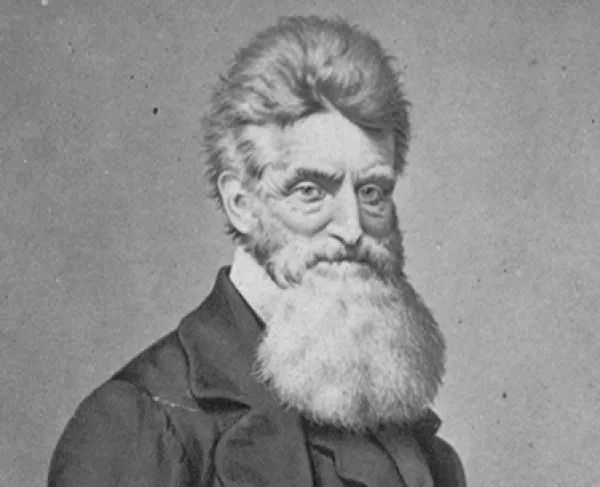

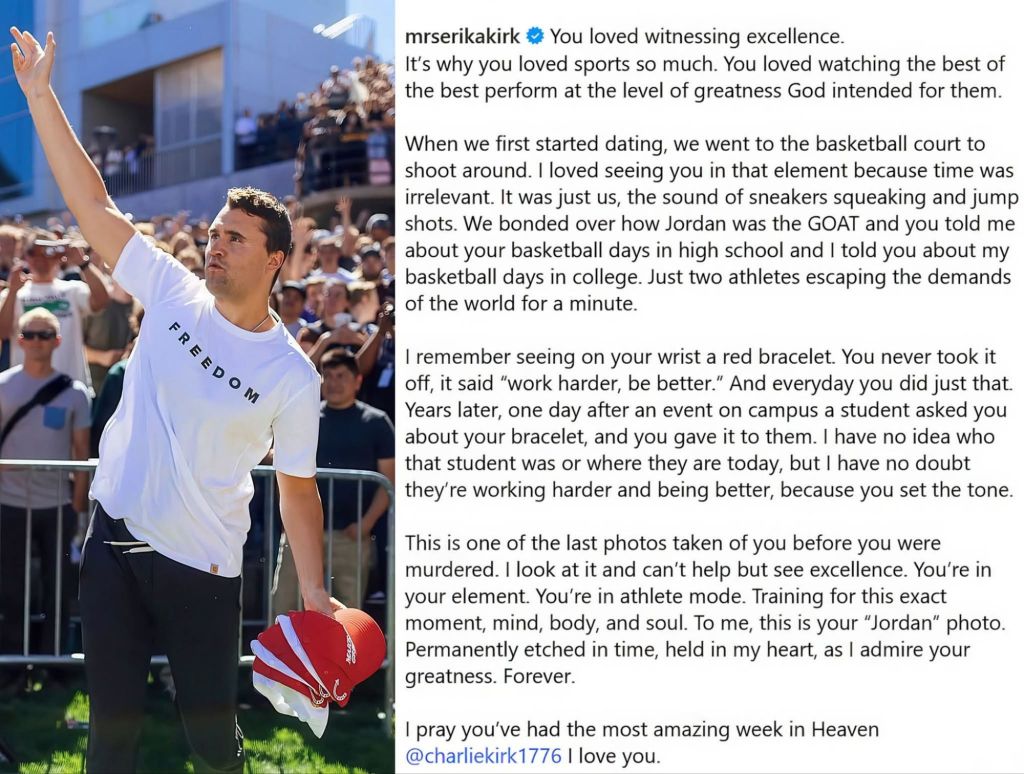








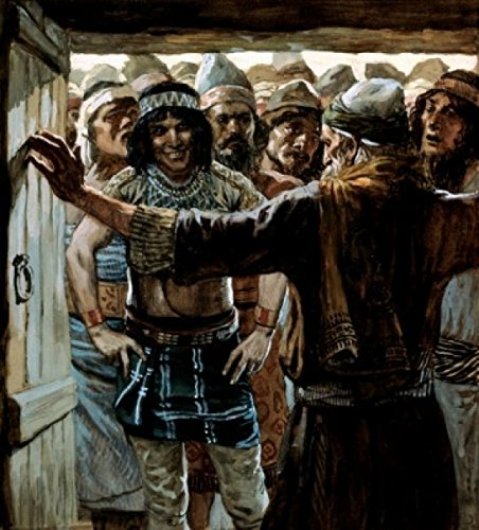






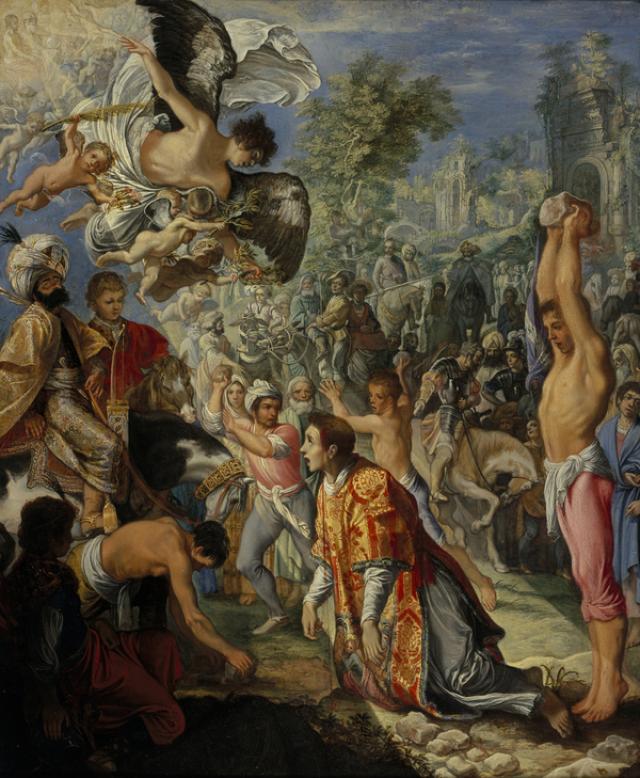




 Irregular Ideation