The Insidious ‘Good Men Must Do Bad Things’ Myth

Standard

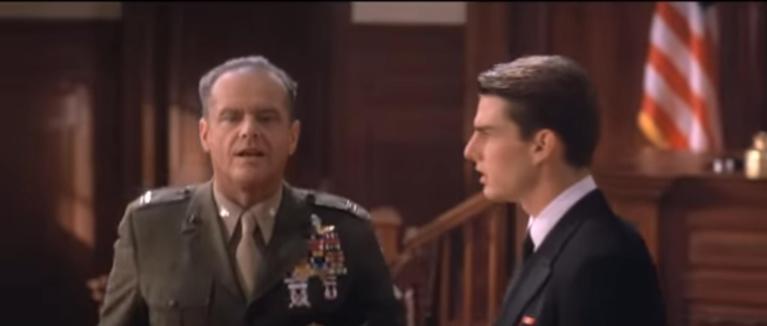
A Few Good Men has memorable lines. The courtroom drama is about a pair of Marines charged in the hazing death of an unpopular recruit. One of the accused refuses to take a plea deal, standing on principle, believing they did nothing wrong—claiming they were just following orders. It all culminates with a verbal battle between the defense lawyer, Lt. Daniel Kaffee (Tom Cruise) and sneering Col. Nathan R. Jessep (Jack Nicholson) the superior officer who was behind a deadly hazing incident. Col Jessup, when finally pressed for the truth, exclaims “You can’t handle the truth!” and then he goes on a diatribe:

Son, we live in a world that has walls, and those walls have to be guarded by men with guns. Who’s gonna do it? You? You, Lt. Weinberg? I have a greater responsibility than you could possibly fathom. You weep for Santiago and you curse the Marines. You have that luxury. You have the luxury of not knowing what I know; that Santiago’s death, while tragic, probably saved lives. And my existence, while grotesque and incomprehensible to you, saves lives. You don’t want the truth because deep down in places you don’t talk about at parties, you want me on that wall. You need me on that wall. We use words like honor, code, loyalty. We use these words as the backbone of a life spent defending something. You use them as a punchline. I have neither the time nor the inclination to explain myself to a man who rises and sleeps under the blanket of the very freedom that I provide, and then questions the manner in which I provide it! I would rather you just said “thank you” and went on your way, Otherwise, I suggest you pick up a weapon and stand a post. Either way, I don’t give a damn what you think you are entitled to!

What is brilliant about this rant is it comes off as what it is: A justification from an arrogant man who sincerely believes that he is standing for good even when he’s clearly in the wrong.

Jessup is not a mustache twirling caricature of a villain.  He is someone with moral reasoning that many can relate to or even may side with. He’s arguing that those who put him on the stand are insulated from the truly life and death decisions he must make and should simply accept his role of protector—not question his judgment.

This fictional statement is a variation on the idea “…people sleep peaceably in their beds at night only because rough men stand ready to do violence on their behalf.” 

The quote above, often misattributed to George Orwell who actually said this: “Men can only be highly civilized while other men, inevitably less civilized, are there to stand guard and feed them.”

Orwell himself paraphrasing Rudyard Kipling who wrote of the “thin red line” and rebuked the people making a mockery of “uniforms that guard you while you sleep” in his 1890 poem “Tommy” written from the perspective of a British infantryman.

This rejection of pacifism is common. It’s a part of the jingoistic fervor and cult thinking of those who demand we fall into line when our political establishment beats those war drums.

Don’t you know they are protecting you?

We should be grateful, they say, or we would be speaking German, be Communist, or forced to convert to Islam!

We’re now at a stage of preemptive war, which directly violates our U.S. Constitution, claiming it is necessary to “defend freedom and democracy” from the uncivilized.

There’s certainly no end to the violence that these self-assured ‘defenders’ will do on behalf of us—and would do to us to save us from ourselves.

Good Men Must Do Bad Things

This blog is a response to a request:

After reading that piece on dogma, I’m curious. Should you be willing to create a similar criticism of the “sometimes, good men must do bad things” mantra, I’d be very interested in your take.

That quote might be a paraphrase of Suits—a television legal drama—where a character uses this reasoning as their excuse to bend or break rules. The full quote from the series: “Sometimes good guys gotta do bad things to make the bad guys pay.” And the show popular Yellowstone also has a line similar, “Sometimes good men have to do real bad things.”

I don’t know enough about those shows to know if this is intended as ironic. But it has a strong resemblance to the evil is competence and thus good statement by Peter Thiel, the co-founder and board chairman of Palantir. 

This idea of exemption to do evil for sake of good is something both the far right and left agree on—whether “punch a Nazi” memes by Antifa or it is Trumpanyau saying we may need to nuke Iran to prevent Iran from having nukes. Basically, it is an idea we can be good while we do bad things and yet the other side can never be forgiven.
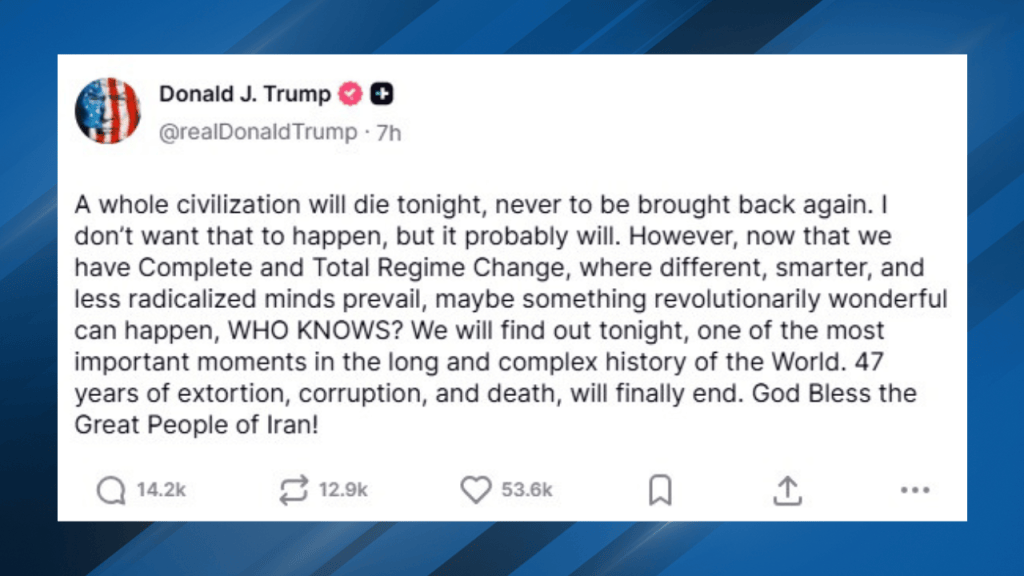
“It became necessary to destroy the town to save it”

What this looks like is fundamental attribution error crossbred with moral relativism. I declare someone evil and list off the evil things they’ve done. And then justify things often many times worse in response and it’s all good because I’ve designated them as being evil. Unfortunately, as convenient as this circular thinking is for the dogmatic partisan, it is about as reliable as our ability to accurately assess our own driving skills—where 73% to 93% of people believe that they are an above average driver. We classify our bad as being a result of circumstances and then assess the failure of others as being something inborn or a character flaw.

The moral relativism accompanying this is how we judge an action by who is doing the action rather than apply the same standard to all. From the perspective of the Imperial Japanese, being economically and militarily strangled by the U.S. oil embargo, the attack on Pearl Harbor was a necessary evil. They had a better reason to surprise attack when and where they did than the U.S. has had in wars since then and yet our infamy must be always forgotten. During the Vietnam War the CIA “neutralized” (kidnapped, tortured or killed) tens of thousands who were accused of collaborating with the North—no trials or proof needed. Did you know that?

In 1988, Iran Air Flight 655 was shot down over the Persian Gulf, killing all 290 souls, by a U.S. Navy destroyer. The crew and commanding officer of that ship got medals. In the 1991 Gulf War the U.S. killed 408 Iraqi civilians in a single strike against the Amiriyah shelter—which we knew was being used by civilians during the Iran-Iraq War. And even after the bombs stopped dropping the brutal economic sanctions killed hundreds of thousands of Iraqis. The Vietnamese people, even to this day, suffer unusually high rates of rare birth defects due to the widespread use of Agent Orange and other chemical defoliant decades ago—to just dismiss this all as ‘collateral damage’ is not very pro-life.

But aren’t you glad we tried to save you from the Commies?!?

It is just so strange to see the same people who justify total obliteration of two cities in Japan being so upset when U.S. economic and military interests are targeted by those who have been subjected to far worse.

The point being, people always come up with justifications for their own evil.  Even the total psychopath can often defend heinous acts with a moral reasoning: “He looked at me wrong so—acting 100% in self-defense—I bashed his face in with a hammer.”  If we name a date, and ignore the context of all that happened prior, we can claim we’re fighting for justice—when, in reality, the other side has as much justification as we do or more.

It’s a world where all violent people believe they are the good guy forced to do bad things.

Tired Analogies and Immoral Math

On a religious forum, mostly pacifists, there was always a ‘sheepdog’ guy or that one person who self-designated themselves as a protector of the herd.

You see, he was not an unsuspecting sheep like everyone else.

No, not at all!

He was an exception, the ever protective guard of  decency and goodness—who only every so often took an accidental bite out of a sheep.

What’s interesting is you’ll never find a sheepdog metaphor anywhere in Biblical texts, it is simply something invented, a cover story.  What you do find is a division between sheep and goats.  The goats are those unruly, stubborn or independent animals—used in Scripture as a metaphor for the cruel and exploitative leaders or those who bully the sheep. They will be sorted out of the faithful flock at the final judgment.

And the other animal mentioned? 

The wolf in sheep’s skin.

These are actual predators who wrap themselves up in an innocent appearance—to divide and devour the sheep. It sounds a bit like those sheepdogs, right?

In my own experience this sheepdog schtick was often just an excuse for their aggression against voices defying their self-asserted authority in all things. Nobody had elected them to the role. It was all their own personal judgement.

Unfortunately, few seem able to see through the phony knights in shining armor—who turn rivals into a dragon to slay rather than an equal to treat with the respect they demand for themselves.

The real issue is when we make exceptions for ourselves that we don’t accept if turned on us. For example, collateral damage. We say that the death of innocents is simply a part of war and unavoidable. But if it were our own child burned alive would we be okay with it—as just a part of war?

True morality values all people and their rights like our own. It never justifies killing of innocents or the treatment of some lives as expendable.

Good people do good to all people and not only a chosen few.

All lives matter or none do.

If you make exceptions for yourself to violate the rule eventually it boomerangs back—those who live by the sword die by the sword.

Using the ends to justify the means, playing God with Trolley problem math, choosing which lives matter—rather than treat all people with dignity and respect—is a moral logic 100% anti-Christ.
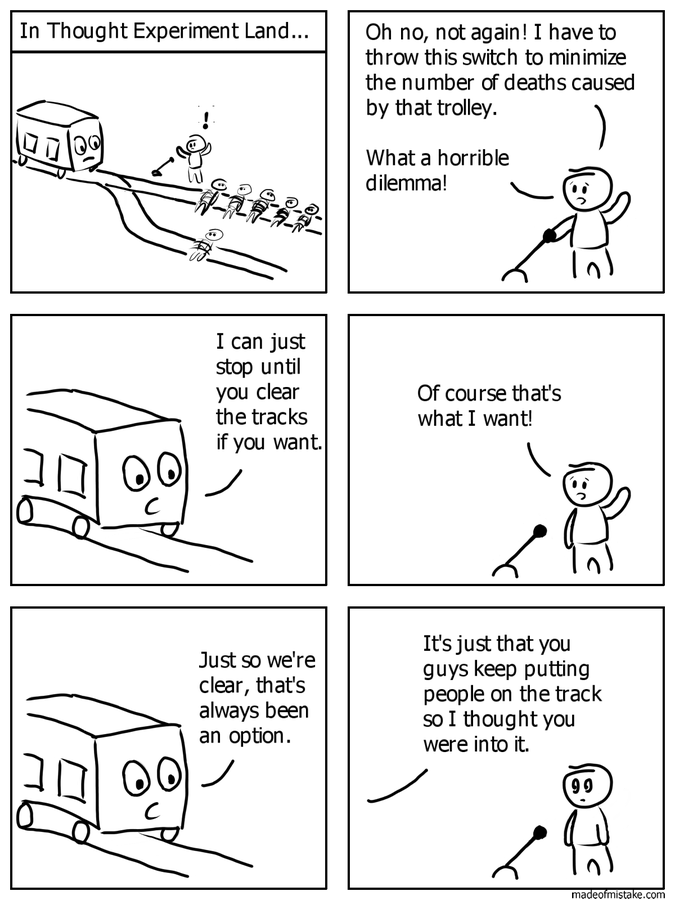
The ‘miracle’ is escaping the false dichotomy of those who aren’t good problem solvers.

Jesus, in his response to the condemning attitude of the Pharisees against sinners, told the Parable of the Lost Sheep.  In the story he reasoned that a good shepherd leaves their ninety-nine sheep to find the one lost.  In his morality saving 99% was not good enough.  And, like Abraham, he was not okay with close enough or even one person being harmed when it could be avoided.

If one sinner isn’t expendable in the eyes of God—then what is the worth of an innocent child’s life?

When you’re okay with killing one person for the sake of some imaginary “greater good” you’ll justify a million. That is the genocidal math, the cold calculation behind nearly all industrial scale mass murder campaigns—trying to kill their way to peace. They claim it is a binary choice, either us or them, save more lives by switching the track and killing one instead.

This is the kind of justification or rationalization that allowed men like Stalin, Hitler, Mao, Pol Pot, Truman and Netanyahu today. One might be completely fine with the slaughter of innocents when they’re ideologically aligned with those who are doing the killing, yet agreement doesn’t make it any less evil—and silence is to be complicit in the murder.

You’re Not Exceptional…

So maybe one suffers from main character syndrome, their own grandiosity delusions and narcissism—they understand good and evil only in terms of what serves them as an individual or a tribal identity group? Or they just think they have a special clarity of mind to make “hard decisions” on who should be sacrificed or saved? But this arrogance will only lead to hell. Those who claim to do evil for goodness sake are almost always just doing evil—dressing it up in the language of necessity so they never have to look in the mirror and be honest with themselves.
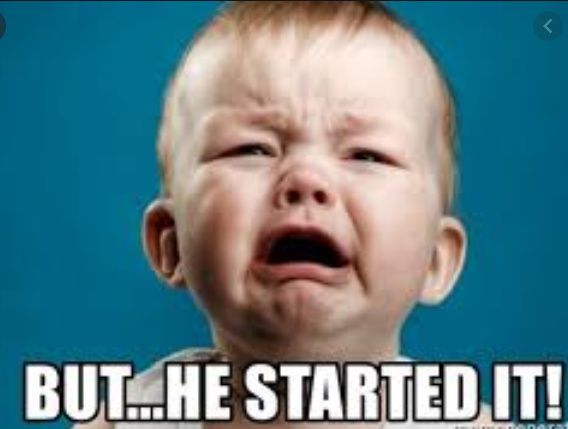
Every parent with a child understands that one evil doesn’t justify another.

Col. Jessep, while violating military ethics and the law, positioned himself as being a protector of civilization. Likewise many in the world make excuses for their own lack of civility—the “they started it” or “ist” labeling exemptions. The whole “violence is the only language they understand” rationale by those whom themselves only seem to be restrained from by force. 

Every accusation is a confession?

The difference is semantics—not substance. The worst offenders believe the sanitized descriptions of their own brutality and atrocities they commit makes them less a “terrorist” than those whom they hate—yet this righteous veneer is stripped away under cross-examination. It is only in their own mind they’re special.

Woe to those who call evil good and good evil, who put darkness for light and light for darkness, who put bitter for sweet and sweet for bitter. Woe to those who are wise in their own eyes and clever in their own sight.

Isaiah 5:20-21 NIV

You can’t be good while you are doing evil—good is what it continually does. Certainly we all fall short. We all have bad days and make mistakes. A good person is one who is able to admit wrong doing rather than try to whitewash evil. Giving exemptions for some and harsh penalties for others is just favoritism and a sin. There is one standard for all people and that is to love others (our neighbors) as ourselves. When you start to defend “your people” rather than humanity it leads to a breakdown of morality and ethics that only creates more conflict. The double standard is to make exceptions for evil and a good person does not.
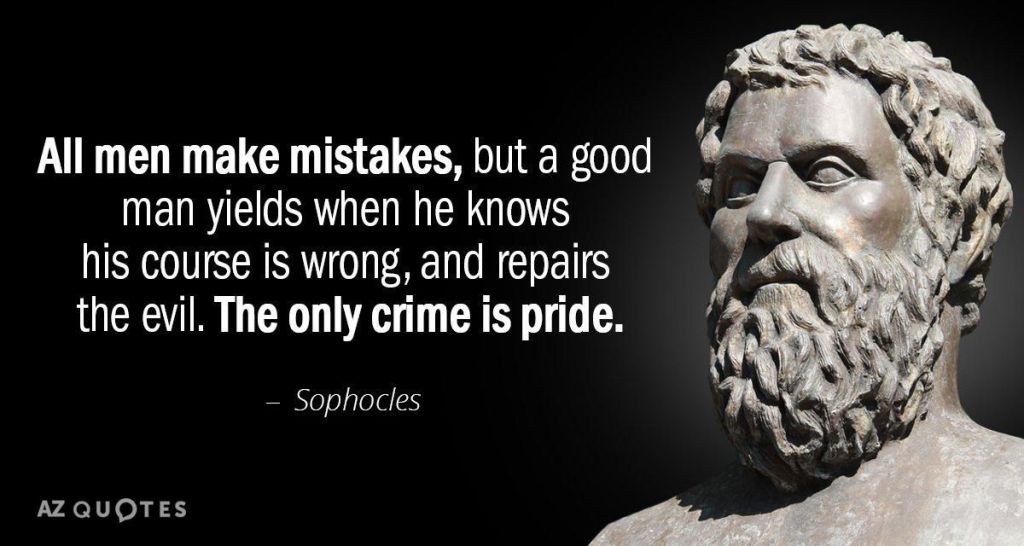
Good morality starts with an idea that we all stand in front of a neutral judge. It applies a consistent standard for all people.

Good morality doesn’t ask who is pulling the trigger—it asks whether a trigger should be pulled at all.

True integrity means abandoning self-serving or tribal math which values our rights more than theirs.  It means accepting that we are not the exception to the rule—and abiding by universal moral principle. Until we drop the self-righteous rationalizations of our own violations and submit ourselves to a single, impartial standard of love and justice, we will remain trapped in an endless cycle of violence of our own making—and prove to the rest of the world that we are precisely what we have accused our enemies of being: Lawless, agents of chaos, and just plain evil no matter how we dressed it.

Nobody thinks they’re evil. No they’re just a good person forced to do bad things. They are victims of circumstances, compelled by the evil of others to neglect common moral decency and do bad things. They may even claim to be on the wall guarding civilization from itself, but the truth is they represent an erosion of morality more than the foreigner beyond they say we should fear: They’re the barbarians and savages! But those who do evil for goodness sake are worse than the uncivilized who do bad in ignorance.

A person who knows what is right and exempts themselves is evil. If you’re good, then you will do good for goodness sake—without exception.
Character Over Symbolism — Rejecting Trump as a Political Messiah

Standard

I’ll make a confession. Before Paula White-Cain ever said it, I described Donald Trump as a type of Christ. I believed the judgments against him were largely vindictive and politically motivated rather than a genuine pursuit of truth and justice.

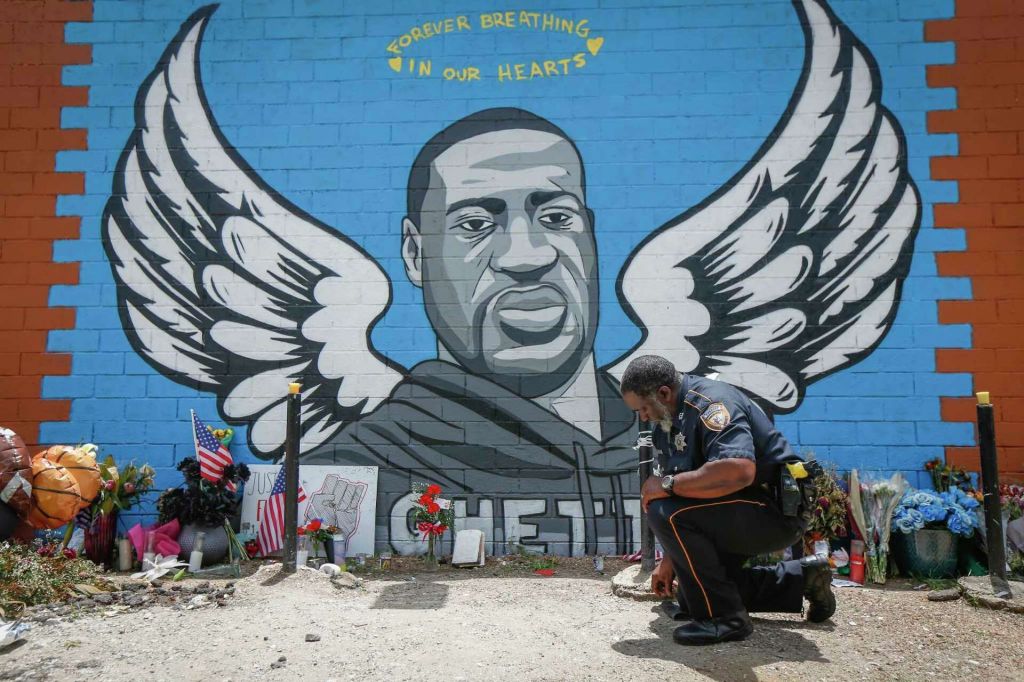
In my defense, I didn’t mean it the same way Paula White does. George Floyd can also be seen as a type of Christ—a man who died under tragic circumstances and became a powerful symbol of what many perceive as lingering racial injustice. Samson in the Old Testament was another flawed type of Christ: a strong but deeply imperfect man who ultimately brought the house down on his people’s enemies. The religious leaders of his day even declared it better that one man should die than the whole nation perish—the exact same justification used against Jesus.

Then there’s Jesus Barabbas, a man whose name literally means “son of the father.” The frenzied mob chose to free a violent revolutionary instead of Jesus of Nazareth.  He serves as a dark type: a chaotic figure the crowd preferred over the true son of God and Prince of Peace.

When I first called Trump a type of Christ, it was out of sympathy and frustration with lawfare. I opposed the clear double standards—Joe Biden openly bragging about his quid pro quo, James Comey giving Hillary Clinton a free pass, while Trump faced relentless legal pursuit. My support was rooted in a belief in equal justice under the law, not personal adoration. I never saw him as a good man, let alone an example to follow. I had accepted him as a necessary monster to fight other monsters.

But I’m now regretting even that loose analogy. Trump’s character has troubled me from the beginning. His style of politics often mirrored the very things I criticized on the left. The “we’re electing a commander-in-chief, not a pastor” argument never fully sat right with me. (More so now that Jerry Falwell Jr., the Evangeli-con leader who had coined this way to rationalize around Trump’s shortcomings, has since been disgraced in a lurid sexual scandal). Being burned by a man I quietly endorsed has forced me to reevaluate my own judgment.

Character is not just one factor among many—character is everything. The danger of electing a monster to fight other monsters is that the beast will eventually turn on you. Perhaps it’s better to “waste” a vote on someone of stronger character than on a “lesser evil” who may overachieve?

Trump won his reelection largely because his opponents cried wolf too many times. Decades of calling anyone to the right of Mao a “fascist,” coupled with the very weak evidence for Russian collusion compared to credible questions about Biden family corruption, made it easy for many to dismiss all criticism of Trump as just another partisan witch hunt. The perception of unfair treatment caused many people to rally around him, ignoring his serious character flaws.

I call it the “George Floyd effect,” where symbolic value of an individual and grievances shared by a demographic group cause people in that group to overlook glaring character issues. Trump also cleverly positioned himself this way with the line, “They’re not coming after me. They’re coming after you—and I’m just standing in their way.”

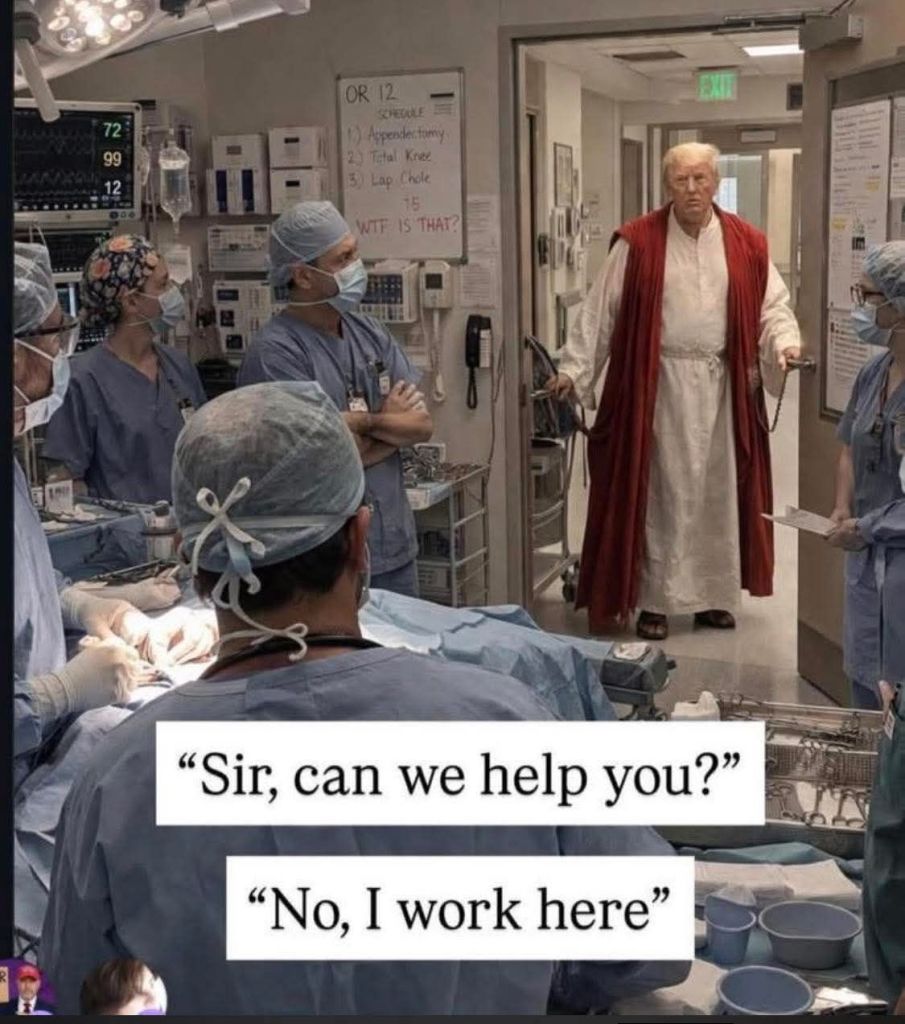
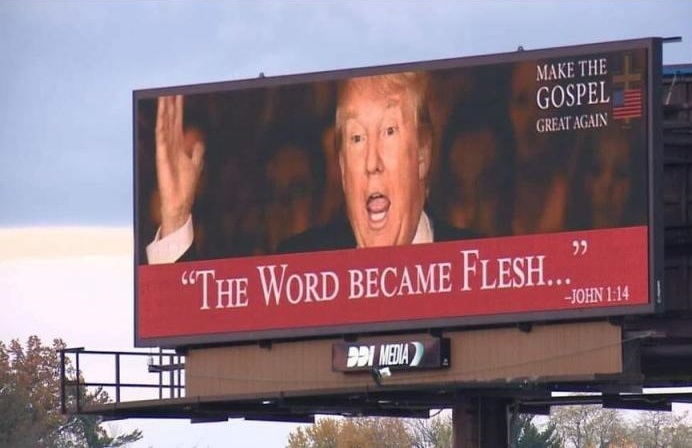
Yet Trump has increasingly imagined himself as a Jesus-like figure. He once questioned why he would need to ask for forgiveness if he doesn’t make mistakes—which is a stark departure from Christian teaching that all continually fall short of God’s glory. And the recent meme he posted of himself with healing hands, dressed in robes as a Christ-like figure (which he since has insisted was meant to show him as a doctor), crosses into very dangerous territory.  It’s blasphemous.

Only Trump could get away with saying he was portraying a doctor and that those who believe their eyes shouldn’t be trusted.

Anyhow, I’m old enough to remember Barack Obama being called the Antichrist or accused of thinking he was a god for far less. (See: pillars at DNC) The same voices who condemned Obama’s allegedly messianic imagery are now defending or downplaying Trump’s behavior.

I didn’t leave the MAGA coalition.

It left me.

To balance the record: Trump can also be seen as a type of Hitler in troubling ways. He is a populist with grandiose tendencies, quick to attack others while being extremely thin-skinned. He blames foreigners for America’s problems and has also sparred publicly with the Pope—much like Hitler clashed with the Vatican. Both men also survived assassination attempts in ways some called lucky or God’s hand of protection.

In the end, I regret using Christ-like language for any politician. The temptation to turn our flawed political leaders into sacred symbols—whether as redeemers or villains—ultimately does us more harm than good. Politics already pulls us toward idolatry. We should resist it by judging leaders on character first, not on how well they embody our grievances.

Perspectives, Not Truth: Why Our Moral Codes Are Always Incomplete

Standard

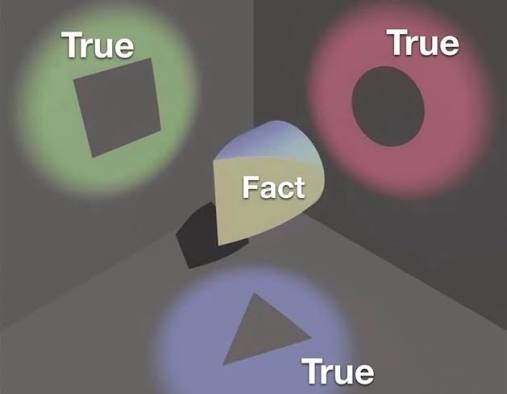
Everything we hear is an opinion, not a fact. Everything we see is a perspective, not the truth.

Marcus Aurelius

I will attempt to bring multiple threads together in this blog and the quote above is a good starting point. If there is objective reality it’s not going to be something possessed by one human. We do not know all circumstances nor can we vet and independently verify every fact we receive.  Or at least not without becoming totally hamstrung by the details. We put our trust in parties, traditions, systems, credentials and the logic which makes sense to us.

The deeper we dive into our physical reality the murkier it all gets. The world ‘above’ that we encounter feels concrete. But there is not a whole lot of substance to be found as we get beneath the surface. The rules that we discovered—of time and space—end up dissolving into a sea of probabilities and paradoxes at a quantum level that we don’t have an answer to. And this is the ‘concrete’ observable reality. We all see our own unique perspective, a slice, and build our model of the world from it.

But it is even murkier when we get to topics of social science. Morality and ethics, built often from what we believe is fact or truth, is more simply opinion and perspective than it can be hammered out in words everyone is able to agree on. Even for those who are of the same foundational religious assumptions—despite even having the same source texts—do not agree on matters of interpretation or application. So who is right? And who is wrong? How do we decide?

1) Patrick: We Don’t Need God To Be Moral

My cousin, Patrick, a taller, better looking and more educated version of myself, an independent thinker, and has departed from his missionary upbringing—gives this great little presentation: “Where Do You Get Your Morality?“

His foundation for a moral value system is concepts of truth, freedom and love which he describes in the video. I find it to be compelling and compatible with my own basic views. Our cooperation is as natural as competition, it is what makes us human, and a conscience gives potential for better returns.

However, while I agree with his ideal, there is also reason why deception, tyranny and indifference are as common in the world—they are natural—and this is because it can give one person or tribe an advantage. Lies, scams, and political propaganda all exploit trust and can be a shortcut for gaining higher status or more access.

No, cheating doesn’t serve everyone. But the lion has no reason to regret taking down a slow gazelle. By removing the weak, sick, or injured, it inadvertently culls the less-fit genes from the herd, strengthening the prey population over time and even preventing overgrazing of the savannah. It’s just a raw service to ecosystem balance, much like a short seller who exposes those overvalued stocks, forcing the market corrections and greater efficiency—acts of pure self-interest yielding a broader good.

Herd cooperation or predator opportunism are different strategies, both 100% natural and amoral in their own context. I’m neither psychopath nor a cannibal, but I do suspect those who are those things would as readily rationalize their own drives and proclivities. Nature doesn’t come with a rulebook—only consequences.

I’m certainly not a fan of the “might makes right” way of thinking and that is because my morality and ethics originate from the perspective being disadvantaged. But I also understand why those who never struggled and who have the power to impose their own will without fear of facing any consequences often develop a different moral framework.

We need to be invested in the same moral and civilizational project. Or else logic, that works for only some who have the strength or propaganda tools, will rule by default. I don’t disagree with Patrick, but his core message caters to a high IQ and high empathy crowd—which does leave me wondering how we can bring everyone else on board?

2) Kirk: A Way To Focus Our Moral Efforts

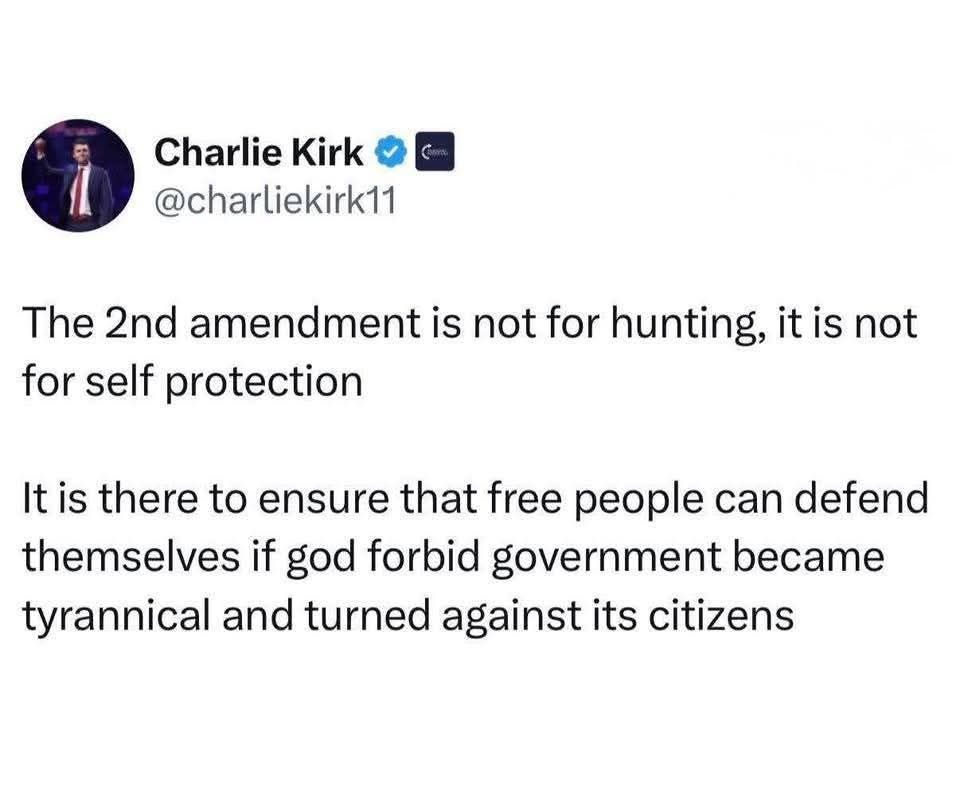
Charlie Kirk wasn’t a significant figure to me before his death. It may be a generational thing or just a general lack of interest in the whole conservative influencer crowd. I feel dumber any time I listen to Steven Crowder and assumed Kirk was just another one of the partisan bomb throwers. But, from my exposure to his content since, I have gained some appreciation.

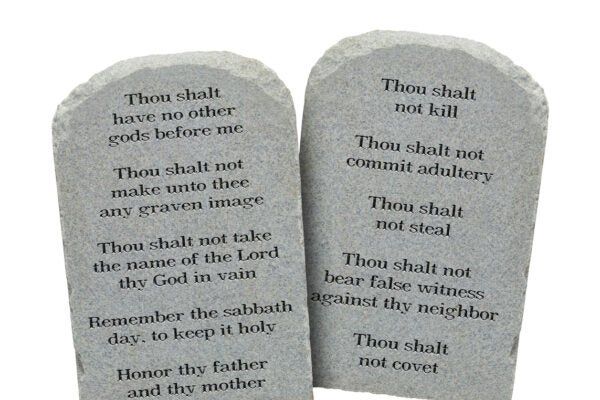
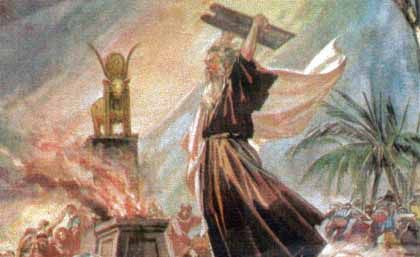
Arguing for the Ten Commandments has never been a priority for me. It’s a list with a context and not standalone. Nevertheless it is a starting point for a moral discussion and also one that it seems Charlie Kirk would go to frequently in his campus debates.  The two most difficult of these laws to explain to a religious skeptic are certainly the first two: “I am the Lord your God; Have no other gods before me and do not make idols.”

We generally agree on prohibition of murder and theft, or even adultery, but will disagree on one lawgiver and judge.

Why?

Well, it is simply because divine entity is abstract compared to things we have experienced—like the murder of a loved one or something being stolen from us. You just know this is wrong based on how it makes you feel. The belief in celestial being beyond human sight or comprehension just does not hit the same way as events we have observed. And it’s also the baggage the concept of a God carries in the current age. I mean, whose God?

It seems to be much easier just to agree the lowest common denominator: Don’t do bad things to other people.

But then we don’t. We justify killing others if it suits our political agenda, labeling people as bad for doing what we would do if facing a similar threat to our rights. If I’ve learned one thing it is that people always find creative ways to justify themselves while condemning the other side for even fighting back against an act of aggression.

Self-proclaimed good people do very bad things to good people. Like most people see themselves as above average drivers (not mathematically possible), we tend to distort things in favor of ourselves. Fundamental attribution error means we excuse our own compromises as a result of circumstances while we assume an immutable character flaw when others violate us. We might be half decent at applying morality to others—but exempt ourselves and our own.

So morality needs a focal point beyond us as individuals. There must be a universal or common good. Which might be the value of a theoretical ‘other’ who observes from a detached and perfectly unprejudiced point, the ideal judge. Not as a placeholder, but as the ultimate aim of humanity. One God. One truth. One justice. This as the answer to double standards, selective outrage and partisan bias. If we’re all seeking the same thing there is greater potential of harmony and social cohesion where all benefit.

At very least it would be good to promote an idea of an ultimate consequence giver that can’t be bought or bribed.

3) The Good, the Bad and the Aim for What Is Practically Impossible

The devil is always in the details. And the whole point of government is to mediate in this regard. Unfortunately, government, like all institutions, is merely a tool and tools are only as good as the hands that are making a use of them. A hammer is usually used to build things, but can also be used to bash in a skull. Likewise, we can come up with that moral system and yet even the best formed legal code or enforcement mechanism can be twisted—definitions beaten into what the current ruling regime needs.

The United States of America started with a declaration including the words “all men are created equal” and a Constitution with that starts: “We the people…” This is reflection of the Christian rejection of favoritism and St. Paul telling the faithful “there is no Jew or Greek” or erasing the supremacy claims of some. An elite declaring themselves to be exempted or specially chosen by God is not compatible with this vision. We never ask a chicken for consent what we take the eggs. We do not extend rights to those who we consider to be inferior to us or less than human. Human rights hinge on respect for the other that transcends politics.

That’s where the labels come in. If we call someone a Nazi, illegal, MAGAt, leftist or a Goyim we are saying that they are less than human and don’t deserve rights. This is the tribal and identity politics baseline. Those in the out-group are excluded for decency, their deaths celebrated as justice (even if there’s no due process) and we’ll excuse or privilege our own. All sides of the partisan divide do this—we create a reason to deny rights to others often using things like truth, freedom and love (Patrick’s foundation) as our justification: “Those terrorists hate our freedom and democracy, we must fight for those we love and our truth!”

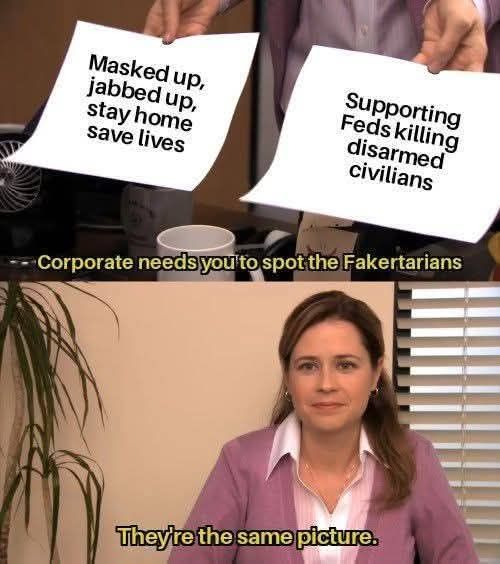
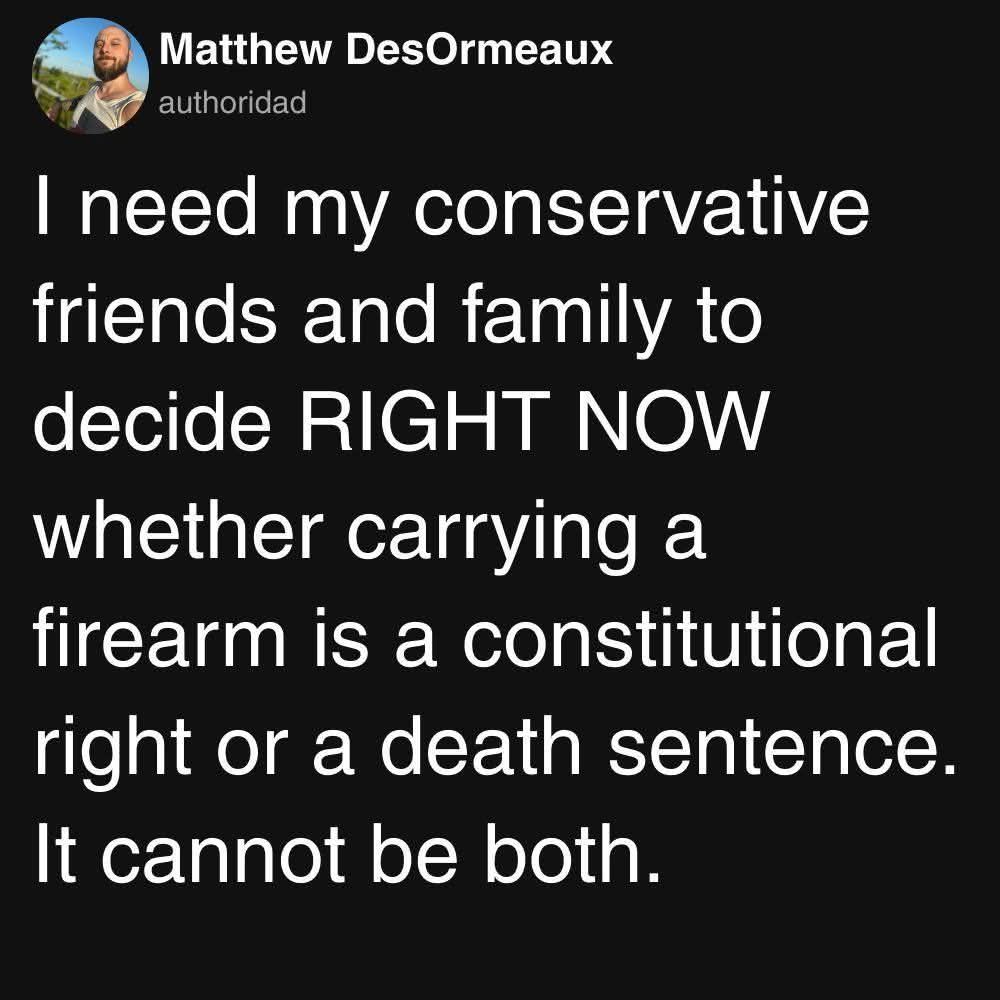
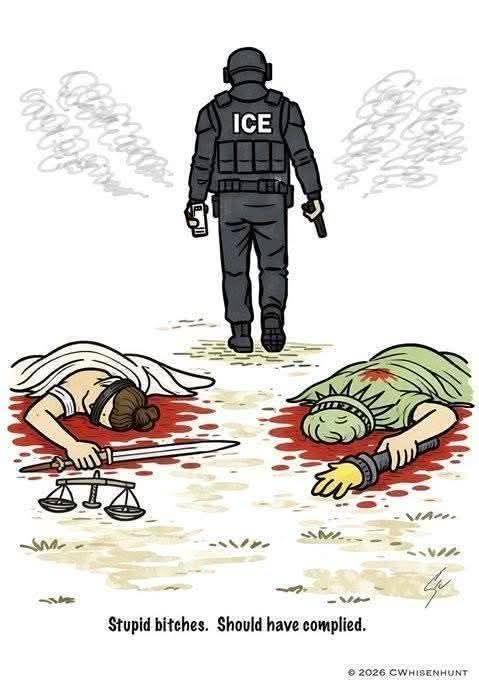
Bringing this to a practical level: Looking at Minneapolis, the ICE and anti-ICE activities, we have competing moral narratives and a different vision for application of American values. On one side of the debate you have those who say that “one is one too many” if an illegal immigrant kills a US citizen—then suddenly do not care when Federal agents shoot a fellow American. The defiant “don’t tread on me” opposition to mandates and masks during Covid somehow shifting to “comply or die!” On the other side you have those outraged about Kyle Rittenhouse and who have been traditionally opposed to the 2nd Amendment defending Alex Pretti while the Trump administration condemns a man for carrying a permitted firearm.

Judgment is for the other, it seems, rights for those who look like us or agree. It’s this inconsistent eye, the call for understanding of our own and grace for ourselves with the harsh penalties applied to those within the forever shifting lines of our out-group, that shows how our political perspectives cloud our moral judgment. The ‘sin’ is not the act itself, but whether or not the violation suits our broader agenda. This is why ‘Christian’ fundamentalists, who will preach the love of Jesus on Sunday, can be totally indifferent to the suffering of children with darker skin tones—their God is about national schemes not a universal good or a commonly applied moral standard.

The aim needs to be justice that is blind to who and only considers what was done. If pedophilia is excused for powerful people who run our government and economy, then it should be for those at the bottom as well. If the misdemeanor of crossing an invisible line is bad, a justification for suspension of due process for all Americans, then why is it okay to violate the sovereignty of Venezuela or Iran over claims of human rights abuse?

The US fought a war of independence, took the country for the British and yet has been acting as a dictator, installing kings, when it suits our neo-colonial elites.

That’s immoral.

We’re all immoral.

The moral code of Patrick, Charlie or myself is incomplete—because every moral code is incomplete when filtered through human eyes. We start from our different premises: Patrick’s secular triad of truth, freedom, and love; Kirk’s religious appeal to the Ten Commandments and a divine lawgiver as the only reliable check on self-deception; my own reluctant recognition that empathy and cooperation are real, yet fragile, against the raw arithmetic of power and advantage. Yet all of our approaches circle the same problem: without some external, impartial standard that transcends our biases, tribes, and self-justifications, our morality devolves into competing opinions dressed as facts—exactly as Aurelius observed.

We cannot fully escape the murk. Objective reality, if it exists, slips through our fingers like quantum probabilities—and moral truth fractures along lines of culture, experience, and interest. Even when we agree on broad principles (don’t murder, don’t steal), the application often splinters: whose life counts as being worthy of protection? Whose borders, laws, or children deserve a defense? And whose “justice” is merely revenge in better lighting?The temptation is cynicism—just declare all values relative, retreat to my own personal pragmatism, and then let might (or votes, or algorithms) sort the rest. But that is a path leads to the very outcomes we decry—dehumanization, selective outrage, and the erosion of the entire civilizational project that allows agnostic high-empathy and high-IQ arguments like Patrick’s to even exist. Yes, nature may be amoral, but us humans build societies by pretending otherwise, by our aiming higher than baser ‘animal’ instincts—reaching for God.

So perhaps the most honest conclusion is not to claim possession of the full truth, but to commit to pursuing it together—knowing we’ll never quite arrive. We definitely need focal points that force some accountability beyond ourselves: whether that’s a concept of one ultimate observer who sees without favoritism, or by a shared commitment to universal human dignity rooted in principle beyond biology or tribe, or simply just the hard-won habit of applying the same rules to our side as to the other. Blind justice isn’t natural or self-evident—it’s cultivated. Morality is an aim which requires vigilance against our own double standards, humility before the limits of our perspective, and courage to defend principles we claim even when they inconvenience us.

In the end, we don’t need perfect agreement on the source of morality to agree that inconsistency in application is poisonous.  What goes around will certainly come around and if we live by the sword we’ll die by it.  If we can at least hold each other (and ourselves) to a standard higher than “what works for my group right now,” preserve the space for mutually beneficial cooperation over cruel predation—a shared conscience over mere convenience. Anything less, and the gazelle never outruns the lion for long—and neither does the society which forgets why it tried.